Travel Scams to Avoid: A Complete Guide to Tourist Traps Worldwide
Picture this: you’re strolling through a bustling market in Bangkok, sipping wine in a charming Parisian café, or exploring the ancient ruins of Rome. Suddenly, what seemed like a friendly local interaction turns into an expensive mistake. Unfortunately, learning about travel scams to avoid often happens the hard way—but it doesn’t have to. Whether you’re a seasoned globetrotter or planning your first international adventure, understanding the most common travel scams can save you money, stress, and potentially ruin an otherwise perfect trip.
Most Common Travel Scams Around the World
Knowing travel scams to avoid starts with understanding the most prevalent schemes targeting tourists worldwide. These tourist traps worldwide have evolved over decades, adapting to new technologies while keeping the same core objectives: separating travelers from their money.
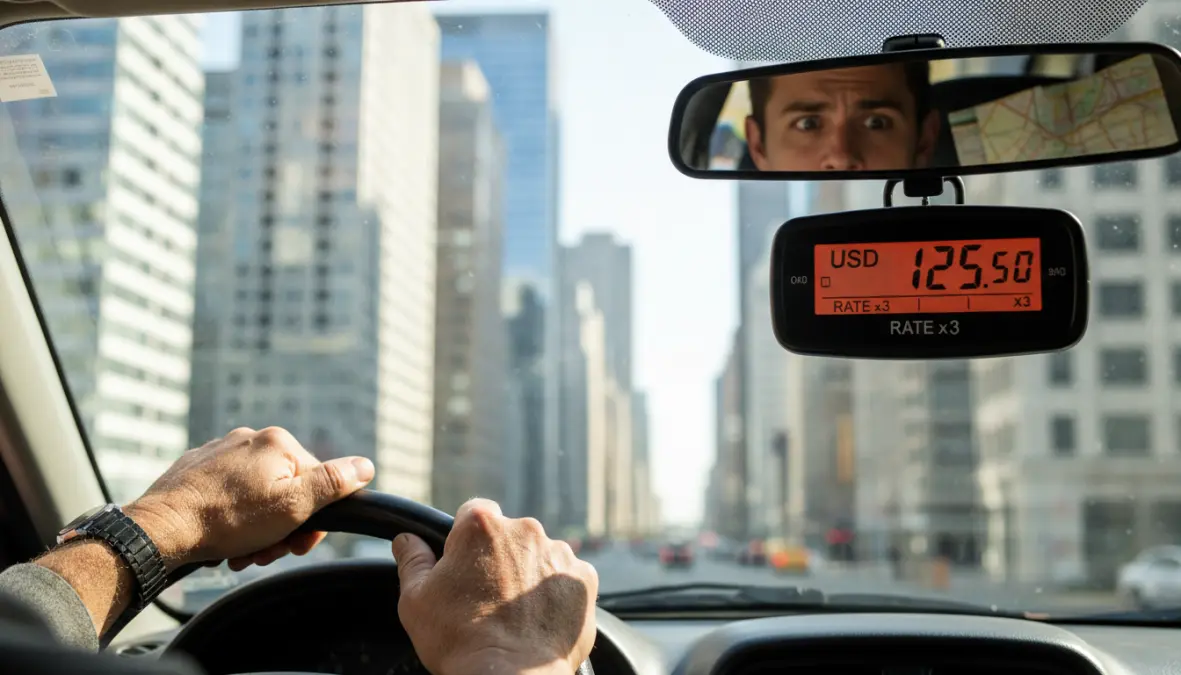
Transportation scams are among the most frequent. The classic taxi scam involves drivers claiming the meter is “broken,” taking unnecessarily long routes, or quoting inflated flat rates. This is particularly common in cities like Bangkok, Rome, and Istanbul. Fake Uber or ride-share drivers also operate at airports, approaching tired travelers with official-looking signs. In some European cities, you’ll encounter the “helpful local” who insists the train station is closed and offers an expensive alternative ride.
Accommodation scams have exploded with the rise of online booking. The bait-and-switch technique shows beautiful photos online, but the actual property is completely different—or doesn’t exist at all. Some fake listings on legitimate platforms collect your payment before disappearing. Hotels in tourist hotspots may add mysterious charges to your bill, hoping you won’t notice or won’t complain in a foreign language.
Money-related fraud includes currency exchange scams where shops or kiosks offer “no commission” but use terrible exchange rates. ATM skimming devices steal your card information, especially common in tourist-heavy areas of Eastern Europe and Southeast Asia. Street money changers may use sleight-of-hand to shortchange you during the counting process.
Shopping and dining scams range from restaurants with two menus (one with higher prices for tourists) to stores selling counterfeit goods as authentic. The “free” bracelet or flower scheme involves someone placing an item on you, then aggressively demanding payment. Street food vendors near landmarks like the Machu Picchu entrance or popular beaches may charge exponentially more than local prices.
Attraction-related schemes include fake ticket sellers outside major museums and monuments, particularly in cities like Athens and Barcelona. The “petition scam” involves signing a fake charity petition, then being pressured for a donation while accomplices pickpocket you. Photo scams happen when costumed characters or “helpful” photographers demand outrageous fees after taking your picture.
How to Recognize Warning Signs of Travel Fraud
Developing tourist scam awareness means training yourself to spot red flags before you become a victim. Travel fraud protection starts with recognizing universal warning signs that transcend borders and languages.
The most common indicator is pressure to decide immediately. Legitimate businesses don’t need you to commit on the spot. Whether it’s a “tour leaving in five minutes” or a “one-time discount ending today,” high-pressure tactics should raise immediate suspicion. Scammers know that rushed decisions bypass your logical thinking.
Prices that seem too good to be true usually are. If every other hotel in Portugal’s Algarve Coast costs €100 per night but you found one for €30, investigate thoroughly. The same applies to tours, transfers, and experiences that undercut market rates by 50% or more.
Requests for untraceable payment methods are major red flags. Wire transfers, cash-only transactions, or cryptocurrency payments for substantial bookings should concern you. Legitimate operators accept credit cards or use secure payment platforms that offer buyer protection.
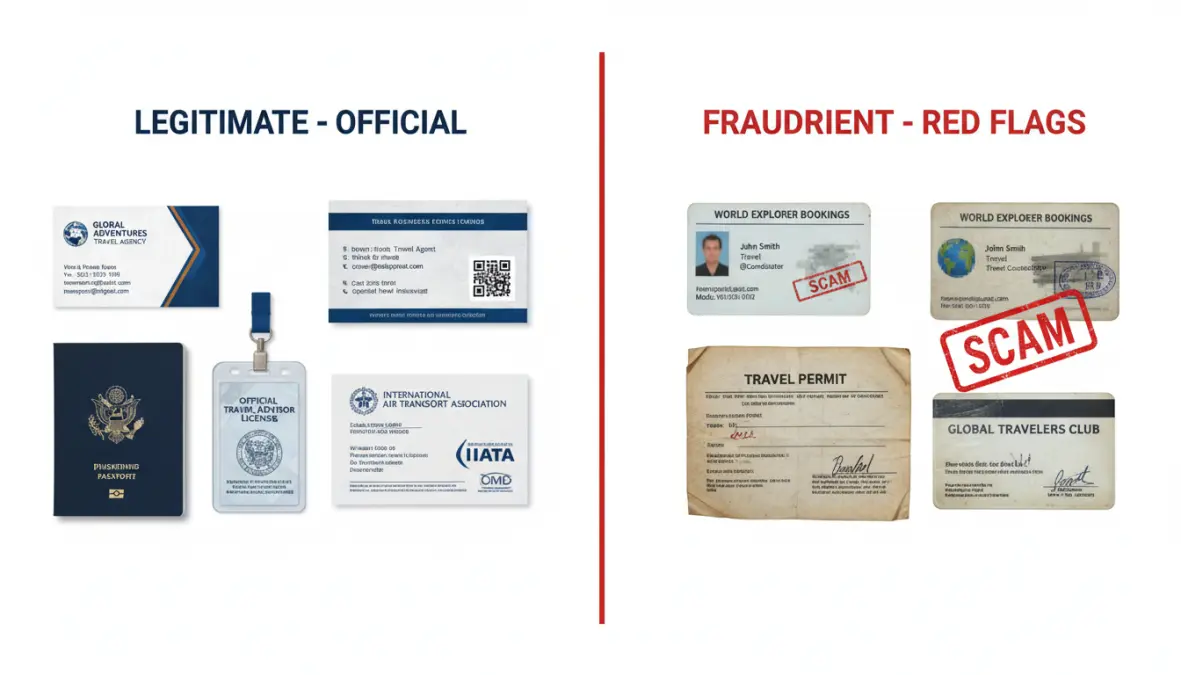
Watch for lack of official documentation. Licensed taxi drivers display credentials, tour operators have business cards and websites, and registered accommodations provide proper receipts. If someone can’t produce verifiable credentials when asked, walk away.
Unsolicited approaches in tourist areas deserve skepticism. Whether it’s someone offering to “help” you buy train tickets, a friendly stranger suggesting a better restaurant, or a person claiming to work for your hotel, question their motives. Real employees rarely approach tourists randomly on the street.
Essential Travel Safety Tips and Prevention Strategies
Implementing effective travel safety tips transforms awareness into action. This comprehensive scam prevention guide provides practical strategies to protect yourself throughout your journey.
Pre-trip research is your first defense. Read recent reviews on TripAdvisor, Google, and travel forums about accommodations, tour operators, and transportation options. Research common scams specific to your destination—what works in Paris differs from schemes in Bangkok. Knowing how to avoid travel scams abroad specific to your location gives you a significant advantage.
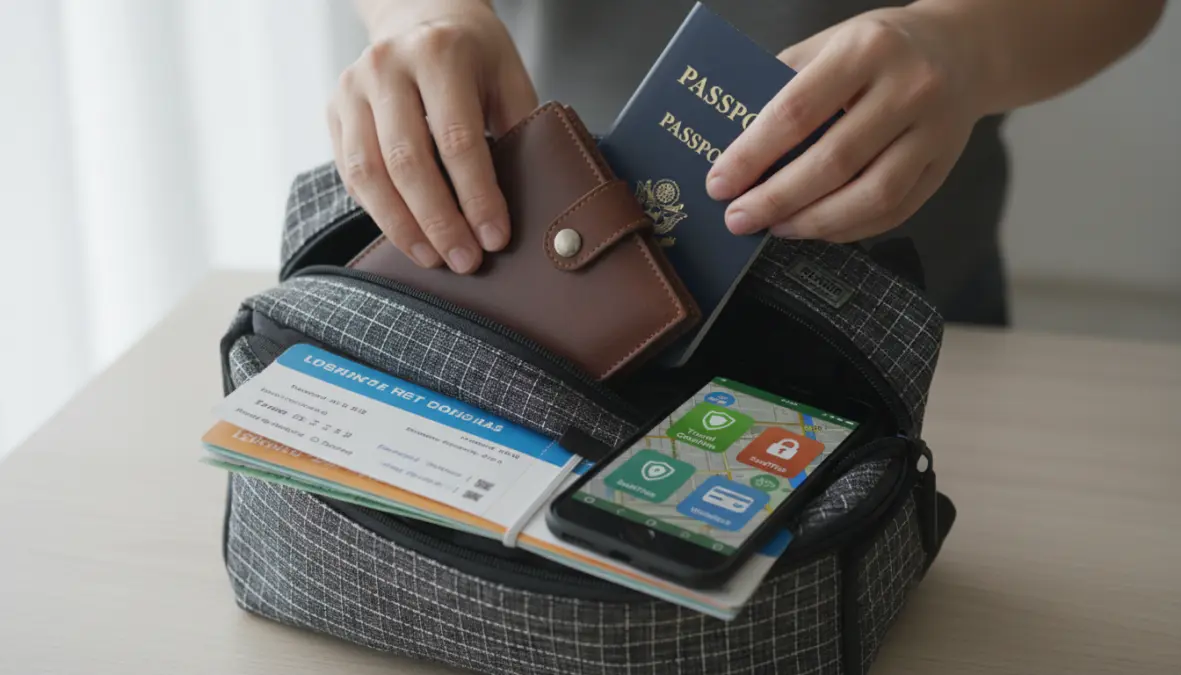
Use verified services and official apps. Book accommodations through reputable platforms with buyer protection. Use official taxi apps or pre-arranged airport transfers. The best travel apps include verified ride-sharing services, legitimate booking platforms, and official city transportation apps. Purchase attraction tickets directly from official websites, not street vendors.
Protect your money and documents. Use RFID-blocking wallets, keep backup copies of important documents in cloud storage, and never flash large amounts of cash. When using ATMs, choose machines inside banks rather than standalone units. For pickpocketing prevention, keep valuables in front pockets or anti-theft bags, especially in crowded areas.
Payment best practices include using credit cards with fraud protection for major purchases, notifying your bank of travel dates, and avoiding currency conversion at point-of-sale (always charge in local currency). For tips on budget-conscious but safe travel, check out guides like traveling Cape Town affordably without cutting security corners.
If you become a victim, report the incident immediately to local police for insurance purposes. Contact your credit card company to dispute charges or cancel cards. Notify your embassy if passports or important documents are stolen. Document everything with photos and written accounts while details are fresh.
Consider comprehensive travel insurance that covers theft, fraud, and trip cancellation. Save emergency numbers before leaving, including your country’s embassy, local police, and your insurance provider’s 24-hour hotline.
FAQ: Travel Scam Prevention
What should I do if I fall victim to a travel scam?
First, prioritize your immediate safety—leave the situation if you feel threatened. Document everything: take photos, save receipts, and write down descriptions of people involved. File a police report immediately, as this is essential for insurance claims. Contact your credit card company or bank to dispute charges or freeze accounts. Notify your travel insurance provider within their required timeframe. Finally, report the scam to your country’s embassy and leave reviews warning other travelers.
Are travel scams more common in certain countries?
While scams exist everywhere, they’re more prevalent in destinations with high tourist volumes and significant wealth gaps. Cities like Rome, Paris, Barcelona, Bangkok, and Istanbul consistently report high scam rates due to massive tourist numbers. However, scammers operate worldwide, including in developed nations. The key isn’t avoiding certain destinations but adjusting your awareness level to match the risk profile of where you’re visiting.
How can I tell if a taxi driver is overcharging me?
Research typical taxi fares from your arrival point to your accommodation before landing. Use apps like Google Maps to estimate distance and time. Insist the meter runs from the start—if the driver refuses, exit immediately. Compare the meter rate card (usually displayed inside) with what you’re being charged. If possible, use ride-sharing apps with transparent pricing. Take a photo of the taxi license plate before entering as a deterrent to scamming.
Is it safe to use public WiFi while traveling?
Public WiFi is convenient but risky for sensitive activities. Never access banking, make purchases, or enter passwords on unsecured networks. If you must use public WiFi, employ a VPN (Virtual Private Network) to encrypt your data. Avoid WiFi networks with suspicious names that mimic legitimate businesses. For banking or bookings, use your phone’s cellular data instead. Consider portable WiFi hotspots for secure connectivity throughout your trip.
What are the safest payment methods when traveling abroad?
Credit cards offer the best fraud protection and dispute resolution—far superior to debit cards which access your bank account directly. Choose cards with no foreign transaction fees and chip-and-PIN technology. For small purchases, use cash withdrawn from ATMs inside banks. Mobile payment apps linked to credit cards (not bank accounts) provide an additional security layer. Avoid carrying large cash amounts, and never pay for significant bookings via wire transfer or untraceable methods.
Staying vigilant doesn’t mean living in fear—it means traveling smarter. By understanding these common travel scams and implementing practical prevention strategies, you can explore the world with confidence. Remember, most people you’ll encounter are genuine, helpful locals who want you to enjoy their home. The goal isn’t paranoia but informed awareness that lets you focus on what matters: creating incredible memories. For those embracing sustainable and long-term travel, building these safety habits becomes second nature, protecting both your wallet and your adventures. Safe travels!