
How to Travel Full-Time: A Practical Guide for Digital Nomads and Long-Term Travelers
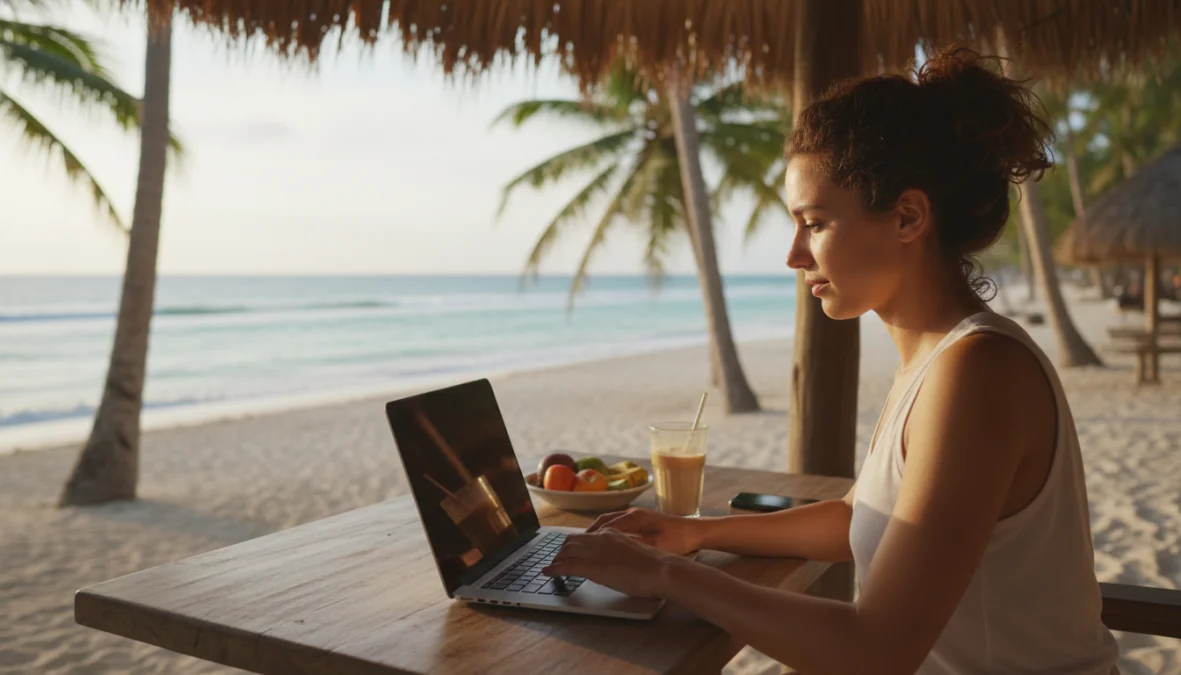
The traditional 9-to-5 office routine isn’t for everyone. If you’ve ever daydreamed about sipping coffee in a Balinese café while answering emails, or exploring European cobblestone streets between video calls, you’re not alone. Learning how to travel full time has become increasingly accessible thanks to remote work opportunities and the growing digital nomad community. But turning this dream into reality requires more than just booking a one-way ticket—it demands careful planning, financial preparation, and a solid understanding of what the nomadic lifestyle actually entails.
Planning Your Full-Time Travel Lifestyle
Transitioning from a settled life to continuous travel isn’t something you do overnight. The nomadic lifestyle guide starts with honest self-reflection: Are you comfortable with uncertainty? Can you handle being away from family and friends for extended periods? These aren’t dealbreakers, but understanding your tolerance for change helps set realistic expectations.
Before you give notice at your apartment, test the waters. Take a month-long trip to experience long term travel tips firsthand. Work remotely from a different city, deal with unreliable wifi, navigate language barriers, and see how you feel after week three when the novelty wears off. This trial run reveals whether you’re genuinely excited about this lifestyle or just craving a vacation.
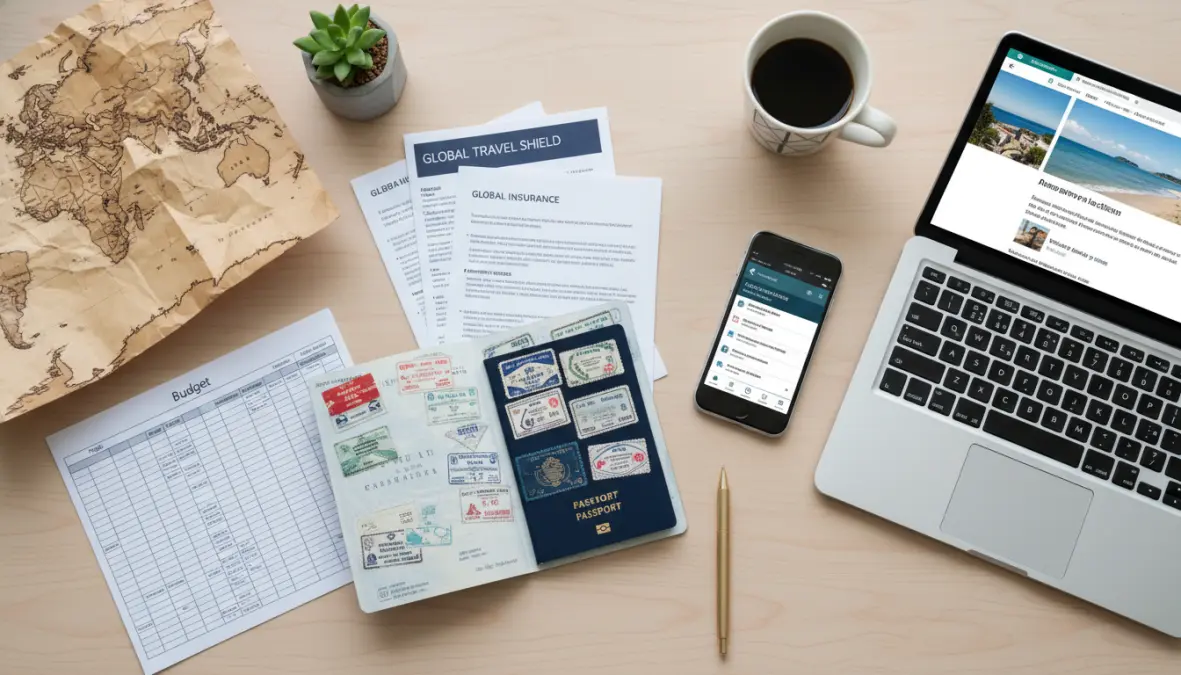
Documentation is crucial. Ensure your passport has at least six months validity and plenty of blank pages. Research visa requirements long stay for your target destinations—some countries offer digital nomad visas, while others require visa runs every 30-90 days. Get comprehensive travel insurance that covers medical emergencies, evacuation, and lost equipment. Companies specializing in travel insurance for nomads understand your unique needs better than standard tourist policies.
Decide what to do with your current housing. Some nomads keep a home base and sublet it, while others sell everything and embrace full mobility. Store sentimental items with family or in a small storage unit, but resist keeping too much—you’ll likely realize how little you actually need.
Financial Preparation and Budgeting
Understanding how to afford traveling full time starts with brutal honesty about numbers. Most experts recommend having 3-6 months of expenses saved before departing, though the exact amount depends on your travel full time budget and risk tolerance. Calculate your monthly burn rate including accommodation, food, transportation, insurance, and a buffer for emergencies and fun.
Your costs will vary dramatically by location. Southeast Asia might run you $1,200-1,800 monthly, while Western Europe could easily hit $3,000-4,000. Travel budgeting tools like Trail Wallet or Mint help track spending across multiple currencies. Open bank accounts with no foreign transaction fees and minimal ATM charges. Cards like Charles Schwab or Wise (formerly TransferWise) are popular among nomads.
The question of full time travel with no savings comes up frequently, but it’s risky. While possible if you secure income immediately, having a financial cushion prevents desperation decisions and allows you to handle emergencies without panic-booking expensive flights home.
Choosing Your Travel Style
The digital nomad lifestyle isn’t one-size-fits-all. Slow travel—spending 1-3 months per location—offers deeper cultural immersion, routine establishment, and better productivity compared to constantly moving every few days. You’ll negotiate better monthly rates on accommodation and waste less time packing, researching, and adjusting to new environments.
Consider whether you’ll maintain one or two base locations throughout the year or move continuously. Many nomads adopt a circuit, returning to favorite cities seasonally. Solo travel offers maximum flexibility, while traveling with a partner or family requires more coordination but provides built-in companionship. Balance work commitments with exploration—you’re not on vacation, so set realistic expectations about how much sightseeing happens during work weeks.
Income Strategies: How to Fund Your Full-Time Travel
The financial reality of how to travel full time centers on income generation. If you’re currently employed, approach your employer about transitioning to remote work. Many companies have become more flexible, and if you’re a valued employee, they might accommodate you rather than lose you. Frame it as a trial period with clear deliverables.
If that’s not an option, full time travel jobs fall into several categories. Freelancing offers quick entry—writing, graphic design, web development, virtual assistance, and consulting are highly portable skills. Platforms like Upwork, Fiverr, and Toptal connect freelancers with clients globally. Full-time remote contracts provide more stability and benefits. Sites like We Work Remotely, Remote.co, and FlexJobs list location independent work opportunities.
For those wondering about best jobs for full time travelers, tech skills consistently rank highest. Software development, UX/UI design, and digital marketing command strong rates and abundant demand. Teaching English online requires minimal experience and provides steady income, though rates vary significantly. Creating online businesses—whether e-commerce, digital products, or content creation—offers scalability but takes longer to generate income.
The realistic answer to making money while traveling full time is that most nomads need $2,000-3,000 monthly minimum to live comfortably in budget-friendly countries while building savings. Diversifying income sources provides security—combine a part-time contract with freelance projects and passive income streams when possible.
Don’t ignore taxes and legality. Research your home country’s tax obligations for citizens abroad. The US, for instance, requires citizens to file regardless of residence. Consider establishing tax residency somewhere with favorable digital nomad tax policies. Consult an accountant familiar with international remote work before departure.

Living the Nomadic Life: Practical Systems for Long-Term Travel
Success in sustainable travel living comes from establishing reliable systems. For accommodation for digital nomads, Airbnb works for initial stays, but once you’re in a location, local Facebook groups, Booking.com’s monthly rates, and direct negotiation with landlords often yield better deals. Always prioritize reliable internet—ask for speed tests, not just “yes, we have wifi.”
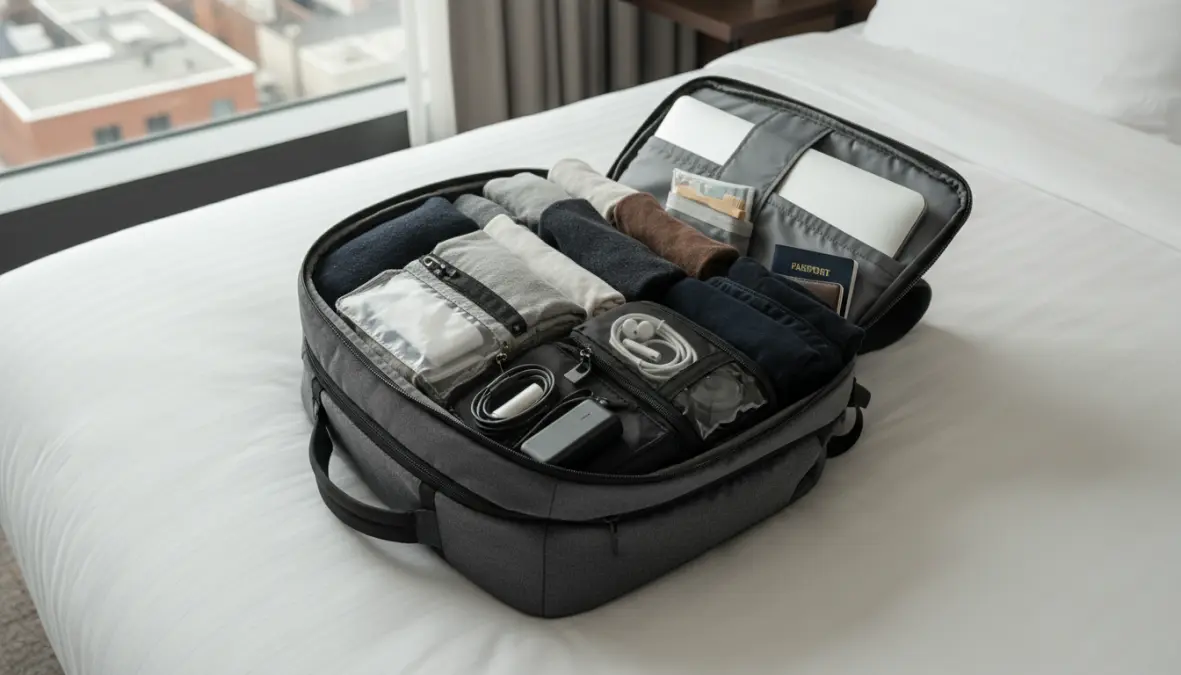
Your tech setup is your office. Invest in a quality laptop, noise-canceling headphones, a portable hotspot for backup internet, and a universal adapter. Embrace minimalist packing—most nomads operate from a 40L backpack or carry-on sized luggage. You’ll do laundry frequently, so pack versatile clothing that layers and dries quickly.
Find your people. Coworking spaces abroad aren’t just about desk space—they’re community hubs where you’ll meet other nomads, get local insights, and combat isolation. Spaces like Selina, Outsite, and local independent coworking cafés host events and facilitate connections. Join Facebook groups and attend meetups in each city.
Time zone management becomes critical when working with clients or teams elsewhere. Tools like World Time Buddy help schedule meetings across zones. Some nomads maintain their home timezone hours, while others adapt to local time—choose based on your work requirements and personal preference.
Combat burnout by establishing routines. Morning coffee at the same café, regular exercise, designated work hours, and intentional exploration time create structure within flexibility. The nomadic lifestyle guide emphasizes that this is a lifestyle, not an extended vacation—burnout is real when you’re constantly “on.”
Maintain relationships back home through scheduled video calls, not just sporadic messages. Plan visits home once or twice yearly if possible. The novelty of your lifestyle may create distance with old friends, but genuine relationships adapt.
Consider environmental impact. Choose slower travel with fewer flights, use public transportation, support local businesses, and be mindful of overtourism’s effects on communities. Sustainable travel living means leaving places better than you found them.
FAQ
How much money do you need to travel full time?
Most full-time travelers need between $1,500-3,000 monthly depending on destinations and lifestyle. Southeast Asia, Eastern Europe, and Latin America are cheaper ($1,200-1,800/month), while Western Europe, Australia, and North America require $2,500-4,000+. Factor in initial setup costs of $2,000-5,000 for equipment, insurance, and first month’s accommodation.
What jobs allow you to travel full time?
Software development, writing, graphic design, digital marketing, virtual assistance, online teaching, consulting, and customer support are popular remote work travel options. Freelancing through platforms like Upwork offers flexibility, while full-time remote positions provide stability. Creating online businesses or digital products enables location independent work with scalable income.
Is it cheaper to travel full time?
It can be, depending on choices. Without rent in expensive home cities, no car payments, and choosing affordable destinations, many nomads spend less than their previous settled life. However, frequent movement increases costs. Slow travel in budget-friendly countries maximizes savings, while constantly hopping between expensive cities costs more than staying home.
How do digital nomads pay taxes?
Tax obligations depend on citizenship and residency. US citizens must file taxes regardless of location, though the Foreign Earned Income Exclusion may apply. Other countries tax based on residency—spending under 183 days annually often means no tax obligation there. Many nomads establish tax residency in favorable jurisdictions or their home country. Always consult an international tax professional.
Can you travel full time with no money?
While theoretically possible, it’s extremely risky and stressful. Some options include workaway programs, volunteering for accommodation, or teaching English without certification in certain countries. However, you’ll still need funds for flights, visas, insurance, and emergencies. Start with at least $3,000-5,000 saved and secured income to avoid desperate situations abroad.
The reality of full-time travel isn’t Instagram perfection—it’s problem-solving visa complications, working through timezone confusion, and occasionally feeling homesick in a gorgeous location. But for those who embrace the challenges alongside the adventures, it’s an incredibly rewarding way to experience the world while building a career on your own terms. Start small, test your assumptions, build your income streams, and gradually transition into the lifestyle. Your adventure is waiting, but take the time to build a foundation that makes it sustainable for years, not just months.