
How to Prevent and Treat Altitude Sickness: Complete Guide for Mountain Travelers
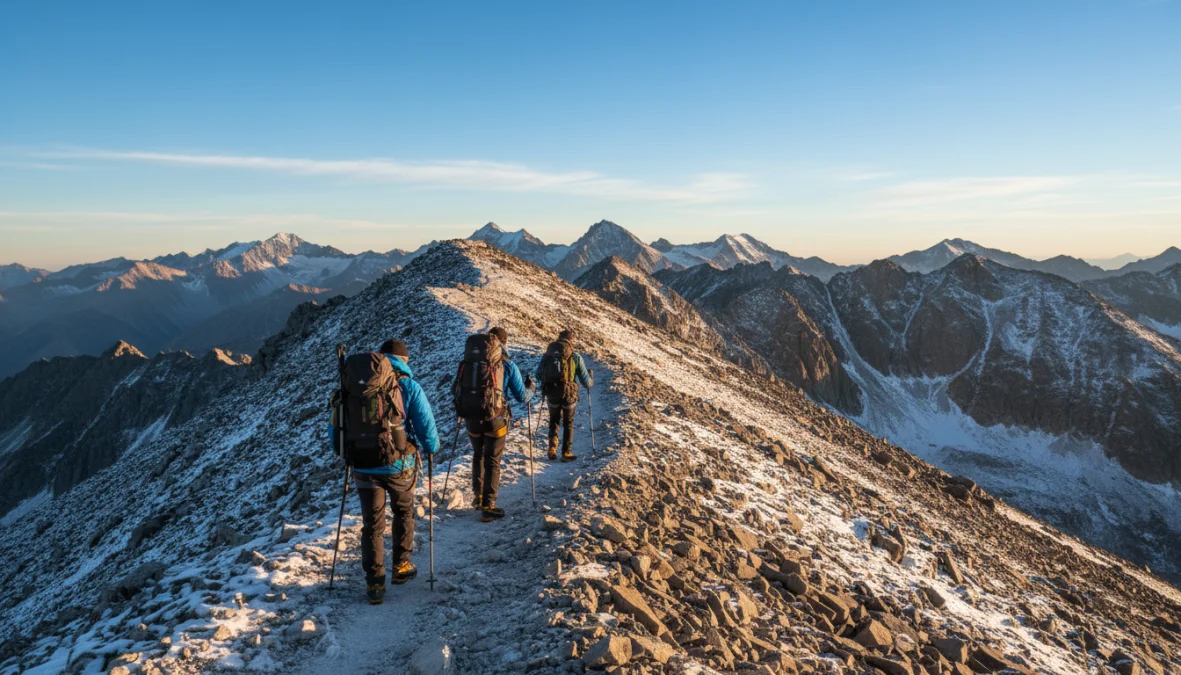
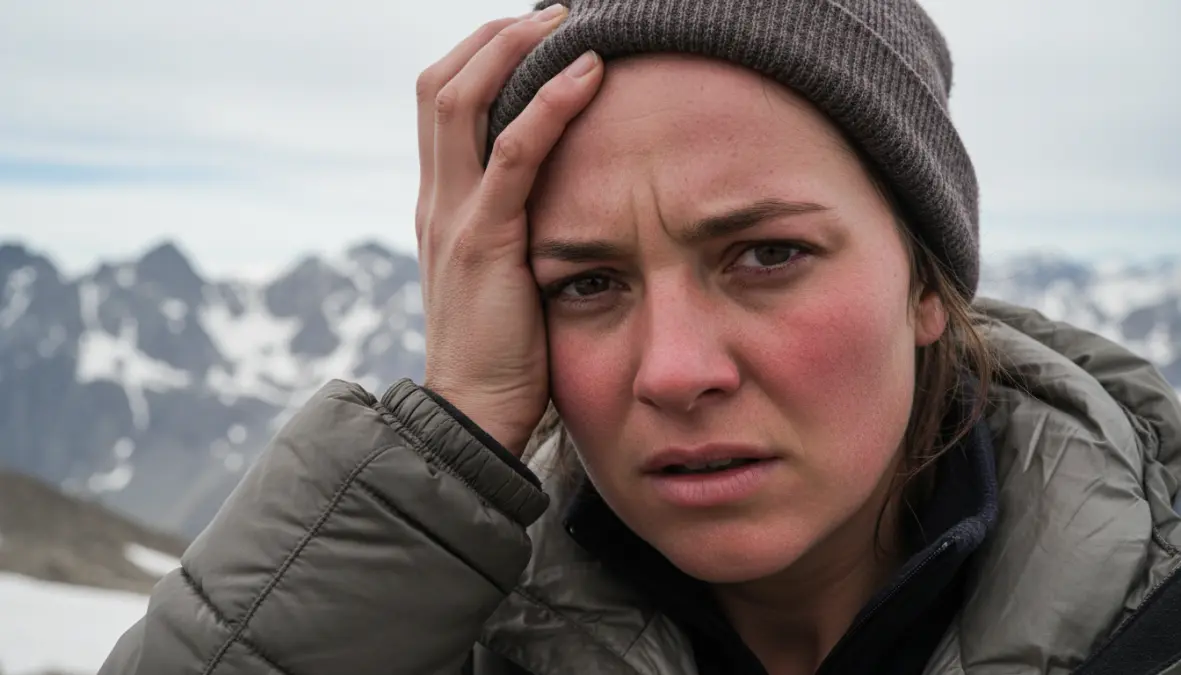
Picture this: you’ve finally made it to that dream mountain destination, the views are breathtaking, and then… boom. A splitting headache hits you like a freight train, nausea creeps in, and suddenly you feel like you’ve got the world’s worst hangover—except you didn’t touch a drop of alcohol. Welcome to altitude sickness, the unwelcome travel companion that affects thousands of mountain adventurers every year. The good news? With proper altitude sickness prevention strategies and knowledge, you can dramatically reduce your risk and enjoy those spectacular high-elevation destinations safely.
Understanding Altitude Sickness: What Happens to Your Body at High Elevations
When you ascend to higher elevations, the barometric pressure drops, which means there’s less oxygen available with each breath you take. Your body notices this deficit—a condition called hypoxia—and starts scrambling to adapt. For most people, acute mountain sickness (AMS) becomes a risk above 2,400 meters (roughly 8,000 feet), though some sensitive individuals can experience symptoms at lower elevations.
High altitude illness comes in three main forms, ranging from uncomfortable to life-threatening. AMS is the mildest and most common form, affecting up to 75% of travelers at elevations above 3,000 meters. Then there’s HACE cerebral edema (High Altitude Cerebral Edema), where fluid accumulates in the brain, and HAPE pulmonary edema (High Altitude Pulmonary Edema), where fluid builds up in the lungs. Both HACE and HAPE are medical emergencies requiring immediate descent.
Common altitude sickness symptoms include:
- Persistent headache (often the first sign)
- Nausea and vomiting
- Dizziness and lightheadedness
- Extreme fatigue despite rest
- Insomnia or disrupted sleep
- Loss of appetite
- Shortness of breath during exertion
Mild symptoms are manageable and often improve with acclimatization, but severe symptoms demand immediate action. Warning signs that require immediate descent include confusion, difficulty walking, severe breathlessness at rest, coughing up pink frothy liquid, or inability to catch your breath even when lying down. Anyone can develop altitude sickness regardless of age or fitness level—even Olympic athletes aren’t immune.
Proven Strategies for Altitude Sickness Prevention
The cornerstone of mountain sickness prevention is understanding that altitude acclimatization takes time—there’s simply no rushing your body’s adaptation process. If you’re wondering how long does it take to acclimate to high altitude, the answer varies by individual and elevation, but a general rule is that your body needs about one to three days to adjust to each 1,000-meter gain above 3,000 meters.
Here are the golden rules for altitude sickness prevention tips for hiking and mountain travel:
Ascend gradually: Above 3,000 meters, don’t increase your sleeping elevation by more than 300-500 meters per day. The key phrase here is “sleeping elevation”—this is where the “climb high, sleep low” strategy comes in. You can hike to higher elevations during the day, but return to a lower altitude to sleep, allowing your body to recover in a more oxygen-rich environment.
Build in rest days: For every 1,000 meters gained, take a rest day at the same elevation before continuing higher. This gives your body crucial time for the acclimatization process to catch up. If you’re planning a trek to destinations like Machu Picchu, factor these acclimatization days into your itinerary from the start.
Stay hydrated: At high altitude, you lose more water through respiration and increased urination. Aim for 3-4 liters of water daily. Your urine should be clear or pale yellow—if it’s dark, you’re not drinking enough.
Avoid alcohol and sedatives: These substances depress breathing and interfere with acclimatization. Save the celebratory drinks for lower elevations.
Eat carbohydrate-rich foods: Carbs require less oxygen to metabolize than fats or proteins, making them ideal fuel at altitude. Think pasta, rice, oats, and bread.
Keep moving (gently): Light exercise helps acclimatization, but avoid overexertion. Your first days at altitude aren’t the time for personal records.
For how to prevent altitude sickness naturally, pre-acclimatization can give you a head start. If possible, spend a few nights at moderate elevations (2,000-2,500 meters) before attempting higher peaks. Some mountaineers even use altitude training tents or visit high-altitude locations weeks before major climbs to boost their oxygen saturation capacity.
Altitude Sickness Medication: When and How to Use Preventive Drugs
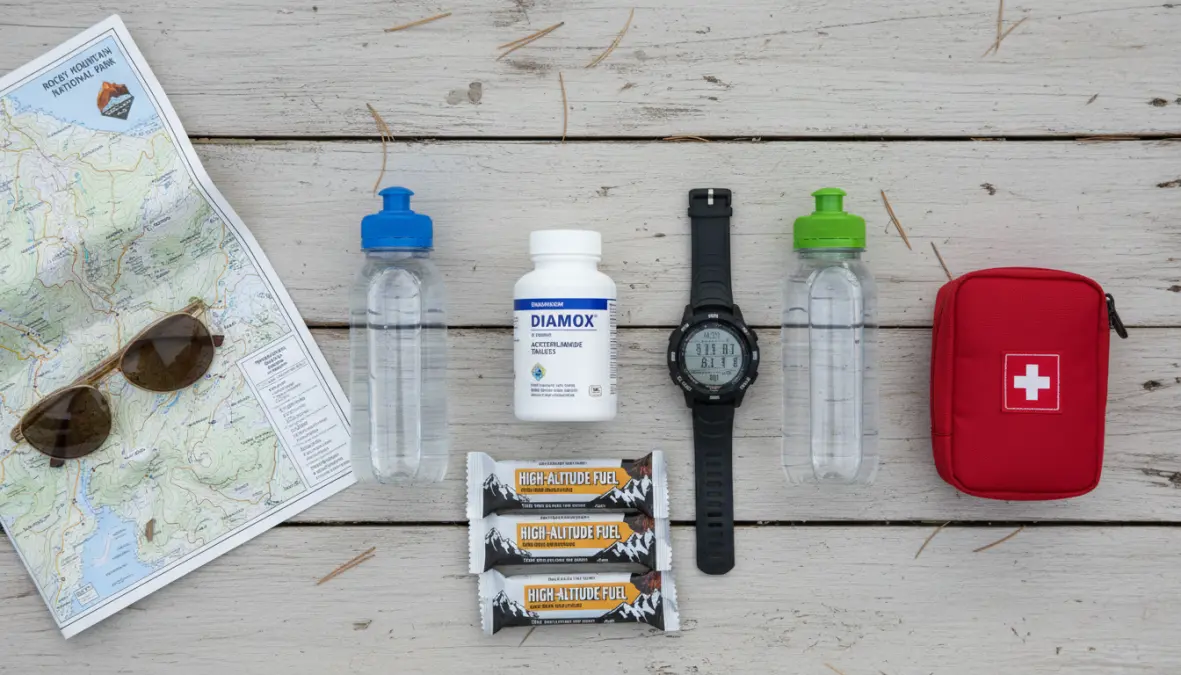
When it comes to altitude sickness medication, acetazolamide (brand name Diamox) is the gold standard for prevention. This medication works by speeding up the acclimatization process—essentially tricking your body into thinking it’s more acidic than it really is, which stimulates breathing and helps maintain better oxygen levels.
The best medicine for altitude sickness prevention protocol typically involves starting acetazolamide 125-250mg twice daily, beginning one day before ascent and continuing for 2-3 days at maximum elevation. Common side effects include tingling in fingers and toes, altered taste (especially with carbonated drinks), and increased urination.
Dexamethasone is an alternative for those who can’t tolerate acetazolamide or need emergency altitude sickness treatment, though it’s typically reserved for treatment rather than prevention. Important: Medications support acclimatization—they don’t replace it. Never rely on pills to let you ascend faster than recommended. Always consult a physician experienced in altitude medicine before your trip, especially if you have pre-existing health conditions.
How to Treat Altitude Sickness: From Mild Symptoms to Emergency Response
So what to do if you get altitude sickness? Your response should be proportional to symptom severity, but always err on the side of caution.
For mild symptoms: Stop ascending immediately—this is crucial. Rest at your current elevation for 24-48 hours while maintaining hydration. Over-the-counter pain relievers like ibuprofen can help with headaches. Monitor your symptoms closely. If they improve, you may be able to continue ascending slowly. If they persist or worsen, descend.
For moderate symptoms: Descend 300-500 meters, which often brings dramatic improvement. If available, supplemental oxygen can help (though it’s a temporary fix, not a cure). Acetazolamide can be used for treatment at 250mg twice daily. Rest until symptoms completely resolve before considering further ascent.
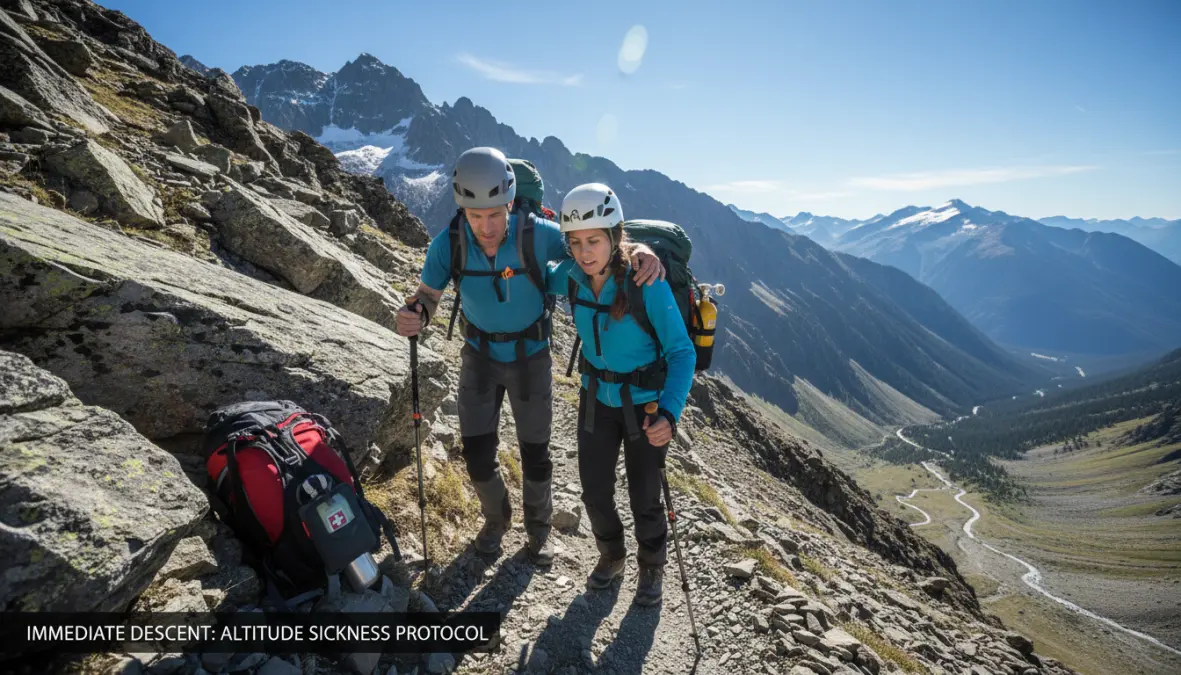
For severe symptoms or emergencies: Descend immediately—even at night if necessary. This is non-negotiable. Delay can be fatal with HACE or HAPE. A portable hyperbaric chamber (Gamow bag) can provide temporary relief while organizing evacuation, but descent remains the definitive treatment. Arrange medical evacuation if descent isn’t immediately possible or symptoms are critical.
For how to treat altitude sickness at home after returning from high elevations, most symptoms resolve within 24-48 hours at lower altitude. Rest, hydration, and time are your best allies. However, if severe symptoms persist after descending, seek immediate medical attention as complications can develop.
The golden rule of altitude safety: never ascend with symptoms, and always descend if they worsen. Your ego isn’t worth your life. Many altitude-related deaths occur because people ignore warning signs or feel pressured to continue. Whether you’re tackling long-term travel adventures or a week-long mountain trek, your health must come first.
FAQ: Common Questions About Altitude Sickness
Can you get altitude sickness at 5,000 feet?
While uncommon, sensitive individuals can experience mild symptoms at 5,000 feet (1,500 meters), though most people don’t notice issues until 8,000 feet (2,400 meters) or higher. Previous altitude tolerance doesn’t guarantee future immunity—each trip is different.
How long does it take to acclimate to high altitude?
Initial acclimatization takes 1-3 days per 1,000-meter elevation gain above 3,000 meters. Full adaptation to extreme altitudes (above 5,500 meters) can take weeks, and complete adaptation above 5,500 meters is impossible—your body gradually deteriorates in the “death zone.”
Does age affect susceptibility to altitude sickness?
Age itself isn’t a significant risk factor. Children, adults, and seniors can all develop altitude sickness equally. However, very young children can’t communicate symptoms effectively, making monitoring more challenging. Fitness level also doesn’t protect you—super-fit athletes get altitude sickness just as often.
Can altitude sickness kill you?
Yes, if untreated. HACE and HAPE are potentially fatal within hours if you don’t descend. Even mild AMS can progress to life-threatening conditions if you continue ascending. This is why recognizing symptoms early and responding appropriately is absolutely critical.
Is it safe to sleep at high altitude with symptoms?
No. The rule is simple: never go higher to sleep if you have symptoms. Sleep naturally depresses breathing, worsening hypoxia. If you have symptoms at your current sleeping elevation, you must descend before sleeping, or at minimum, stay at the same elevation until symptoms resolve.
Does physical fitness prevent altitude sickness?
Unfortunately, no. Physical fitness helps you handle the physical demands of mountain activities, but it doesn’t prevent altitude sickness. In fact, super-fit people sometimes have higher risk because they ascend faster than their bodies can adapt. Acclimatization is the great equalizer.
Understanding altitude sickness prevention and treatment isn’t just about comfort—it’s about safety and potentially saving lives. Whether you’re planning to explore high-altitude destinations like Morocco’s mountain regions or tackling serious peaks, respecting the mountains and your body’s limits will ensure you return with amazing memories rather than a medical emergency. Take it slow, listen to your body, and remember: the mountain will always be there for another attempt, but you only get one body. Happy (and safe) climbing!