Oaxaca Mexico: Complete Cultural Guide to Markets, Mezcal and Monte Alban
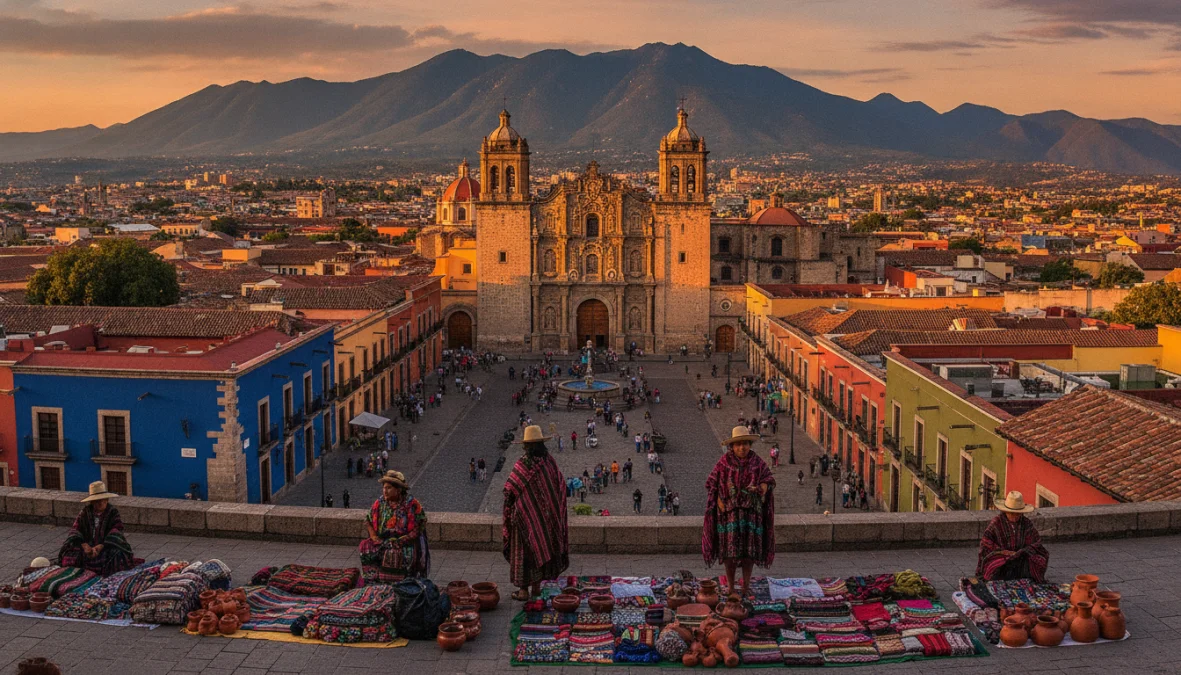
Oaxaca isn’t just another stop on the typical Mexico backpacker trail. This southern Mexican state capital pulses with an authenticity that’s increasingly rare in tourist-heavy destinations. Here, indigenous Zapotec and Mixtec cultures aren’t just historical footnotes – they’re living traditions that shape everything from the mole bubbling in clay pots to the mezcal poured in neighborhood cantinas. If you’re searching for the complete Oaxaca Mexico guide that goes beyond surface-level attractions, you’ve found it. This city offers a cultural depth that transforms casual visitors into devoted repeat travelers.
Why Oaxaca Should Be on Every Traveler’s Mexico Itinerary
When planning your visiting Oaxaca Mexico adventure, you’re essentially booking a front-row seat to Mexico’s most vibrant cultural laboratory. Unlike the resort-lined beaches of Cancún or the colonial polish of San Miguel de Allende, Oaxaca maintains an unvarnished authenticity that serious travelers crave. The city center earned its UNESCO World Heritage designation not just for its Spanish colonial architecture, but for the continuous indigenous cultural practices that predate the conquistadors by millennia.
Oaxaca tourism has exploded in recent years, thanks largely to the city’s gastronomic renaissance. International chefs make pilgrimages here to study the seven classic moles, while food writers fill notebooks documenting techniques passed down through generations. Beyond the food, sixteen distinct indigenous groups maintain their languages, textile traditions, and craft techniques in surrounding villages. You’ll find authentic Zapotec weavings, intricately painted alebrijes, and black pottery that hasn’t changed in production methods for centuries. This isn’t a museum experience – it’s daily life.
Essential Things to Do in Oaxaca: Markets, Mezcal and Ancient Ruins
The best things to do in Oaxaca center around three pillars that define this city’s character: its legendary markets, its mezcal traditions, and the ancient Zapotec ruins that surround it. This Oaxaca city guide section covers the essential Oaxaca Mexico attractions and Oaxaca cultural sites that should anchor your itinerary.
Exploring Oaxaca’s Vibrant Traditional Markets
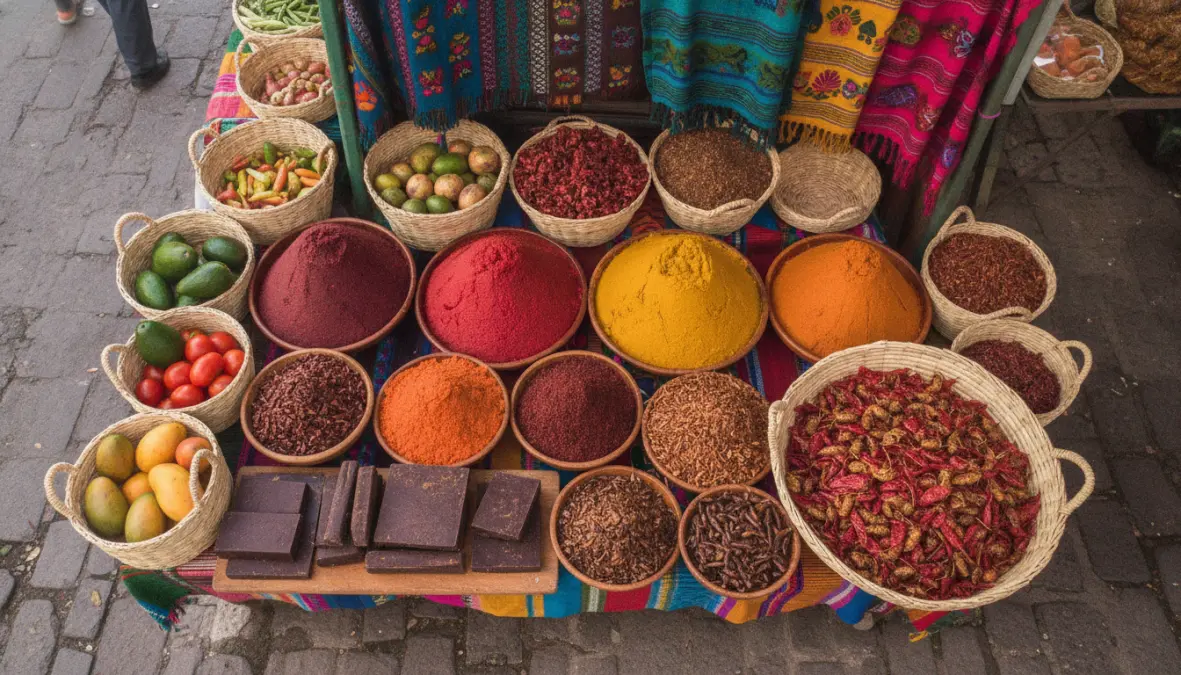
The best markets in Oaxaca Mexico aren’t just shopping destinations – they’re the city’s beating heart. Start at Mercado Benito Juárez, where covered stalls overflow with chapulines (toasted grasshoppers seasoned with garlic and lime), chocolate ground on metates, and mountains of dried chiles in every shade from sunny yellow to deep burgundy. This is where locals shop for everyday items, meaning prices stay reasonable and quality stays high.
Adjacent Mercado 20 de Noviembre specializes in prepared foods, and its famous pasillo de humo (smoke corridor) fills with the aroma of beef, pork, and chorizo sizzling over open flames. Order tlayudas – massive crispy tortillas topped with beans, cheese, and your choice of meat – cooked fresh while you wait. For the most extensive selection, tackle Mercado de Abastos on Saturdays when surrounding villages flood in to sell their goods. You’ll find handwoven textiles, traditional alebrijes carved from copal wood, and regional ingredients you won’t encounter elsewhere. Visit markets early (by 9am) for the best selection and cooler temperatures, though they remain lively until early afternoon.
Mezcal Culture: From Palenques to Tasting Rooms
Understanding oaxaca mezcal tasting tours requires knowing that mezcal differs fundamentally from its famous cousin tequila. While tequila uses only blue agave and comes primarily from Jalisco, mezcal embraces over thirty agave varieties and carries Oaxaca’s terroir in every sip. The traditional production happens in palenques – small-scale distilleries where maestros mezcaleros roast agave hearts in underground pits, crush them with stone wheels turned by horses, and ferment the juice in wooden vats.
The best mezcal distilleries in Oaxaca cluster around Santiago Matatlán, about an hour from Oaxaca City. Visiting a working palenque offers infinitely more than sampling spirits in city bars – you’ll witness centuries-old techniques and understand why artisanal mezcal commands premium prices. Back in the city, Mezcaloteca and In Situ provide curated tastings with knowledgeable staff who explain regional variations. When tasting, sip slowly, coat your palate, and try it with sal de gusano (worm salt) and orange slices. This isn’t about getting drunk – it’s about appreciating a craft tradition that predates Spanish colonization.
Monte Albán: Exploring Oaxaca’s Zapotec Heritage
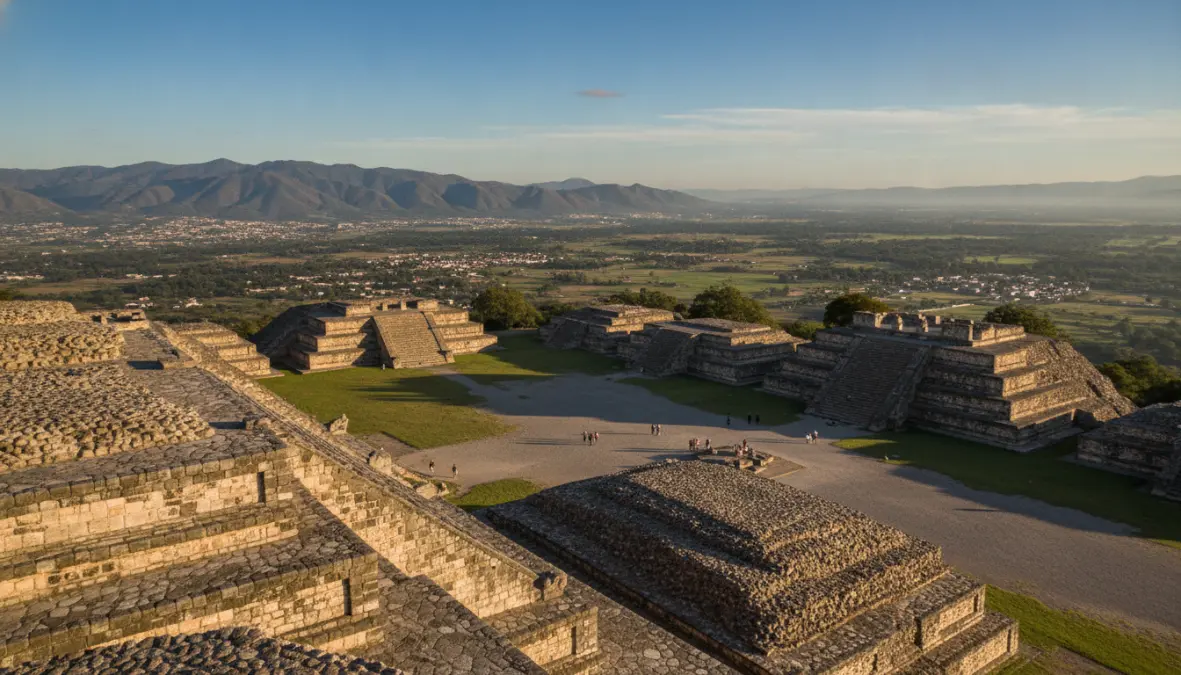
No complete guide to Oaxaca city would be complete without Monte Albán, the ancient Zapotec capital perched on a flattened mountaintop overlooking the valley. This archaeological site rivals anything the Mayans built, with its grand plaza, ball court, astronomical observatory, and elaborate tombs decorated with jade and gold offerings. The Zapotecs leveled this mountain around 500 BCE and built a city that dominated the region for over a thousand years.
Understanding how to visit Monte Alban from Oaxaca is straightforward – taxis and tour vans depart regularly from the city center, taking about thirty minutes. While a Monte Alban ruins guided tour provides valuable historical context, the site is manageable independently with a guidebook. Arrive when gates open at 8am to avoid both crowds and the punishing midday heat that bakes these exposed terraces. Budget three hours minimum to explore the main plaza, climb the platforms for panoramic valley views, and visit the on-site museum displaying artifacts found in the tombs.
After Monte Albán, consider combining your day with Mitla, known for intricate geometric stone mosaics, or the petrified waterfalls at Hierve el Agua, where mineral-laden springs created rock formations resembling frozen cascades. These combinations maximize your time exploring Oaxaca cultural sites outside the city.
Practical Oaxaca Travel Guide: When to Visit and Getting Around
Timing your oaxaca travel guide adventure significantly impacts your experience. Day of the Dead (late October through early November) transforms the city with elaborate altars, cemetery vigils, and special foods honoring deceased loved ones – but expect crowds and premium pricing. The Guelaguetza festival in July brings indigenous dancers from across the state in traditional costumes, though July also means rain. For ideal weather and manageable crowds, visit March through May or September through October.
Oaxaca’s small international airport connects to Mexico City, Tijuana, and Houston, while first-class buses link to Mexico City in about six hours. Once here, the compact historic center is extremely walkable – most major traditional Oaxacan markets to visit, restaurants, and hotels cluster within fifteen blocks of the zócalo (main plaza). For trips to Monte Albán or beach towns like Puerto Escondido, taxis and Uber work well for short distances, while colectivos (shared vans) offer economical transport to surrounding villages and archaeological sites.
Budget-conscious travelers can live comfortably on $40-60 daily including a simple hotel, market meals, and local transport. Mid-range visitors spending $100-150 daily enjoy boutique hotels, mezcal tastings, and nicer restaurants featuring contemporary takes on Oaxacan cuisine. Consider staying near Santo Domingo church for walkable access to everything, or in the Jalatlaco neighborhood for a quieter, residential vibe with excellent cafés. Regarding safety, Oaxaca City ranks among Mexico’s safest destinations – standard urban precautions apply, and most travelers experience zero issues. As with any destination, researching common pitfalls can help, similar to understanding tourist traps worldwide.
FAQ About Visiting Oaxaca Mexico
How many days do you need in Oaxaca?
Plan minimum four days to cover the city’s markets, restaurants, and Monte Albán without rushing. A week allows day trips to Hierve el Agua, mezcal palenques, and artisan villages. Two weeks lets you explore at leisure and take cooking classes or language courses.
Is Oaxaca safe for tourists?
Yes, Oaxaca City is one of Mexico’s safest destinations. Exercise normal precautions like avoiding isolated areas late at night and securing valuables, but violent crime against tourists is rare.
What is Oaxaca most famous for?
Oaxaca’s reputation centers on three pillars: extraordinary mole Oaxaqueño and other traditional foods, artisanal mezcal production, and indigenous cultural traditions including textiles, pottery, and carved alebrijes.
Do I need to speak Spanish in Oaxaca?
Basic Spanish dramatically improves your experience, especially in markets and traditional eateries. However, tourist-oriented businesses typically have English speakers, and locals appreciate any language effort you make.
This Oaxaca Mexico guide barely scratches the surface of what awaits in Mexico’s cultural capital. Unlike destinations that can be checked off in a long weekend, Oaxaca rewards slow travel – the kind where you return to the same market vendor daily, learn to distinguish between espadin and tobala mezcals, and discover that the best Oaxaca Mexico cultural experiences happen when you stop following itineraries and simply absorb the rhythm of daily life. Pack your curiosity alongside your organized luggage, bring an appetite for both food and learning, and prepare to understand why so many visitors end up extending their stays indefinitely.