The Complete Packing Cubes Guide: Master Your Travel Organization System
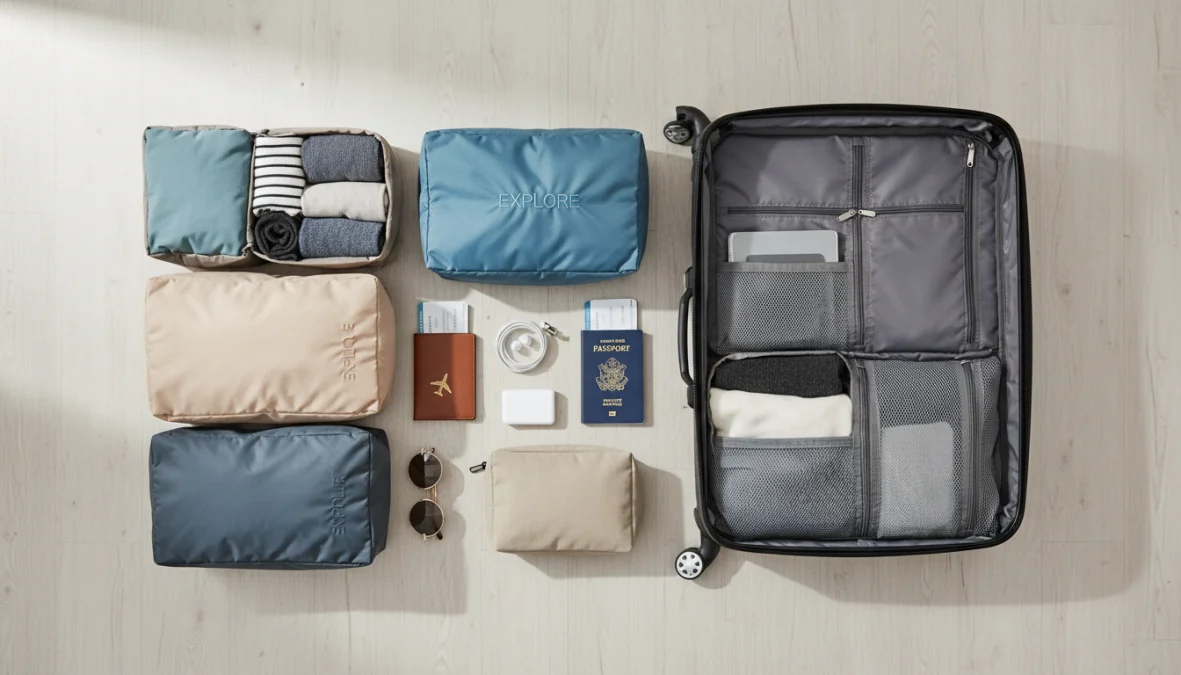
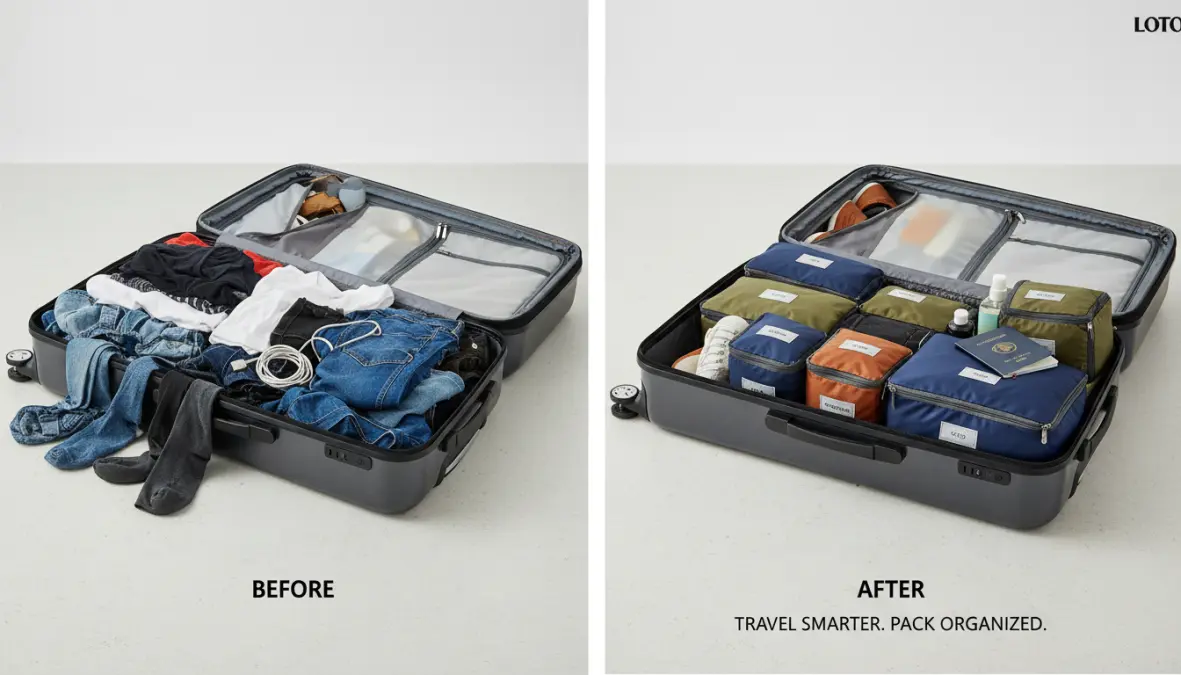
Ever opened your suitcase only to find a chaotic jumble of wrinkled clothes, missing socks, and that one shirt you swore you packed? You’re not alone. But here’s the secret weapon seasoned travelers have been using for years: packing cubes. This packing cubes guide will transform the way you pack forever, turning your luggage from a disorganized mess into a perfectly orchestrated travel system. Whether you’re planning island hopping in Greece or embarking on an African safari adventure, mastering packing cubes will change your travel game completely.
What Are Packing Cubes and Why They’re Essential for Modern Travelers
Packing cubes are lightweight, rectangular fabric containers designed to compartmentalize and organize clothing and travel items inside your luggage. Think of them as dresser drawers for your suitcase. These travel organization accessories typically feature zippered closures and come in various sizes to accommodate different items—from t-shirts and underwear to bulkier items like sweaters or shoes.
While the concept of organizing luggage isn’t new, modern packing cubes evolved in the early 2000s as travel became more accessible and carry-on restrictions tightened. Today’s travelers face increasingly strict baggage limitations, making efficient packing essential rather than optional.
The packing cubes benefits are impressive: studies show travelers can fit approximately 30% more items in their luggage when using a proper organization system. Beyond space efficiency, these simple tools reduce packing time by up to 50%, keep clothes wrinkle-free, and provide instant access to specific items without unpacking your entire bag.
There are two main types: standard packing cubes, which organize without compressing, and compression packing cubes, which feature additional zippers that compress contents to maximize space. Most cubes are made from lightweight nylon, polyester, or ripstop fabric with mesh panels for breathability. The investment—typically between $20-50 for a quality set—pays for itself immediately in reduced stress and improved packing efficiency.
How to Use Packing Cubes: Complete System for Maximum Efficiency
Knowing how to pack a suitcase with packing cubes isn’t just about stuffing clothes into containers—it’s about creating a strategic travel packing system that works for your specific needs. Let’s break down exactly how to organize luggage with packing cubes for maximum results.
Setting Up Your Packing Cube System
The foundation of effective luggage organization tips starts with categorization. The most popular approach is organizing by clothing type: one cube for tops, another for bottoms, a third for undergarments and socks. This method works brilliantly for long-term travelers who need quick access to specific items.
For shorter trips or family vacations, organizing by outfit makes more sense. Pack one complete outfit per cube—shirt, pants, socks, underwear—so you can grab and go each morning. Families traveling together benefit from assigning one color cube per person, eliminating the “whose shirt is this?” confusion.
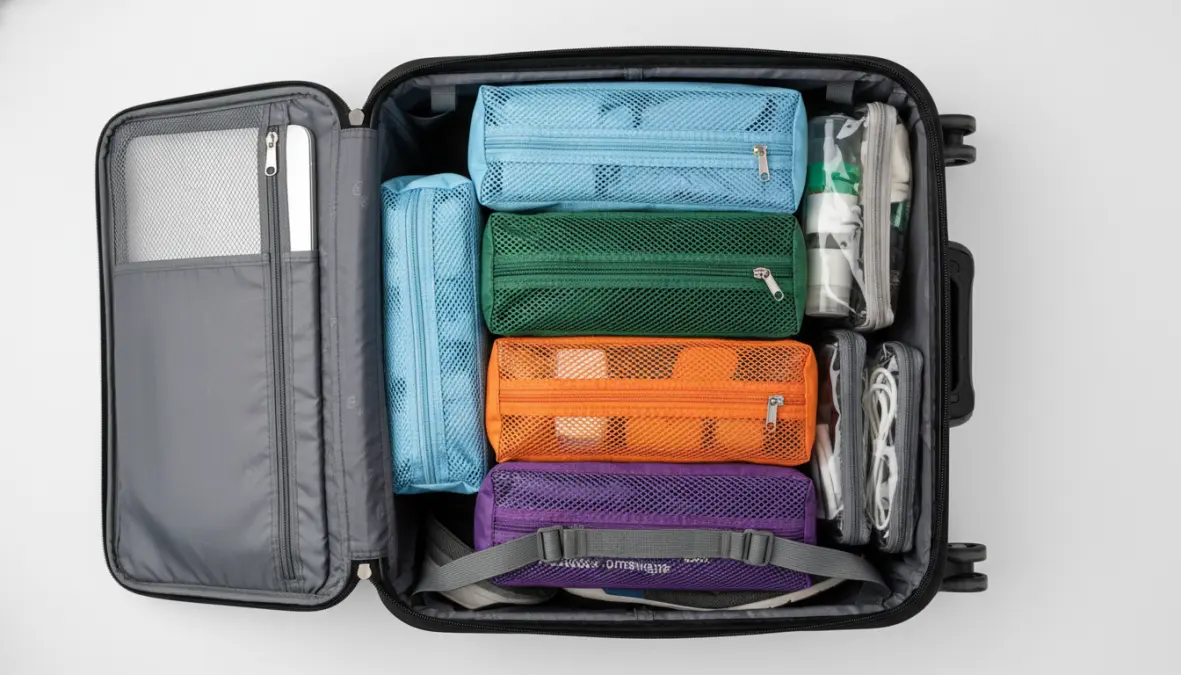
Size strategy matters significantly. Use large cubes for bulky items like jeans or sweaters, medium cubes for shirts and dresses, and small cubes for accessories, electronics, or toiletries. The best packing cubes for carry on luggage typically come in sets of 3-5 varying sizes to accommodate different needs.
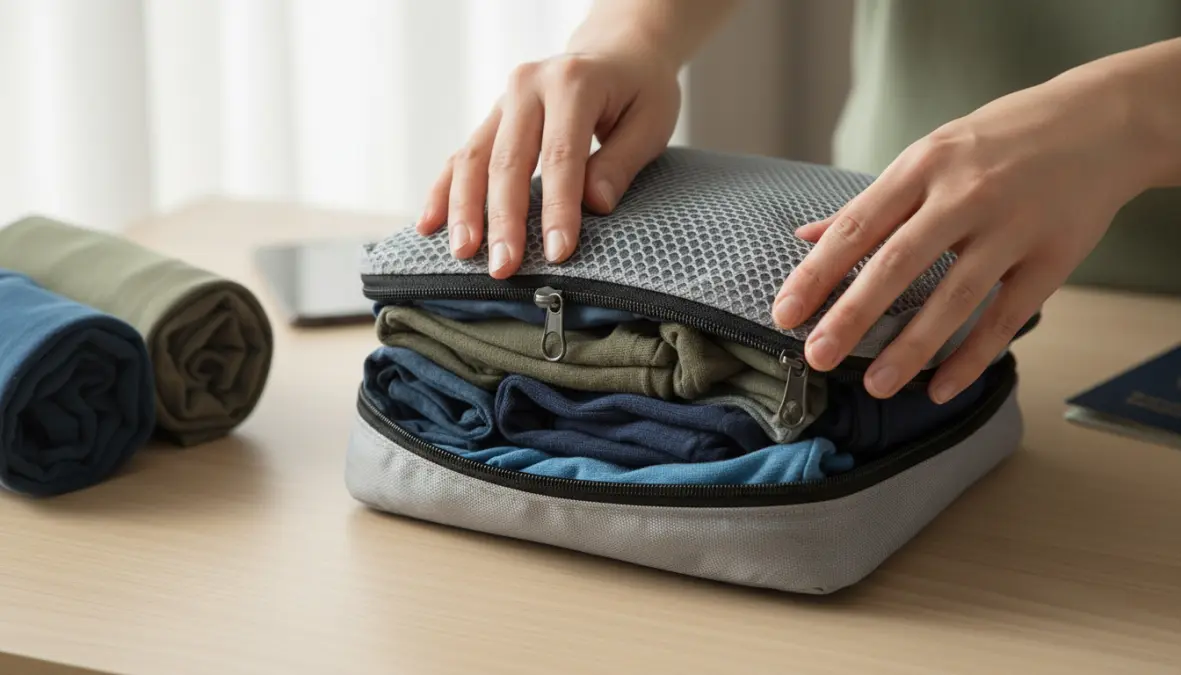
When it comes to the eternal debate of packing cubes vs rolling clothes, the answer is: both! Rolling clothes before placing them in cubes combines the wrinkle-prevention benefits of rolling with the organizational power of cubes. This hybrid approach, known as the bundle method, maximizes both compression and organization.
For optimal suitcase packing methods, think vertical. Stack your cubes on their sides like books on a shelf rather than flat. This technique allows you to see all cubes at once and access any item without disturbing others—game-changing for multi-destination trips where you’re frequently repacking.
Advanced Packing Techniques and Organization Tips
Once you’ve mastered the basics, take your system to the next level with advanced techniques. Compression packing cubes are invaluable for packing cubes for international travel where you need to maximize limited luggage space. Use them strategically for bulky items like sweaters or jackets—you can reduce volume by up to 60% with proper compression.
Different travel styles demand different approaches. Business travelers should dedicate one cube exclusively to dress shirts and another to wrinkle-prone items, using tissue paper between folds. For budget backpacking adventures, prioritize lightweight cubes and aggressive compression to maximize space for essentials.
Here’s a pro tip that will revolutionize your luggage management: designate one cube as your “dirty laundry” container. As you wear items, transfer them to this dedicated cube. This keeps clean and worn items separated, preventing your fresh clothes from absorbing odors. This technique is especially valuable on extended beach vacations where sandy, salty clothes need isolation.
Integrate cubes with other travel storage solutions for a complete system. Pair them with compression bags for coats, shoe bags for footwear, and toiletry organizers for liquids. These complementary travel organizers create a comprehensive baggage organization system where everything has its designated space.
Common mistakes to avoid: overstuffing cubes (they should zip easily), neglecting to label or color-code for family trips, and using too many cubes (which paradoxically creates disorganization). Aim for 3-5 cubes maximum for a standard carry-on.
Choosing the Best Packing Cubes for Your Travel Needs
Not all packing cubes are created equal. When selecting the best packing cubes for your needs, material quality should be your primary consideration. Look for ripstop nylon or high-denier polyester—these fabrics resist tears, repel water, and withstand the rigors of frequent travel. Weight matters significantly; premium cubes weigh just 2-4 ounces each, ensuring your organization system doesn’t eat into precious baggage allowances.
The mesh versus solid panel debate has practical implications. Mesh panels offer visibility and breathability, preventing musty odors during extended trips. However, solid panels provide better compression and privacy for delicate items. Many experienced travelers recommend a hybrid set with both styles for versatility.
For luggage compartments and suitcase dividers, sizing sets typically include small (10″x7″), medium (14″x10″), and large (17″x13″) cubes. A standard 4-5 piece set accommodates most travelers’ needs perfectly. Families should consider purchasing multiple sets in different colors for easy identification.
The compression versus standard decision depends on your travel style. Standard cubes excel for organization without adding bulk—ideal for business travel where wrinkle-prevention trumps space-saving. Compression packing cubes shine for adventure travel, long trips, or when packing bulky winter clothing. Many travelers maintain both types for different trip purposes.
For backpackers and carry-on purists, seek cubes specifically designed for smaller bags—slightly narrower profiles that fit standard backpack dimensions. Those committed to sustainable travel practices can find eco-friendly options made from recycled materials, though these may cost 20-30% more.
Expect to invest $25-40 for a quality starter set from reputable manufacturers. Budget options under $20 exist but often sacrifice durability—false economy if they tear after a few trips. Premium sets ($50-70) offer superior materials, lifetime warranties, and advanced features like antimicrobial linings, but aren’t necessary for occasional travelers. Quality construction indicators include reinforced stitching, YKK zippers, and double-layered fabric at stress points.
FAQ: Common Questions About Packing Cubes
Do packing cubes really save space?
Yes and no. Standard cubes organize but don’t create extra space—they optimize how you use existing space. Compression cubes actively save 15-30% space by compressing contents. The real space-saving comes from better organization allowing more efficient packing.
How many packing cubes do I need?
For a week-long trip, 3-4 cubes suffice: one for tops, one for bottoms, one for undergarments/socks, and optionally one for dirty laundry. Longer trips or families may need 5-7 cubes. Start with a 4-piece set and adjust based on experience.
Can you use packing cubes in a backpack?
Absolutely! Packing cubes are phenomenal for backpacks, preventing the dreaded “black hole” effect where items disappear to the bottom. Choose slimmer profile cubes designed for backpack dimensions for optimal fit.
Are compression packing cubes worth it?
For bulky items, winter travel, or maximizing carry-on space, yes. For business travel prioritizing wrinkle-prevention, standard cubes are better. Many travelers own both types for different scenarios.
Do packing cubes add weight to luggage?
Minimally. Quality cubes weigh 2-4 ounces each, so a four-cube set adds less than one pound—negligible compared to the organization benefits and actual space optimization they provide.
Whether you’re preparing for a trek to Machu Picchu or a simple weekend getaway, this complete travel organization system guide gives you everything needed to pack like a professional. The transformation from chaotic packer to organized traveler starts with one simple purchase and the commitment to a system. Your future traveling self will thank you—probably while effortlessly locating that specific shirt without unpacking your entire suitcase. Now that’s travel freedom.