Mongolia Gobi Desert: Complete Nomad Experience and Dinosaur Valley Guide
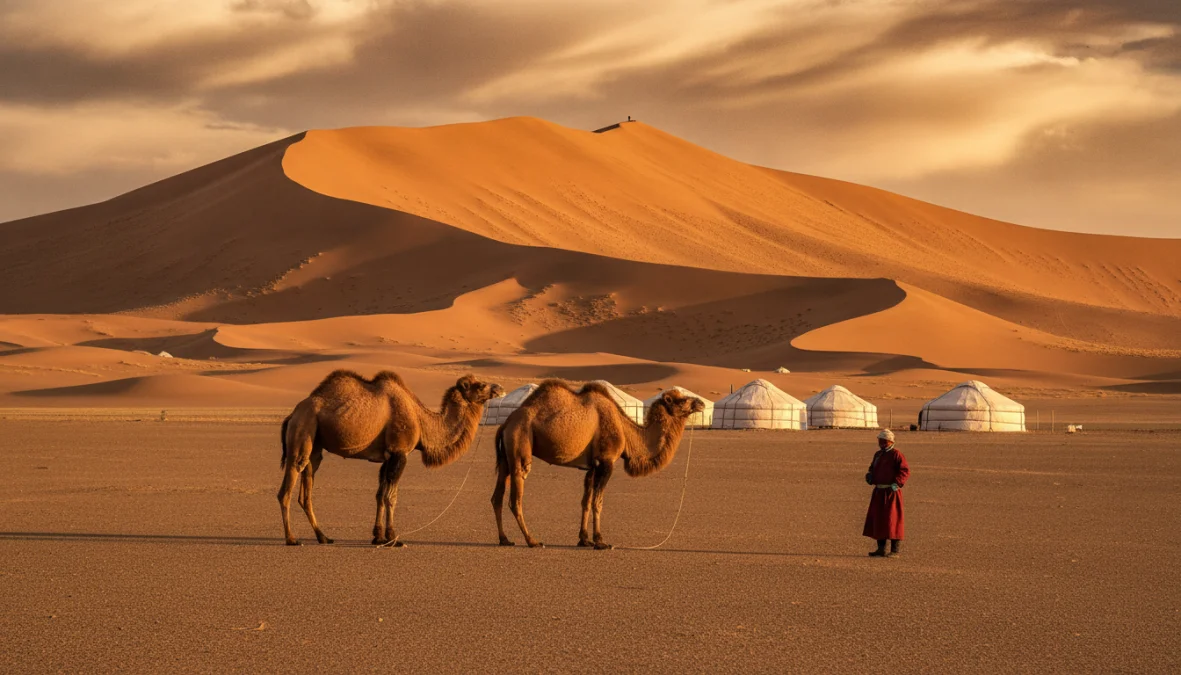
Picture yourself standing atop towering sand dunes as the sun sets over an endless expanse of desert, while two-humped camels graze nearby and nomadic herders prepare for evening in their traditional gers. The Mongolia Gobi Desert offers one of the world’s most authentic adventure experiences, combining dramatic landscapes, incredible paleontological history, and living nomadic culture that has remained largely unchanged for centuries. This vast wilderness stretches across southern Mongolia, revealing secrets from dinosaur fossils discovered nearly a century ago to thriving communities who still follow ancient traditions in one of Earth’s most extreme environments.
Planning Your Mongolia Desert Tour: Essential Travel Information
Understanding how to visit Gobi Desert Mongolia requires careful planning, but the rewards are extraordinary. The best time to visit Gobi Desert is between May and September, when temperatures range from comfortable to hot (15-30°C), though nights can still drop below freezing even in summer. July and August bring occasional rain, transforming parts of the steppe landscape into surprisingly green pastures, while spring (May-June) offers wildflowers and autumn (September) provides stunning photography light with fewer tourists.
Most Gobi desert travel begins with a Gobi Desert tour from Ulaanbaatar, the capital city located about 560 kilometers north of the main desert gateway town of Dalanzadgad. You can fly to Dalanzadgad (1.5 hours, $150-200 round trip) or drive (12-14 hours), though most organized tours handle transportation via comfortable 4WD vehicles. A typical Mongolia desert tour lasts 5-7 days to properly experience the highlights, though condensed 3-day trips are possible if time is limited.
What to pack for Gobi desert trip includes layered clothing (temperatures fluctuate drastically), sun protection (UV intensity is extreme), sturdy hiking boots, sleeping bag for ger camps, water bottles, and basic toiletries. No special permits are required for standard tourist areas, though traveling with a licensed guide (highly recommended) simplifies logistics considerably. Budget $800-1,500 per person for a week-long organized tour including transportation, accommodation in ger camps, meals, and guides—comparable to other adventure destinations like those covered in our Sahara Desert camping guide, though the Gobi offers a distinctly different cultural dimension.
Gobi Desert’s Iconic Landscapes and Natural Wonders
The Gobi Desert Mongolia showcases geological diversity rarely found in other deserts, from massive sand dunes to dramatic cliff formations that reveal millions of years of history. These landscapes have captured imaginations since American explorer Roy Chapman Andrews first ventured here in the 1920s, discovering treasures that changed our understanding of prehistoric life.
Khongoryn Els: The Singing Sand Dunes
The spectacular Khongoryn Els dunes stretch an astounding 180 kilometers long and reach heights of 300 meters, creating one of Asia’s most impressive sand formations. These dunes earned their “singing” reputation from the haunting sound produced when sand cascades down steep slopes—a phenomenon caused by friction between billions of sand grains. The Gobi desert camel trekking experience here is unforgettable, riding two humped camels (Bactrian camels) across golden sands while nomadic families tend their herds nearby. Adventure seekers can also try sandboarding or climb to the summit for sunrise views. Visit early morning or late afternoon to avoid midday heat, and stay at nearby ger camps that offer authentic accommodation just minutes from the dunes.
Bayanzag Flaming Cliffs: Where Dinosaurs Roamed
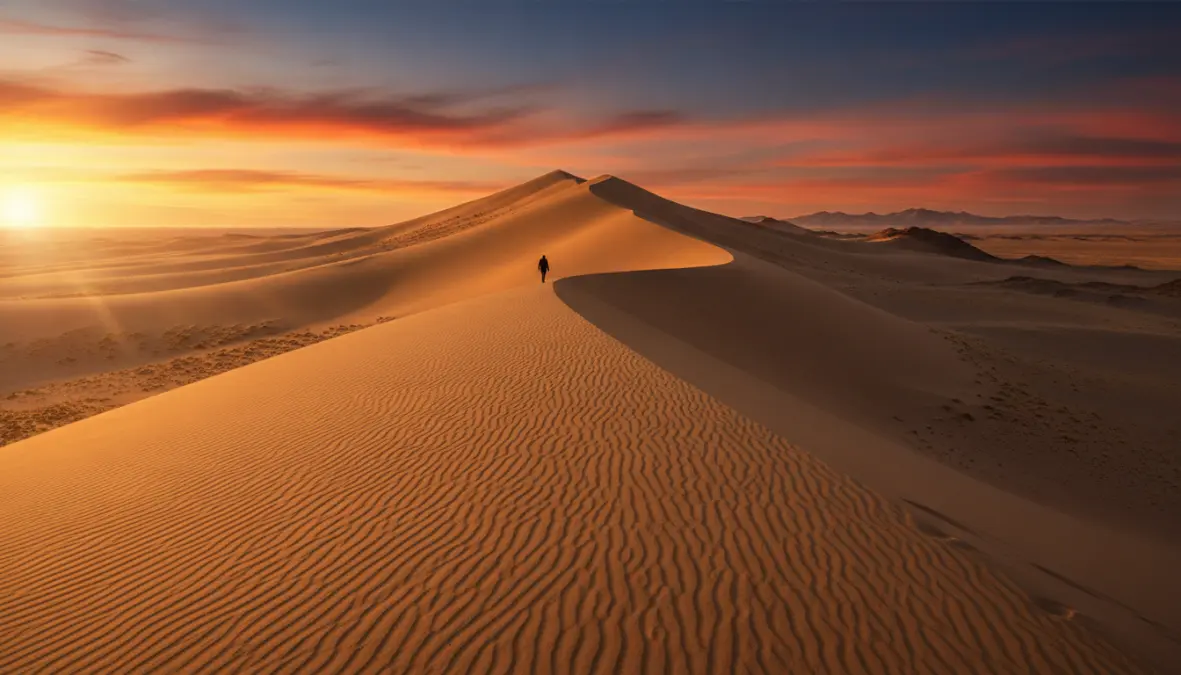
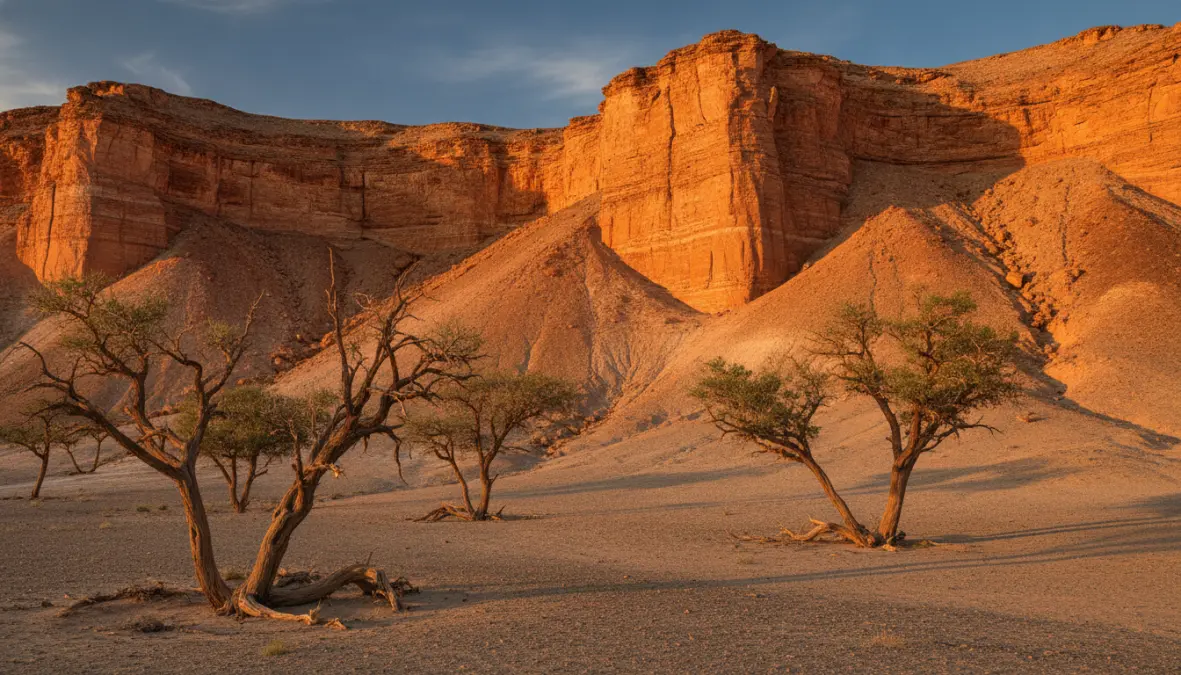
The Flaming Cliffs Mongolia, known locally as Bayanzag, glow brilliant orange-red at sunset, creating a landscape that looks like it’s on fire. This dramatic coloring comes from iron oxide-rich sediments, but the real magic lies beneath the surface. Roy Chapman Andrews made history here in 1923 when his expedition discovered the first known dinosaur fossils Gobi Desert Mongolia had revealed, including complete Protoceratops skeletons and the world’s first dinosaur eggs. This discovery revolutionized paleontology and proved that dinosaurs laid eggs. Today, visitors can walk among the weathered cliffs where these ancient creatures once roamed, though removing fossils is strictly prohibited. The Flaming Cliffs dinosaur valley tour is best experienced near sunset when the rocks truly live up to their name. Nearby Yol Valley Mongolia (Eagle Valley) offers another geological wonder—a narrow gorge that traps ice through summer months despite scorching desert temperatures just kilometers away.
Living with Gobi Desert Nomads: An Authentic Cultural Experience
Beyond landscapes, the Mongolia Gobi Desert provides rare opportunities to experience genuine nomadic culture with families who maintain centuries-old traditions. The Gobi desert nomads are primarily herders who raise camels, goats, sheep, and horses, moving seasonally to find grazing land across the harsh terrain. A Gobi desert nomad family stay offers insight into this remarkable lifestyle that persists despite modern pressures.
Staying in a traditional ger (the Mongolian word for yurt) with a nomadic family means embracing simplicity and hospitality. These portable felt-covered dwellings have housed Mongolian families for millennia, designed to withstand extreme temperatures and fierce winds while remaining mobile. Your hosts will likely offer traditional foods including airag (fermented mare’s milk), buuz (steamed dumplings), and dairy products. Expect basic facilities—pit toilets, no running water, and sleeping on mats—but genuine warmth from families eager to share their world.
Activities during a nomad homestay might include helping milk camels or goats at dawn, riding two humped camels across the desert, learning to cook traditional meals, or simply observing daily rhythms dictated by animal care rather than clocks. Communication can be challenging as few nomadic families speak English, but guides bridge this gap, and universal gestures of kindness transcend language barriers. Bringing small gifts like school supplies for children or practical items like tea, sugar, or batteries is appreciated but not expected.
When photographing nomadic families, always ask permission first and respect if someone declines—photography etiquette matters deeply. Book authentic homestays through reputable tour operators who ensure fair compensation reaches families directly, supporting sustainable tourism that benefits local communities. The best areas for meeting nomadic families include regions around Bayanzag and near the Khongoryn Els, where tourism has created mutually beneficial relationships between visitors and herders. This cultural exchange rivals experiences found in destinations covered in our guide to long-term travel, offering transformative perspectives on alternative lifestyles.
Frequently Asked Questions
How many days do you need in the Gobi Desert?
A minimum of 5-7 days allows you to visit major highlights like Khongoryn Els dunes, Flaming Cliffs, Yol Valley, and experience nomadic culture without exhausting travel. Three-day trips are possible but feel rushed given the vast distances. Extended 10-day expeditions let you explore remote areas and truly disconnect from modern life in this remarkable wilderness.
Is it safe to travel to the Gobi Desert?
Yes, the Gobi Desert is very safe for tourists. Crime rates are extremely low, and nomadic communities are welcoming. The main risks are environmental—extreme temperature changes, dehydration, and getting lost—which are easily managed by traveling with experienced guides, carrying adequate water, and respecting the harsh climate with proper preparation and equipment.
What is the best time to visit the Gobi Desert Mongolia?
May through September offers the most comfortable weather, with June and September being ideal for fewer crowds and excellent photography light. July-August brings warmest temperatures but occasional rain. Avoid winter (November-March) unless you’re specifically seeking extreme cold experiences, as temperatures plummet to -40°C and many ger camps close for the season.
Can you see wild camels in the Gobi?
Wild Bactrian camels still exist in the Gobi but are critically endangered with only about 1,000 remaining in remote protected areas. Seeing them requires specialized expeditions to the far western Gobi. However, you’ll encounter many semi-wild and domesticated two-humped camels owned by nomadic families, offering excellent opportunities for camel trekking and photography throughout standard tour routes.
How much does a Mongolia desert tour cost?
Budget $800-1,500 per person for a comprehensive 5-7 day Gobi tour including transportation from Ulaanbaatar, ger camp accommodation, meals, guides, and major attractions. Flying to Dalanzadgad adds $150-200. Independent travel can reduce costs but requires significant logistical effort. Luxury tours with upgraded accommodations range $2,000-3,000. Group tours typically cost less per person than private arrangements.
Do I need a guide for Gobi Desert travel?
While not legally required, hiring a guide is strongly recommended for the Gobi. Roads are unmarked dirt tracks requiring navigation expertise, English is rarely spoken outside Ulaanbaatar, and guides provide crucial cultural context, handle logistics, and ensure safety. Independent travel is possible for experienced adventurers with 4WD vehicles and GPS, but most visitors find guided tours vastly superior in value and experience.
The Mongolia Gobi Desert delivers an adventure unlike any other—a place where ancient landscapes meet living traditions, where you can stand on dinosaur discovery sites in the morning and share tea with nomadic families by evening. Whether you’re drawn by the towering sand dunes, the paleontological history, or the chance to experience authentic nomadic culture, this remarkable desert rewards those willing to venture beyond typical tourist destinations with memories that last a lifetime.