Machu Picchu Travel Guide: Everything You Need to Plan Your Perfect Journey
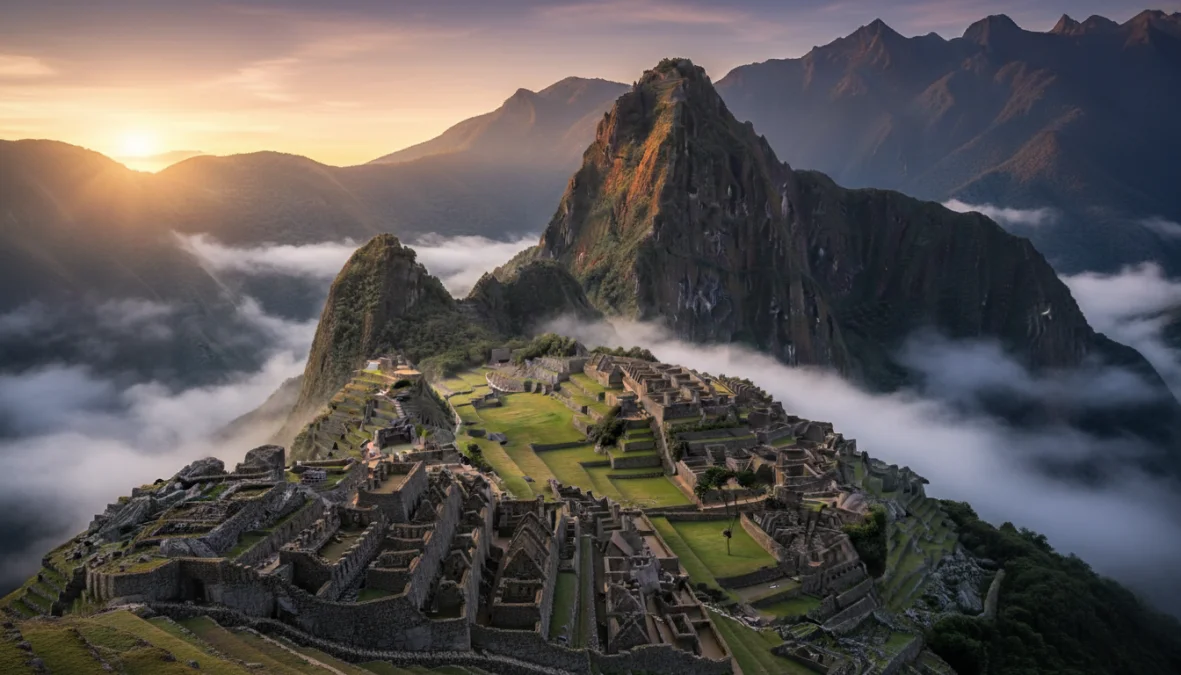
Standing atop the misty peaks of the Andean mountains, gazing at the ancient stone structures of Machu Picchu, you’ll understand why this Inca citadel is one of the world’s most sought-after destinations. But getting there? That’s where most travelers hit a wall of confusion. Don’t worry—this machu picchu travel guide cuts through the noise and gives you everything you need to plan an unforgettable journey to Peru’s crown jewel, whether you’re a budget backpacker or a luxury traveler seeking comfort in the clouds.
Planning Your Visit: Tickets, Tours, and Best Time to Go
Here’s the deal: you can’t just show up at Machu Picchu anymore. Machu picchu tickets must be purchased in advance—sometimes weeks or even months ahead, especially during peak season. The Peruvian government has implemented strict visitor limits to preserve this UNESCO World Heritage site, so planning is non-negotiable.
There are different ticket types to consider when visiting machu picchu. The standard Machu Picchu-only ticket gets you into the main citadel, but if you’re feeling adventurous, spring for the combo ticket that includes huayna picchu, the dramatic peak looming behind the ruins. Only 200 people per day can climb Huayna Picchu, and those permits sell out fast. There’s also Machu Picchu Mountain as an alternative if Huayna Picchu is booked.
When it comes to machu picchu tours, you’ve got options. Guided tours offer expert insight into Inca history and architecture—guides can now be required for certain circuits depending on current regulations. Independent visits give you freedom to explore at your own pace, though you’ll miss out on the rich stories only local guides can tell. My advice? Book a guided tour for your first visit, then return independently if you’re smitten.
The best time visit machu picchu is during the dry season from April to October, when clear skies and minimal rain make for spectacular views and comfortable hiking conditions. June through August sees the biggest crowds but also the best weather. The rainy season (November to March) means fewer tourists, lush green landscapes, and significantly cheaper prices—but pack serious rain gear and prepare for occasional trail closures. January and February can be particularly wet, with maintenance closures sometimes occurring.
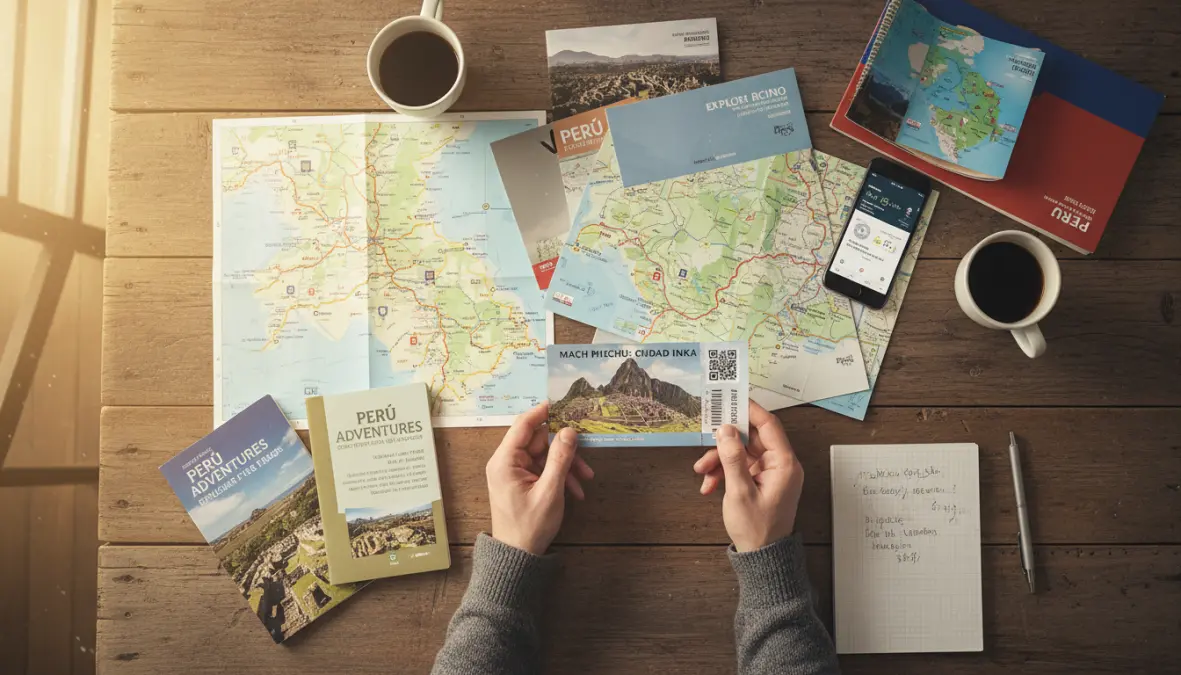
Getting to Machu Picchu: Routes from Cusco and Transportation Options
Your journey to machu picchu Peru starts in Cusco, the ancient Inca capital. Most international travelers fly into Lima, then catch a connecting flight to Cusco. Budget at least two days in Cusco for altitude acclimatization—the city sits at 11,150 feet, and altitude sickness is no joke. Drink coca tea, take it easy, and let your body adjust before tackling Machu Picchu.
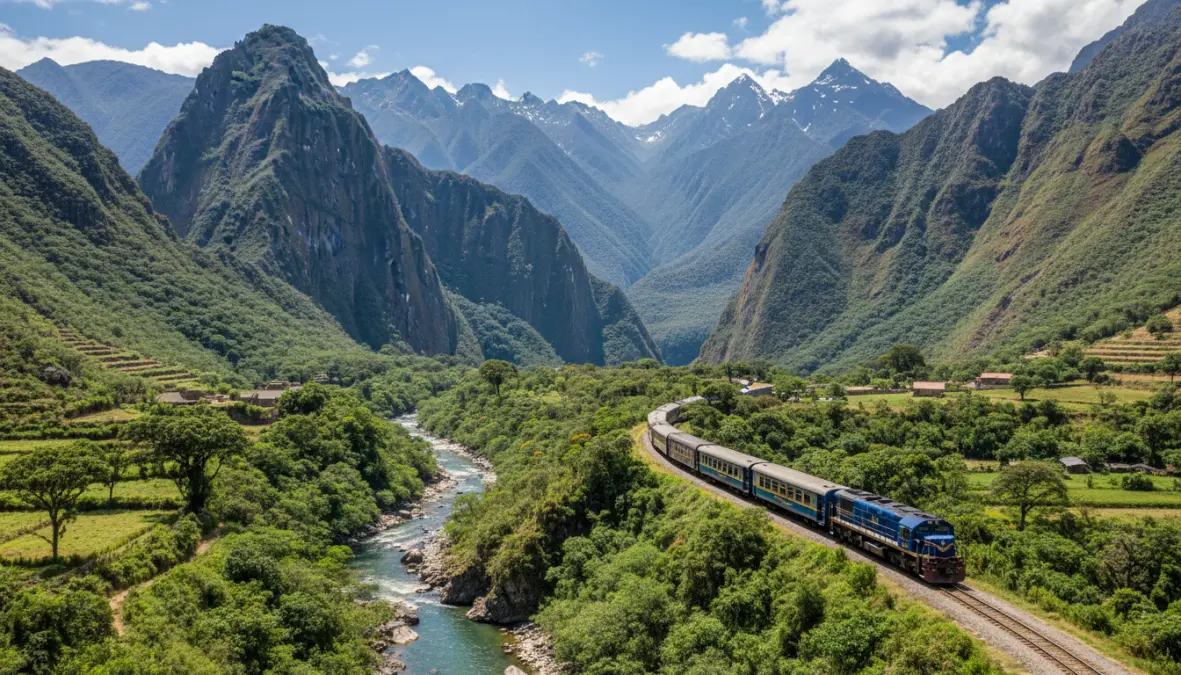
Understanding how to get to machu picchu from cusco involves choosing between several routes. The most popular and comfortable option is the perurail train from either Ollantaytambo or Poroy station. The journey to aguas calientes (officially called Machu Picchu Pueblo) takes about 1.5 to 3.5 hours depending on your departure point. From Aguas Calientes, you’ll either take a 30-minute bus ride up the switchbacks or hike the steep stairs—a budget-friendly option that takes about 90 minutes.
For the best way to visit machu picchu on a budget, consider taking a colectivo (shared van) from Cusco to Ollantaytambo, then the train to Aguas Calientes. Stay overnight in Aguas Calientes to catch the first bus up at 5:30 AM—you’ll beat the crowds and potentially see sunrise over the ruins.
If you’re into machu picchu hiking, the classic inca trail is the holy grail of treks. This 4-day, 26-mile journey follows ancient Inca pathways through the sacred valley, passing multiple inca ruins before arriving at the Sun Gate with a jaw-dropping view of Machu Picchu at sunrise. Permits are limited to 500 people per day (including guides and porters) and sell out 6 months in advance for peak season. You must book through a licensed tour operator—no exceptions.
Can’t get an Inca Trail permit? The Salkantay Trek offers a stunning alternative, winding through diverse ecosystems from snow-capped peaks to cloud forest. It’s slightly longer (5 days) and considered more challenging, but doesn’t require the same permit restrictions. Other options include the Lares Trek and the budget-friendly Inca Jungle Trek, which combines hiking, biking, and optional zip-lining. Each route offers unique perspectives of the Andean mountains and varying levels of difficulty.
What to Expect During Your Visit: Rules, Facilities, and Pro Tips
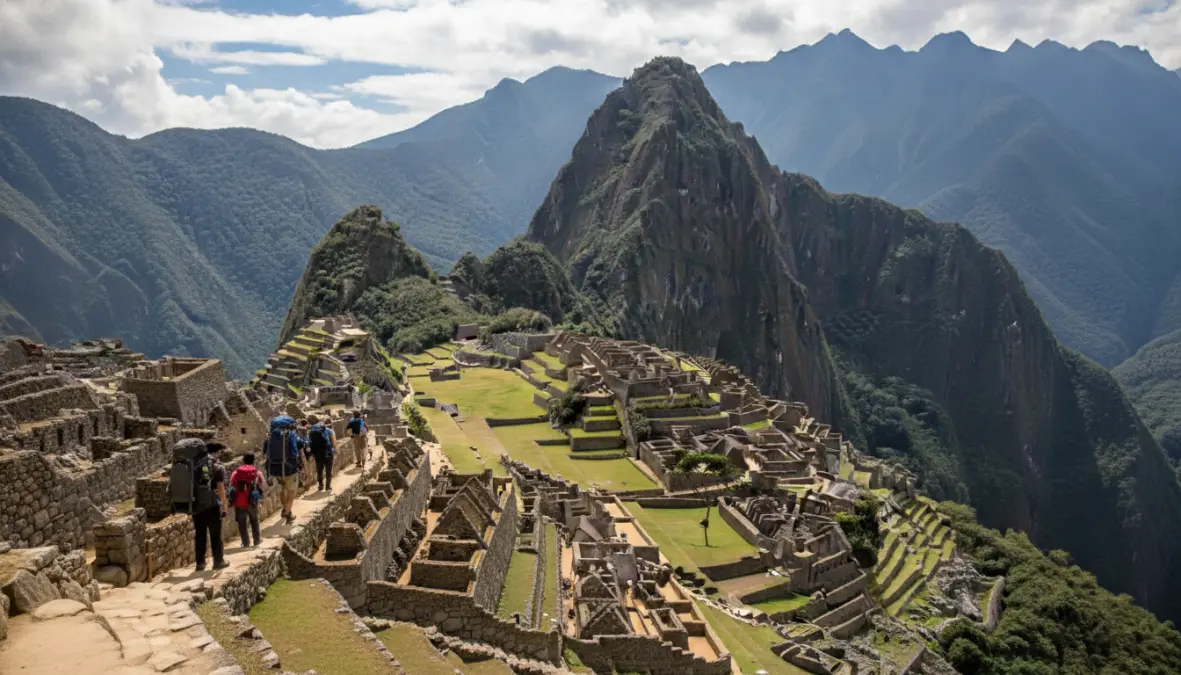
Modern visiting machu picchu comes with strict regulations. The site now operates on a circuit system with designated routes and time slots—you can’t wander freely like in the old days. Most visitors follow Circuit 2, which covers the classic postcard views and main structures. Once you exit a circuit, you cannot re-enter, so plan accordingly.
Knowing what to pack for machu picchu trip makes a huge difference. Bring sunscreen, insect repellent, a reusable water bottle, snacks (technically not allowed inside but rarely enforced for small items), rain jacket, and comfortable hiking shoes. Backpacks larger than 40 liters aren’t permitted inside, and trekking poles must have rubber tips. Leave drones, professional camera equipment, and large bags at your hotel or in the storage facility outside the entrance.
For machu picchu altitude sickness prevention, remember that while the citadel sits at 7,970 feet (lower than Cusco), the combination of altitude and physical exertion can still trigger symptoms. Stay hydrated, avoid alcohol the night before, and consider altitude medication if you’re particularly sensitive. Most visitors spend 3-4 hours exploring the site—how many days needed for machu picchu depends on whether you’re hiking or taking the train, but budget at least 2-3 days total including travel time.
Here are insider tips you won’t find in most guides: arrive as early as possible (the 6 AM entry slot is golden), hire a guide at the entrance if you didn’t book one in advance (they’re reasonably priced and worth every sol), and save your bladder—restrooms are only available outside the main entrance. The town of Aguas Calientes itself deserves a few hours: soak in the hot springs, browse the artisan market, and try the local trout at riverside restaurants.
Frequently Asked Questions
How much does it cost to visit Machu Picchu? The machu picchu entrance fee and booking for foreign adults is around 152 soles ($40 USD) for the basic ticket. Combo tickets with Huayna Picchu or Machu Picchu Mountain cost more. Train tickets range from $60-$200+ round trip depending on class and departure point. Total budget: expect $150-$400+ per person for a day trip from Cusco.
Do I need a guide? As of recent regulations, guides are mandatory for all visitors. You can book in advance through tour operators or hire one at the entrance. Guides cost approximately $20-$30 for a group tour (2-3 hours).
Can I visit without booking in advance? No. All tickets must be purchased online in advance at the official government website or through authorized travel agencies. Last-minute tickets may be available during low season but don’t count on it.
How difficult is the hike to Machu Picchu? If you’re taking the bus from Aguas Calientes, there’s minimal hiking inside the site (uneven terrain with stairs). The stair climb from Aguas Calientes is steep but manageable for most. The Inca Trail is strenuous and requires moderate to good fitness.
What should I wear? Layers are essential—mornings are cool, midday can be warm. Wear moisture-wicking clothes, sturdy hiking shoes with good grip, a hat, and bring a rain jacket. The weather in the cloud forest changes quickly.
Is altitude sickness a concern? Machu Picchu itself is lower than Cusco, but the combination of altitude and exertion affects some people. Proper acclimatization in Cusco, staying hydrated, and taking it slow usually prevent serious issues. Consider consulting a doctor about altitude medication if you’re concerned.
Your journey to Machu Picchu is more than checking a box on your bucket list—it’s stepping into a mystery that has captivated explorers for over a century. With proper planning, the right timing, and realistic expectations about crowds and regulations, you’ll create memories that rival the ancient stones themselves. The inca citadel may be centuries old, but the wonder it inspires is timeless. Now stop reading and start booking—those tickets won’t reserve themselves, and adventure is calling from the mountaintops of Peru.