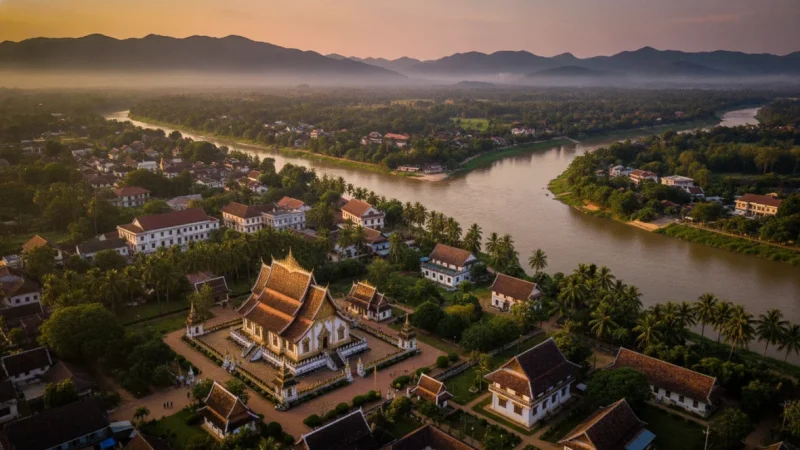
Bagan Temples Myanmar: Complete Guide to Ancient Pagodas and Hot Air Balloon Adventures
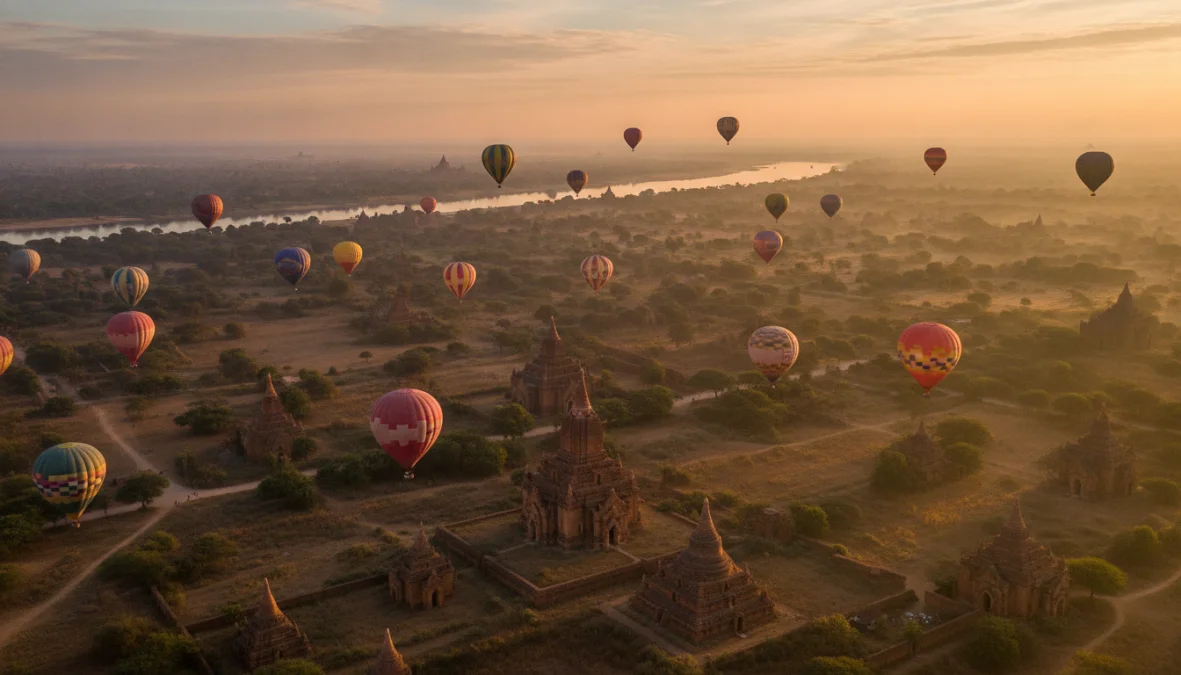
Imagine standing among thousands of ancient brick temples scattered across a misty plain, watching the sun paint the sky in shades of pink and gold while hot air balloons drift silently overhead. This isn’t a fantasy—it’s a typical morning at the bagan temples myanmar, one of Southeast Asia’s most breathtaking archaeological wonders. With over 2,200 sacred structures dotting the landscape, Bagan offers an unforgettable journey through history, spirituality, and sheer architectural magnificence that rivals even Machu Picchu’s mystical appeal.
Discovering the Bagan Archaeological Zone: Myanmar’s Ancient Temple Kingdom
The bagan archaeological zone represents the heart of Myanmar’s cultural heritage. Between 849 and 1297, this capital of the Pagan Kingdom witnessed the construction of over 10,000 Buddhist temples, pagodas, and monasteries—a testament to the kingdom’s devotion and prosperity. Today, approximately 2,200 ancient temples myanmar structures survive, creating the world’s largest concentration of Buddhist monuments in a single location.
What makes this myanmar temple complex truly special isn’t just the quantity, but the incredible variety. You’ll find everything from massive pyramid-style temples to delicate golden stupas, each telling stories of different architectural influences and religious devotions. In 2019, UNESCO officially recognized Bagan as a World Heritage Site, cementing its status among the planet’s most important cultural treasures.
The best time to visit bagan temples is during the cool, dry season from November to February, when temperatures hover around a comfortable 70-80°F. The rainy season (June-October) coincides with balloon season starting in October, offering a unique trade-off. The archaeological zone divides into three main areas: Old Bagan (the ancient walled city with premium hotels), New Bagan (a relocated village with budget accommodations), and Nyaung U (a bustling town with markets and diverse lodging options near the Irrawaddy River).
Getting around requires planning. Most visitors rent e-bikes (around $5-7 daily) for flexible exploration, though horse carts, private cars with drivers, and organized tours are available. The bagan temples entrance fee is 25,000 kyat (approximately $15-20 depending on exchange rates), valid for five days and checked at major temples. The zone spans roughly 40 square kilometers in the Mandalay region, so budget at least 2-3 days to appreciate its scale properly.
Must-Visit Bagan Pagodas and Temples: From Sunrise Spots to Architectural Marvels
With how many temples in bagan myanmar? Over 2,200 options means choosing wisely. The best temples to visit in bagan offer a mix of architectural significance, historical importance, and practical viewing opportunities. Let’s explore the essential stops that should anchor your itinerary.
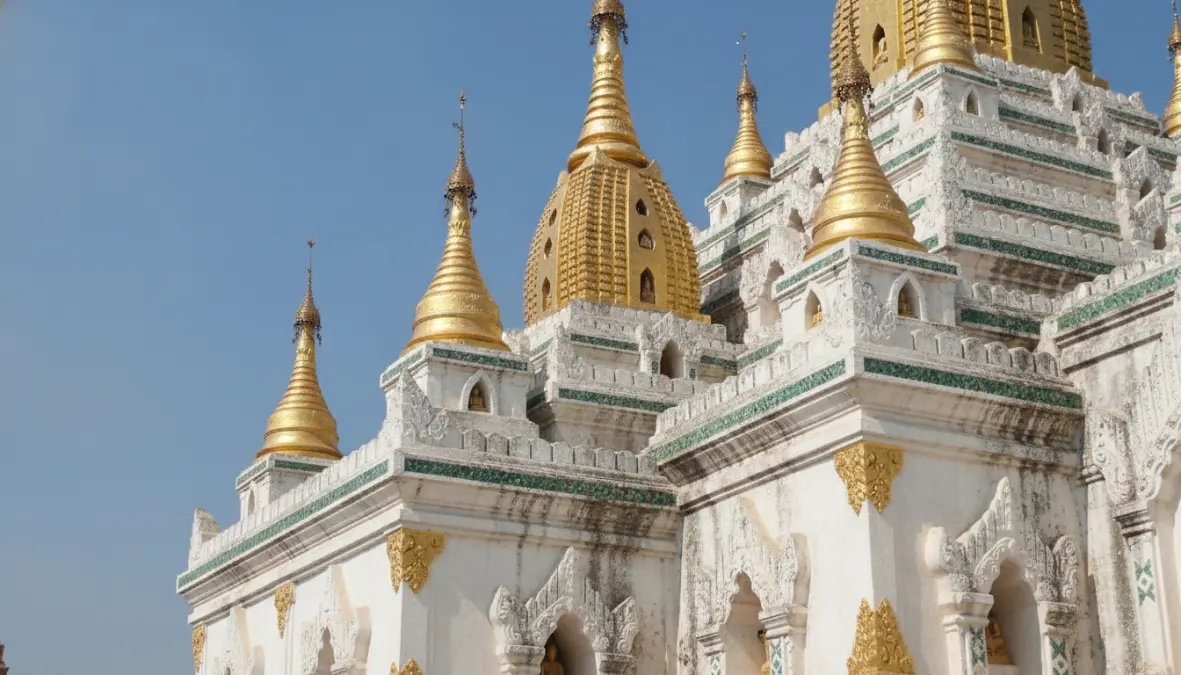
Ananda Temple stands as Bagan’s finest example of Mon architecture and many consider it the most beautiful temple in the entire complex. Built in 1105, this perfectly symmetrical masterpiece features four standing Buddha statues facing the cardinal directions, with intricate glazed sandstone plaques depicting the Jataka tales. Visit early morning to appreciate the golden spires catching first light without crowds.
Dhammayangyi Temple dominates the skyline as Bagan’s largest structure. King Narathu constructed this massive pyramid-temple around 1170, but legend says he was assassinated before completion—the inner passages remain mysteriously sealed. The precision brickwork is extraordinary; you can’t fit a pin between many joints. The temple’s imposing presence makes it visible from nearly everywhere in the archaeological zone.
For sheer height, Thatbyinnyu Temple claims the title of Bagan’s tallest at 66 meters. This five-story whitewashed monument from 1150 represents the transition to vertical temple architecture. Sulamani Temple showcases the best-preserved original frescoes, offering glimpses of 13th-century life and Buddhist cosmology painted on interior walls. Shwezigon Pagoda, built by King Anawrahta in the 11th century, established the prototype for all Myanmar stupas—a gleaming golden bell shape that you’ll recognize throughout the country.
Best Temples for Sunrise and Sunset Views
Since climbing restrictions were implemented to preserve the structures, finding legal bagan sunrise viewpoints requires local knowledge. Shwesandaw Pagoda and Bulethi Temple currently permit visitors on their terraces for sunrise and sunset, though policies change periodically. Many travelers now opt for designated viewing platforms scattered across the plains or simply position themselves among the temples at ground level—the experience remains magical even without elevation. Photography tip: position yourself with temples in the foreground and hot air balloons drifting through the background for truly spectacular shots. Bring water, sun protection, and arrive 30-45 minutes early to secure good positions during peak season.
Bagan Hot Air Balloon Experience: Everything You Need to Know
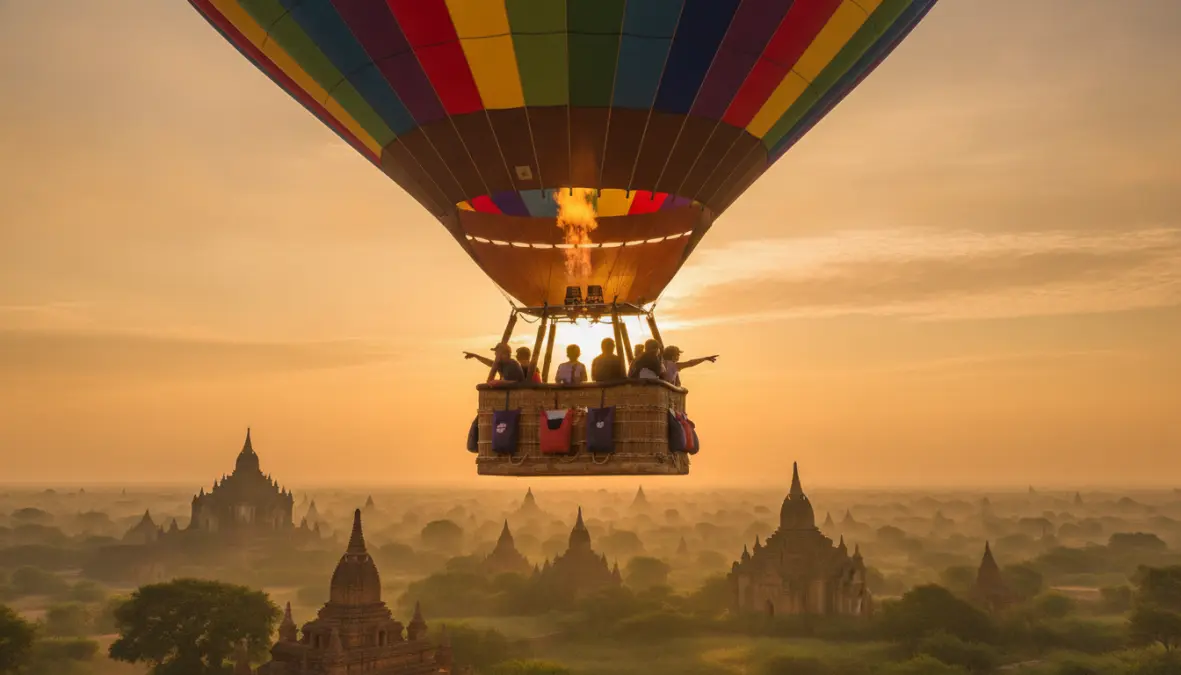
A bagan hot air balloon ride ranks among travel’s most extraordinary experiences. From October through March, when weather conditions permit safe flying, colorful balloons ascend at dawn to float serenely above the temple-studded landscape. This isn’t just sightseeing—it’s a dreamlike journey that transforms your understanding of Bagan’s incredible scale and beauty.
The typical bagan balloon ride lasts 45-60 minutes, ascending to approximately 1,000-1,500 feet as the sun breaks the horizon. You’ll drift over ancient bagan pagodas, farm fields, villages, and the winding Irrawaddy River, with views extending for miles across the plains. Three licensed companies operate: Balloons Over Bagan (the original and most established), Oriental Ballooning, and Golden Eagle Ballooning. Each maintains excellent safety records and experienced pilots.
The bagan hot air balloon price ranges from $300-400 USD per person, reflecting the specialized equipment, extensive safety protocols, and limited passenger capacity (typically 8-16 per basket). Many travelers consider it expensive, but the unique perspective justifies the investment. You’ll see temple configurations and landscape patterns impossible to appreciate from ground level, understanding why this civilization chose this exact location for their sacred city.
Book well in advance—popular dates sell out months ahead, especially during November-January peak season. Most hotels can arrange reservations, or book directly through company websites. The experience includes hotel pickup around 5:00-5:30 AM, a light breakfast before flight, champagne celebration afterward, and return to your hotel by 8:30-9:00 AM. Wear layers (mornings are cool, but the balloon’s burners generate heat), closed-toe shoes, and bring your camera with fully charged batteries. If flying doesn’t appeal or budget constraints exist, watching dozens of balloons drift overhead from ground level among the temples creates its own unforgettable moment—completely free and equally photogenic.
FAQ: Planning Your Visit to Bagan Temples
How many days do you need in Bagan?
Most visitors find 2-3 days ideal for exploring the temples of bagan without feeling rushed. This allows time for a balloon ride, sunrise and sunset viewing, visiting major temples, exploring lesser-known structures, and experiencing local culture at Nyaung U market. Dedicated temple enthusiasts might want four days to delve deeper into architectural details and remote sites.
Can you still climb Bagan temples?
Climbing restrictions have tightened significantly to preserve these ancient structures. Most temples no longer permit interior stairway access to upper terraces. A handful of designated temples and purpose-built viewing platforms still offer elevated views. These policies protect the monuments while maintaining visitor safety after several accidents on steep, deteriorating staircases.
What is the best time to visit Bagan?
November through February offers the perfect combination of cool, dry weather and balloon season. Temperatures stay comfortable (60-80°F), skies remain clear, and crowds are manageable despite being peak season. March-May turns extremely hot (100°F+), while June-October brings monsoon rains, though fewer tourists and dramatically lower accommodation prices.
How much does it cost to visit Bagan?
The official archaeological zone pass costs 25,000 kyat (approximately $15-20), valid for five days and required for entry to major temples. Budget travelers can explore comfortably on $30-50 daily including accommodation, food, and e-bike rental. Mid-range visitors typically spend $75-150 daily, while luxury travelers with balloon rides and upscale hotels might budget $300-500 daily.
Is Bagan worth visiting?
Absolutely. Bagan stands alongside Angkor Wat and Borobudur as Southeast Asia’s most magnificent archaeological sites, yet sees far fewer tourists. The combination of temple density, relatively intact rural landscape, affordable travel costs, and unique experiences like bagan balloon ride at sunrise creates an incomparable destination. Many travelers rank it among their most memorable experiences worldwide.
Where should I stay near bagan temples?
Each area offers distinct advantages. Old Bagan provides closest temple access and luxury options but limited budget choices. Nyaung U offers the widest accommodation range, local restaurants, and authentic market atmosphere, though it’s noisier. New Bagan sits between both with mid-range hotels and peaceful surroundings. Consider proximity to your planned activities and budget when choosing.
Whether you’re floating above golden spires in a hot air balloon, exploring intricate temple corridors on an e-bike, or watching the sun illuminate ancient brick facades, the bagan temples myanmar deliver an experience that transcends typical tourism. This is a place where history breathes through every structure, where spirituality permeates the landscape, and where the achievements of medieval builders continue inspiring wonder centuries later. Much like the transformative journeys to Morocco’s mystical blue city, Bagan offers that rare travel experience that stays with you forever. Start planning your pilgrimage to this extraordinary archaeological zone—those ancient pagodas are waiting.