
Travel SIM Card Guide: Comparing International SIM, eSIM, and Roaming Options
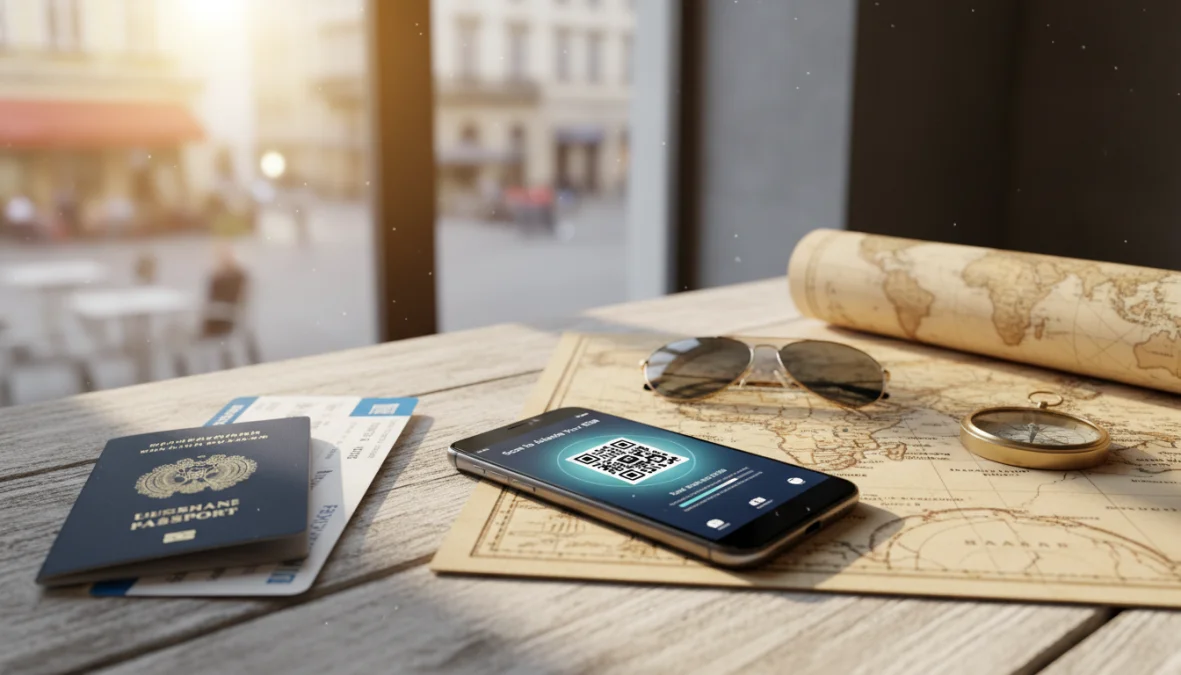
You’re about to board a flight to your dream destination, but there’s one thing that could turn your adventure into a costly nightmare: mobile connectivity. Whether you’re navigating the streets of Paris, sharing sunset photos from Santorini, or video calling home from Cape Town, staying connected abroad shouldn’t drain your wallet. This travel sim card guide breaks down everything you need to know about international sim cards, eSIMs, and roaming options so you can make the smartest choice for your trip.
Understanding Your Mobile Connectivity Options for International Travel
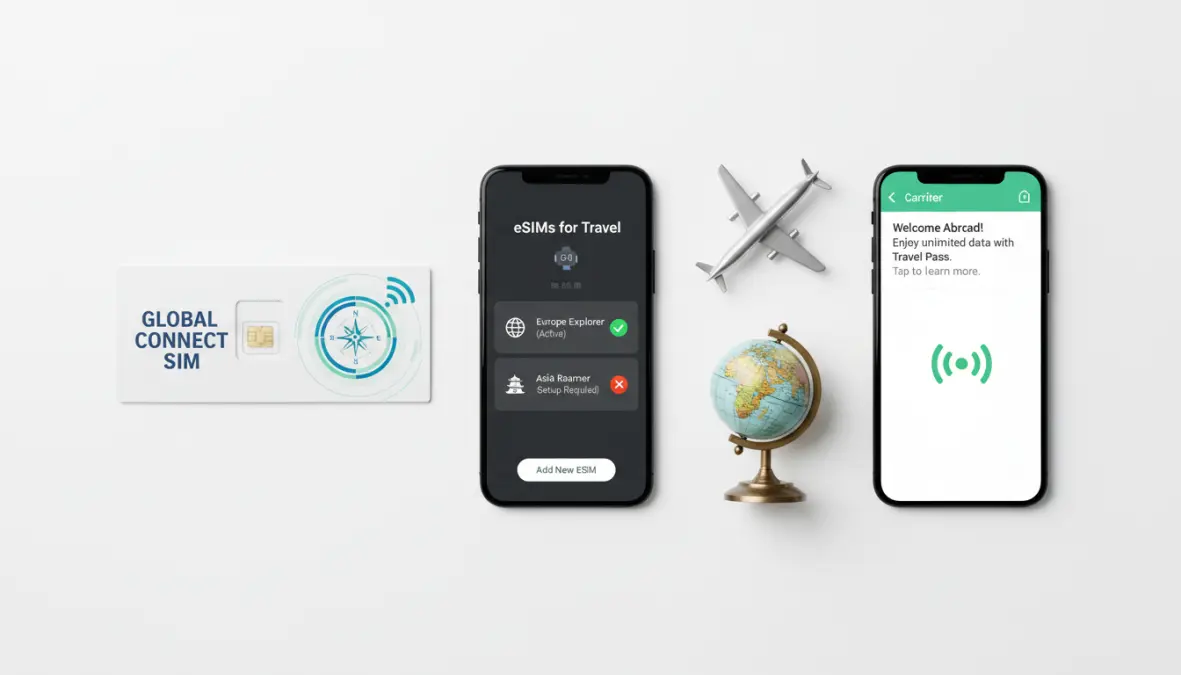
When it comes to mobile data travel, you’ve got three main routes: physical travel SIM cards, eSIMs, and international roaming through your home carrier. Each solution tackles data roaming abroad differently, and understanding how they work is the first step in this travel sim card guide.
Physical travel SIM cards are prepaid chips you purchase either before departure or upon arrival. Companies like Airalo, Holafly, and local carriers offer these international sim cards with preset data allowances. You physically swap out your home SIM, get a temporary local or regional number, and connect to local networks. They’re sold online, at airports, convenience stores, and carrier shops.
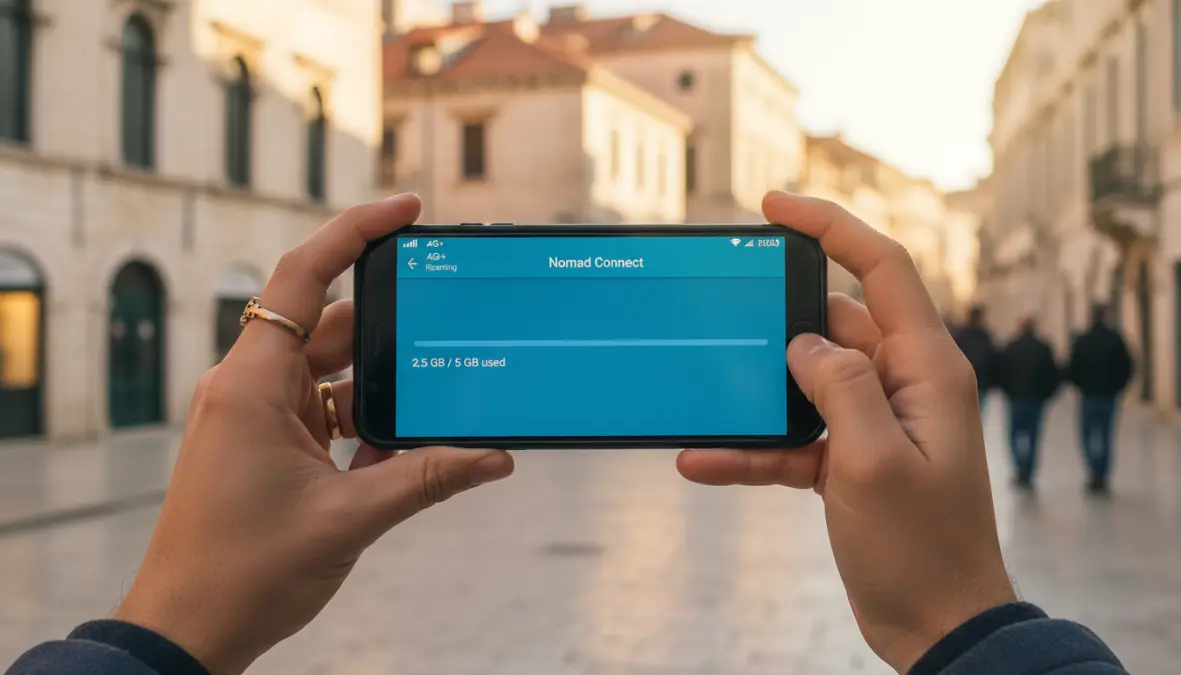
eSIMs are digital SIM cards embedded in newer smartphones. Instead of swapping physical chips, you download a profile via QR code or app. Providers like Airalo, Nomad, and major carriers offer esim for travel plans that activate instantly. You can store multiple eSIM profiles and switch between them in your phone settings.
International roaming lets you use your existing carrier’s service abroad through partner networks. You keep your number, but pay premium rates unless you have a special travel plan. Most major carriers offer daily or monthly international packages.
| Option | Pros | Cons |
|---|---|---|
| Physical Travel SIM | Wide compatibility, often cheapest, easy to find locally | Requires SIM swap, temporary number, can’t receive calls on original number |
| eSIM | Instant activation, no physical swap, dual SIM capability, buy before traveling | Limited device compatibility, requires internet to activate initially |
| International Roaming | Keep your number, zero setup, works immediately | Usually most expensive, potential bill shock, limited data allowances |
Deep Dive: Comparing Costs, Coverage, and Convenience
The devil’s in the details when choosing between these options. Let’s break down what really matters: your budget, where you’ll actually get service, and how much hassle you’re willing to deal with.
Cost Analysis: What You’ll Actually Pay
Understanding roaming charges versus prepaid travel sim costs can save you hundreds. Traditional carrier roaming typically costs $10-15 per day for unlimited data in select countries. That’s $70-105 for a week in Europe—ouch. Some carriers offer better deals: T-Mobile includes free (but slow) international data, while Verizon charges $12/day for their TravelPass.
Compare that to prepaid travel sim options: a 7-day Europe eSIM with 10GB typically costs $15-25. For a two-week Asia trip, expect to pay $25-40 for 15-20GB. Physical SIM cards bought locally often beat both options—you can find 30GB for $15-20 in many countries, though this requires airport hunting or city exploration.
Let’s run real scenarios. One week in Europe: Carrier roaming = $84, branded eSIM = $20, local SIM = $15. Two weeks in Asia: Carrier roaming = $168, multi-country eSIM = $35, local SIMs (2 countries) = $25-30. Business trip to South Africa: If you’re exploring Cape Town on a budget, a local SIM for $10 with 20GB crushes the $120+ roaming bill.
The cheapest way to use phone abroad usually involves local SIMs for single-country trips or regional eSIMs for multi-country adventures. Roaming makes sense only if your carrier includes it free (with acceptable speeds) or you’re traveling for just 1-2 days.
Coverage and Data Speeds: Performance Comparison
A global sim card sounds perfect until you’re stuck with 3G speeds in the middle of Budapest. Coverage quality varies dramatically between options. With data roaming abroad through your home carrier, you’re using partner networks—sometimes tier-one operators, sometimes budget carriers with spotty coverage.
International sim card providers offering regional coverage (like “Europe SIMs”) typically connect you to multiple networks, automatically switching to the strongest signal. However, many impose speed limits—3-5 Mbps is common for tourist SIMs, which works for maps and messaging but struggles with video calls.
Local SIMs give you the same network coverage overseas that residents enjoy—full 4G/5G speeds and priority network access. eSIM providers vary: premium services offer full-speed data, while budget options may throttle after certain usage. Always check the fine print for “fair use policies” that slow speeds after 5-10GB daily usage.
If you’re island-hopping from Athens to Santorini, a regional European eSIM keeps you connected on ferries and across borders without swapping SIMs.
How to Choose the Best Option for Your Travel Needs
Your perfect mobile connectivity abroad solution depends on your specific travel style. Here’s a practical framework for deciding.
For weekend/short trips (1-4 days): If your carrier offers reasonable daily roaming ($10-12/day), the convenience often wins. No setup, keep your number, and the total cost stays under $50. For longer weekends, grab an eSIM the night before departure.
For single-country vacations (1-2 weeks): Buy a local SIM at the airport or city center. Whether you’re spending time in Portugal’s Algarve or exploring Morocco’s blue city of Chefchaouen, local SIMs offer unbeatable value and full-speed data.
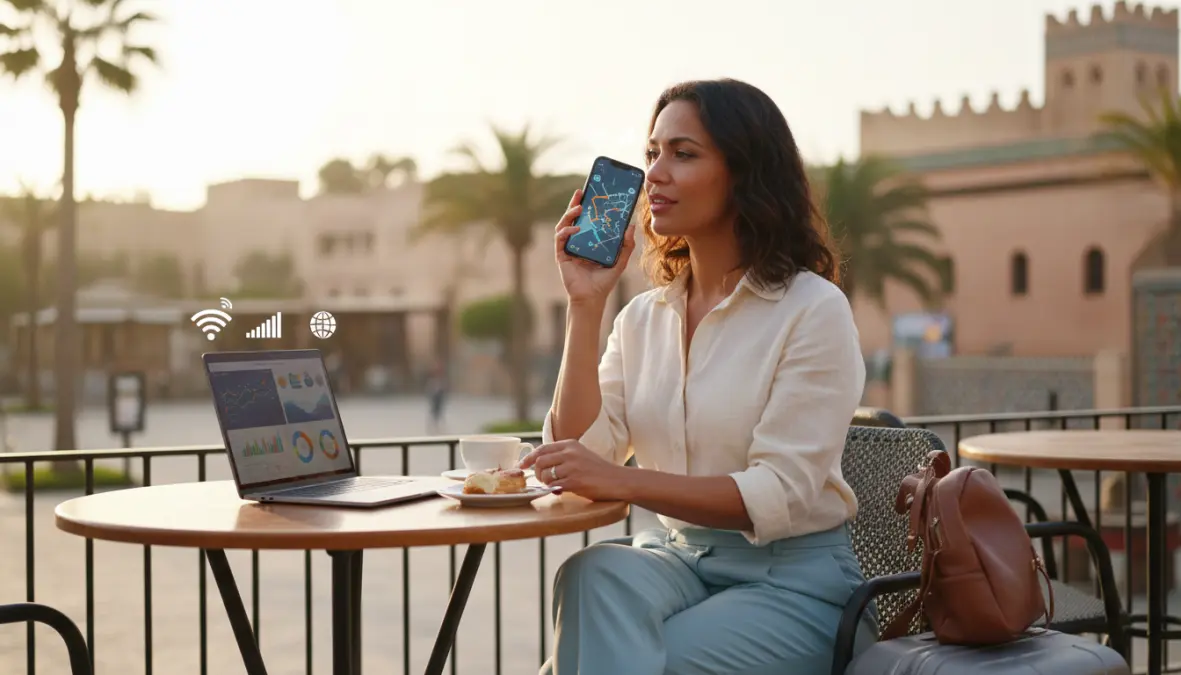
For multi-country adventures: Regional eSIMs are your best friend. One profile covers 30+ European countries or 15+ Asian nations. Perfect for digital nomads and long-term travelers who cross borders frequently.
For business travelers: Consider dual sim functionality. Keep your work number active via roaming for calls/texts, while using an eSIM for data. This smartphone roaming option prevents missed client calls while avoiding data roaming charges.
Before you buy, check carrier compatibility—not all phones support eSIM. iPhone XS and newer, Google Pixel 3+, and Samsung Galaxy S20+ do. Verify your phone is unlocked; locked devices won’t accept travel SIMs. Research data plans international providers for your destination—some countries have better eSIM infrastructure than others.
To avoid roaming charges while traveling, turn off data roaming in settings before your flight, then only enable it once your travel SIM/eSIM is active. Download offline maps, and test your connection before leaving the airport. Understanding how does esim work when traveling is simple: install the profile while on WiFi, activate it at your destination, and you’re good to go.
FAQ: Common Questions About Travel Mobile Connectivity
Can I keep my phone number with a travel SIM?
You’ll get a temporary number with physical travel SIMs, but can still receive calls/texts on your original number if your phone has dual SIM capability or you forward calls. With eSIM, you can keep both numbers active simultaneously on compatible devices. Apps like WhatsApp and iMessage work regardless since they’re tied to your account, not your SIM.
Do all phones support eSIM?
No. Only newer smartphones from iPhone XS onwards, Google Pixel 3+, Samsung Galaxy S20+, and select other models support eSIM. Check your phone’s specifications or contact your manufacturer. Your device must also be carrier-unlocked to use international eSIMs.
What happens if I run out of data abroad?
With prepaid SIMs and eSIMs, your data simply stops—no surprise charges. You can usually top up through the provider’s app or website. With carrier roaming, you might face overage charges or throttled speeds, depending on your plan. Always monitor usage and buy more data before running out.
Is international roaming ever the best option?
Yes, for very short trips (1-2 days), when your carrier includes free international data, or when you absolutely must keep your number accessible for business. Some premium credit cards also reimburse roaming charges. Calculate the total cost before assuming it’s too expensive.
Can I use WhatsApp/iMessage with a different SIM?
Absolutely. These apps use data connections and are tied to your account, not your phone number. You’ll keep all conversations and contacts. WhatsApp will show your temporary number to new contacts, but existing chats continue normally. iMessage works seamlessly if you’re registered with your email.
How do I activate an eSIM before traveling?
Purchase your eSIM plan online, receive a QR code via email, scan it in your phone’s settings (Settings > Cellular > Add Cellular Plan on iPhone), and install the profile. Don’t activate the plan until you arrive at your destination—most eSIMs start their validity period upon activation, not installation. Keep the QR code saved in case you need to reinstall.
Staying connected abroad doesn’t have to be complicated or expensive. Whether you’re seeking the best travel sim card for europe or figuring out travel sim card vs international roaming costs for your next adventure, the right choice depends on your destination, duration, and device. With this guide in hand, you can explore everywhere from Machu Picchu to Budapest’s thermal baths without the anxiety of bill shock. Research your options, buy in advance when possible, and travel with the confidence that you’ll stay connected wherever your journey takes you—and maybe even practice some sustainable travel by reducing unnecessary plastic SIM cards along the way.