Tasmania Wilderness Guide: Exploring Cradle Mountain and Freycinet National Park
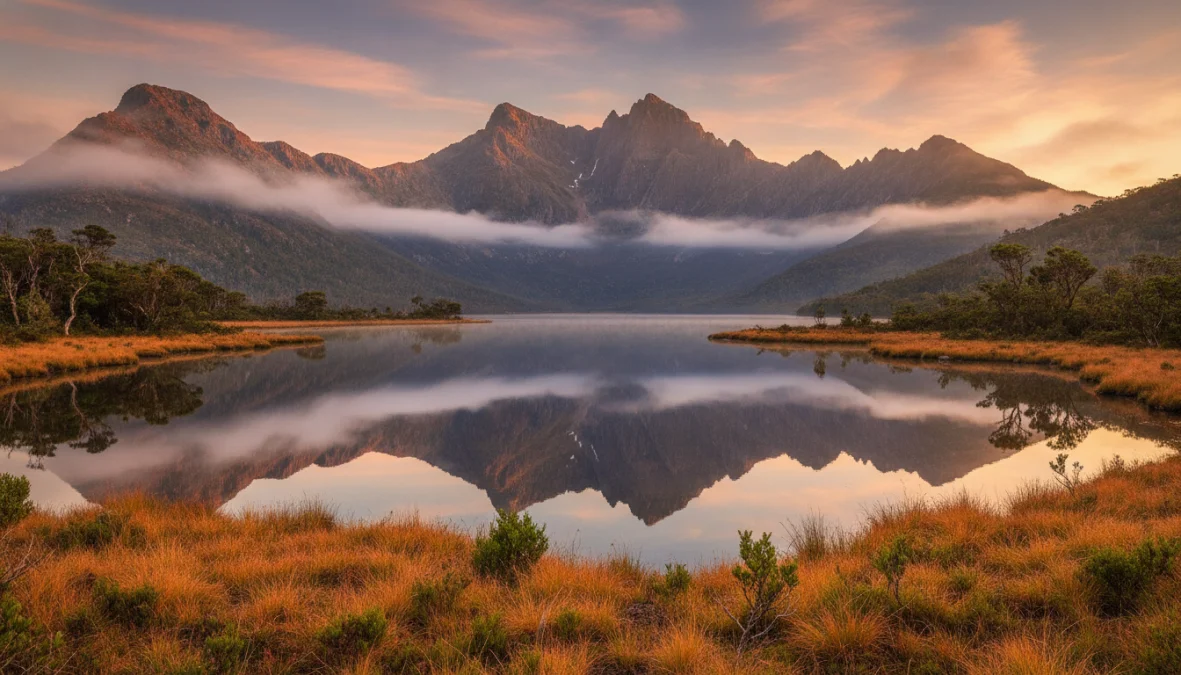
Picture this: ancient rainforests carpeted in moss, granite peaks piercing through morning mist, and pristine white beaches framed by pink granite boulders. Welcome to Tasmania’s wilderness—a place where alpine highlands and coastal paradises exist just hours apart. This tasmania wilderness guide will walk you through the island’s two most spectacular destinations: Cradle Mountain and Freycinet National Park, both offering unforgettable hiking, wildlife encounters, and that rare sense of true remoteness.
Tasmania’s national parks protect some of the world’s most pristine wilderness tasmania landscapes, but Cradle Mountain and Freycinet stand out as the crown jewels. These tasmania national parks couldn’t be more different—one delivers rugged alpine drama with glacial lakes and buttongrass moorland, while the other serves up turquoise bays and coastal trails that’ll have your camera working overtime. The best time to visit? December through March offers the most reliable weather, though autumn (April-May) brings stunning foliage and fewer crowds.
Cradle Mountain: Alpine Wilderness and Hiking Adventures
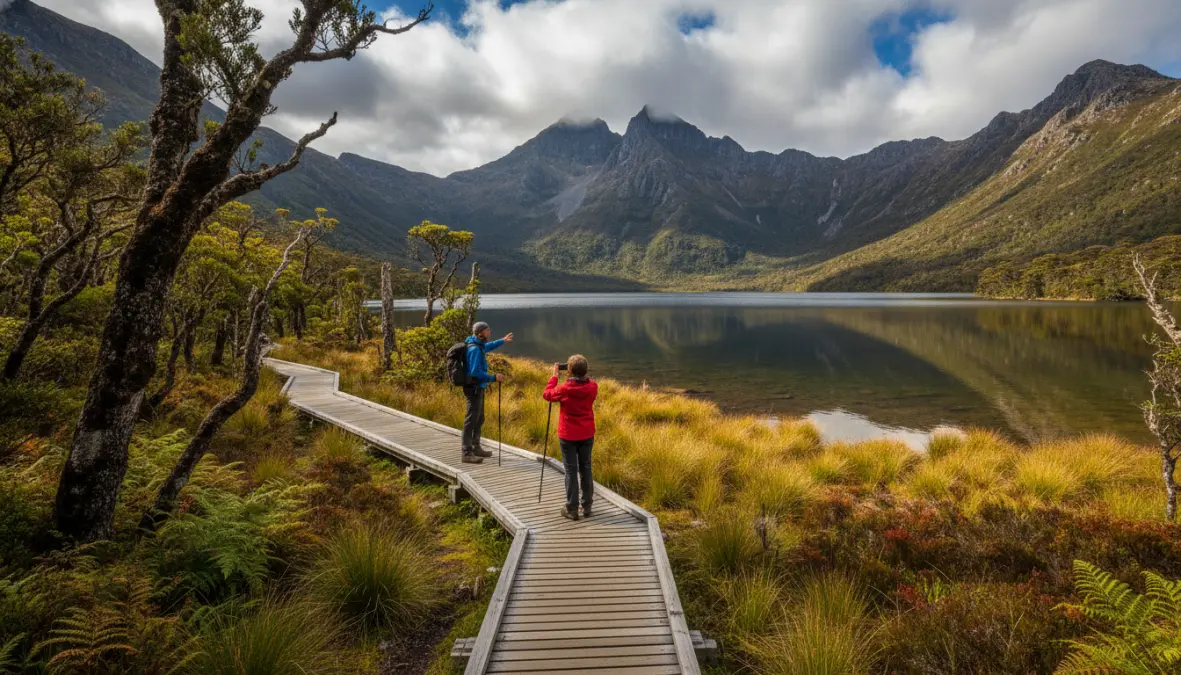
Rising dramatically from the world heritage area of Tasmania’s central highlands, Cradle Mountain represents the ultimate alpine wilderness experience. This is where serious hikers come to test themselves on the legendary Overland Track, but it’s also where casual walkers can enjoy day hikes around glacial lakes without breaking too much of a sweat. The cradle mountain hiking scene caters to everyone from families to experienced trekkers.
The landscape here is almost otherworldly—ancient dolerite peaks tower above buttongrass moorland, cushion plants blanket the alpine zones, and Tasmanian pines (which can live for over 1,000 years) frame impossibly photogenic scenes. You’ll likely spot wombats waddling across trails, wallabies grazing at dusk, and if you’re lucky, a tasmanian devil at one of the park’s conservation areas. Similar to the mountain trekking experiences in our Patagonia hiking guide, Cradle Mountain demands respect for changing weather conditions and proper preparation.
Essential Cradle Mountain Hiking Trails
The Dove Lake Circuit is the park’s signature walk—a 6-kilometer loop that takes about 2-3 hours and offers constantly changing views of Cradle Mountain reflected in the lake’s mirror-like surface. It’s mostly boardwalked and suitable for most fitness levels, making it perfect for those wondering about cradle mountain day walks. The track passes through ancient rainforest, open heath, and rocky beaches, with photo opportunities at every turn.
For those seeking more challenge, the Crater Lake walk (2 hours return) climbs steeply through forest to a spectacular glacial lake. The views are worth every huffing breath. The summit track to Cradle Mountain’s peak (6-8 hours return) is for experienced hikers only—it involves steep scrambles and exposed sections, but rewards with 360-degree views across the wilderness. And then there’s the Overland Track, Tasmania’s most famous multi-day hike, which starts at Cradle Mountain and traverses 65 kilometers to Lake St Clair over 5-6 days.
Where to Stay and Practical Tips
When considering the best time to visit cradle mountain, aim for December through March for the most stable weather, though be prepared for four seasons in one day regardless. Cradle Mountain Lodge offers comfortable cabins right at the park entrance (book months ahead), while budget-conscious travelers can opt for camping at the park campground or staying in nearby Cradle Valley.
Park entry requires a valid Tasmania Parks Pass (daily or annual options available). Shuttle buses run from the visitor center to key trailheads during peak season. Pack layers—temperatures can drop dramatically even in summer, and snow is possible year-round above 1,000 meters. Like the altitude considerations in our mountain travel guide, proper clothing can make or break your experience. The cradle mountain to freycinet drive takes about 4 hours, making it feasible to visit both parks in one trip.
Freycinet National Park: Coastal Wilderness and Wineglass Bay
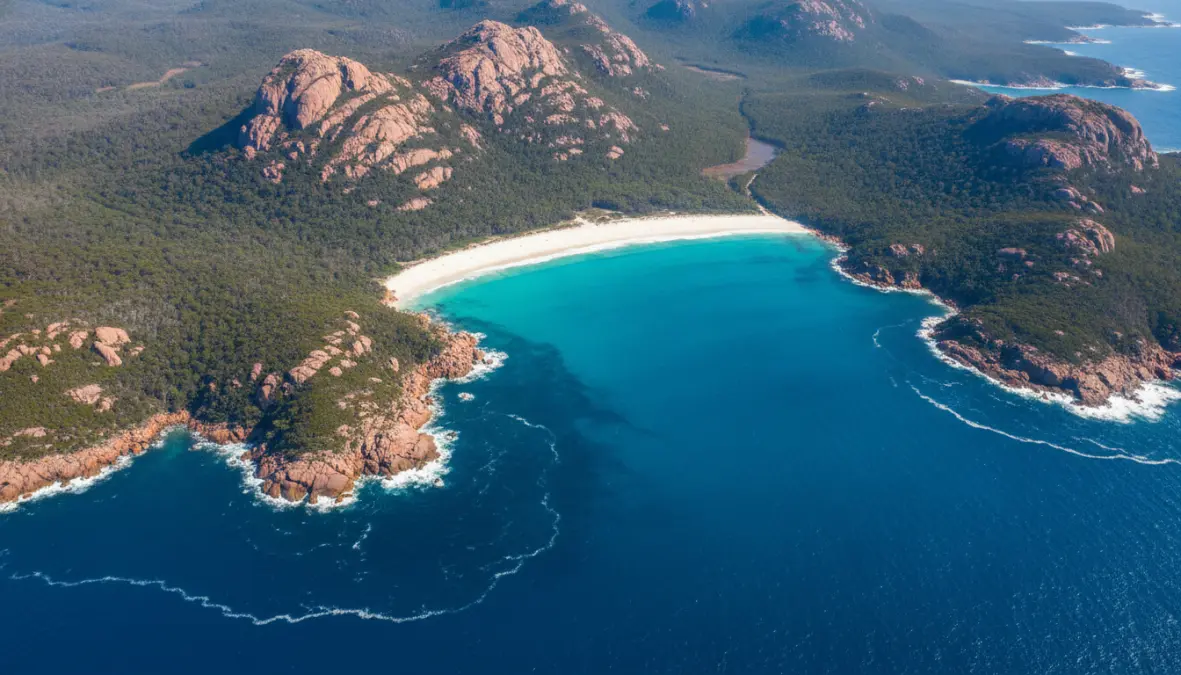
If Cradle Mountain is Tasmania’s alpine heartland, freycinet national park is its coastal masterpiece. Located on the east coast, this peninsula is famous for wineglass bay—consistently rated among the world’s top ten beaches. But Freycinet offers far more than one Instagram-famous bay. The park combines granite mountains (the Hazards), secluded white-sand beaches, crystal-clear waters, and some of the best coastal hiking in Australia.
The granite peaks glow pink at sunrise and sunset, creating magical wilderness photography opportunities. The climate here is notably milder and drier than western Tasmania, with summer temperatures perfect for combining hiking with swimming and kayaking. Base yourself in coles bay, the small settlement at the park’s entrance, where you’ll find accommodation ranging from luxury lodges to campgrounds.
Wineglass Bay and Top Coastal Walks
The wineglass bay lookout walk is Tasmania’s most popular track—and for good reason. The 1.5-hour return walk climbs 400 steps to a viewing platform that reveals Wineglass Bay’s perfect crescent of white sand against turquoise water. Most visitors turn back here, but those who continue down to the beach (add another 2 hours return) are rewarded with swimming in one of the planet’s most beautiful bays.
For a proper adventure, tackle the Wineglass Bay and Hazards Beach Circuit (4-5 hours), which combines the lookout with a descent to Wineglass Bay, then continues over a low saddle to Hazards Beach before returning through coastal forest. This walk showcases the park’s diversity beautifully. The freycinet peninsula circuit walk is a challenging 2-day, 30-kilometer loop for experienced hikers, requiring tasmania wilderness camping permits and offering stunning solitude.
Don’t miss the Cape Tourville Lighthouse walk—a short 20-minute circuit on a wheelchair-accessible boardwalk with dramatic coastal views. For those wondering how to get to freycinet national park, it’s a 2.5-hour drive from Hobart or 4 hours from Launceston.
Planning Your Freycinet Visit
Accommodation in Coles Bay books out months in advance during summer, so plan early. Options range from Freycinet Lodge (upscale eco-cabins within the park) to holiday rentals, hostels, and camping. The park requires a valid Tasmania Parks Pass. Unlike Cradle Mountain’s unpredictable weather, Freycinet enjoys Tasmania’s sunniest climate, making it ideal for year-round visits, though December to March offers the warmest beach weather.
Wildlife watching here focuses on coastal species—wallabies are everywhere (especially at dawn and dusk), black cockatoos screech overhead, and you might spot dolphins or seals from headlands. Combine your park visit with Tasmania’s emerging east coast wine region—cellar doors around Bicheno and Swansea are worth exploring. Water activities like sea kayaking around the peninsula provide a different perspective on those famous granite boulders and hidden coves.
Frequently Asked Questions
How many days do you need for both parks? Ideally, dedicate 2-3 days to Cradle Mountain and 2 days to Freycinet. This allows for multiple hikes and wildlife viewing without rushing. A week-long Tasmania trip can comfortably include both parks plus Hobart.
Can you visit both in one trip? Absolutely. The drive between parks takes about 4 hours, making a combined visit very practical. Most visitors fly into Hobart or Launceston and create a circuit visiting both parks along with other attractions like the Bay of Fires or Port Arthur.
What’s the best time to visit Tasmania’s wilderness? Summer (December-February) offers the most reliable weather and longest days, perfect for extended hikes. Autumn (March-May) brings stunning colors and fewer crowds. Winter can be beautiful but challenging, with snow likely at Cradle Mountain. Spring is wildflower season but weather can be unpredictable.
Do I need hiking experience for these parks? Not necessarily. Both parks offer easy walks suitable for families and beginners (like Dove Lake Circuit and Wineglass Bay Lookout), alongside challenging trails for experienced hikers. Choose trails matching your fitness level and always check conditions before heading out.
Tasmania’s wilderness represents something increasingly rare in our crowded world—genuine remoteness, ancient landscapes, and hiking experiences that’ll stay with you for life. Whether you’re scrambling up Cradle Mountain’s summit or floating in Wineglass Bay’s crystal waters, these tasmania hiking trails deliver adventure and beauty in equal measure. Pack your boots, charge your camera, and prepare for Tasmania to exceed every expectation.