Budapest Thermal Baths: Complete Guide to the City’s Best Spa Experiences
Picture this: steam rising from turquoise pools as you soak under a starlit sky, surrounded by stunning architecture that’s been welcoming weary travelers for centuries. Welcome to the world of budapest thermal baths, where ancient Roman traditions meet Hungarian hospitality in the most delightful way possible. Budapest sits atop a geological goldmine of geothermal springs, with over 100 natural hot springs bubbling beneath the city. This makes it one of only two capital cities in the world (along with Reykjavik) that can claim to be a true spa city. Whether you’re seeking relief in medicinal waters, want to experience authentic bathhouse culture, or simply need to unwind after pounding the pavement sightseeing, the city’s thermal bath scene has something magical waiting for you.
The Best Thermal Baths in Budapest: Top Picks for Every Traveler
Choosing among the best thermal baths budapest offers can feel overwhelming, but each has its own personality. Let’s break down the top contenders so you can find your perfect match.
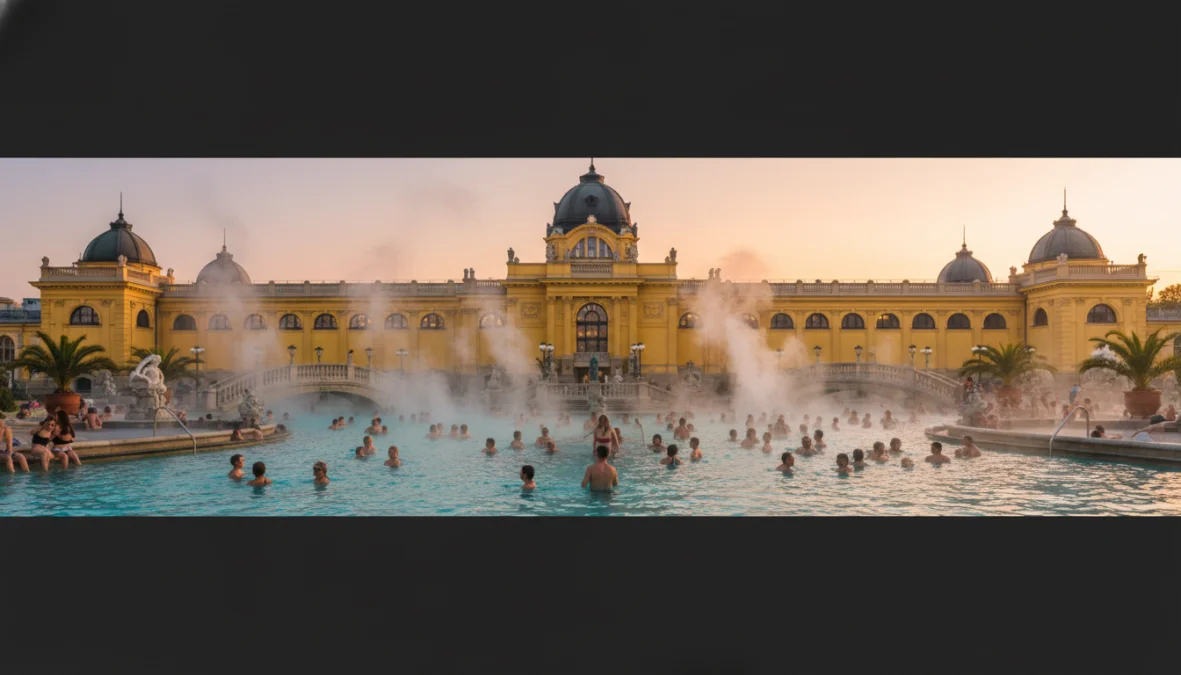
Széchenyi Thermal Bath is the granddaddy of them all—literally the largest medicinal bath complex in Europe. Located in City Park, this neo-baroque yellow palace boasts 18 pools, including three massive outdoor pools where locals famously play chess while soaking. The atmosphere here is festive and social, especially on weekend evenings when the bath hosts party events. With water temperatures ranging from 26°C to 40°C, fed by two natural hot springs, Széchenyi is perfect for first-timers and families. The outdoor pools create an unforgettable experience, especially in winter when steam creates an almost mystical atmosphere against the historic architecture.
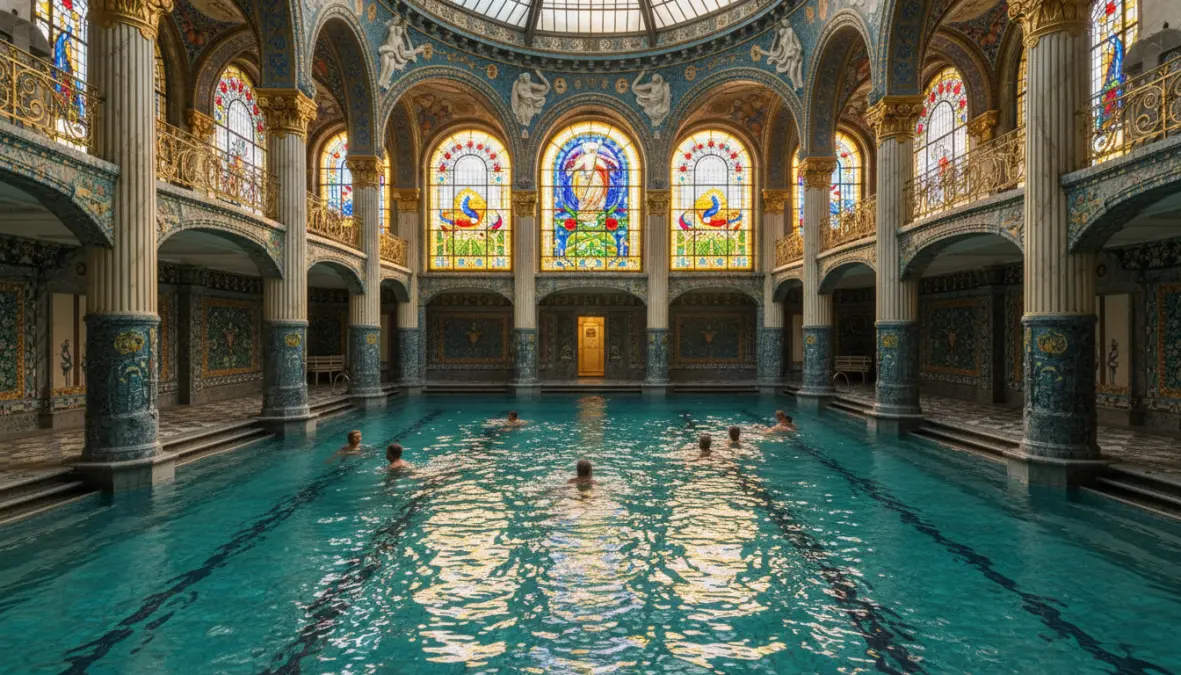
Gellért Spa Budapest channels pure Art Nouveau elegance. Attached to the famous Gellért Hotel at the foot of Gellért Hill, this bath feels like stepping into a grand European palace. The main swimming pool, with its ornate columns, stained glass windows, and wave pool feature (yes, really!), is arguably the most photographed bath in the city. Gellért attracts culture vultures and those seeking a more refined, upscale experience. The spa treatments here are top-notch, and the rooftop terrace offers stunning Danube views.
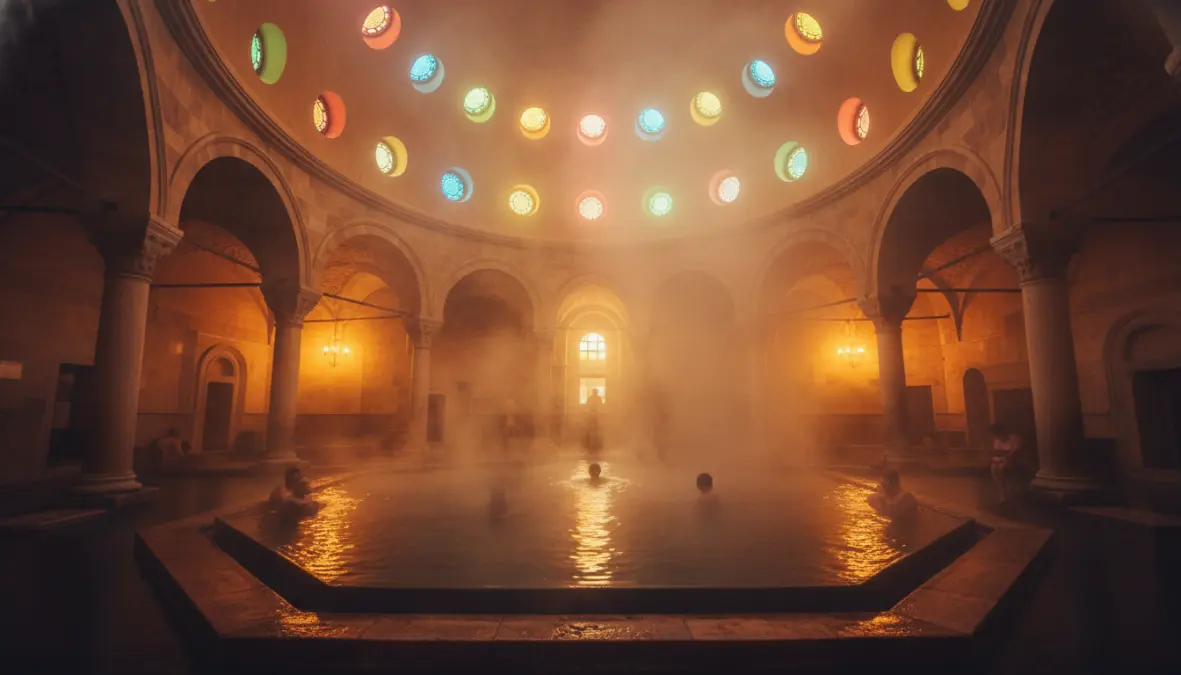
Rudas Baths brings Ottoman history to life with its stunning 16th-century Turkish octagonal pool crowned by a dome with colored glass. But Rudas isn’t stuck in the past—its modern rooftop pool offers jaw-dropping panoramic views of the Danube and castle district. This bath is famous for budapest thermal baths night bathing, staying open until late (even midnight on weekends). The mix of turkish baths atmosphere with contemporary wellness facilities makes Rudas ideal for couples and architecture enthusiasts.
For those seeking budapest thermal baths with locals, Lukács Baths in the Buda district delivers authenticity. Less touristy and more laid-back, Lukács has been a gathering place for Budapest’s artists and intellectuals for generations. The walls are covered with plaques from grateful visitors healed by the waters. It’s one of the cheapest thermal baths in budapest while still offering excellent facilities and genuinely therapeutic mineral pools.
Finally, Király Baths offers an intimate experience in another beautifully preserved Turkish bath from the 16th century. Smaller than the others, with just four pools under its characteristic dome, Király feels like discovering a hidden gem. Perfect for those who prefer a quieter, more contemplative soak.
Planning Your Visit: Tickets, Prices, and Practical Tips
Smart planning transforms a good bath visit into a great one. Here’s your practical budapest spa guide to navigating the logistics.
Thermal bath tickets budapest can be purchased at the door, but booking online saves both money and time—especially during peak tourist season. Prices vary by bath and day of the week, with weekends typically costing more. Expect to pay between 6,000-9,000 HUF (approximately €15-23) for standard weekday admission at major baths like Széchenyi or Gellért, while Lukács and Király run cheaper at around 3,500-5,000 HUF. Many baths offer discounts for students, seniors, and families. If you’re planning multiple visits, look for multi-entry tickets or Budapest tourist cards that include bath access.
So, how much do budapest thermal baths cost in total? Factor in lockers or cabins (cabins cost extra but offer more space and privacy), plus any spa treatments like massages (budget 4,000-15,000 HUF depending on duration and type). Towel and robe rentals typically run 1,000-2,000 HUF each if you don’t bring your own.
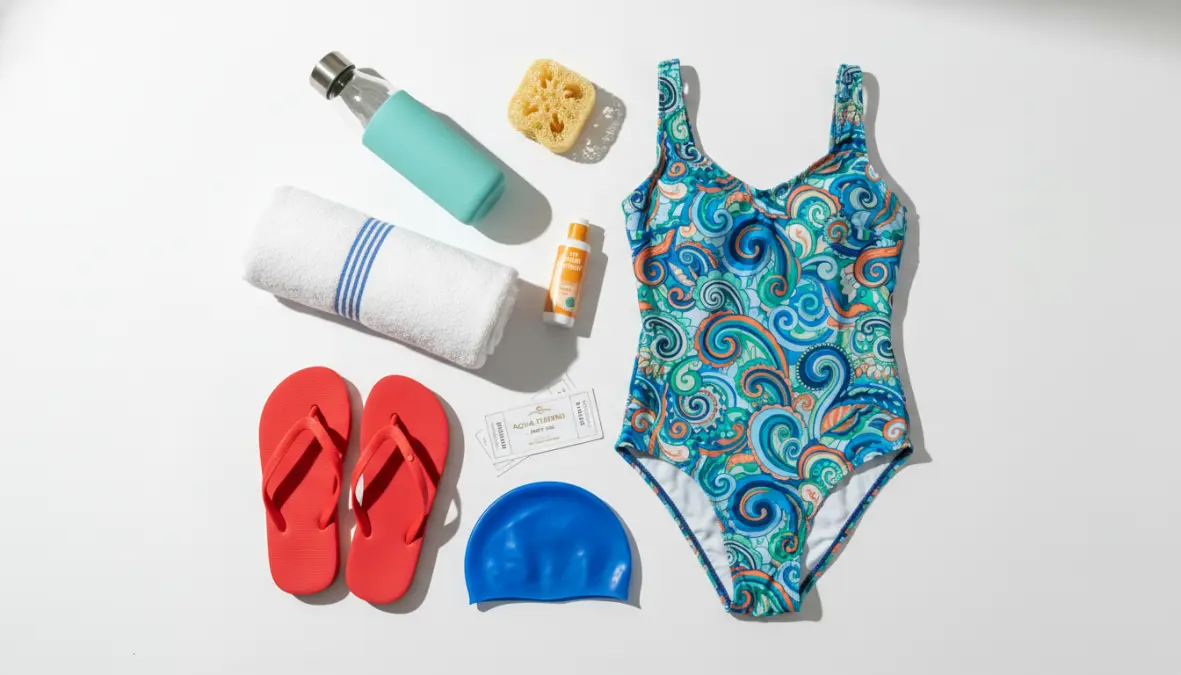
Speaking of what to bring to budapest thermal baths: pack a swimsuit (required everywhere), flip-flops or waterproof sandals, and ideally your own towel to save rental fees. A swim cap is mandatory in some swimming pools but not in thermal pools. Consider bringing a water bottle to stay hydrated—the heat can sneak up on you.
Understanding thermal bath etiquette budapest style helps you blend in: shower before entering pools (mandatory and enforced), don’t reserve sun loungers with towels then disappear, and keep conversations respectful of the relaxation atmosphere. Most baths have mixed bathing daily now, though some still maintain gender-specific days or sections.
The best time to visit budapest thermal baths is weekday mornings (9-11am) to avoid crowds, or embrace the experience during winter when outdoor pools create that magical steamy atmosphere. Most visitors spend 2-3 hours at a bath—any longer and you risk overheating from the hot waters. The hungarian thermal springs contain minerals like calcium, magnesium, hydrogen-carbonate, and sulfate, which are believed to help with joint problems, arthritis, and circulation issues, making these genuine medicinal waters rather than just recreational pools.
Frequently Asked Questions About Budapest Thermal Baths
Are the thermal baths open year-round? Absolutely! The budapest thermal baths operate throughout the year, and winter visits are actually magical. There’s nothing quite like soaking in 38°C water while snowflakes melt on your face and steam swirls around the historic buildings. The outdoor pools at Széchenyi become particularly atmospheric in colder months.
Do I need to bring my own towel? Not necessarily, but it’s recommended. All major baths offer towel rentals for around 1,000-1,500 HUF, plus you’ll need to leave a deposit. Bringing your own saves money and ensures you have a towel you’re comfortable with. The same goes for robes and slippers.
What’s the difference between a thermal bath and a spa? In the context of bathhouse culture in Hungary, thermal baths focus primarily on soaking in natural mineral-rich thermal pools with various temperatures. While they may offer some treatments, the emphasis is on the waters themselves. Spas, meanwhile, center on treatments like massages, facials, and wellness services, though they often include thermal pools too. Most Budapest venues blend both experiences.
Can I visit multiple baths in one day? Technically yes, but realistically it’s not advisable. The hot geothermal springs are wonderfully relaxing but also dehydrating and tiring. Most visitors feel pleasantly exhausted after 2-3 hours at one bath. If you’re keen to compare, visit one in the morning and perhaps another in the late afternoon, but allow recovery time between.
Are the baths suitable for families and children? This depends on which bath you choose. Family friendly thermal baths budapest options include Széchenyi, which has slightly cooler pools and a more playful atmosphere, and Palatinus Strand (an outdoor water park on Margaret Island that includes thermal pools). Gellért and Rudas tend toward a more adult, relaxation-focused environment. Most baths welcome children but require adult supervision, and some pools have minimum age restrictions.
How long should I spend at a thermal bath? Plan for 2-3 hours as a sweet spot. This gives you time to try different pools, relax, perhaps enjoy a treatment, and not feel rushed. Listen to your body—if you start feeling dizzy or overheated, take breaks in cooler pools or rest areas. The wellness tourism experience should leave you refreshed, not drained.
Budapest’s thermal bath scene represents one of Europe’s most authentic and accessible wellness traditions. Whether you’re drawn to Széchenyi’s grandeur, Gellért’s elegance, Rudas’s rooftop views, or Lukács’s local vibe, you’ll discover why wellness tourism has been thriving here since Roman times. These aren’t just tourist attractions—they’re living pieces of Hungarian culture where history, health, and happiness converge in the most soothing way possible. So grab your swimsuit, embrace the experience, and prepare to understand why locals have been saying “egészségedre” (to your health!) over these healing waters for centuries.