Kamchatka Peninsula: Complete Guide to Russia’s Remote Volcanic Wilderness
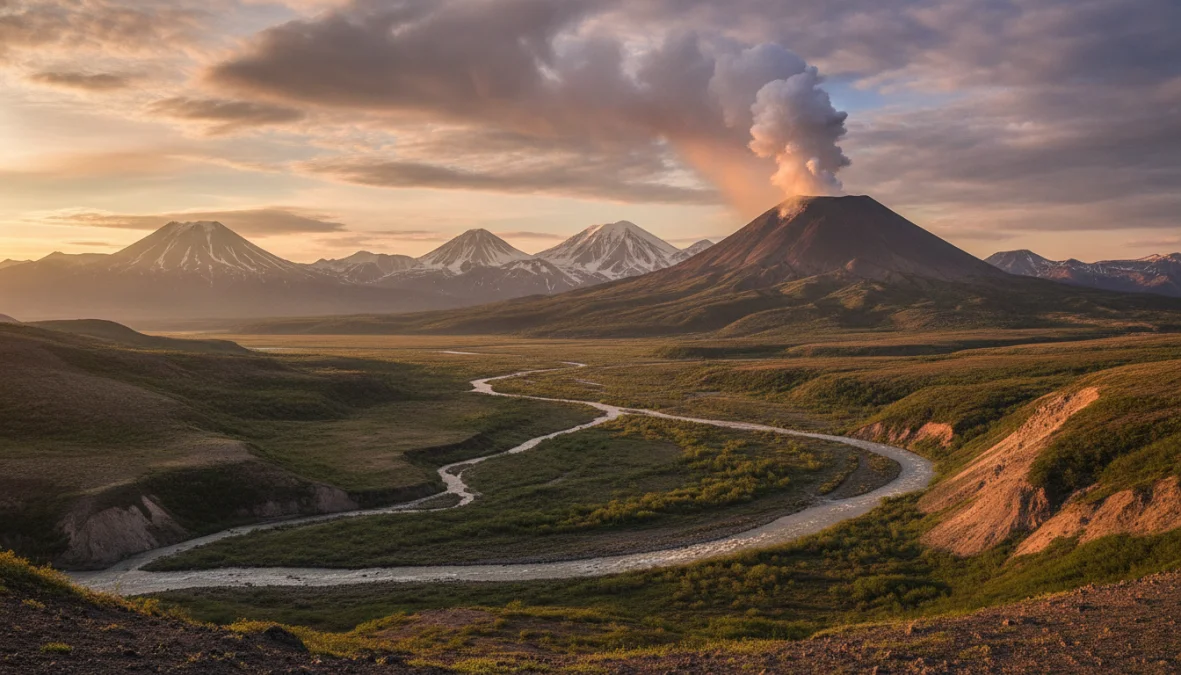
Imagine standing at the edge of an active volcano, watching plumes of steam rise from a turquoise crater lake while brown bears roam the valleys below. This isn’t a fantasy—it’s just another day on the Kamchatka Peninsula, one of Earth’s last true wilderness frontiers. Tucked away in Russia’s far east, this kamchatka russia guide will help you unlock a volcanic wonderland where nature reigns supreme, tourism infrastructure is minimal, and adventure takes on a whole new meaning. If you’re tired of crowded tourist destinations and crave something genuinely raw and remote, visiting Kamchatka Russia might just be the most extraordinary journey you’ll ever take.
Why Kamchatka Peninsula Should Be Your Next Adventure
The Kamchatka Peninsula stretches roughly 1,250 kilometers along Russia’s Pacific coast, forming a dramatic land bridge between the Sea of Okhotsk and the Bering Sea. This is where the Pacific Ring of Fire truly lives up to its name—over 300 volcanoes dot the landscape, with 29 still actively rumbling and steaming. But it’s not just the volcanic landscape that makes Kamchatka wilderness so captivating.
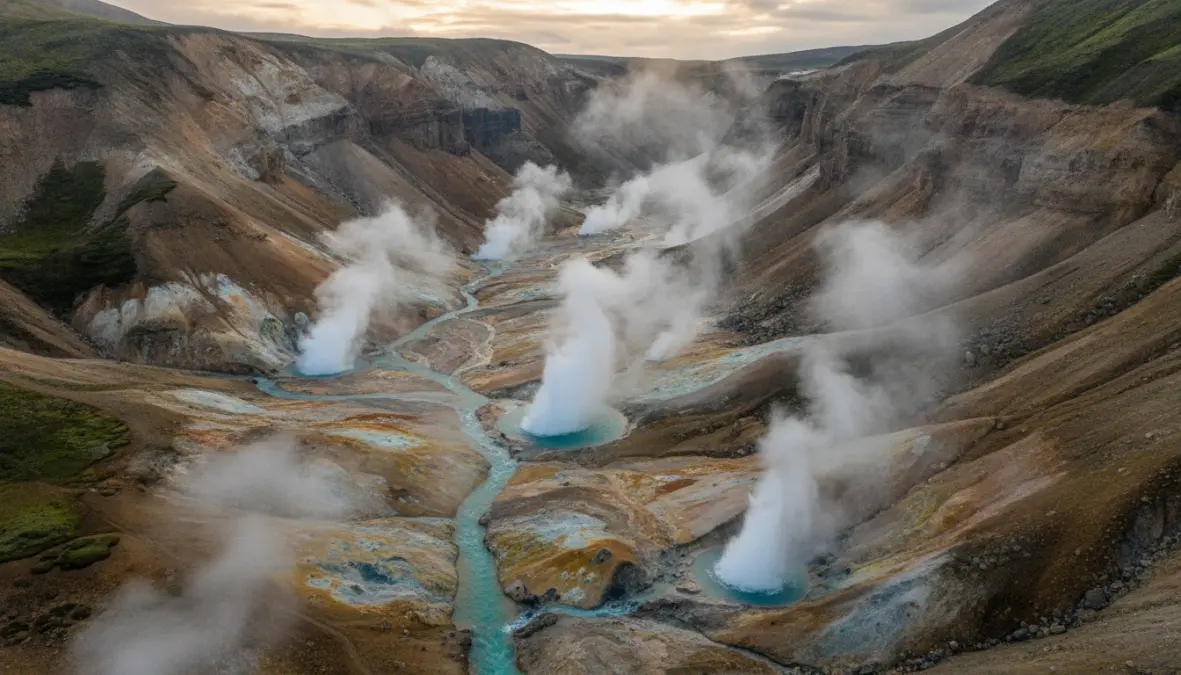
When you visit Kamchatka Russia, you’re entering one of the most geologically active regions on the planet, where geysers shoot boiling water skyward, hot springs bubble through snow-covered terrain, and entire valleys simmer with geothermal energy. The peninsula hosts the second-largest concentration of geysers in the world at the Valley of Geysers, a UNESCO World Heritage site that feels like stepping onto another planet.
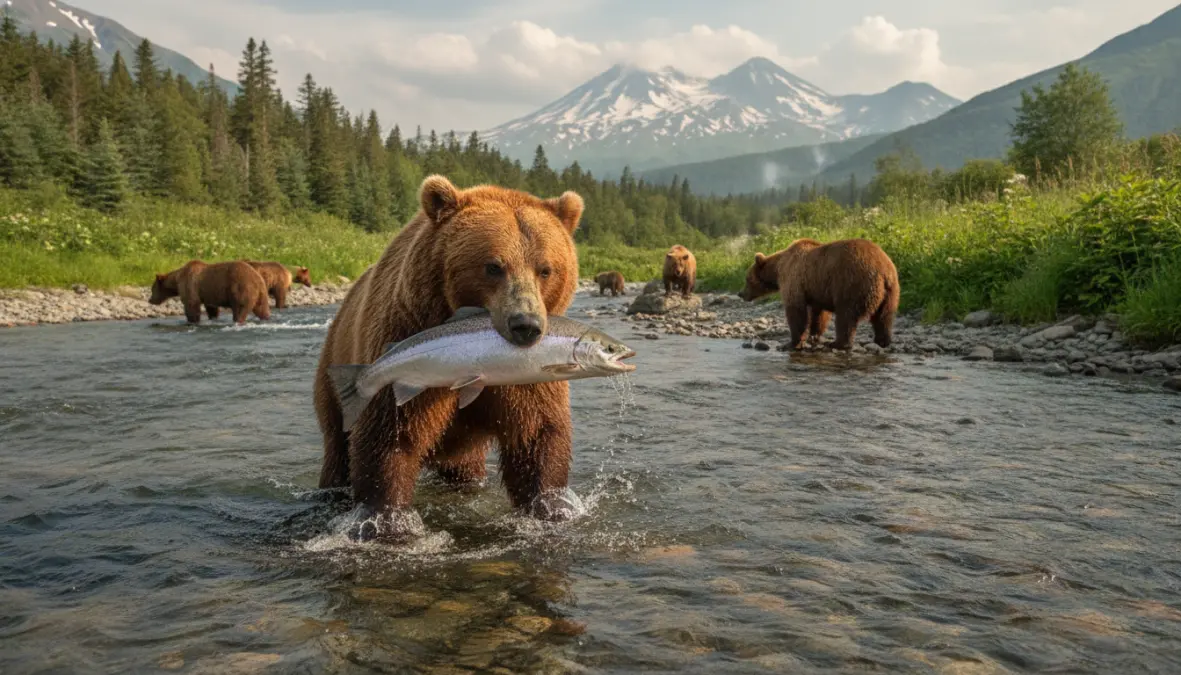
Wildlife here is equally impressive. Kamchatka is home to the world’s largest population of brown bears—an estimated 20,000 bears roam freely, fishing for salmon in pristine rivers and wandering volcanic slopes. Stellar sea eagles, snow sheep, and Arctic foxes complete an ecosystem that has remained largely unchanged for millennia. The local indigenous communities, including the Itelmen and Koryak peoples, maintain cultural traditions deeply connected to this volcanic land, adding a fascinating human dimension to your kamchatka peninsula travel experience.
Planning Your Kamchatka Russia Guide: Essential Information
Planning a trip to this remote wilderness requires more preparation than your typical vacation, but the rewards are absolutely worth the effort. Here’s what you need to know to make your kamchatka travel guide planning as smooth as possible.
Getting There and Entry Requirements
If you’re wondering how to get to Kamchatka Peninsula, your journey starts with Petropavlovsk-Kamchatsky, the regional capital and main gateway. Regular flights operate from Moscow (approximately 9 hours) and Vladivostok (around 3 hours). There are no roads connecting Kamchatka to the rest of Russia—flying is your only option unless you fancy a very long sea voyage.
All international visitors need a Russian visa, which requires an invitation letter from a registered tour operator or hotel. Process this well in advance, as it can take several weeks. Additionally, certain protected areas require special permits, particularly for the Valley of Geysers and parts of the nature reserves. Most tour operators handle these kamchatka peninsula permits and regulations as part of their packages, which simplifies the bureaucracy considerably. Keep in mind that some border zones have restricted access due to military installations.
Best Time to Visit and What to Pack
The best time to visit Kamchatka Russia depends on your interests. Summer (June through September) offers the most accessible conditions for volcano hiking, bear watching, and exploring the wilderness. July and August bring warmer temperatures (15-20°C during the day) and the famous salmon runs that attract massive bear congregations at Kuril Lake and other spawning grounds.
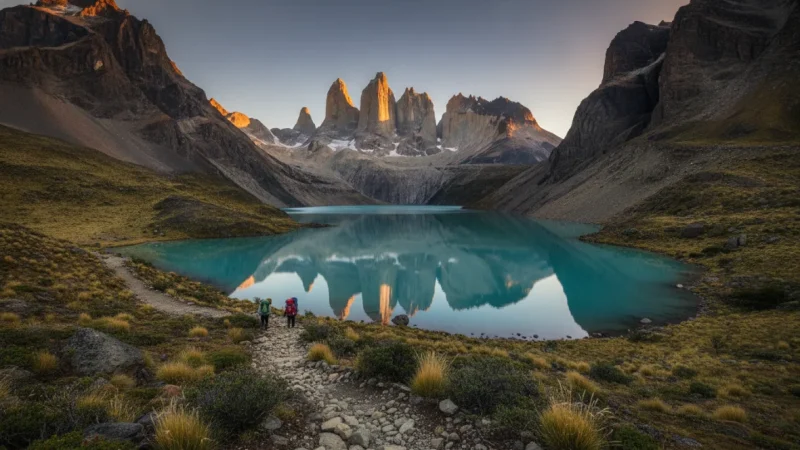
Winter (December through March) transforms Kamchatka into a backcountry skiing paradise, with helicopter-accessed powder runs and dramatic snow-covered volcanic landscapes. Temperatures can plummet to -20°C or lower, so proper gear is critical. Similar to planning for extreme destinations like Patagonia’s wilderness treks, you’ll need technical outdoor equipment: waterproof hiking boots, layered clothing, thermal base layers, quality rain gear, and a sturdy backpack. A good packing organization system helps manage specialized gear efficiently.
Top Experiences: Kamchatka Volcano Tours and Wilderness Activities
Kamchatka volcano tours are the crown jewel of any visit. The iconic Avachinsky volcano, standing at 2,741 meters, offers a challenging but achievable one-day climb with spectacular views of an active crater. Mutnovsky volcano features acidic lakes, fumaroles, and a surreal landscape of sulfur deposits that look straight out of a sci-fi movie. For experienced trekkers, Tolbachik’s recent eruptions (as late as 2012-2013) have created fresh lava fields you can explore with guides.
The Valley of Geysers deserves special mention as one of Russia’s greatest natural treasures. This remote canyon contains over 90 geysers and countless hot springs in a concentrated six-kilometer area. Due to environmental protection, access is strictly controlled through helicopter tours Kamchatka operators offer—typically expensive but absolutely unforgettable. The aerial approach also provides stunning views of the volcanic landscape below.
Brown bears Kamchatka viewing is another bucket-list experience. Kamchatka bear watching tours typically take you to Kuril Lake in the Southern Kamchatka Wildlife Sanctuary, where dozens of bears gather during salmon season. Professional guides ensure safe observation from designated platforms while these magnificent animals fish, play, and interact just meters away.
Beyond volcanoes and bears, what to do in Kamchatka Russia includes soaking in natural hot springs Kamchatka offers throughout the peninsula—some accessible by road, others requiring helicopter access. The contrast of relaxing in steaming thermal pools surrounded by snow-capped peaks is magical. Sport fishing for salmon and trout, sea kayaking along the Pacific coast, and surfing (yes, really!) at Khalaktyrsky Beach add diversity to your adventure. Just as visitors enjoy Budapest’s thermal baths for relaxation, Kamchatka’s wild hot springs offer therapeutic soaking in utterly pristine wilderness settings.
FAQ: Kamchatka Travel Questions Answered
Is it safe to travel to Kamchatka?
Yes, kamchatka tourism is generally very safe when you follow proper precautions. The main risks come from the wilderness itself—volcanic activity, wildlife encounters, and weather changes—rather than crime or political instability. Always travel with experienced guides for volcano hikes and bear viewing.
How expensive is Kamchatka?
Honestly, the kamchatka peninsula travel cost is significant. Budget around $200-400 per day including accommodation, tours, and meals. Helicopter tours can add $500-1,000+ per excursion. Flights from Moscow typically cost $500-800 round trip. It’s pricier than destinations like budget travel in Cape Town, but the exclusivity and experience justify the investment.
Do I need a tour guide?
For most activities, absolutely yes. The wilderness is vast and potentially dangerous without proper knowledge. Independent travel around Petropavlovsk-Kamchatsky is possible, but for kamchatka volcano hiking tours, Valley of Geysers visits, and bear watching, professional guides are both legally required and practically essential.
Can I see bears safely?
With proper guided tours, bear viewing is remarkably safe. Guides understand bear behavior, maintain safe distances, and use designated observation areas. The bears are generally focused on fishing and largely ignore human observers when protocols are followed correctly.
What’s the food like?
Expect lots of fresh seafood—salmon, crab, and caviar are local staples. Russian cuisine dominates, with hearty soups, dumplings, and bread. In Petropavlovsk, restaurants offer international options, but in remote areas, meals are simpler and often prepared by tour operators.
The Kamchatka Peninsula represents adventure travel in its purest form—a place where nature’s raw power and untamed beauty create experiences you simply cannot find anywhere else on Earth. Whether you’re watching bears fish for salmon beneath smoking volcanoes, soaking in wilderness hot springs, or standing at the rim of an active crater, this kamchatka russia guide opens the door to one of our planet’s last great frontiers. Start planning now, respect the wilderness, and prepare for the journey of a lifetime. Just remember to stay alert for common travel scams when booking tours, and you’ll be set for an authentic Kamchatka adventure.