Faroe Islands vs Iceland: Complete Comparison for Your Nordic Adventure
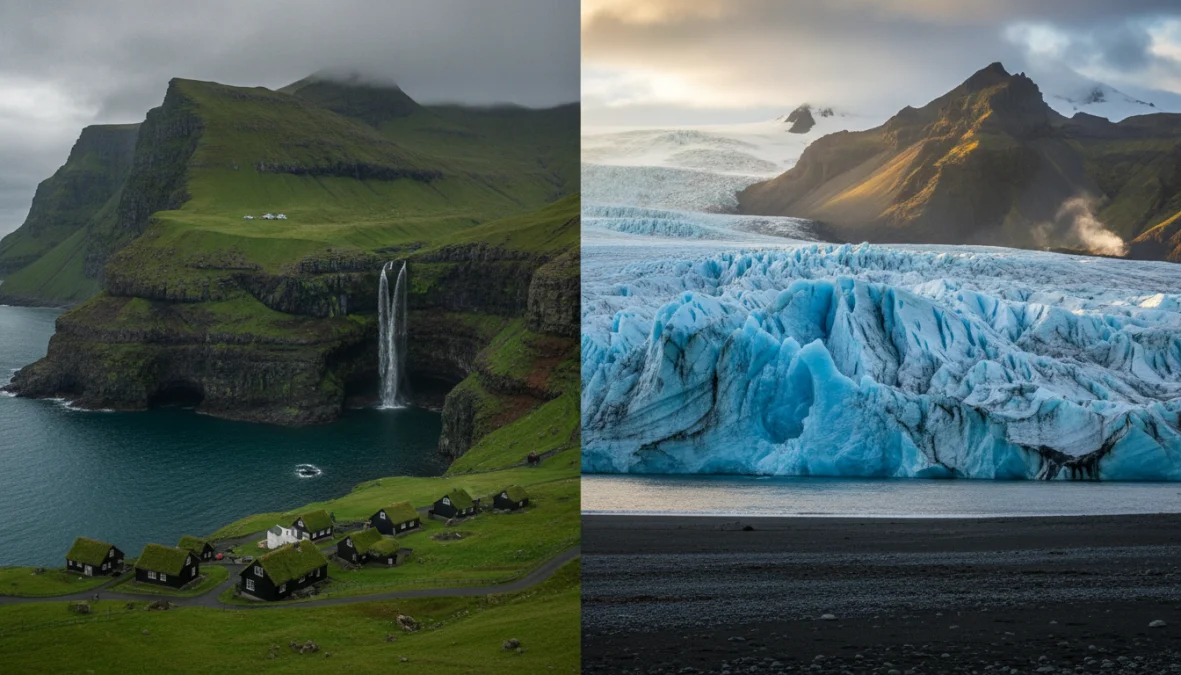
Choosing between two of the North Atlantic’s most stunning destinations isn’t easy. Both the Faroe Islands vs Iceland debate challenges travelers seeking authentic nordic destinations and dramatic natural beauty. While Iceland has become a tourism powerhouse with its iconic geysers and glacier lagoons, the Faroe Islands remain one of Europe’s best-kept secrets—a constellation of 18 rugged islands where sheep outnumber people and waterfalls tumble directly into the ocean. If you’re weighing iceland or faroe islands for your next adventure, this guide breaks down everything you need to make the right choice for your travel style and budget.
Faroe Islands vs Iceland: Key Differences at a Glance
Understanding the faroe islands iceland difference starts with their fundamental characteristics. Iceland spans 103,000 square kilometers with a population around 380,000, making it significantly larger and more developed. The Faroe Islands compared to Iceland are tiny—just 1,400 square kilometers with barely 53,000 residents spread across their archipelago.
| Feature | Faroe Islands | Iceland |
|---|---|---|
| Size | 1,400 km² | 103,000 km² |
| Population | ~53,000 | ~380,000 |
| Annual Tourists | ~110,000 | ~2 million |
| Primary Landscapes | Cliffs, fjords, villages | Glaciers, volcanoes, geothermal areas |
| Tourism Level | Emerging | Well-established |
| Climate | Oceanic, changeable | Sub-arctic, variable |
Geographically, Iceland sits just below the Arctic Circle with vast volcanic plains and massive ice caps, while the Faroes lie between Iceland and Norway, characterized by steep mountains plunging into the sea. Culturally, both share Nordic heritage but Iceland maintains more international connections while the Faroes preserve a distinctly intimate, local atmosphere where Faroese language and traditions remain central to daily life.
Comparing Your Travel Experience: Landscapes, Activities & Atmosphere
The faroe islands vs iceland travel experience differs dramatically despite their geographic proximity. Your choice between visiting faroe islands vs iceland ultimately depends on what type of north atlantic islands adventure speaks to you.
Natural Landscapes and Scenic Beauty
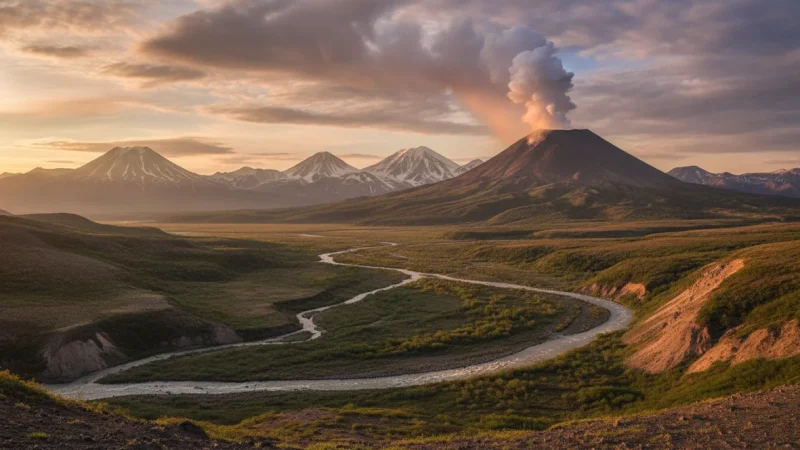
Iceland’s landscapes are famously diverse—black sand beaches, massive glaciers like Vatnajökull, active volcanoes, and geothermal wonders including the Blue Lagoon. The volcanic landscapes create otherworldly scenes with colorful rhyolite mountains and bubbling mud pools. Iceland’s Golden Circle showcases Gullfoss waterfall, Geysir geothermal area, and Þingvellir National Park where tectonic plates visibly separate.
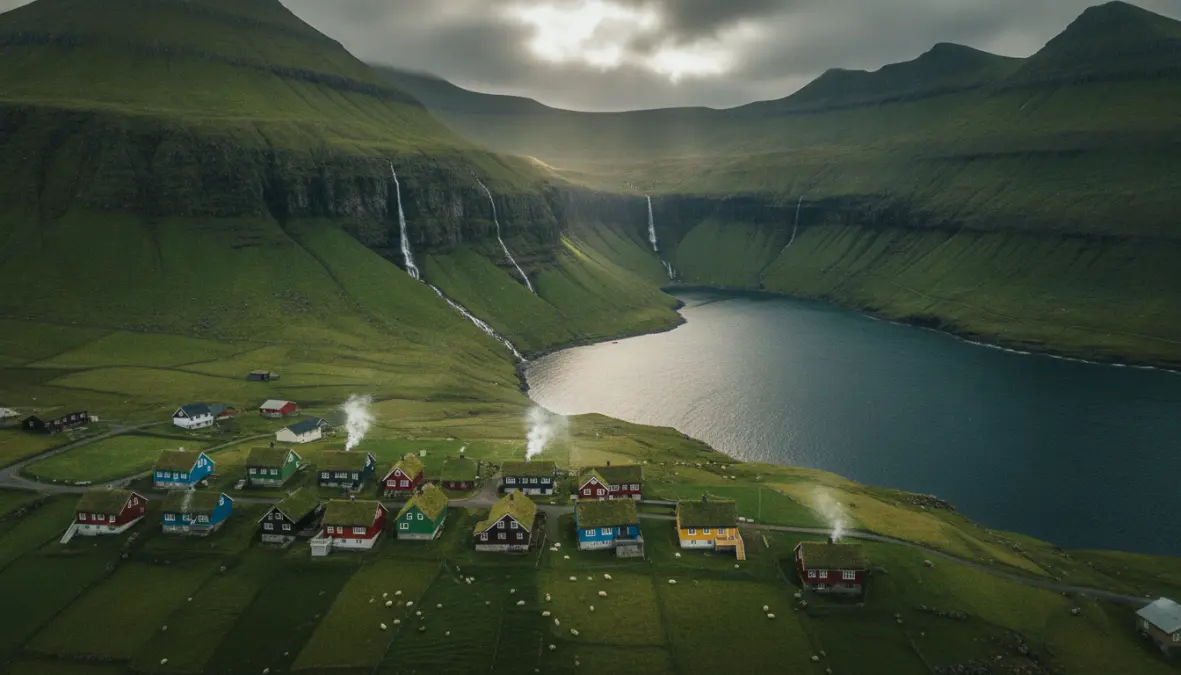
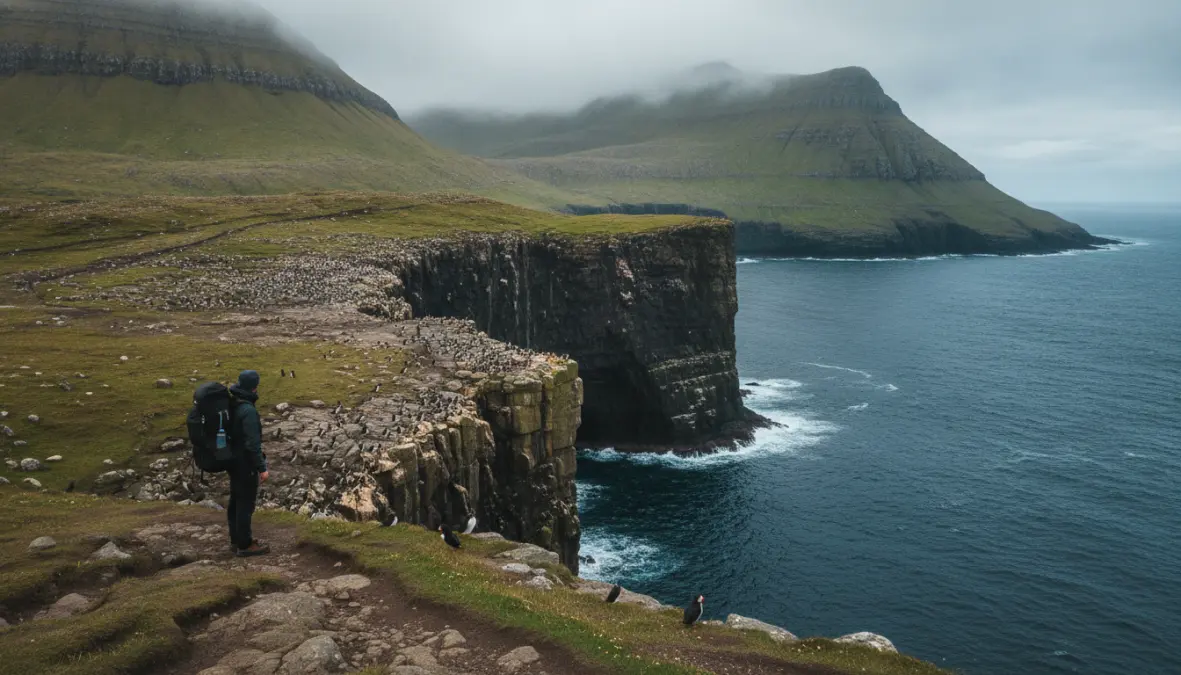
The Faroe Islands offer a completely different aesthetic—imagine emerald mountains striped with countless waterfalls, villages with turf-roofed houses clinging to hillsides, and seabird colonies numbering in the millions. The fjords and waterfalls here feel more intimate and vertical. Múlafossur waterfall cascades directly into the ocean at Gásadalur, while the lake above the ocean at Sørvágsvatn creates mind-bending perspectives. For photography, Iceland provides grand scale and geological diversity, while the Faroes deliver moody, vertical drama with charming cultural elements.
Activities, Tourism Infrastructure & Crowd Levels
This is where iceland vs faroe islands tourism diverges most significantly. Iceland offers extensive tour infrastructure—glacier hiking, ice cave tours, whale watching from multiple ports, snorkeling between continents at Silfra, and countless hot springs beyond the famous Blue Lagoon. Self-drive tours are straightforward with well-marked attractions and abundant accommodation options. However, popular sites like Seljalandsfoss waterfall or Diamond Beach can feel crowded during summer peak season.
The Faroe Islands cater more to independent explorers comfortable with fewer organized tours. Hiking is the primary activity, with trails ranging from coastal walks to challenging mountain ascents like Slættaratindur. Bird watching is exceptional—puffins, gannets, and storm petrels nest on dramatic sea cliffs. Infrastructure is improving but remains limited; you’ll find fewer tour operators and accommodation options concentrated mainly in Tórshavn. This creates a more authentic, undiscovered feeling but requires more planning flexibility.
Crowd levels tell the story: Iceland welcomes over 2 million annual visitors while the Faroes see roughly 110,000. If you’re wondering should i visit faroe islands or iceland as someone who dislikes tourist crowds, the Faroes win decisively. Iceland requires strategic timing and willingness to venture beyond the Ring Road’s famous stops to find solitude, similar to planning remote Canadian Rockies adventures where timing matters for avoiding crowds.
Practical Considerations: Budget, Accessibility & Best Time to Visit
Beyond landscapes and activities, practical factors often determine which destination fits your plans when comparing faroe islands vs iceland.
Getting There and Getting Around
Iceland’s Keflavík International Airport receives direct flights from North America, Europe, and beyond, making it highly accessible. The Ring Road (Route 1) circumnavigates the island with mostly paved roads, and rental cars are abundant. Public transportation exists but is limited outside Reykjavík, making car rental essential for exploration—much like planning a self-drive safari in Kruger where vehicle access is crucial.
The Faroe Islands require more effort to reach. Atlantic Airways and Scandinavian Airlines connect through Copenhagen or other European hubs. Vágar Airport serves as the sole entry point. Roads are excellent but involve numerous tunnels (some subsea and tolled) and single-lane sections. The sub-sea tunnel to Sandoy and the undersea roundabout are engineering marvels. Car rental is recommended, though helicopter services and ferry connections between islands offer alternatives. Villages connect via tunnels and causeways, making inter-island travel surprisingly manageable.
Cost Comparison and When to Go
If you’re asking faroe islands vs iceland which is cheaper, the answer is nuanced. Both are expensive scandinavian travel destinations, but Iceland generally costs slightly less due to greater competition. Expect Iceland accommodation from €80-150 per night for mid-range options, while Faroes run €100-180. Meals average €15-25 in Iceland, €18-30 in the Faroes. Rental cars cost similarly (€50-80 daily), but the Faroes add tunnel tolls. Iceland’s advantage lies in budget accommodation options like hostels and campgrounds being more abundant.
The best time to visit faroe islands vs iceland depends on your priorities. For Iceland, June-August offers midnight sun, warmest weather (10-15°C), but maximum crowds and prices. September-October provides Northern Lights potential with fewer tourists. The Faroes experience similar patterns but with even more unpredictable weather—locals joke about experiencing four seasons in one day. Summer (June-August) brings 19+ daylight hours, nesting seabirds, and the best hiking conditions. For northern lights locations, Iceland is superior due to darker skies and better infrastructure, though the Faroes can deliver aurora displays with less light pollution outside Tórshavn.
Winter visits to both destinations require preparation for harsh conditions but offer unique experiences—ice caves in Iceland, dramatic storm watching in the Faroes. Consider the weather variability similar to preparing for desert adventures where conditions dictate activities. Don’t forget proper packing organization with quality packing cubes to manage layered clothing systems both destinations require.
FAQ: Faroe Islands vs Iceland
Which is more beautiful, Faroe Islands or Iceland?
Beauty is subjective, but they offer different aesthetics. Iceland impresses with geological diversity—glaciers, volcanoes, and geothermal areas create dramatic contrasts. The Faroe Islands captivate with vertical landscapes, intimate villages, and moody atmospheric conditions. Iceland suits those who love vast, varied scenery; the Faroes appeal to those drawn to rugged, concentrated beauty and cultural charm.
Is Faroe Islands better than Iceland for first-time visitors?
For faroe islands vs iceland for first time visitors, Iceland typically wins. Better infrastructure, more tour options, easier logistics, and greater flight accessibility make it more forgiving for newcomers. The Faroes reward experienced travelers comfortable with independent planning and variable weather. If you’ve successfully navigated destinations like budget Galapagos travel, you’ll handle the Faroes fine.
Can you visit both Faroe Islands and Iceland in one trip?
Absolutely, especially if you have 10-14 days. Atlantic Airways operates direct flights between Vágar and Reykjavík (seasonal), making combined itineraries feasible. Allocate 3-4 days minimum for the Faroes, 5-7 for Iceland to avoid rushing. This combination creates a comprehensive arctic tourism experience, though it requires careful planning similar to coordinating multi-destination Greek island itineraries.
Which destination is cheaper overall?
Iceland edges slightly ahead on iceland vs faroe islands travel costs comparison. Accommodation, food, and tour options include more budget choices. However, if you camp and cook your own meals, cost differences narrow. Both rank among Europe’s priciest destinations—budget €100-150 daily per person minimum for modest travel in either location.
Are the Faroe Islands worth it compared to Iceland?
Absolutely, especially if you’ve already visited Iceland or prefer remote island getaways over established tourist trails. The Faroes offer authenticity, incredible hiking, dramatic seascapes, and unique cultural experiences without Iceland’s crowds. They’re particularly worthwhile for photographers, bird enthusiasts, and travelers who appreciate discovering places before they become mainstream—similar to seeking lesser-known safari destinations over famous parks.
Final Thoughts: The choice between these magnificent nordic destinations isn’t about which is objectively better—it’s about matching destination characteristics to your travel preferences. Iceland delivers accessibility, diversity, and infrastructure alongside stunning natural wonders. The Faroe Islands offer intimacy, authenticity, and dramatic beauty with fewer crowds but more logistical challenges. If you’re asking how to choose between faroe islands and iceland, consider your comfort with independent travel, crowd tolerance, and whether you prefer geological drama or vertical, moody landscapes. Whichever you choose—or better yet, both—these north atlantic islands promise unforgettable adventures that few places on Earth can match.