Patagonia Trekking Guide: Epic Hiking Trails and Adventure Routes in South America’s Wilderness
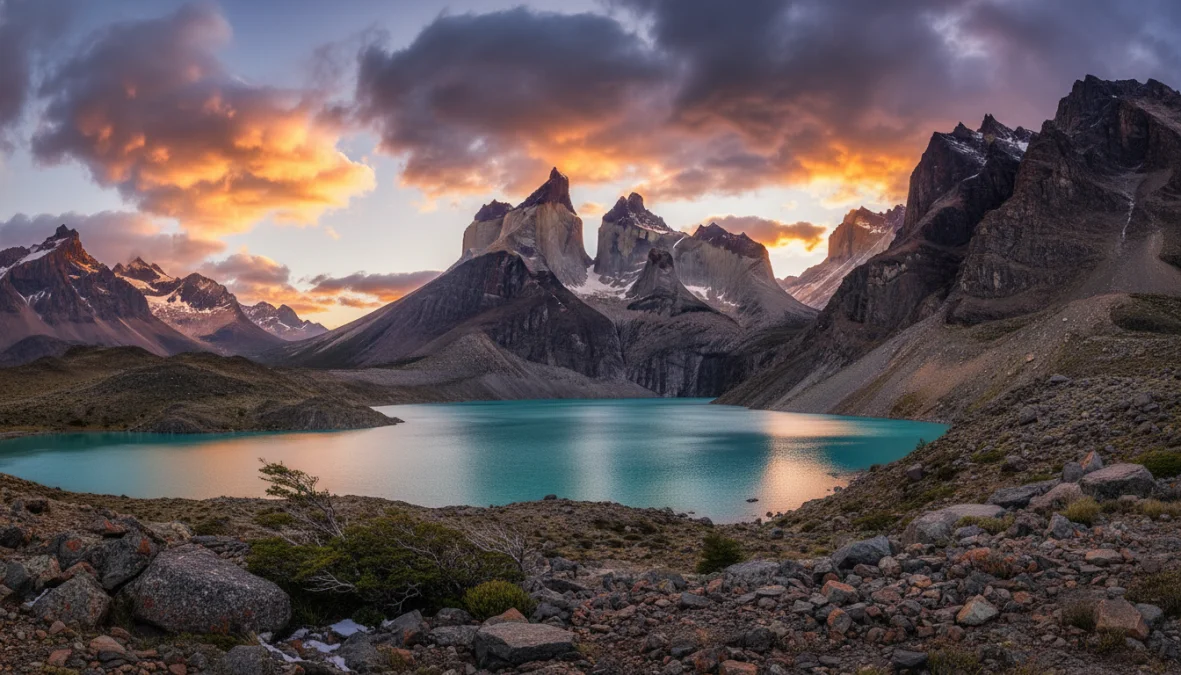
Picture this: jagged granite peaks piercing through swirling clouds, electric-blue glaciers calving into pristine lakes, and endless trails winding through some of the most dramatic wilderness on Earth. Welcome to Patagonia, where every step on a patagonia trekking guide adventure feels like walking through nature’s greatest masterpiece. Spanning the southern tip of both Argentina and Chile, this sub-antarctic wilderness offers trekking experiences that range from gentle day hikes to multi-week expeditions that’ll test even seasoned adventurers. Whether you’re drawn to the iconic spires of Torres del Paine or the legendary Fitz Roy trekking routes, this guide will help you navigate the essential trails, logistics, and hidden gems of southern hemisphere hiking at its absolute finest.
Essential Patagonia Trekking Routes: From Torres del Paine to Fitz Roy
The heart of any patagonia trekking guide lies in understanding the region’s flagship routes. These patagonia hiking trails have earned legendary status among backpackers worldwide, and for good reason. The Torres del Paine trek in Chilean Patagonia and Fitz Roy trekking routes in Argentina form the backbone of most visitors’ itineraries, but the southern patagonia routes extend far beyond these famous names.
When planning multi day trekking routes patagonia, you’ll want to factor in distance, elevation gain, and the notorious Patagonian weather. The best time to trek patagonia runs from October through April, with December to February offering the longest days and (relatively) mildest conditions. However, these peak months also bring crowds, so shoulder seasons provide excellent alternatives for those seeking solitude.
Torres del Paine: The W Trek and O Circuit
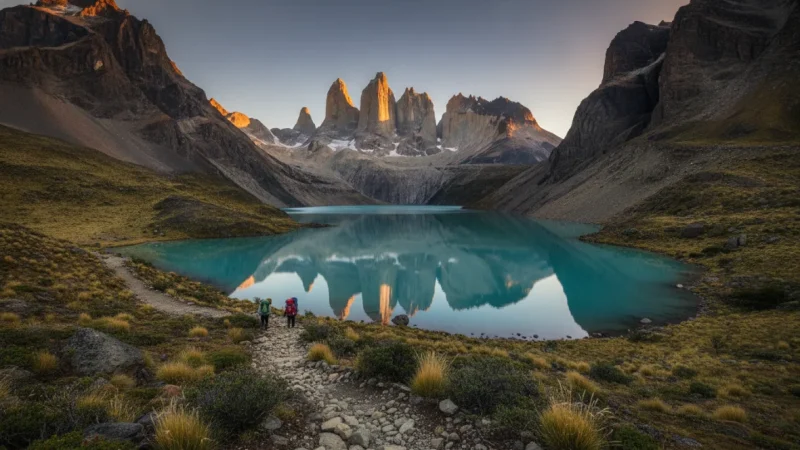
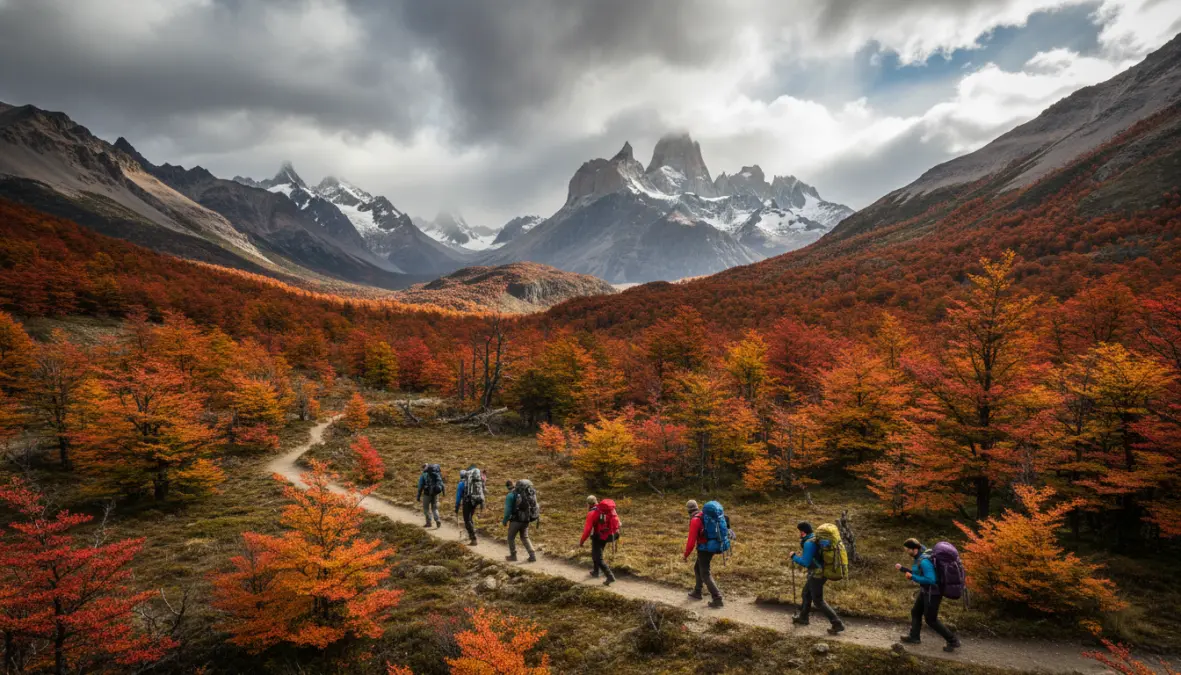
The W Trek is the most popular route in Los Glaciares National Park‘s Chilean counterpart, covering roughly 80 kilometers over 4-5 days. Named for its shape on the map, this moderate trek takes you past the Grey Glacier, up to the base of the Torres del Paine themselves, and through the stunning French Valley. The patagonia w trek vs o circuit debate is real: while the W can be tackled by those wondering about a patagonia trekking guide for beginners, the O Circuit demands 7-9 days and circumnavigates the entire Paine Massif, adding the remote backside with the challenging John Gardner Pass.
Permits are mandatory for both routes and book up months in advance, especially for the refugios (mountain huts). The patagonia camping sites along these trails include established campgrounds with facilities at Italiano, Francés, and Grey, though wild camping is prohibited. This is quintessential patagonia adventure travel, where you’ll witness condors soaring overhead and possibly spot a puma stalking guanacos across the pampas grasslands.
Fitz Roy and Cerro Torre: Argentina’s Trekking Jewels
On the Argentine side, El Chaltén serves as the trekking capital, offering access to some of the most spectacular day hikes and multi-day routes in the Andean mountain range. The trek to Laguna de los Tres delivers that iconic postcard view of Fitz Roy’s 3,405-meter granite spire, while Laguna Torre showcases Cerro Torre’s impossibly steep faces. These trails showcase different patagonia trekking difficulty levels—Laguna de los Tres involves a steep final ascent of 400 meters in just 1 kilometer, while Laguna Torre offers gentler gradients.
The Huemul Circuit represents the area’s most challenging option: a 4-day loop through truly remote terrain involving glacier crossings, river fords, and exposure that demands navigation skills. This is where patagonia trekking tours with guide make absolute sense, as the route is poorly marked and conditions change rapidly.
Planning Your Patagonia Backpacking Adventure: Logistics and Practical Tips
Any comprehensive patagonia backpacking guide needs to address the nitty-gritty of how to plan patagonia trekking trip logistics. Getting to Patagonia typically means flying into Punta Arenas or Puerto Natales for Chilean routes, or El Calafate for Argentine trails. From there, buses connect to trailheads, though rental cars offer greater flexibility for exploring multiple regions.
Understanding what to pack for patagonia trekking is crucial—the weather here is famously unpredictable, with all four seasons possible in a single day. Essential gear includes waterproof layers, a robust tent if camping, a sleeping bag rated for at least -5°C, and the layering system to handle everything from blazing sun to horizontal sleet. Trekking poles aren’t optional; they’re mandatory for the uneven, often muddy terrain.
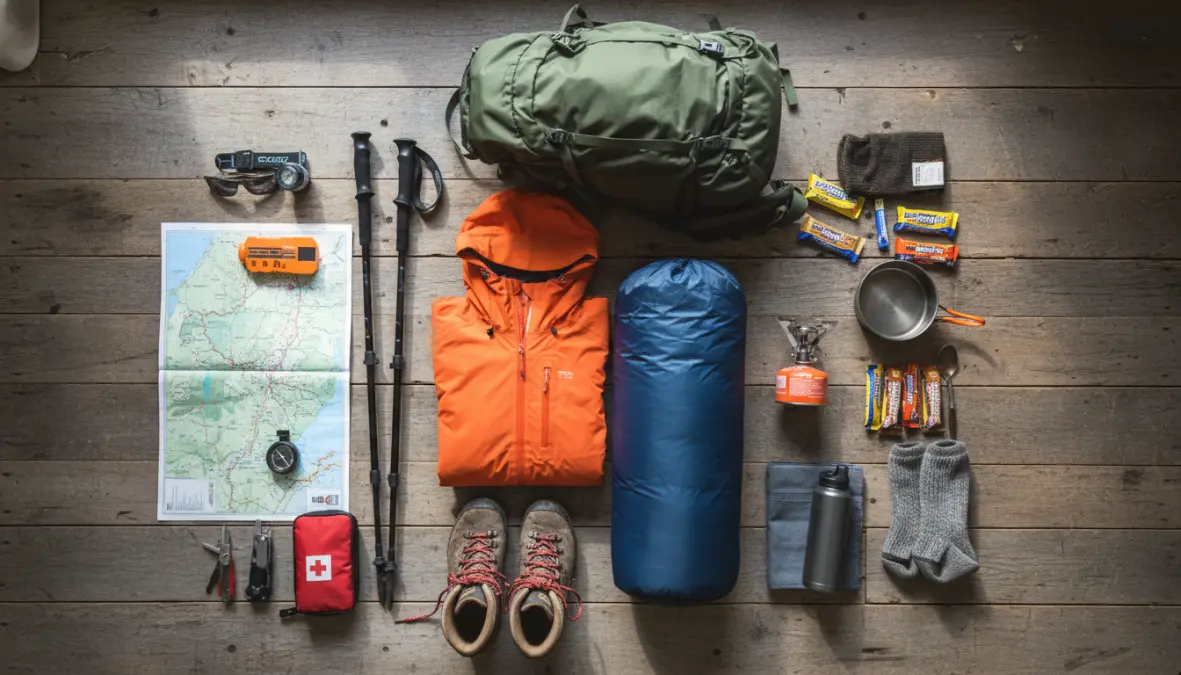
The patagonia camping sites system varies between countries. In Torres del Paine, you must book designated campsites in advance through official operators like Vertice or Fantastico Sur. Refugios offer bunks and meals but cost significantly more. In Argentina around El Chaltén, most established campgrounds remain free and operate on a first-come basis, though facilities are more basic. Budget-wise, expect to spend $50-80 per day for camping and self-catering, or $150-200+ for refugio stays with meals.
Permits for Torres del Paine must be arranged online before arrival, with park entry fees separate from camping reservations. Argentine parks like Los Glaciares charge modest entry fees payable at ranger stations. The takeaway for your patagonia backpacking guide planning: book Torres del Paine accommodation 4-6 months ahead for peak season, while Argentine routes offer more spontaneity.
Beyond Trekking: Adventure Activities in Patagonia’s Wilderness
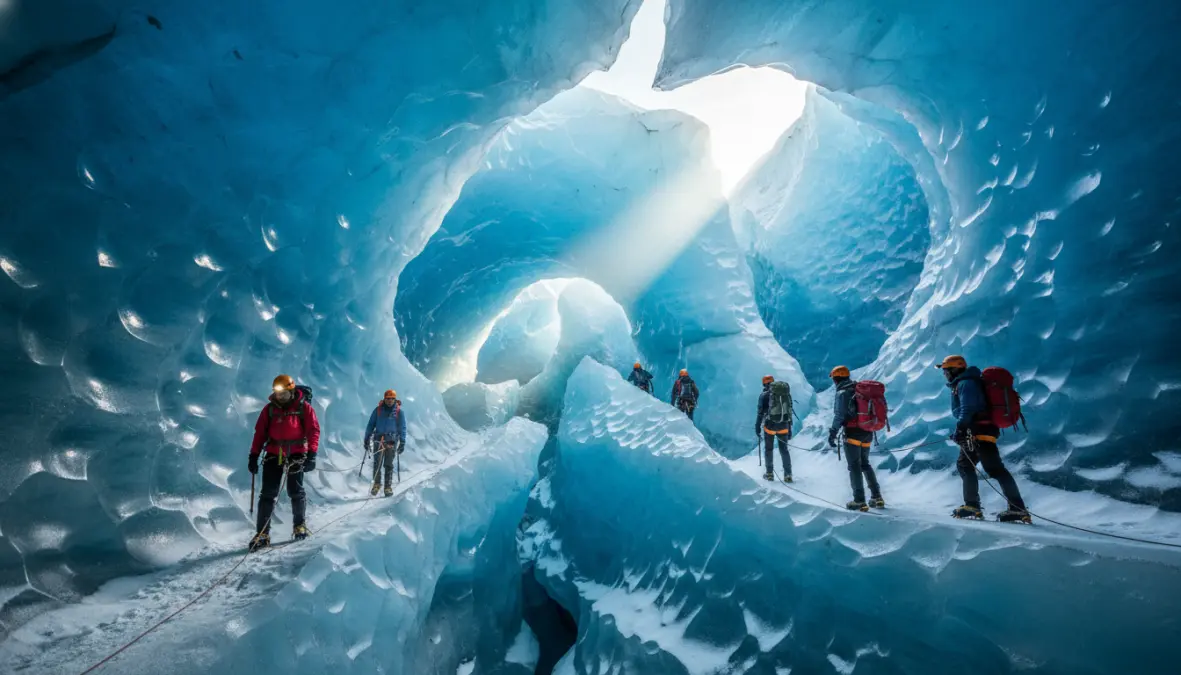
The best patagonia adventure travel itineraries combine hiking with other wilderness experiences. Ice trekking on the Perito Moreno Glacier near El Calafate is absolutely unforgettable—strapping on crampons and exploring the crevasses and blue ice caves of this advancing glacier. Similarly, ice hikes on Grey Glacier can be arranged from Torres del Paine.
Down in Tierra del Fuego, the world’s southernmost national park offers coastal trekking with a completely different flavor, where mountains meet the Beagle Channel. Navigation excursions here let you spot sea lions, penguins, and if you’re lucky, orcas. Back in the northern glaciers argentina chile region, kayaking on Lago Grey or Lago Argentino provides perspectives on icebergs and glacier faces impossible to achieve on foot.
Rock climbing enthusiasts will find world-class granite in the Fitz Roy area, though routes demand serious technical skills. Wildlife photography opportunities abound throughout—Andean condors with 3-meter wingspans, herds of guanacos grazing the grasslands, and the rare chance of photographing an elusive puma. These activities transform a simple trekking trip into a comprehensive exploration of Patagonia’s sub-antarctic wilderness.
Patagonia isn’t just a destination; it’s a pilgrimage for anyone who craves raw, unfiltered nature. The trails here don’t just challenge your legs—they recalibrate your entire sense of scale and beauty. Whether you’re tackling the full O Circuit or just spending a few days around El Chaltén, this remote corner of South America delivers experiences that stay with you forever. So start planning, book those permits, and prepare for the adventure of a lifetime. The granite spires and glacier-fed lakes are waiting, and trust me, no patagonia trekking guide can fully capture the magic until you’re standing there, wind in your face, surrounded by the most spectacular wilderness on the planet.