Azores vs Madeira: Complete Portuguese Islands Comparison for Nature Lovers
Choosing between Portugal’s stunning Atlantic islands can feel like picking a favorite child. Both the Azores and Madeira offer incredible natural beauty, but they deliver completely different experiences for nature enthusiasts. The azores vs madeira debate isn’t about which is objectively better—it’s about finding your perfect match. Whether you’re drawn to raw volcanic landscapes and whale watching or prefer subtropical gardens and network of levada trails, this guide will help you decide which Portuguese archipelago deserves your next adventure.
Azores vs Madeira: Understanding the Key Differences
The azores madeira difference starts with geography. The Azores consists of nine volcanic islands scattered across the mid-Atlantic, roughly 1,500 km west of mainland Portugal. Madeira sits closer to Africa than Europe, about 1,000 km southwest of Lisbon, and includes the main island, Porto Santo, and two uninhabited nature reserves. This portuguese islands comparison reveals fundamentally different archipelagos in size, climate, and character.
The Azores sprawls across a vast area with each island offering distinct personalities—from São Miguel’s crater lakes to Pico’s towering volcano and Flores’ waterfalls. Madeira is more compact and focused, with most visitors exploring the main island’s mountains and coast. Accessibility differs significantly: Madeira receives more direct international flights and cruise ships, making it easier to reach from Europe. The Azores requires island-hopping flights or ferries to experience its full diversity, demanding more time and planning.
Climate-wise, Madeira enjoys a stable subtropical climate with mild winters and warm summers, earning its “eternal spring” reputation. The Azores experiences more dramatic weather changes, with microclimates creating sudden shifts from sunshine to rain. This makes Madeira more predictable for planning, while the Azores offers more dramatic atmospheric conditions that nature photographers adore. Similar to planning journeys like the Norwegian fjords where weather plays a crucial role, understanding these climate differences is essential for your azores vs madeira decision.
Nature and Landscapes: Which Island Offers Better Natural Experiences
The heart of the azores vs madeira nature comparison lies in what kind of natural environments speak to your soul. Both archipelagos protect UNESCO-recognized ecosystems and harbor endemic species found nowhere else on Earth, but their landscapes couldn’t be more different in texture and feel.
When asking which is better azores or madeira for nature lovers, consider this: the Azores delivers raw, untamed wilderness with dramatic volcanic landscapes that feel prehistoric. Madeira offers meticulously accessible natural beauty with cultivated elements harmonizing with wild spaces. The Azores appeals to adventurers seeking isolation and discovery; Madeira attracts those who want spectacular nature without sacrificing comfort and infrastructure.
Azores: Raw Volcanic Beauty and Marine Adventures
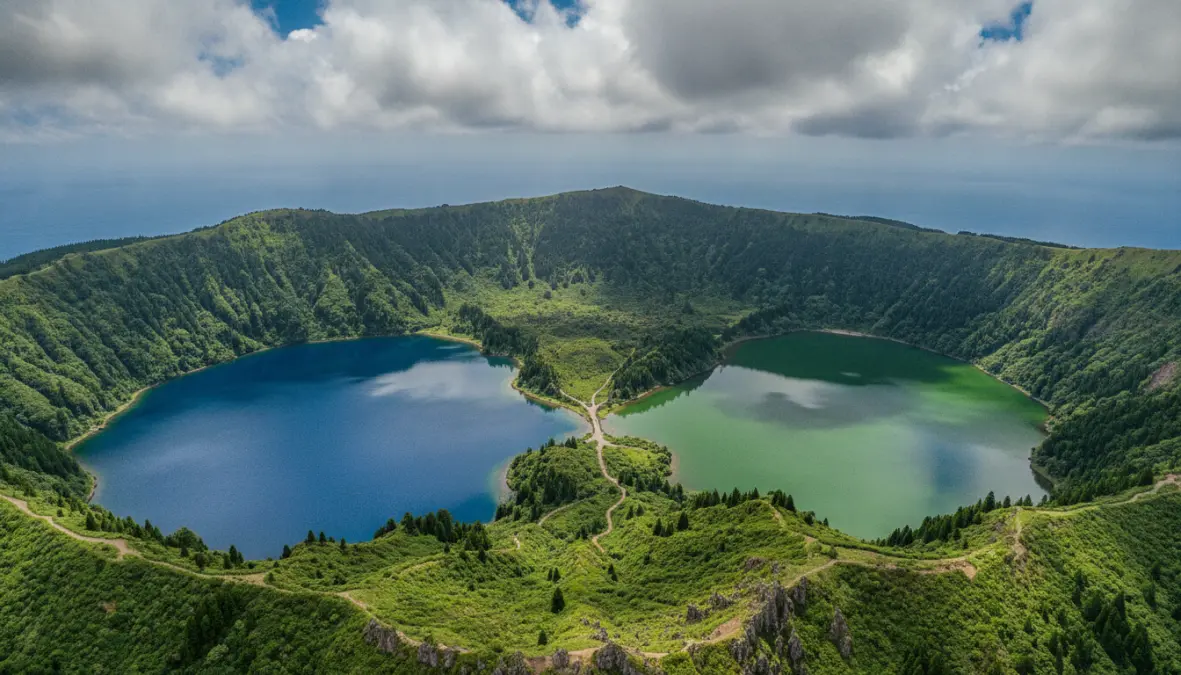
The Azores archipelago is a paradise for those asking should i visit azores or madeira for hiking if you prefer challenging, varied terrain. São Miguel’s Sete Cidades and Lagoa do Fogo feature stunning crater lakes in blues and greens that shift with the light. Pico Island’s 2,351-meter volcano offers Portugal’s highest peak climb, while Flores boasts some of Europe’s most dramatic waterfalls cascading down volcanic cliffs.
But the Azores truly shines in marine experiences. This is one of the world’s premier whale watching destinations, with over 20 cetacean species frequenting these waters year-round. Blue whales, sperm whales, and various dolphin species make regular appearances. The underwater volcanic formations create exceptional diving opportunities with unique marine biodiversity. Furnas on São Miguel offers geothermal hot springs and bubbling fumaroles where locals cook traditional “cozido” stew underground—a geological wonder you can taste.
The islands’ relative isolation has preserved wildness that feels increasingly rare in Europe. Each island maintains distinct character: Terceira’s underground lava tubes, Faial’s recent volcanic formations, and Corvo’s massive crater. For those seeking the best portuguese island for nature lovers who prioritize wildlife encounters and geological drama, the Azores delivers unmatched experiences.
Madeira: Lush Subtropical Paradise and Levada Trails
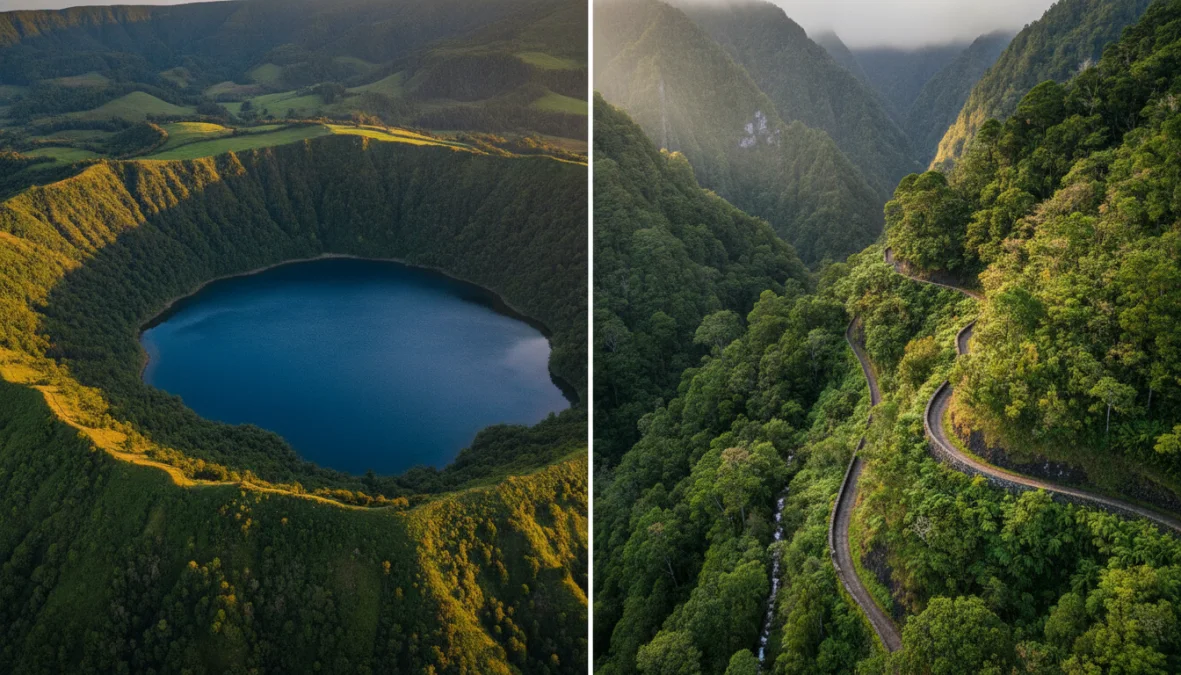
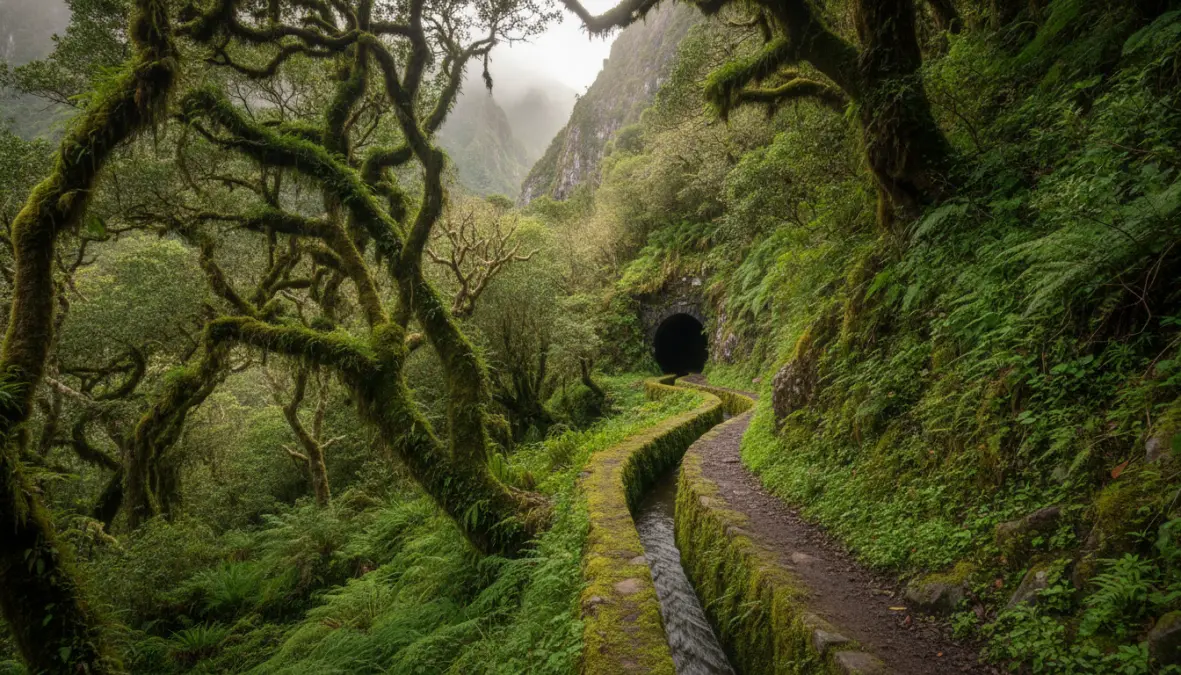
Madeira answers the question madeira or azores for nature lovers who prefer verdant forests over stark volcanic terrain. The island’s laurel forest (Laurisilva) is a UNESCO World Heritage site preserving ancient subtropical forest that once covered Mediterranean Europe. Walking through this misty, moss-draped ecosystem feels like entering a fairy tale.
The island’s irrigation channel system creates over 3,000 km of levada walks—flat or gently graded trails following water channels through spectacular landscapes. These make Madeira’s dramatic terrain accessible to hikers of varying abilities, from easy coastal walks to challenging mountain routes. The PR1 Vereda do Arieiro connects Pico Arieiro and Pico Ruivo through landscapes that rival alpine scenery, with tunnels carved through rock and vertiginous drops.
Madeira’s botanical richness is extraordinary, with colorful gardens showcasing both native and exotic species. The Monte Palace and Palheiro Gardens demonstrate how human cultivation enhances natural beauty. For those wondering azores vs madeira which has better landscapes for photography, Madeira offers more consistently dramatic vistas with lush foregrounds—jagged peaks draped in clouds above terraced vineyards and banana plantations cascading to the Atlantic. Like exploring Portugal’s Algarve coast, Madeira combines natural beauty with well-developed tourism infrastructure.
Making Your Choice: Azores or Madeira for Your Nature Trip
The madeira vs azores decision ultimately depends on your travel style, time, and priorities. Budget-conscious travelers should note that Madeira generally offers more accommodation options across price ranges and easier access, potentially reducing costs. The Azores requires inter-island flights or ferries, increasing expenses but rewarding with greater diversity.
Time availability matters significantly. Madeira delivers concentrated experiences—you can taste its essence in 4-5 days. The Azores demands at least a week to properly explore even 2-3 islands, with two weeks ideal for experiencing the archipelago’s diversity. If you’re comparing which is better azores or madeira with limited vacation days, Madeira maximizes impact per day.
For outdoor activities, consider your fitness level and preferences. Madeira’s levada system democratizes hiking, while the Azores often requires more endurance for remote trails. Marine enthusiasts asking azores or madeira for wildlife watching should strongly favor the Azores for whale watching, though Madeira offers excellent coastal birdwatching and occasional dolphin encounters.
Climate preference plays a role too. Madeira’s stable weather suits those wanting reliable conditions, while the Azores’ changeable climate creates dramatic skies beloved by photographers. Spring through early autumn works for both, but Madeira’s winters are milder and drier. Some adventurous travelers combine both archipelagos in extended trips, though this requires careful planning and sufficient time—similar to ambitious journeys like a Scottish Highlands road trip where multiple landscapes demand adequate time.
Frequently Asked Questions
Which is more beautiful, Azores or Madeira?
Beauty is subjective, but they offer different aesthetics. The Azores presents raw, dramatic volcanic beauty with crater lakes and untamed coastlines. Madeira delivers lush, subtropical landscapes with cultivated gardens complementing wild mountain terrain. Choose based on whether you prefer wild or refined natural beauty.
Is Madeira warmer than Azores?
Yes, Madeira generally has a warmer, more stable subtropical climate. Average temperatures range 16-22°C year-round. The Azores is slightly cooler with more rainfall and weather variability, averaging 14-24°C depending on season and island.
Should I visit Azores or Madeira for hiking?
Both offer exceptional hiking. Madeira’s levada trails provide more accessible routes with spectacular mountain scenery. The Azores offers more rugged, challenging terrain with greater variety across islands. Madeira wins for infrastructure and variety in difficulty levels; Azores excels for wilderness immersion.
Can you visit both Azores and Madeira in one trip?
Yes, though it requires at least two weeks to do justice to both. Direct flights between the archipelagos exist but aren’t daily. Most combine them by routing through Lisbon. This creates a comprehensive Portuguese island experience but demands significant time and budget.
Which island is more affordable?
Madeira typically offers better value with more accommodation and dining options across price points. The Azores can be more expensive due to inter-island travel costs and fewer budget options on smaller islands. However, both are reasonable compared to most European destinations.
Whether you choose the Azores’ volcanic drama or Madeira’s subtropical splendor, both archipelagos deliver unforgettable experiences for nature lovers. The difference between azores and madeira islands means you can’t go wrong—only different. Consider what calls to you: whale watching among volcanic islands or hiking through ancient laurel forests along mountain levadas. Your perfect Portuguese island adventure awaits in whichever direction your nature-loving heart leads you.