Luang Prabang Guide: Temples, Waterfalls & Slow Boat Adventure in Laos
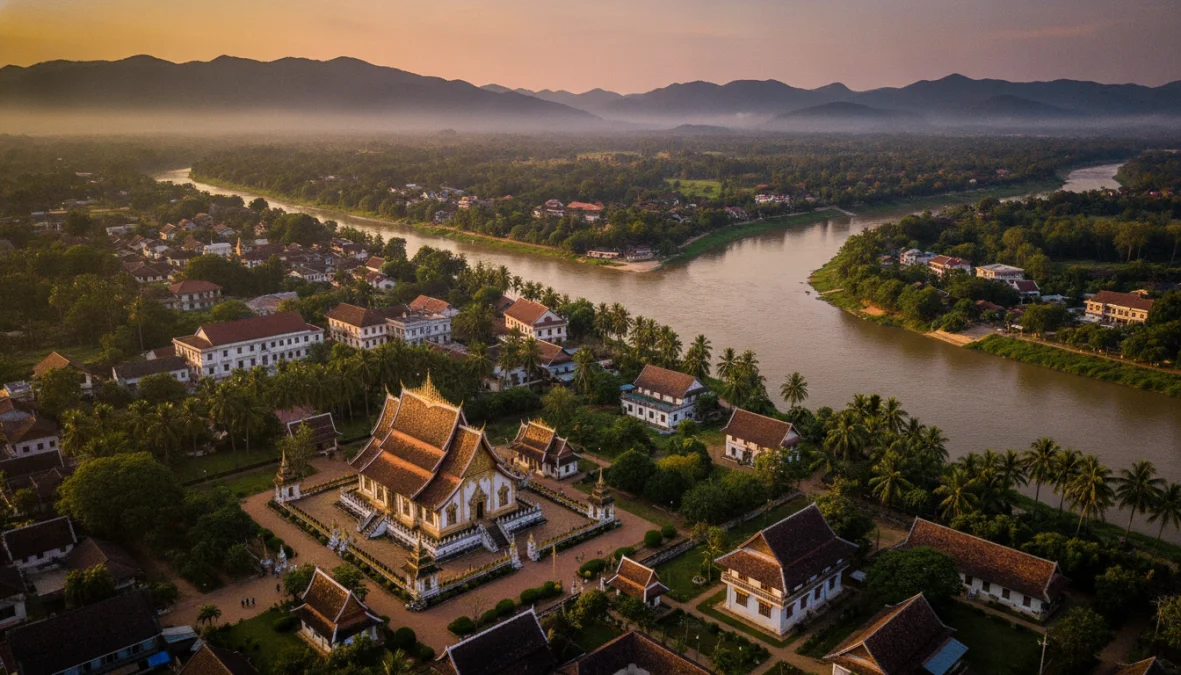
Nestled in the mountains of northern Laos, Luang Prabang feels like stepping into a postcard where ancient tradition meets colonial charm. This UNESCO World Heritage town sits at the confluence of the Mekong River and Nam Khan, offering a unique blend of gilded luang prabang temples, cascading waterfalls, and a pace of life that invites you to slow down. Whether you’re arriving via the iconic slow boat luang prabang route or planning a quick weekend escape, this luang prabang guide covers everything you need to experience the magic of this spiritual sanctuary.
Essential Temples and Spiritual Sites in Luang Prabang
When you visit luang prabang, the temples aren’t just tourist attractions—they’re living centers of Buddhist practice where saffron-robed buddhist monks still study and meditate. Wat Xieng Thong, built in 1560, stands as the crown jewel of luang prabang temples. Its sweeping rooflines reach nearly to the ground in classic Lao style, while the intricate mosaics depicting the Tree of Life shimmer with colored glass. Plan to spend at least an hour here exploring the various chapels and the stunning red chapel housing a funeral carriage.
Wat Mai, with its five-tiered roof and golden facade, sits near the Royal Palace Museum and showcases some of the finest Buddhist relief work you’ll see anywhere. For something older and more atmospheric, Wat Wisunarat (dating from 1513) features a unique watermelon-shaped stupa and houses a collection of ancient Buddha statues rescued from caves.
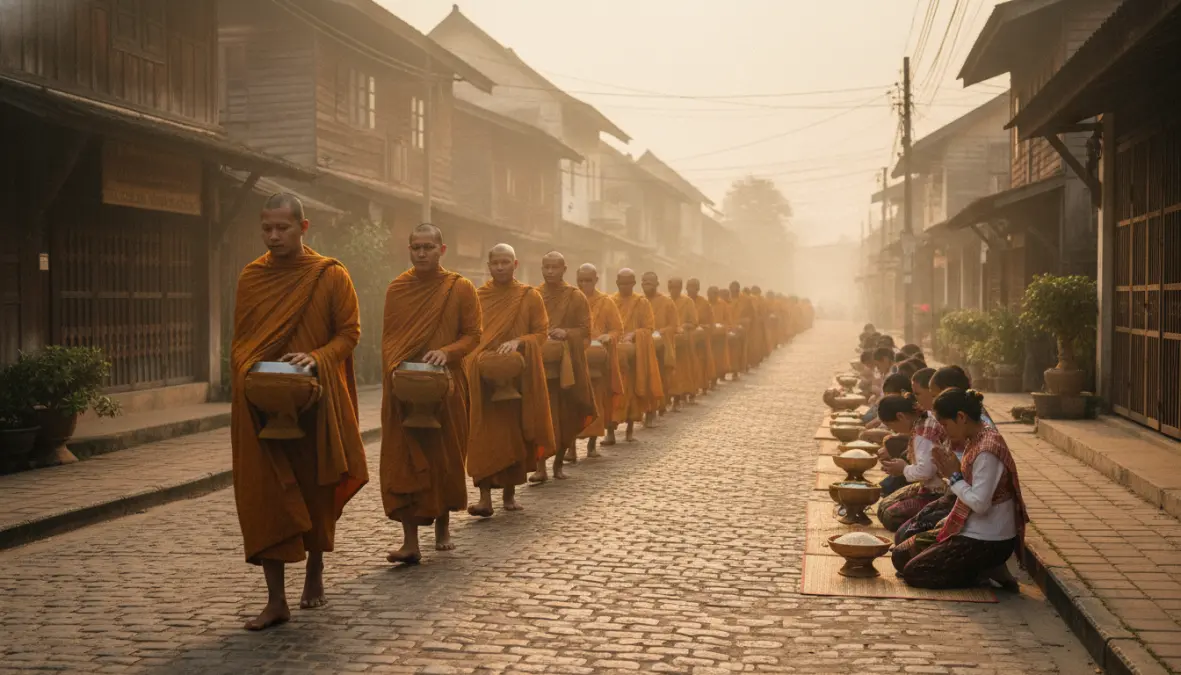
The luang prabang morning alms ceremony guide is essential reading before participating in this sacred ritual. Every morning around 5:30 AM, lines of monks walk barefoot through town collecting offerings from locals and tourists. If you choose to participate, dress modestly (shoulders and knees covered), purchase sticky rice from local vendors (not tourist shops), and kneel rather than stand. Remember: this isn’t a photo op—it’s an 800-year-old tradition. Many guesthouses now discourage participation unless you genuinely understand the cultural significance.
Cap off your temple exploration with a sunset climb up Mount Phousi. The 328 steps lead to panoramic views over the town’s french colonial architecture and the rivers below. Arrive 45 minutes before sunset to beat the crowds and watch the sky turn amber over the temple rooftops. Entry costs 20,000 kip (about $2).
Waterfalls and Natural Attractions Around Luang Prabang
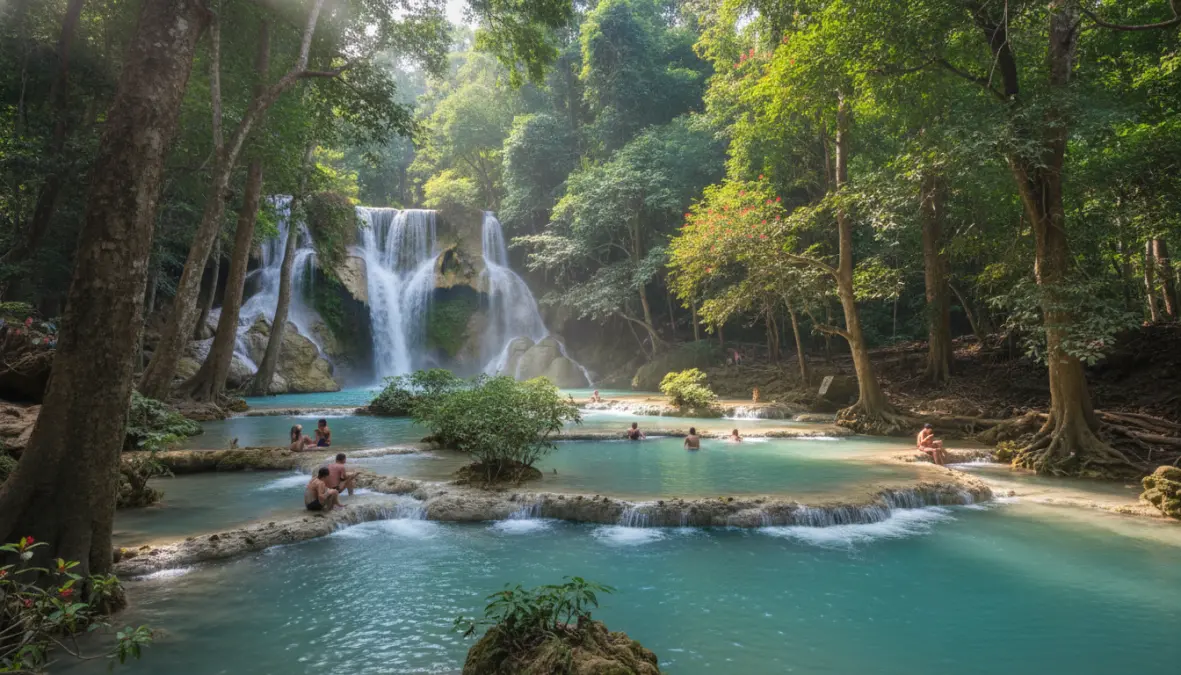
The turquoise pools of Kuang Si Falls rank among the most photographed spots in Laos, and deservedly so. Located 29km south of town, this three-tiered waterfall cascades into a series of mineral-rich pools where you can actually swim. If you’re wondering how to get to kuang si waterfall, you have several options: rent a scooter (150,000 kip/day), hire a tuk-tuk (around 250,000 kip roundtrip), or join a shared minivan tour (50,000 kip per person). The best time to visit luang prabang for waterfall adventures is November through February when water levels are perfect and temperatures comfortable.
Arrive early (gates open at 8 AM) to have the lower pools mostly to yourself. Bring swimwear, a towel, and waterproof bag for your phone—the temptation to jump in is irresistible. The main waterfall thunders down 50 meters and you can hike to the top for a different perspective. Entry costs 25,000 kip and includes access to the Free the Bears rescue center at the entrance, where Asiatic black bears rescued from the illegal wildlife trade now live in spacious enclosures.
Tad Sae Waterfall offers a quieter alternative, though it’s seasonal (best July-November). You’ll cross the Nam Khan River by boat to reach it. The Pak Ou Caves, accessible by boat up the Mekong River, house thousands of Buddha statues deposited over centuries. The two-hour boat ride (typically 100,000-150,000 kip) passes riverside villages and offers glimpses of rural Lao life. Pack sunscreen and snacks—boats don’t have shade or refreshments. For a comprehensive exploration, consider dedicating a full day in your luang prabang itinerary to the caves and nearby whiskey villages.
The Slow Boat Experience: Journey Along the Mekong River
The slow boat from thailand to luang prabang has achieved near-legendary status among Southeast Asia backpackers. This two-day journey from Huay Xai (on the Thai-Lao border) follows the Mekong River through remote mountain scenery, stopping overnight in the riverside village of Pak Beng. It’s called “slow” for good reason—expect 8-9 hours of travel each day.
Boats typically depart around 11 AM once enough passengers arrive. You’ll sit on basic wooden benches (cushions available for rent, highly recommended) alongside fellow travelers, local traders, and occasionally livestock. The scenery shifts from lush jungle to terraced hillsides, with glimpses of children waving from remote villages that rarely see vehicles. This isn’t luxury travel—it’s an authentic cultural immersion that shows you a Laos untouched by highways.
Tickets cost around 220,000-250,000 kip for the full journey and can be booked through guesthouses or directly at the pier (arrive early for better seats near windows). What to bring: cushion or sarong for padding, snacks and water (minimal food sold onboard), layers (mornings are chilly on the river), sunscreen, and entertainment like books or cards. Phone signal disappears quickly once you leave Huay Xai.
Overnight in Pak Beng ranges from basic guesthouses (100,000 kip) to slightly nicer options with hot water (200,000 kip). Book ahead during peak season (November-February) or arrive early to claim a room. The alternative? Speedboats cover the route in 6-7 hours but are noisy, uncomfortable, and environmentally questionable. Buses from Chiang Rai offer another option but you’ll miss the river perspective entirely. For travelers with time, the slow boat remains the definitive way to arrive in Luang Prabang, setting the perfect pace for this unhurried town. Just like taking the ferry between destinations in Greece (similar to our Athens to Santorini guide), the journey itself becomes part of the adventure.
Frequently Asked Questions
How many days do you need in Luang Prabang? A luang prabang 3 day itinerary covers the essentials: one day for temples and town exploration, one day for Kuang Si Falls and surrounding nature, and one day for the Pak Ou Caves or simply wandering the night market. Five days lets you truly embrace the slow pace without rushing.
What is the best time to visit? November through February offers the best time to visit luang prabang with comfortable temperatures (15-25°C), minimal rain, and lush post-monsoon scenery. March-May gets hot and hazy from agricultural burning. June-October brings rain but fewer crowds and vibrant green landscapes.
Is Luang Prabang worth visiting? Absolutely. It’s one of Southeast Asia’s most atmospheric towns, where spiritual heritage remains genuinely alive rather than preserved as a museum piece. The combination of accessible temples, natural beauty, and walkable colonial streets creates an experience quite unlike anywhere else in the region.
How to get around Luang Prabang? The old town is compact and best explored on foot. For outlying temples and waterfalls, rent bicycles (20,000-30,000 kip/day), scooters (100,000-150,000 kip/day), or hire tuk-tuks. Most attractions lie within a 30km radius, making day trips simple.
Where to stay in Luang Prabang? The peninsula between the rivers offers atmospheric guesthouses near temples and restaurants. Budget travelers find good value along the Nam Khan River side. For colonial charm, several beautifully restored french colonial architecture buildings now operate as boutique hotels, though prices reflect the ambiance.
Luang Prabang rewards those who arrive without overscheduling. Yes, you’ll want to see the famous temples and swim beneath Kuang Si, but leave room for wandering morning markets, sipping Lao coffee while monks pass by, and simply watching the Mekong flow past. Before you go, check out our packing cubes guide to stay organized, and be aware of common travel scams that can affect temple towns. This UNESCO treasure invites you not just to visit, but to pause and remember what travel felt like before everything moved so fast.