Kruger Self Drive Safari: Complete Guide to Routes, Camps, and Planning Your Adventure
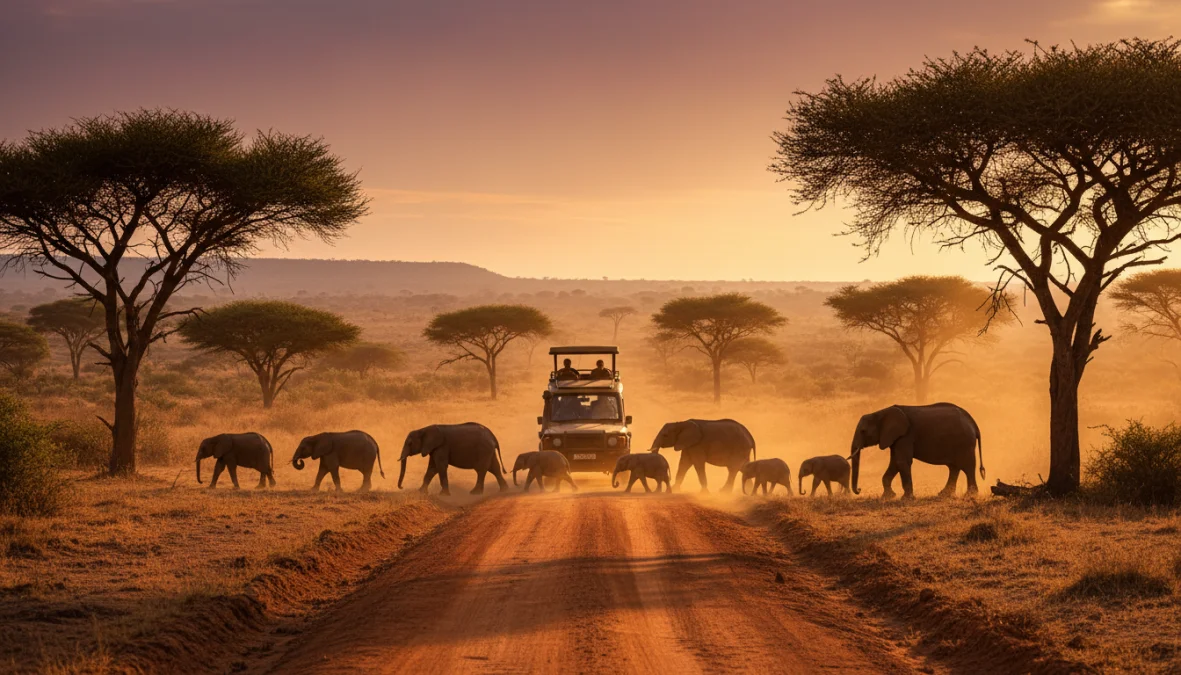
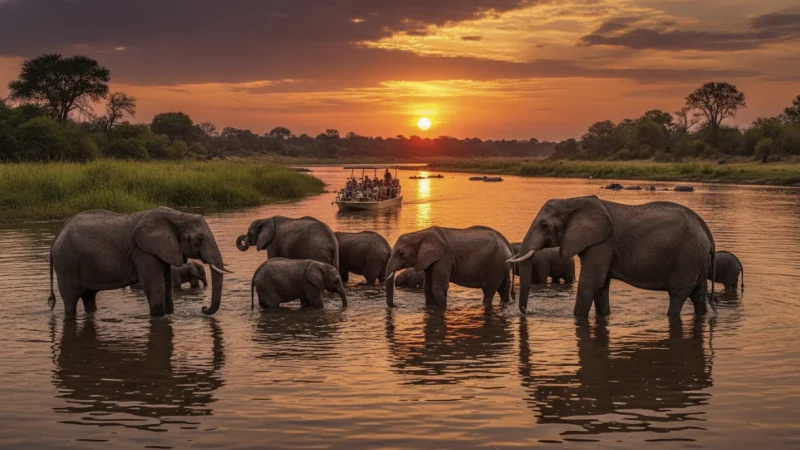
Picture this: you’re behind the wheel, cruising along a dusty savanna road as a herd of elephants crosses right in front of you. No rush, no schedule, just you and the wild. That’s the magic of a kruger self drive safari—pure freedom to explore one of Africa’s most iconic wildlife reserves at your own pace. Whether you’re a first-timer or a seasoned safari-goer, navigating Kruger National Park independently offers an adventure that’s as thrilling as it is budget-friendly.
Located in South Africa’s Mpumalanga province, Kruger is remarkably accessible and well-suited for self-drive adventures. With over 850km of paved and gravel roads, clearly marked rest camps, and wildlife around every corner, it’s no wonder this is one of the most popular self drive safari south africa destinations. Let’s dive into everything you need to know to plan the perfect kruger park self drive adventure.
Why Choose a Self Drive Safari in Kruger National Park
A self guided safari kruger offers unbeatable flexibility compared to organized tours. Want to spend an extra hour watching a leopard lounging in a tree? Go for it. Prefer early morning game drives over afternoon ones? You’re in control. This freedom to set your own pace is perhaps the biggest advantage of choosing self-drive over guided options.
Cost is another major factor. While private and group safaris can run thousands of dollars, a self-drive safari keeps expenses manageable. With daily conservation fees around $25 per person and affordable safari accommodation options starting from $50 per night, you can enjoy incredible wildlife spotting without breaking the bank.
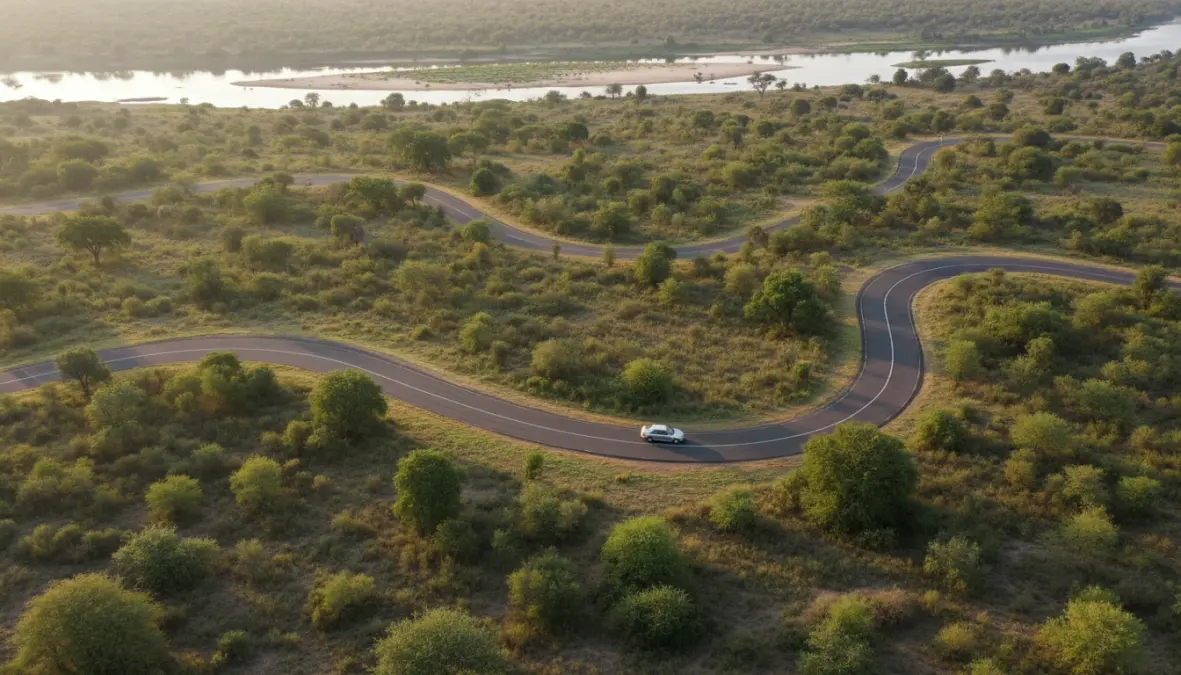
Safety-wise, Kruger is remarkably accessible. You don’t need advanced 4×4 skills—most main routes are well-maintained tar roads suitable for regular sedans. A valid driver’s license (international license recommended for non-South Africans) and basic road sense are all you need. The key is following park rules: stay in your vehicle, respect speed limits (typically 50km/h on tar, 40km/h on gravel), and stick to designated roads. If you’re looking for comprehensive planning advice, check out our ultimate safari planning guide for more insights.
Best Routes and Itineraries for Your Kruger Park Self Drive
Planning your kruger park itinerary means understanding that Kruger isn’t one uniform experience—it’s a diverse ecosystem spanning 19,485 square kilometers. The park is typically divided into three regions, each offering distinct landscapes and wildlife opportunities. The best routes for self drive safari kruger vary depending on your interests and available time.
For a 3-day trip, focus on one region. Five days allows you to combine southern and central areas, while a week lets you explore the entire park from south to north. Distances matter here—it’s about 400km from the southern tip to Punda Maria in the north, taking 6-8 hours of driving (at park speed limits). Most visitors spend 3-5 days, which provides ample game viewing opportunities without feeling rushed.
When considering how many days for kruger self drive safari, remember that quality trumps quantity. Spending two full days in one area often yields better sightings than rushing through multiple regions. Early mornings and late afternoons offer the best wildlife activity, so plan your drives accordingly.
Southern Kruger: Best for First-Timers
The southern section between Malelane and Skukuza gates is hands-down the most accessible region, making it perfect for those wondering how to plan a self drive safari in kruger for the first time. This area boasts excellent infrastructure, shorter distances from Johannesburg (about 4.5 hours), and consistently high wildlife densities.
The classic route from Crocodile Bridge to Lower Sabie along the H4-2 offers exceptional riverine habitat where you’ll often spot hippos, crocodiles, and the big five. The short 12km stretch between Lower Sabie and Skukuza is legendary for leopard sightings. Berg-en-Dal camp, nestled in mountainous terrain, provides a different landscape experience with white rhinos frequently seen nearby.
Southern Kruger’s advantage lies in its combination of diverse habitats—rivers, grasslands, and rocky outcrops—all within manageable driving distances. Most game loops here take 2-4 hours, perfect for morning or afternoon drives.
Central and Northern Kruger: For the Adventurous
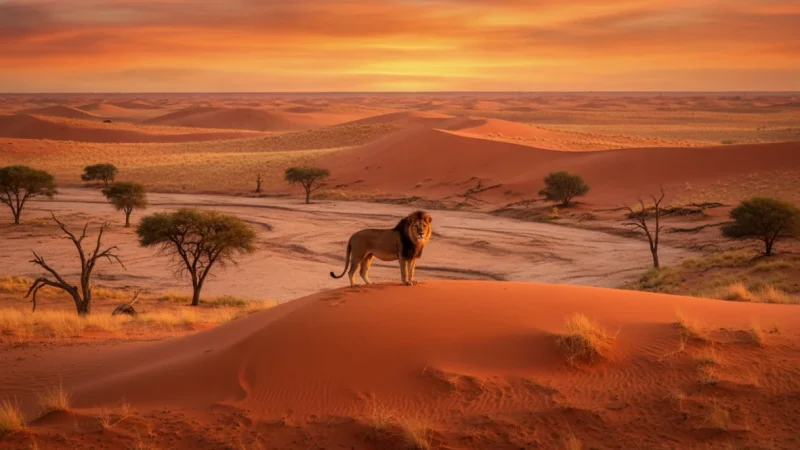
Central Kruger, particularly around Satara rest camp, is renowned for predator activity. The open plains between Satara and Orpen gate create ideal hunting grounds for lions and cheetahs. The S100 road west of Satara consistently ranks among the park’s best kruger national park routes for big cat encounters.
Northern Kruger, from Letaba upward, offers a completely different experience. The landscape becomes more rugged and remote, with mopane woodlands dominating. Punda Maria and the far northern Pafuri region see fewer tourists, providing a more wilderness-oriented experience. This area excels for birdwatching and offers unique species like eland and roan antelope. However, distances are greater—Punda Maria to Letaba is about 170km—so plan accordingly. The best time for kruger self drive safari in the north is during the dry winter months (May-September) when animals concentrate around water sources.
Kruger Rest Camps and Accommodation: Where to Stay During Your Self Drive Safari
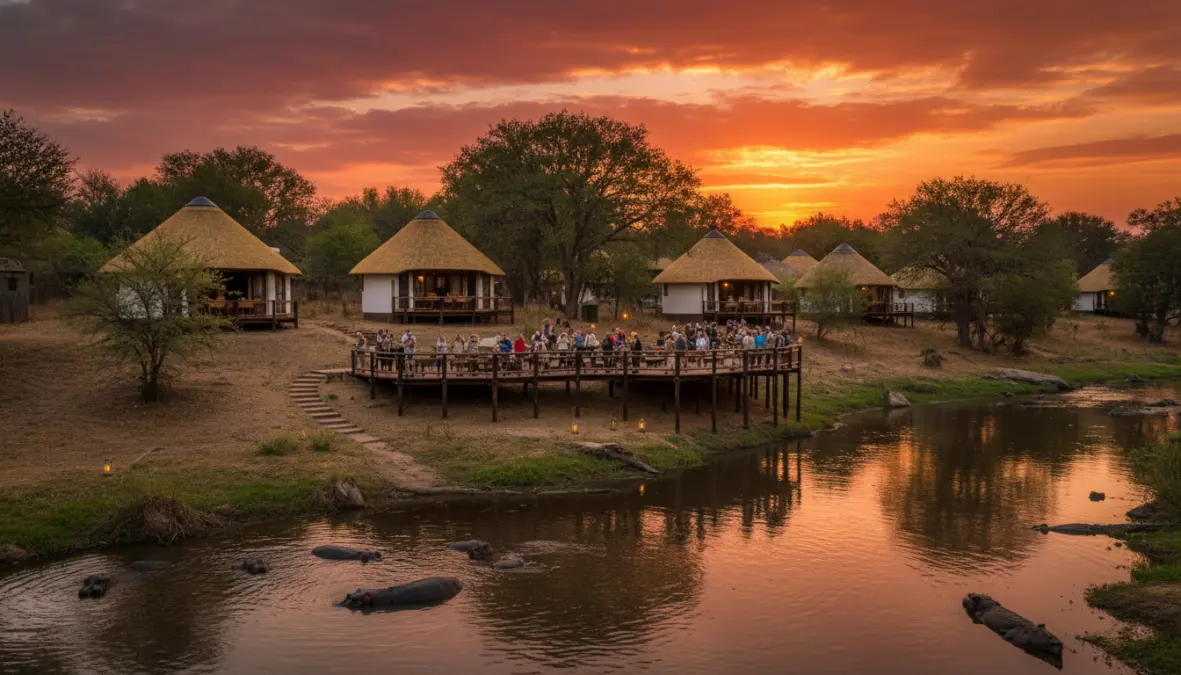
Your choice of kruger rest camps significantly impacts your safari experience. Kruger offers three main categories: large main camps with full amenities, smaller bushveld camps offering intimacy, and satellite camps providing basic facilities. Understanding these differences is essential for effective kruger safari planning.
Main camps like Skukuza (the largest), Satara, and Lower Sabie feature restaurants, shops, fuel stations, and various accommodation options from camping to luxury bungalows. These strategic locations serve as excellent bases for daily game drives. Lower Sabie, perched on a hillside overlooking the Sabie River, offers stunning sunset views and consistent wildlife activity right from camp. Satara’s central location makes it ideal for exploring both north and south, while Olifants camp provides spectacular elevated views over the Olifants River.
Bush camps like Bateleur, Shimuwini, and Talamati accommodate fewer guests (usually under 100) and provide a more intimate experience. They typically lack restaurants but have communal kitchens. When considering the best camps for self drive kruger safari, match your camp choice to your itinerary—staying in the south? Choose Berg-en-Dal, Lower Sabie, or Crocodile Bridge. Exploring central areas? Opt for Satara or Orpen.
Book well in advance—popular camps fill up 6-12 months ahead, especially during peak season (South African school holidays). Gate times vary by season (generally opening around sunrise and closing at sunset), so plan your drives to return with buffer time. Late arrivals can result in fines.
Essential Planning Tips for Your Kruger Self Drive Safari
Successful kruger safari planning starts with timing. The dry winter season (May-September) offers easier wildlife spotting as vegetation thins and animals gather at water sources. Summer (November-March) brings lush landscapes, newborn animals, and incredible birdlife, though afternoon thunderstorms can interrupt drives. For those wondering about the best time for kruger self drive safari, winter months typically provide more reliable sightings.
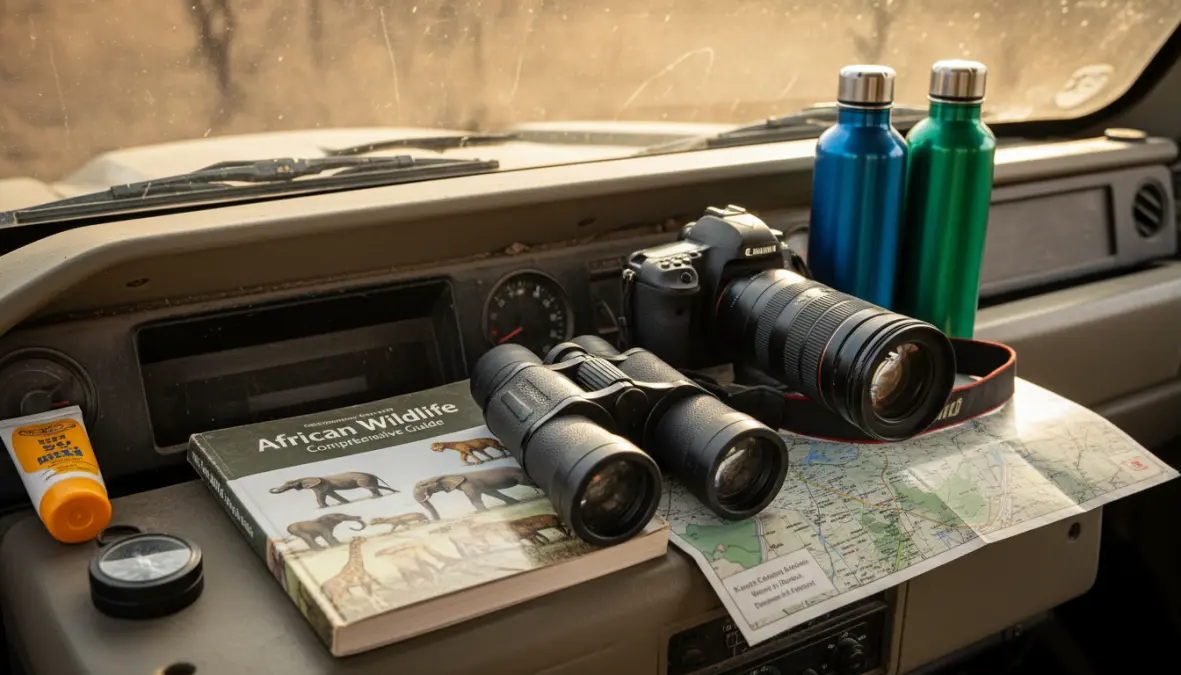
Essential items include quality binoculars (8×42 or 10×42), a good field guide to southern African wildlife, plenty of water (at least 2 liters per person daily), snacks, sunscreen, and a hat. Many visitors underestimate the time spent in vehicles—comfortable clothing and cushions make long drives more pleasant. Photography enthusiasts should bring telephoto lenses (300mm minimum) and beanbags for vehicle-window stabilization.
Understanding kruger national park self drive cost helps with budgeting. Daily conservation fees run approximately $25 per adult. Accommodation ranges from $20 for camping to $200+ for luxury bungalows. Fuel, food, and sundries add another $30-50 daily. A typical 5-day trip for two people costs around $800-1200, significantly less than guided safaris. Consider a Wild Card annual pass ($280 for international visitors) if planning multiple visits or staying longer than 10 days.
Download useful apps like Kruger National Park official app for maps and animal checklists, or Latest Sightings for real-time wildlife reports. Remember basic kruger park self drive safety tips: never exit your vehicle except in designated areas, maintain safe distances from animals (especially elephants and buffalo), and always carry a fully charged phone.
Common mistakes include overscheduling (trying to see too much), driving too fast (slow down and scan carefully), and skipping early morning drives (the best game viewing time). Patience is your greatest asset—sometimes the best sightings come from simply stopping and observing quietly.
FAQ: Kruger National Park Self Drive Safari
Is Kruger safe for self drive?
Absolutely. Kruger is one of the safest self drive safari south africa options. The key is following rules: stay in your car, stick to designated roads, and respect wildlife distances. Roads are well-maintained and clearly marked, and park rangers patrol regularly.
Do I need a 4×4 vehicle?
Not for most routes. A regular sedan handles the main tar roads perfectly fine. However, if you plan extensive gravel road exploration or visiting remote areas during rainy season, a higher-clearance vehicle offers more comfort and capability.
How much does a Kruger self drive safari cost?
Budget approximately $150-250 per day for two people, including conservation fees ($50), mid-range accommodation ($80-120), fuel ($20-30), and food ($30-50). This makes it considerably more affordable than guided options while maintaining excellent wildlife spotting opportunities.
Can I get out of my car?
Only at designated rest camps, picnic sites, and specific viewpoints. Everywhere else, you must remain in your vehicle. This rule protects both you and the animals. Even at rest stops, stay alert—wild animals can enter these areas.
What’s the best time of day for game viewing?
Early morning (from gate opening until 9am) and late afternoon (from 3pm until gate closing) are prime times. Animals are most active during cooler hours. Midday drives can still yield sightings, but many animals rest in shade during peak heat.
How do I book my Kruger self drive safari?
Book accommodation and permits through SANParks (South African National Parks) official website. Reservations open 13 months in advance. For day visitors, you can pay conservation fees at entrance gates, but booking online guarantees entry during busy periods.
Do I need malaria prophylaxis?
Kruger is in a malaria area, particularly during summer months. Consult your doctor about prophylaxis, and take precautions like insect repellent and covering exposed skin at dawn and dusk. Winter months carry lower risk but don’t eliminate it entirely.
Ready to experience the thrill of spotting lions from your own vehicle, the flexibility to linger at incredible sightings, and the satisfaction of navigating one of Africa’s greatest wildernesses independently? A self guided safari kruger offers all this and more. With proper planning, realistic expectations, and a spirit of adventure, your Kruger self-drive safari will create memories that last a lifetime. Start planning today—the African bush is calling, and your perfect safari awaits just beyond the next bend in the road.