Croatia’s Dalmatian Coast: The Ultimate Island Hopping Guide from Split to Dubrovnik
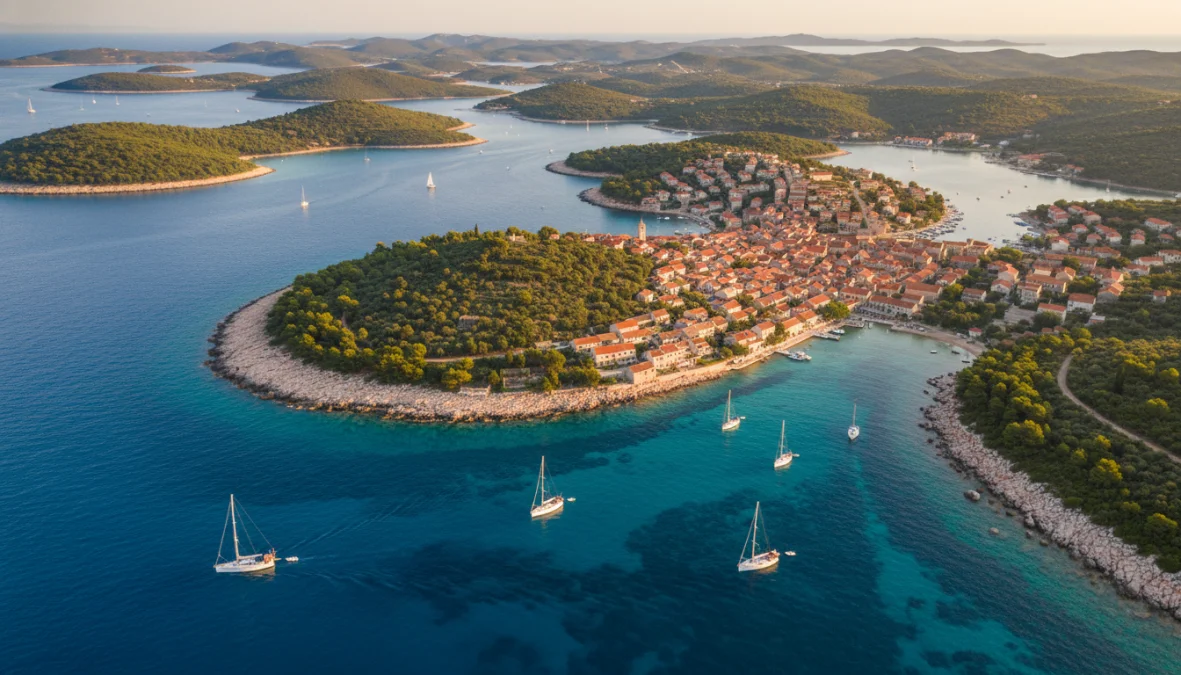
Picture this: turquoise waters lapping against ancient stone harbors, lavender fields stretching across sun-baked hills, and medieval towns that look like they’ve been frozen in time. The Dalmatian Coast Croatia offers one of Europe’s most spectacular island hopping experiences, connecting the historic cities of Split and Dubrovnik through a necklace of stunning islands. With over 1,000 islands dotting the Adriatic Sea, this Croatian archipelago is a paradise waiting to be explored—and the best part? An efficient ferry system makes jumping from one island paradise to another surprisingly easy.
Whether you’re drawn to vibrant nightlife, secluded coves, or charming medieval villages, the islands between Split and Dubrovnik offer something for every traveler. Let’s dive into everything you need to know about crafting your perfect Dalmatian Coast adventure.
Planning Your Dalmatian Coast Island Hopping Adventure
Timing is everything when it comes to island hopping Croatia. The ideal window runs from May through September, with the shoulder seasons of May-June and September offering the sweet spot: pleasant weather, fewer crowds, and lower prices. July and August bring peak season energy—buzzing beaches and lively nightlife—but also higher costs and packed ferries.
For a comprehensive Dalmatia travel itinerary, budget between 5 to 10 days minimum. A week gives you time to hit the highlights, while 10-14 days allows for a more leisurely pace with room to discover hidden gems. The best time to visit Dalmatian islands depends on your priorities: beach lovers should target June through early September when sea temperatures reach their warmest, while culture seekers might prefer the quieter charm of late spring or early fall.
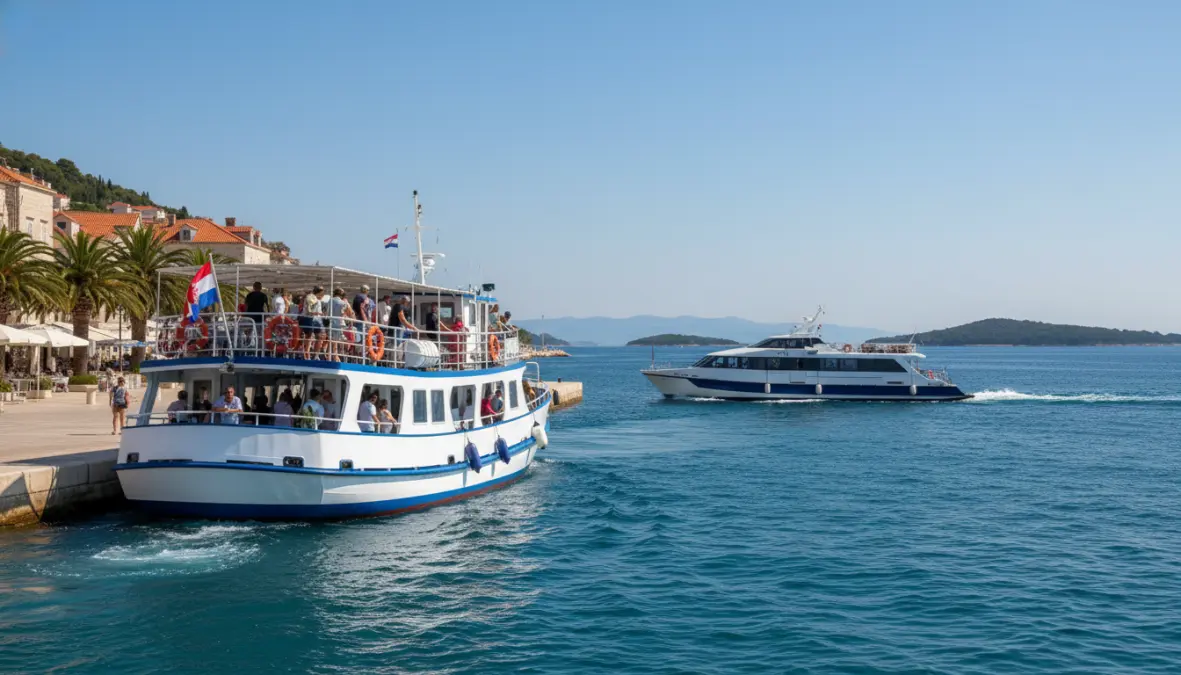
Getting around is refreshingly straightforward thanks to Croatia’s well-organized ferry routes. The main operator, Jadrolinija, runs regular services between major islands and coastal towns, while private companies operate faster catamarans. Car ferries accommodate vehicles, but many travelers find island hopping without a car perfectly feasible—and less stressful. The split to dubrovnik ferry schedule operates daily during summer, with reduced services in winter months.
The Must-Visit Islands on Your Split to Dubrovnik Route
Choosing which Croatian islands to visit can feel overwhelming, but focusing on the most accessible and distinctive islands along the split to dubrovnik islands corridor creates a manageable and rewarding croatian islands tour. This dalmatian islands guide covers the essential stops that showcase the diversity of the adriatic coast islands.
Brač, Hvar, and Vis: The Northern Dalmatian Gems
Brac island serves as an excellent first stop, just an hour’s ferry ride from Split. Home to Zlatni Rat—Croatia’s most photographed beach—this golden-horn peninsula shifts shape with winds and currents. The charming port town of Bol makes a great base, while Supetar offers a more authentic local experience. Plan to spend 1-2 days exploring the island’s stone villages and swimming in crystalline waters.
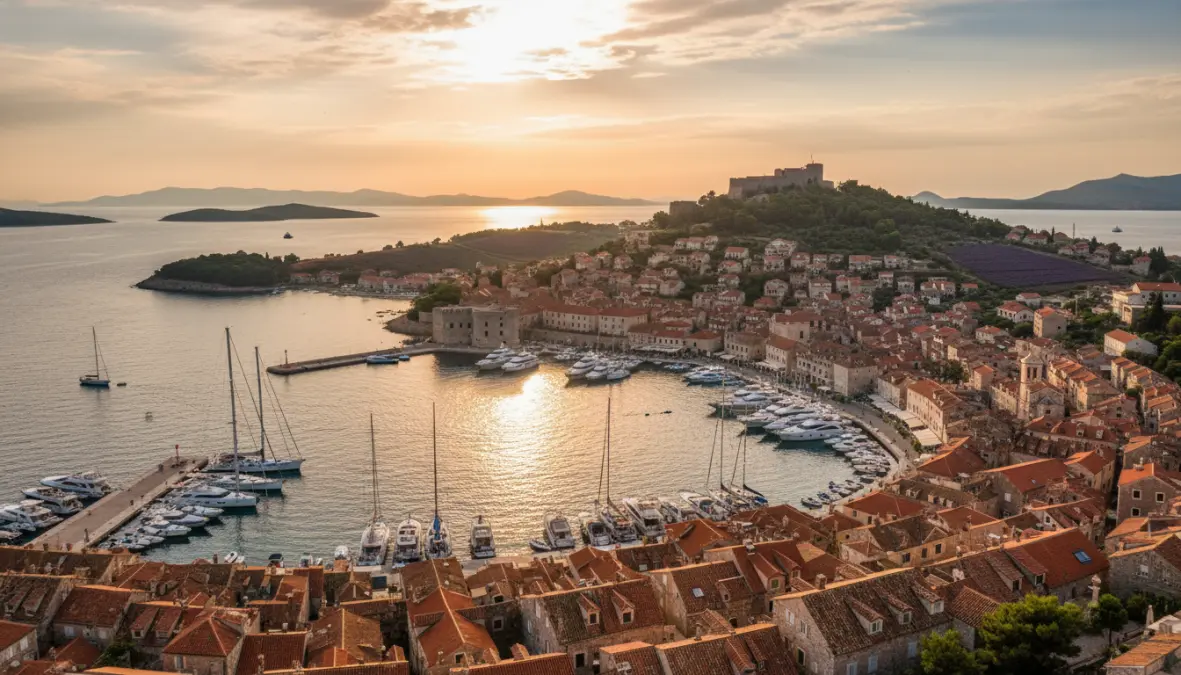
Hvar island brings the glamour. Hvar Town pulses with energy, its Renaissance square lined with buzzing cafes and designer boutiques. By day, yacht-hoppers explore the nearby Pakleni Islands, a mini-archipelago of secluded beaches and beach clubs. Come sunset, the party begins, with Hvar earning its reputation as the Adriatic’s nightlife capital. Beyond the town, lavender fields blanket the interior, and villages like Stari Grad offer quieter alternatives. Allocate 2-3 days to balance beach time with cultural exploration.
Vis island presents a complete contrast—remote, authentic, and refreshingly uncommercialized. Closed to foreign visitors until 1989, Vis retains an untouched quality that more developed islands have lost. Don’t miss the ethereal Blue Cave on nearby Biševo island, where sunlight creates a luminous blue glow. Stiniva beach, wedged between towering cliffs, ranks among Croatia’s most dramatic coves. The island’s two main towns, Vis and Komiža, exude old-world charm with excellent seafood restaurants. Give yourself 2 days here to truly disconnect.
Korčula, Mljet, and the Southern Islands
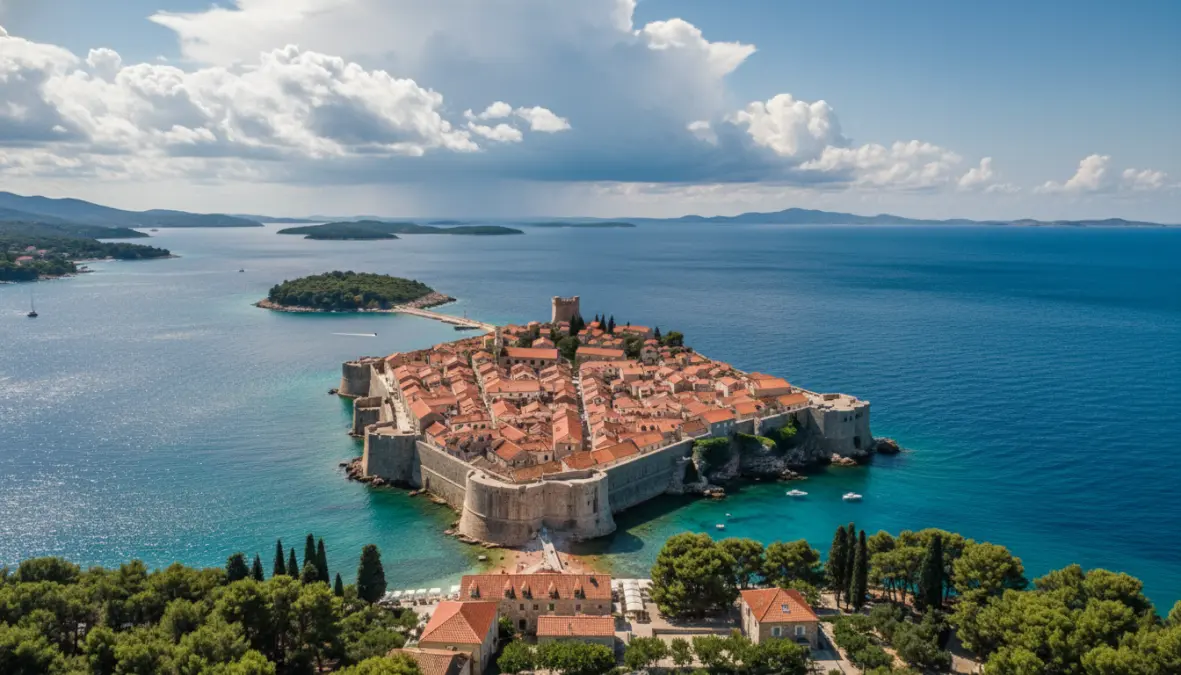
As you continue south, Korcula island emerges as a medieval masterpiece. Korčula Town’s fortified old quarter resembles a miniature Dubrovnik, with narrow streets designed in a herringbone pattern to reduce wind. Local legend claims Marco Polo was born here—visit the supposed house where the explorer first drew breath. Beyond the town, the island’s vineyards produce excellent white wines, particularly Grk and Pošip varieties. The pace here is noticeably more relaxed than northern islands. Budget 2 days for Korčula.
Nature lovers shouldn’t skip Mljet National Park, which covers the western third of Mljet island. Two saltwater lakes connected to the sea create a unique ecosystem, with a 12th-century Benedictine monastery perched on an islet in the larger lake. Kayaking, cycling, and hiking trails wind through dense Mediterranean forest. Mljet feels decidedly quieter than its neighbors—perfect for travelers seeking tranquility. One full day suffices for most visitors, though overnight stays reward you with peaceful evenings after day-trippers depart.
For truly adventurous souls, Lastovo offers one of the best islands between split and dubrovnik for getting off the beaten path. This dark-sky preserve boasts minimal light pollution, making it ideal for stargazing.
Practical Tips: Ferries, Accommodation, and Itinerary Suggestions
Mastering the croatia island ferry system is key to smooth island hopping croatia. Jadrolinija operates large car ferries that are cheaper but slower, while companies like Krilo and TP Line run faster passenger catamarans at higher prices. During summer, book popular routes (especially to Hvar) several days in advance. Websites like GetByBus aggregate schedules across carriers. Expect to pay €5-15 for short ferry hops, €20-40 for longer catamaran journeys.
For accommodation, mixing island stays with nights in Split or Dubrovnik creates flexibility. On islands, consider small guesthouses or apartments for authentic experiences and better value than hotels. Book summer accommodation months ahead—island lodging fills quickly.
Here’s a sample dalmatian coast itinerary 7 days: Day 1-2 Split and Brač, Day 3-4 Hvar, Day 5 Vis, Day 6 Korčula, Day 7 Mljet and Dubrovnik. A 10-day version adds extra nights on Vis and Korčula plus a full day in Dubrovnik. This island hopping route croatia guide balances must-sees with travel time.
Essential packing includes reef-safe sunscreen, comfortable walking shoes, and a reusable water bottle. Download ferry apps for real-time schedules. Many islands rent scooters (€25-35/day) for exploring—just ensure you have proper licensing. Budget €50-80 daily for mid-range travel, excluding accommodation.
FAQ: Island Hopping Croatia’s Dalmatian Coast
How many days do you need for island hopping in Croatia?
Minimum 5-7 days to hit major highlights without rushing, though 10-14 days is ideal for a comprehensive experience. This allows 2-3 days per island with travel time between destinations.
What is the best island between Split and Dubrovnik?
It depends on your interests: Hvar offers vibrant nightlife and upscale beach clubs, Vis provides authentic character and natural beauty, while Korčula delivers medieval charm and wine culture. Most itineraries combine several islands.
Can you island hop without a car?
Absolutely. The ferry system is excellent, and most island towns are compact and walkable. Buses, taxis, and scooter rentals fill gaps. Cars add convenience but also stress with limited parking and higher ferry costs.
When is the best time for island hopping?
May-June and September offer the best combination of good weather, manageable crowds, and reasonable prices. July-August brings peak conditions for swimming but also peak tourist numbers.
Is it cheaper to take ferry or catamaran?
Ferries are significantly cheaper (often half the price) but slower. Catamarans save time—ideal when maximizing limited vacation days. Consider mixing both based on distance and schedule.
The Dalmatian Coast Croatia delivers an island-hopping experience that combines Mediterranean beauty, rich history, and remarkable accessibility. From Hvar’s lavender-scented hills to Vis’s hidden coves, each island reveals a different facet of Croatian coastal life. With proper planning and an adventurous spirit, your journey through the Croatian archipelago will create memories that last far longer than your tan. Start researching those ferry schedules—your Adriatic adventure awaits.