
Amalfi Coast by Public Transport: Complete Guide to Buses and Ferries
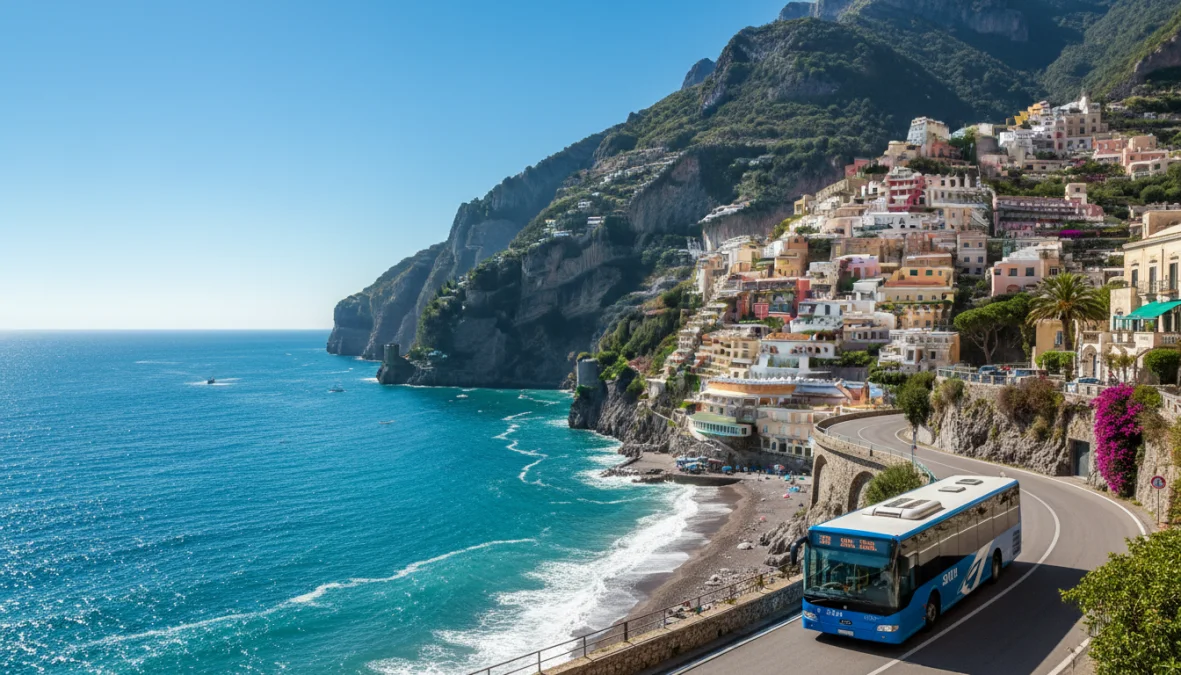
The Amalfi Coast’s dramatic cliffs, pastel-colored villages, and winding coastal roads make it one of Italy’s most breathtaking destinations. But here’s the thing: you absolutely don’t need a car to experience its magic. In fact, exploring the Amalfi Coast by public transport might just be your smartest travel decision. Between the reliable SITA buses hugging the famous SS163 coastal road and scenic ferries gliding past towering cliffs, getting around is easier—and often more enjoyable—than you’d think. Let’s break down everything you need to know about buses, ferries, tickets, and routes to make your Italian coastal adventure smooth and stress-free.
Why Visit the Amalfi Coast Without a Car
Choosing to explore the Amalfi Coast without a car isn’t just practical—it’s often the superior option. The legendary SS163 coastal road is spectacular but notoriously narrow, with hairpin turns, aggressive local drivers, and virtually no shoulder space. Parking in towns like Positano and Amalfi ranges from expensive to impossible, with spots costing €5-8 per hour (when you can find them). Many hotels don’t have parking facilities, and those that do charge premium rates.
Public transport eliminates these headaches completely. Buses and ferries are affordable, frequent during peak season, and let you actually enjoy the stunning views instead of white-knuckling the steering wheel. Plus, it’s the sustainable choice—reducing traffic congestion on roads that are already packed during summer months. The main options for getting around the Amalfi Coast include the SITA Sud bus network connecting all major towns, seasonal ferry services offering faster coastal travel, and the Circumvesuviana train linking Naples and Sorrento. For many travelers, combining buses and ferries provides the perfect balance of flexibility, affordability, and scenery. Similar to planning island hopping in Croatia’s Dalmatian Coast, mixing transport modes adds adventure to your journey.
Getting Around by Bus: The SITA Sud Network
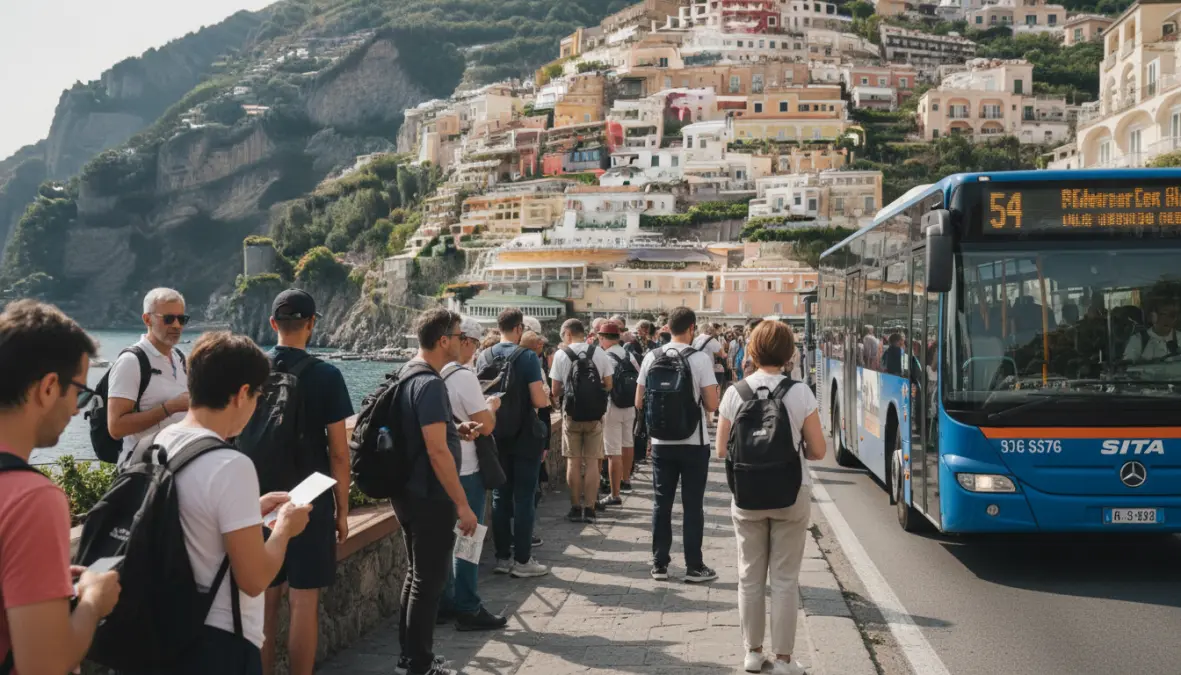
The backbone of Amalfi Coast public transport is the SITA Sud bus network, operating blue buses that connect every town along the coast. These aren’t luxury coaches, but they’re reliable, affordable, and driven by professionals who navigate the challenging SS163 coastal road daily. During peak summer months, buses run frequently—sometimes every 20-30 minutes on main routes—though winter schedules are significantly reduced.
Main Bus Routes and Stops
The primary route runs from Sorrento to Amalfi, stopping at Positano (Sponda and Chiesa stops), Praiano, and smaller villages along the way. This journey takes approximately 90 minutes without traffic, though summer afternoons can stretch it to 2+ hours. The Sita bus Amalfi network also operates the Amalfi-to-Salerno route, serving Atrani (just a 5-minute walk from Amalfi), Minori, Maiori, and Vietri sul Mare before reaching Salerno’s ferry terminal and train station.
For Positano public transport, know that buses stop at multiple points: Sponda (upper town) and Chiesa (near the beach). Most visitors want Chiesa for beach access. Ravello, perched 365 meters above Amalfi, requires a separate bus from Amalfi town—buses depart roughly every hour and take 25 minutes up the winding mountain road. The Ravello bus connections are worth planning ahead, especially for sunset timing.
Another crucial connection is the Naples to Sorrento train via the Circumvesuviana. This commuter train departs from Naples Centrale approximately every 30 minutes and takes about 70 minutes to reach Sorrento, where you’ll transfer to SITA buses for coastal destinations. It’s affordable but often crowded—watch your belongings.
Tickets, Passes and Practical Tips
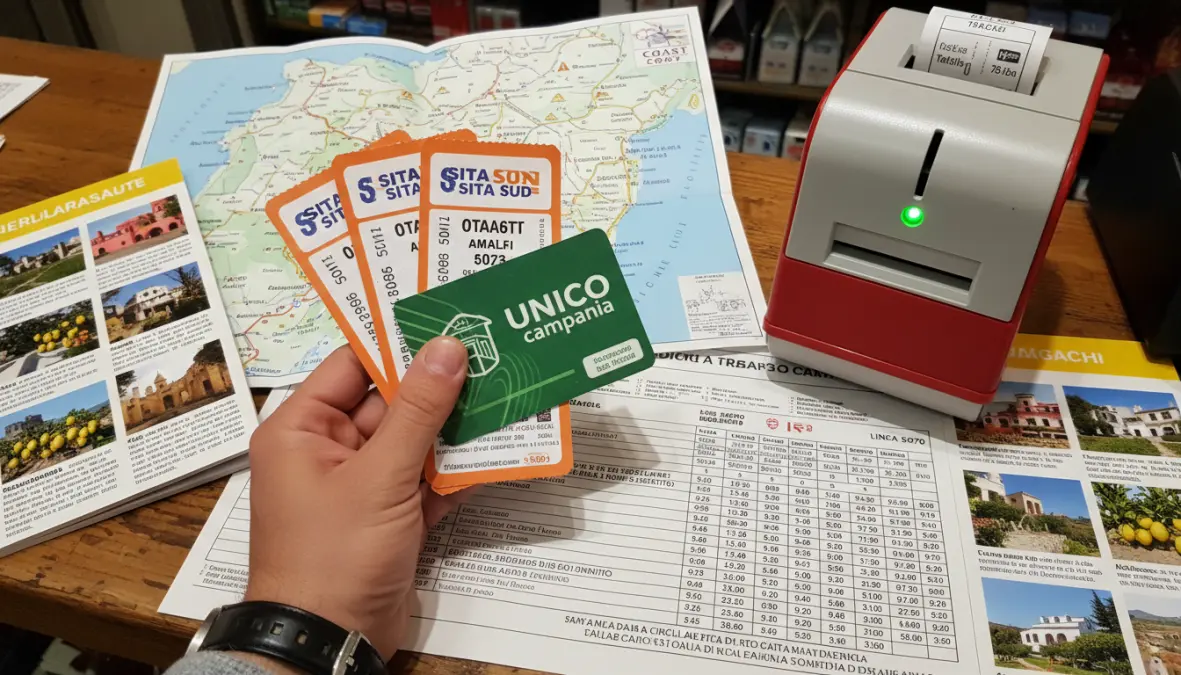
Bus tickets must be purchased before boarding from tabacchi (tobacco shops), newsstands, or occasional ticket offices at major stops. Single tickets cost €2-4 depending on distance, and you must validate them in the machine onboard. Some drivers sell tickets at a premium (€2.50 base fare plus surcharge), but don’t count on this option. The Amalfi Coast travel pass options include 24-hour (€10) and 3-day (€18) passes offering unlimited travel—worthwhile if making multiple trips daily.
Here’s the reality: local bus schedules in Italy exist, but summer crowds mean you might wait through 2-3 full buses before boarding. Arrive at stops 15-20 minutes early, especially in Positano and Amalfi during July-August. Early morning (before 9am) and evening (after 7pm) buses are less packed. The official SITA Sud website and apps like Moovit provide SITA bus timetable Amalfi Coast information, though printed schedules at bus stops work too. Pack water, sunscreen, and patience—buses lack air conditioning, and the best way to travel Amalfi Coast by bus involves embracing the slower pace.
Traveling by Ferry Along the Coast
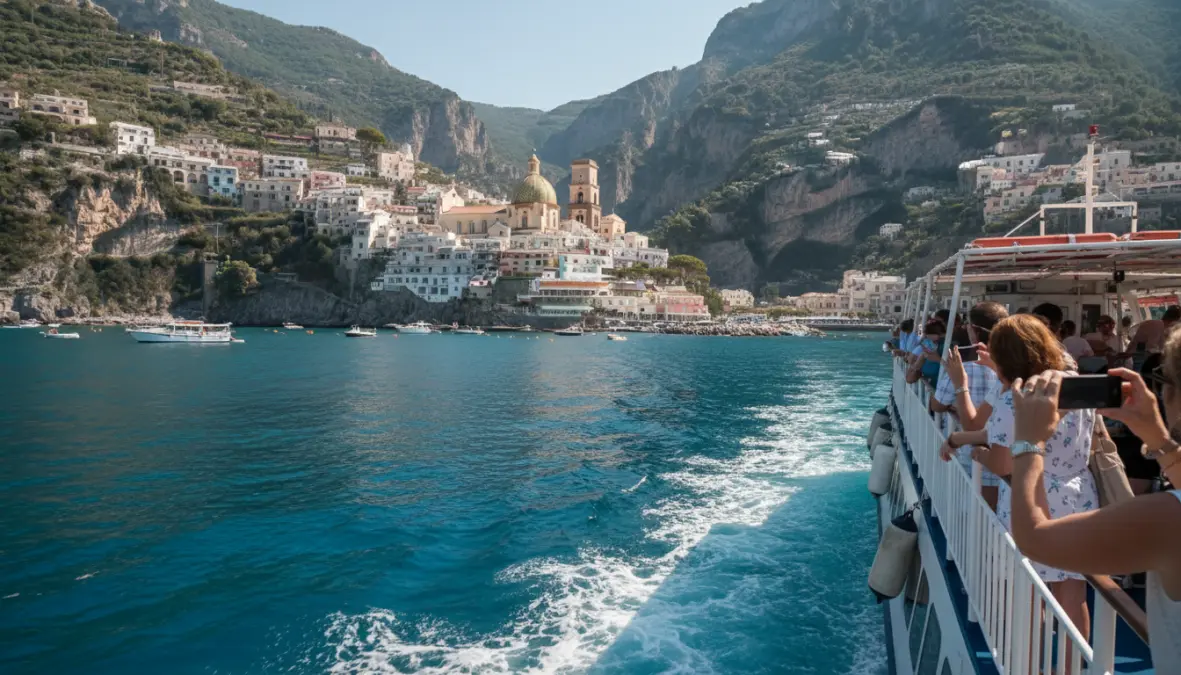
Ferries offer a faster, more scenic alternative to buses, especially during summer when coastal traffic is heaviest. The Amalfi Coast ferry services operate primarily April through October, with several companies running overlapping routes. While pricier than buses, ferries save significant time and provide incredible photo opportunities from the water.
Ferry Routes and Companies
Main operators include Travelmar, Alilauro, and Gescab, each covering slightly different routes. The most popular is the Salerno ferry terminal to Amalfi to Positano route, with boats continuing to Sorrento and Capri. A ferry from Naples to Amalfi Coast typically requires going to Sorrento first, then transferring. Direct seasonal hydrofoils from Naples to Positano exist but are less frequent.
The public transport from Sorrento to Positano via ferry takes about 40 minutes versus 90+ minutes by bus during peak traffic. Ferries from Positano to Amalfi take just 20-25 minutes. Tickets cost €8-18 per leg depending on distance and operator. Purchase at port ticket offices or sometimes online through company websites—booking ahead isn’t usually necessary except for Capri connections on weekends.
Ferry schedules are weather-dependent; rough seas cancel services with little notice. Check conditions that morning, and always have a bus backup plan. The Salerno ferry terminal is conveniently located near the train station, making it an excellent entry/exit point for the coast. Similar to coastal travel in Portugal’s Algarve, combining land and sea transport maximizes your experience.
Sample Itineraries and Practical Recommendations
For a classic day trip, take the morning Circumvesuviana train from Naples to Sorrento, then catch the SITA bus to Positano (arrive before 10am to avoid queues). Spend 2-3 hours exploring, lunch at a beachfront restaurant, then continue by bus to Amalfi for the afternoon. Return to Sorrento by ferry if available, or bus if you prefer. This gives you the best way to travel Amalfi Coast by bus experience while maximizing sightseeing time.
Another excellent option combines transport modes: take the morning bus from Salerno to Amalfi, side-trip to Ravello by bus (30 minutes each way), then return to Amalfi and catch an afternoon ferry to Positano before returning via bus or ferry. This how to get around Amalfi Coast without a car strategy offers variety and efficiency.
Where to base yourself matters for Amalfi Coast without car travel. Amalfi sits centrally with excellent bus connections both directions. Salerno offers better value accommodations and easy train access. Sorrento provides the most transportation options including the Sorrento transportation hub connecting Naples, Pompeii, Capri, and the coast. Positano is gorgeous but has the worst connections—expect long waits during peak season.
Visit during shoulder season (May-June or September-October) for manageable crowds and reliable weather. Always carry water, wear comfortable walking shoes (towns have steep steps), and check amalfi coast bus tickets where to buy locations near your accommodation. For those with mobility concerns, ferries are more accessible than buses, though towns themselves involve significant stairs. If you’re passionate about capturing your journey, these travel photography tips will help document the stunning coastal scenery.
The Amalfi Coast’s public transport system proves that some of the world’s most beautiful destinations are best explored slowly, sustainably, and without the stress of driving. With proper planning and realistic expectations about summer crowds, buses and ferries offer an authentic, affordable way to experience this Italian treasure. Pack your patience along with your sunscreen, embrace the local pace, and you’ll discover that the journey between towns is just as memorable as the destinations themselves.