
Couchsurfing Complete Guide: How to Find Free Accommodation and Connect with Local Hosts

Imagine traveling the world, staying in cozy homes instead of sterile hostels, sharing meals with locals who become lifelong friends, and experiencing destinations through the eyes of people who actually live there. That’s the magic of Couchsurfing—a global movement that’s transformed how millions of travelers explore the planet. Whether you’re a budget-conscious backpacker looking for free accommodation or simply someone who craves authentic cultural exchange, this couchsurfing guide will walk you through everything you need to know to become a confident member of this incredible community.
What Is Couchsurfing and How Does It Work?
At its core, Couchsurfing is a hospitality exchange platform connecting travelers with local hosts who offer free places to stay—whether that’s an actual couch, spare room, or even just floor space. But calling it simply “free accommodation” misses the point entirely. Founded in 2004, Couchsurfing has grown into a community of over 14 million members across 200,000+ cities worldwide, all united by a philosophy that travel should be about genuine human connection, not just ticking off tourist attractions.
How to use Couchsurfing is straightforward: you create a profile, search for hosts in your destination city, send personalized requests, and if accepted, stay with locals who open their homes (and often their lives) to you. The platform operates on reciprocity and trust—today’s guest might be tomorrow’s host. For couchsurfing for beginners, understanding that this isn’t a transactional hotel booking is crucial. You’re joining someone’s life temporarily, sharing stories, cooking together, and often forming friendships that outlast your trip.
The system relies heavily on guest references and host reviews. After each stay, both parties leave feedback, creating a reputation system that helps maintain community standards. Verified hosts have gone through additional identity confirmation, adding an extra layer of trust. This isn’t about getting something for nothing—it’s about creating meaningful local experiences that transform how we understand different cultures. Many travelers report that their Couchsurfing stays were the most memorable parts of their journeys, often more valuable than any paid tour or luxury hotel.
How to Create a Winning Couchsurfing Profile and Find the Best Hosts
Your couchsurfing profile is your passport to incredible experiences, and creating one that stands out is essential for getting accepted by hosts. Think of it as your travel resume mixed with a friendly introduction—it needs to be comprehensive, authentic, and engaging enough that strangers feel comfortable inviting you into their homes.
Building Your Profile: Photos, Bio, and Verification
Start with high-quality photos that show your face clearly—no sunglasses, no group shots where you’re hard to identify. Hosts want to see who they’re potentially welcoming. Include 3-5 photos that showcase your personality: you hiking, cooking, at cultural events, or simply smiling genuinely. Avoid party photos exclusively; balance is key.
Your bio should tell your story authentically. Skip generic phrases like “I love to travel and meet new people”—everyone on Couchsurfing does. Instead, share specific interests, travel philosophies, what you’re passionate about, and why you value cultural exchange. The “Why I Use Couchsurfing” section is crucial: explain what you hope to gain and offer. Mention if you’re interested in sustainable travel or specific cultural experiences.
Complete every section thoroughly—interests, music, books, travel experiences. The more detailed your profile, the easier it is for hosts to find common ground. Getting verified through the platform’s identity confirmation process significantly increases your credibility, especially when you’re learning how to create a good couchsurfing profile as a newcomer. Guest references are gold; if you don’t have hosting experience yet, get references from friends or start by attending local Couchsurfing meetups where members can vouch for your character.
Finding and Contacting Hosts: Proven Strategies
When finding hosts couchsurfing, start your search 2-4 weeks before your trip—earlier for popular destinations or peak seasons. Use filters to identify hosts who’ve been active recently, have positive references, and whose interests align with yours. Read profiles carefully; many hosts specify what they’re looking for in guests or mention they’re only available certain dates.
Understanding how to get accepted by couchsurfing hosts comes down to personalization. Never send copy-paste requests—hosts can spot them instantly. Craft individualized messages (200-300 words) that reference specific details from their profile: “I noticed you’re into jazz and saw you recommend that local club—I’d love to check it out together if you’re free.” Explain why you’re visiting, your travel dates, what you hope to experience, and importantly, what you can offer in return (cooking a meal from your country, sharing travel stories, helping with a project).
Send requests to 5-10 hosts simultaneously since response rates vary. If you’re traveling to multiple destinations like Machu Picchu or Greece’s islands, plan your accommodation strategy for each location. Follow up politely if you haven’t heard back in 3-4 days, but don’t be pushy. Always have a backup plan—knowing free places to stay when traveling also means having hostel options researched. Being organized with your belongings using tools like quality packing cubes shows you’re a respectful, organized traveler.

Couchsurfing Safety Tips and Best Practices
Couchsurfing safety is paramount, especially for those wondering is couchsurfing safe for solo travelers. The answer is: generally yes, but with proper precautions. The platform has facilitated millions of safe stays, but like any interaction with strangers, common sense and vigilance are essential.
Always thoroughly read host reviews and references. Look for detailed, recent feedback from multiple guests. Red flags include: profiles with no references, hosts who only accept guests of one gender, vague or incomplete profiles, or anyone who makes you uncomfortable during initial communication. Trust your gut—if something feels off, decline politely and find another host. For those applying couchsurfing tips for first time users, remember that legitimate hosts understand if you want to video chat before committing or meet in a public place first.
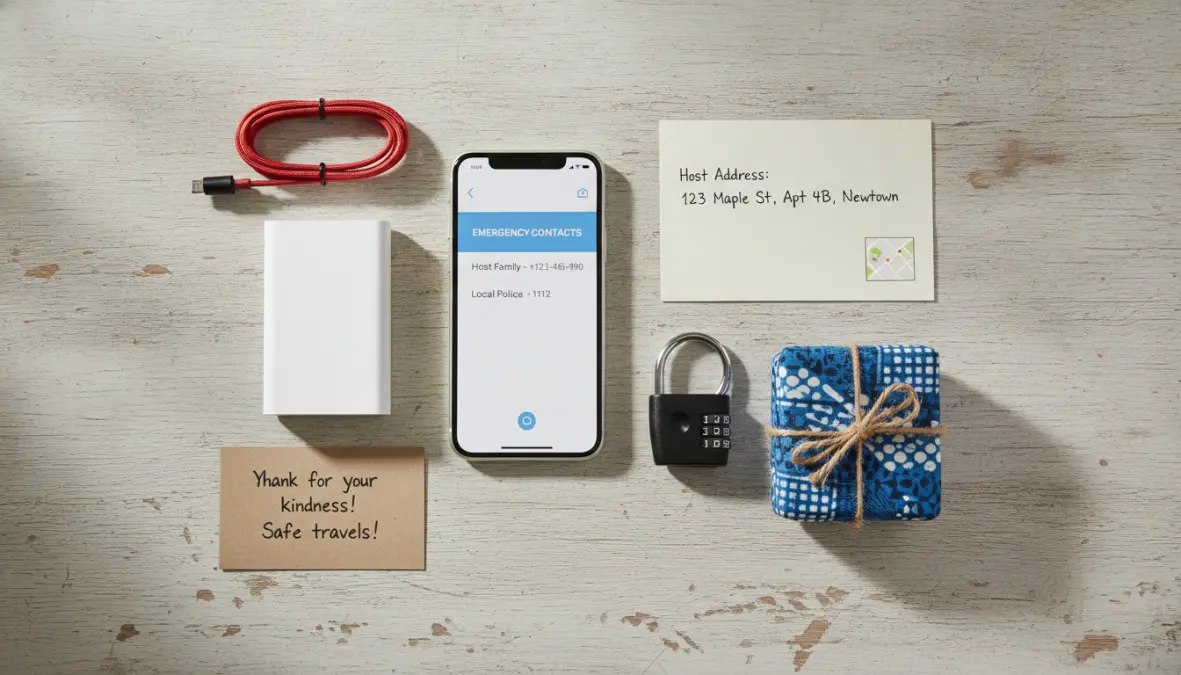
Share your host’s details with family or friends: full name, address, profile link, and your expected stay dates. Keep your phone charged and know local emergency numbers. When you arrive, note exit locations and keep valuables secured. Respecting boundaries goes both ways—never overstay your welcome, follow house rules meticulously, and if your host works, entertain yourself during the day.
Best practices for couchsurfing hosts and guests include clear communication about expectations: arrival times, dietary restrictions, house rules, and planned activities. Small gestures matter enormously—bringing a small gift (local treats from your hometown, cooking a meal, or even just washing dishes) shows appreciation. Remember, you’re a guest in someone’s private space, not a hotel customer.
Understanding how to stay safe using couchsurfing also means respecting cultural norms. If you’re staying somewhere like Marrakech or Japan, research local customs beforehand. Remove shoes when asked, dress appropriately, and be mindful of noise levels. After your stay, leave an honest, detailed reference—this helps maintain community integrity and helps future travelers make informed decisions.
For hosts, safety means screening guests carefully, meeting in public first if uncertain, and never feeling pressured to accept anyone. It’s perfectly acceptable to decline requests or specify you only host certain types of travelers based on your comfort level.
Frequently Asked Questions
Is Couchsurfing completely free?
While staying with hosts is free, the Couchsurfing platform currently requires a small subscription fee to send requests and access certain features. The actual accommodation and hospitality from hosts remain free, based on the spirit of exchange rather than payment.
Is Couchsurfing safe for solo travelers?
Yes, with proper precautions. Read references carefully, verify host identities, trust your instincts, communicate your itinerary to someone back home, and don’t hesitate to decline any situation that feels uncomfortable. Millions of solo travelers use Couchsurfing safely every year.
What if a host cancels last minute?
It happens occasionally. Always have backup options researched: hostels, budget hotels, or alternative hosts. Contact other hosts immediately explaining your situation—many are sympathetic to last-minute needs. This is why starting your search early and having contingency plans matters.
Do I need to host to use Couchsurfing?
No, though offering to host when you can strengthens the community. If you can’t host travelers, consider offering coffee meetups, showing visitors around your city, or attending local events—contributing in any way builds your profile credibility.
How do I get my first reference?
Attend local Couchsurfing events or meetups where members can leave you personal references. Ask friends already on the platform to vouch for you. When you do get your first hosting or surfing opportunity, be an exemplary guest or host to earn glowing reviews that open doors to future experiences.
Embracing Couchsurfing transforms travel from a series of transactions into a collection of genuine human connections. It’s about discovering that kindness and curiosity transcend borders, that a stranger’s couch can feel more welcoming than a five-star hotel, and that the best travel on a budget doesn’t mean sacrificing richness of experience—it often amplifies it. Whether you’re planning adventures to Patagonia’s wilderness or relaxing in Budapest’s thermal baths, Couchsurfing can add dimensions to your journey you never imagined. Start building your profile today, embrace the philosophy of exchange, and prepare for travel experiences that will reshape how you see both the world and yourself.