Japan Cherry Blossom Guide: When and Where to See Sakura at Its Peak
There’s something almost magical about witnessing Japan transform into a sea of delicate pink and white petals each spring. The annual cherry blossom season draws millions of travelers from around the world, all eager to experience the fleeting beauty of sakura in full bloom. Whether you’re planning your first hanami adventure or returning to chase the perfect petal-filled moment, this japan cherry blossom guide will help you navigate timing, locations, and insider tips to make the most of this spectacular natural phenomenon.
Understanding Japan’s Cherry Blossom Season: Timing and Forecast
The japan cherry blossom season typically unfolds between late March and early May, but timing varies dramatically depending on location. Understanding when do cherry blossoms bloom requires grasping Japan’s unique geographical progression: the sakura front (sakura zensen) sweeps northward from Okinawa in late January to Hokkaido in early May, following the warming temperatures like a pink wave across the archipelago.
Climate factors play a crucial role in determining the exact cherry blossom peak time. Warmer winters can trigger earlier blooms, while sudden cold snaps may delay them. The cherry blossom forecast Japan meteorological agencies release becomes increasingly accurate as spring approaches, with updates starting in January and refining weekly as the season nears. These forecasts distinguish between kaika (first bloom, when about 5-6 flowers open) and mankai (full bloom, when 80% of buds have opened).
Here’s the critical detail most first-timers miss: cherry blossoms last only 7-10 days at peak beauty in any given location. The progression from first bloom to full bloom typically takes 3-7 days, followed by another 3-7 days before petals falling create the enchanting “sakura snow” effect. Annual variations can shift peak times by up to two weeks, making flexibility essential when planning your trip. Generally, when is the best time to see cherry blossoms in Japan falls between late March and mid-April for most major cities.
Best Places to See Sakura: Top Cherry Blossom Viewing Spots Across Japan
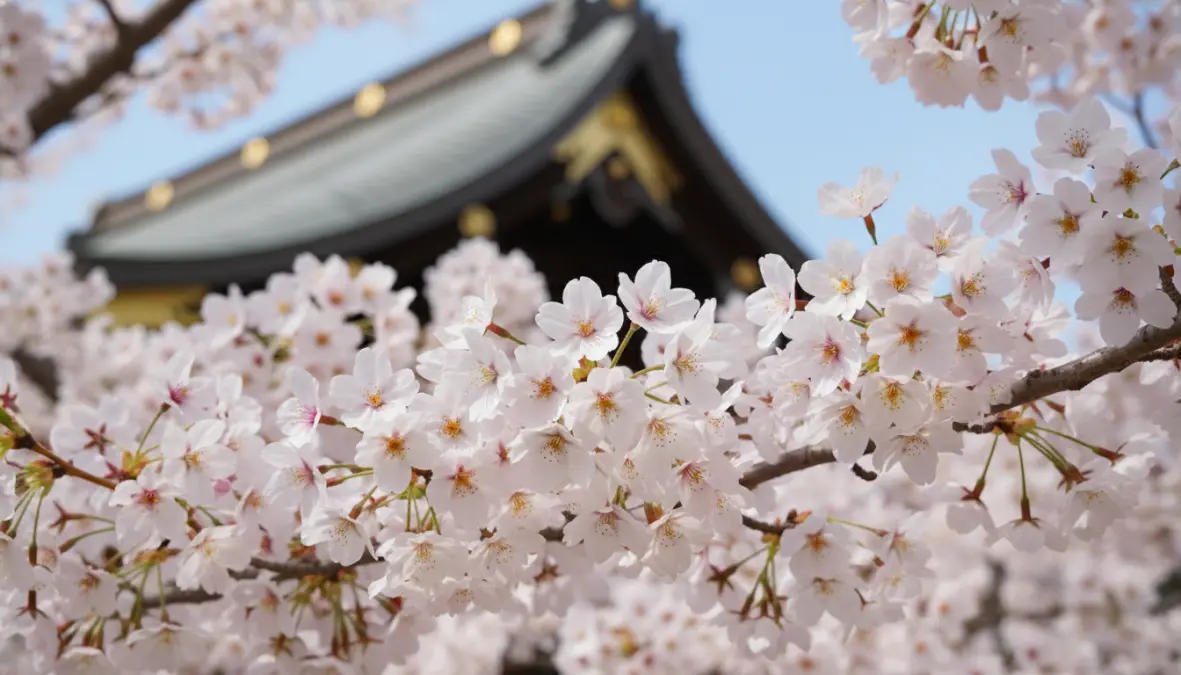
Japan offers countless spectacular sakura viewing spots across the country, each with distinct character and charm. These best places to see sakura combine natural beauty with cultural landmarks, creating unforgettable hanami Japan guide experiences.
Tokyo and Kanto Region
Tokyo bursts with cherry blossom opportunities, making it perfect for those wondering where to see cherry blossoms in Tokyo. Ueno Park remains the city’s most iconic hanami destination, featuring over 1,000 trees lining pathways where locals gather for lively picnic under cherry trees celebrations. The atmosphere here is festive and crowded, with food stalls and traditional performances.
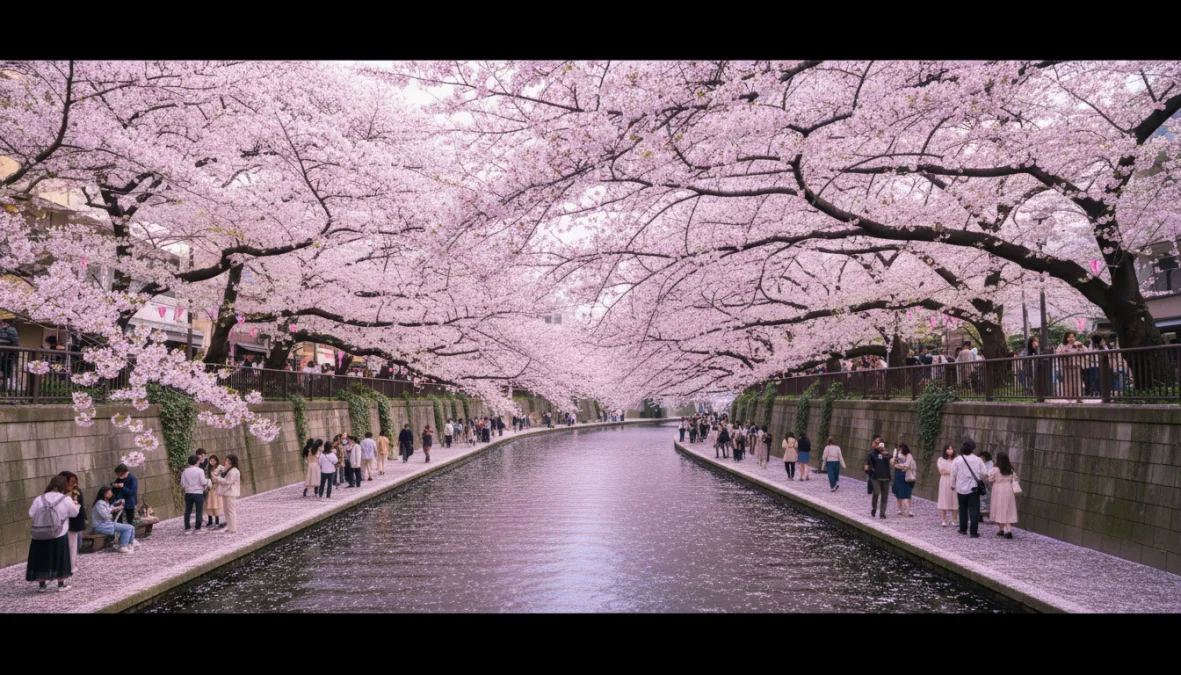
Shinjuku Gyoen offers a more tranquil alternative with its meticulously maintained gardens showcasing various cherry species that bloom at different times, extending the viewing window. The alcohol ban here ensures a calmer experience perfect for contemplative appreciation. Chidorigafuchi, along the Imperial Palace moat, creates romantic tunnel-like canopies over rowboats—evening illuminations transform this spot into pure magic. Meguro River presents 4 kilometers of cherry-lined waterways, with pink petals creating a carpet on the water’s surface, while Sumida Park combines river views with Tokyo Skytree backdrops for stunning photography.
Peak bloom in Tokyo typically occurs between late March and early April, though monitoring forecasts 2-3 weeks before travel is essential.
Kyoto, Osaka and Kansai Highlights
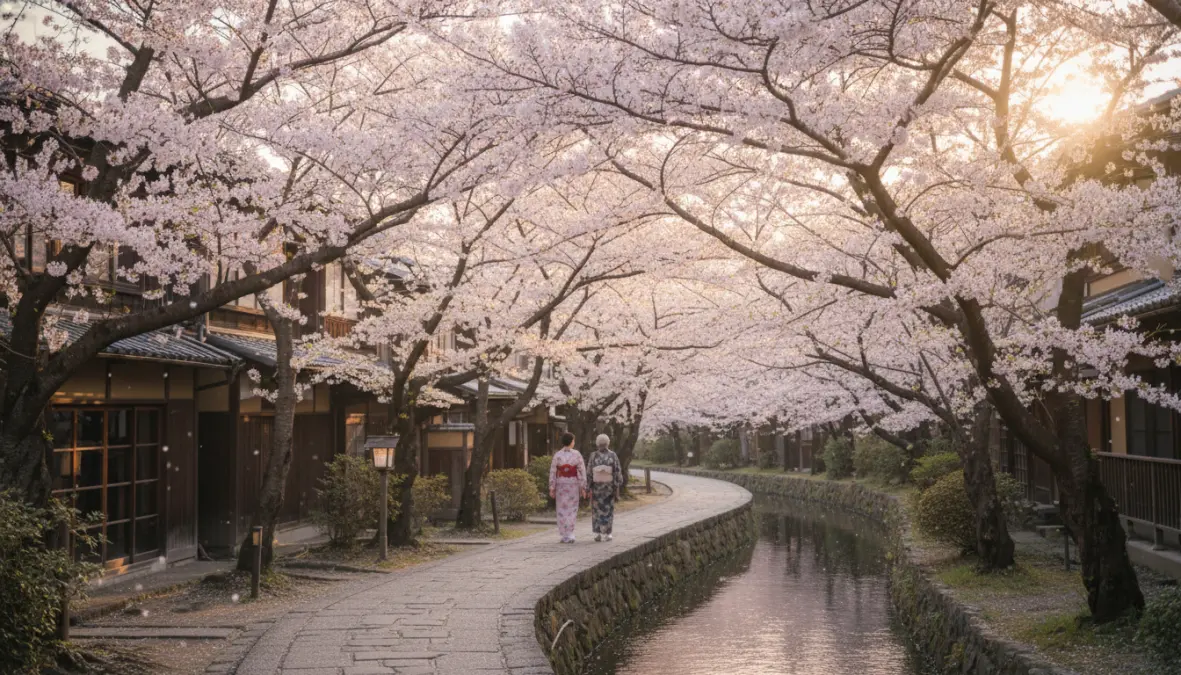
For those seeking best cherry blossom spots in Kyoto, the ancient capital delivers breathtaking combinations of sakura and cultural heritage. The Philosopher’s Path offers a serene 2-kilometer walk beneath hundreds of cherry trees along a canal, connecting temples and traditional neighborhoods. Maruyama Park features Kyoto’s most famous weeping cherry tree, dramatically illuminated at night and surrounded by food stalls during sakura festival celebrations.
Arashiyama combines mountain scenery with riverside cherry blossoms, while historic temples add spiritual depth. Osaka Castle Park showcases over 3,000 trees surrounding the iconic castle—a photographer’s paradise. Himeji Castle, Japan’s most spectacular feudal castle, becomes even more stunning framed by 1,000 cherry trees. Mount Yoshino, considered Japan’s ultimate sakura destination, hosts an astounding 30,000 trees of various Yoshino cherry varieties covering entire mountainsides in waves of pink—a pilgrimage site for serious cherry blossom enthusiasts.
Beyond the Cities: Hidden Gems and Regional Favorites
Hirosaki Castle in Aomori Prefecture draws dedicated travelers in late April with 2,600 trees creating moats filled with pink petals. The festival here is legendary, with nighttime illuminations reflecting off the water. Takato Castle in Nagano features a unique variety of kohigan-zakura with deeper pink blossoms, blooming mid-April against alpine backdrops.
Kakunodate in Akita preserves samurai district streets lined with 400-year-old weeping cherries—a journey back in time enhanced by traditional architecture. These regional destinations offer the cheapest way to see cherry blossoms in Japan with fewer crowds and often more authentic experiences than major tourist centers.
Planning Your Hanami Experience: Practical Tips for Cherry Blossom Viewing
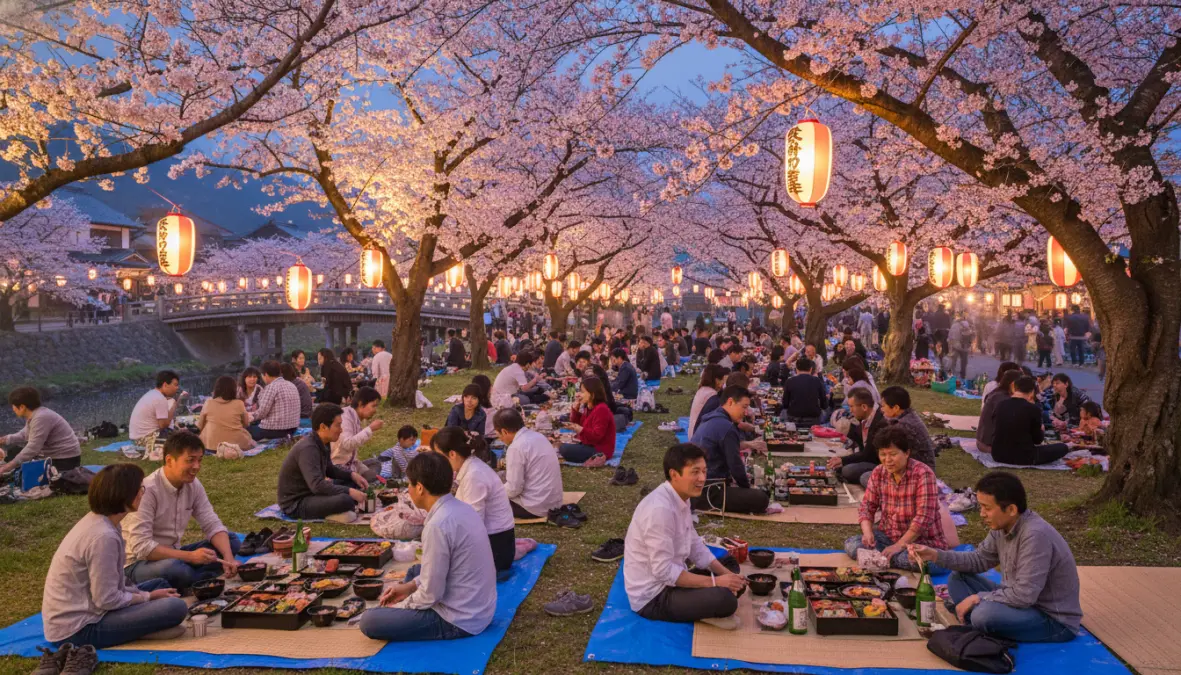
Hanami, literally “flower viewing,” represents a cherished Japanese tradition of gathering with friends, family, or colleagues for communal appreciation of cherry blossoms. Understanding proper etiquette enhances your experience: arrive early to claim picnic spots (some groups send scouts at dawn), bring tarps or mats, respect surrounding spaces, and take all trash with you.
Book your spring travel Japan arrangements 3-6 months in advance, but maintain flexibility in your itinerary. Monitor forecasts intensively 2-3 weeks before departure and be prepared to adjust plans between cities. Early morning visits (before 8 AM) offer peaceful viewing and better photography light, while yozakura (nighttime illuminations) create entirely different magical atmospheres at major parks.
For what to do during cherry blossom season Japan, pack essentials for picnics: food, drinks, warm layers (spring evenings get chilly), and patience. Popular spots like Ueno Park fill completely by mid-morning on weekends. Consider visiting secondary locations or weekday mornings to avoid overwhelming crowds. Apps like Japan Official Travel App and websites like japan-guide.com provide real-time bloom reports during the blooming period.
FAQ
What is the best month to see cherry blossoms in Japan?
Late March through early April is generally ideal for Tokyo, Kyoto, and Osaka. However, this varies annually by up to two weeks. Southern regions bloom earlier (late March), while northern areas like Hokkaido peak in early May. Always check current forecasts closer to your travel dates.
How long do cherry blossoms last?
The full bloom period lasts only 7-10 days at any single location. Individual trees progress from first bloom to petal fall within about two weeks. Rain and wind can shorten this dramatically, while cool, calm weather may extend viewing slightly. Understanding how long does cherry blossom season last in Japan nationally: the entire country’s season spans January through May as blooms progress northward.
Can I predict exactly when cherry blossoms will bloom?
Not with absolute certainty. Forecasts become reasonably accurate 2-3 weeks before expected bloom, but weather changes can shift dates. Build 4-5 days of flexibility into your itinerary and consider visiting multiple regions to increase your chances of catching peak bloom somewhere.
What happens if I miss the peak bloom?
Late-stage blooms offer their own beauty as falling petals create carpets of pink and “sakura snow” effects. Additionally, Japan has various cherry species blooming at different times—if you miss Yoshino cherries, later-blooming varieties like yaezakura (double-petaled) may still be spectacular.
Are cherry blossom viewing spots free to visit?
Most parks and public viewing areas are completely free, including famous locations like Ueno Park, Philosopher’s Path, and riverside walks. Some special gardens (like Shinjuku Gyoen) charge modest admission fees of 200-500 yen. Castle grounds may have entrance fees for the buildings but free grounds access.
Experiencing Japan’s cherry blossom season ranks among the world’s most beautiful natural spectacles. With proper planning, forecast monitoring, and willingness to explore beyond the most famous spots, you’ll create memories of pink-petaled perfection that last far longer than the fleeting blooms themselves. Start watching those forecasts, pack your picnic supplies, and prepare for the magic of sakura season.