Travel Language Learning: Essential Phrases and Best Apps for Globetrotters
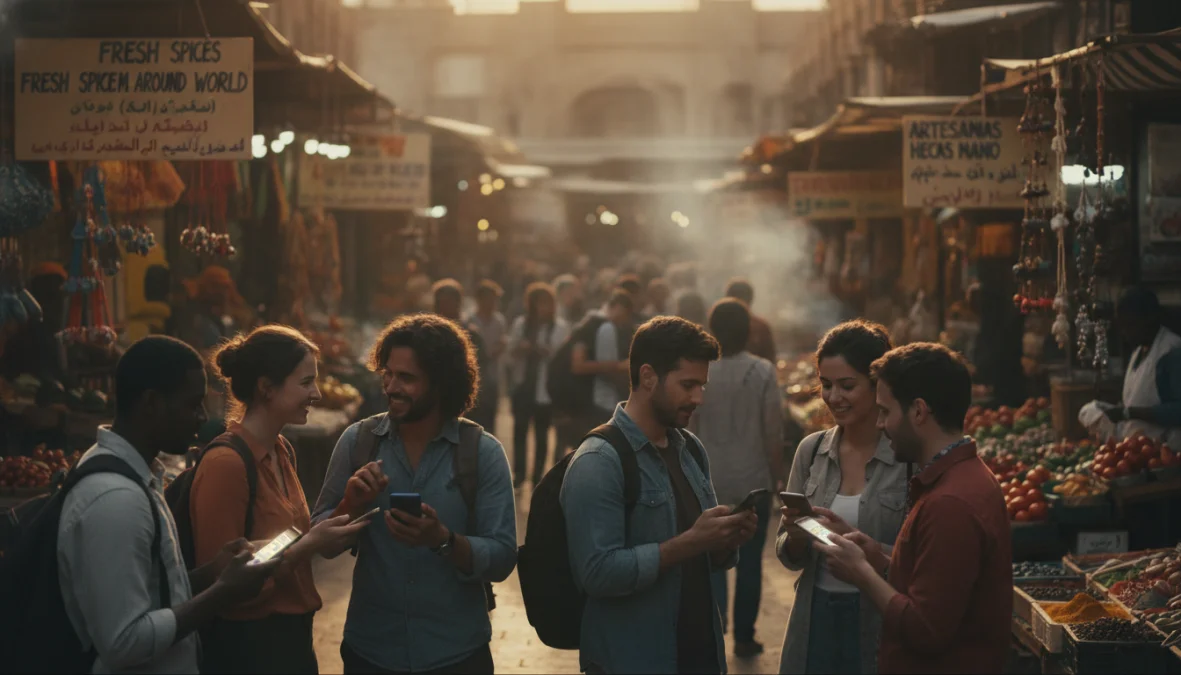
Picture this: you’re wandering through a bustling Moroccan souk, your stomach rumbling at the aroma of freshly baked bread. You spot the perfect bakery, but there’s just one problem—you can’t remember how to ask for what you want. Sound familiar? This scenario plays out countless times for travelers worldwide, but it doesn’t have to be your story. Travel language learning isn’t about achieving fluency; it’s about unlocking doors to authentic experiences, building connections with locals, and navigating your adventures with confidence. Whether you’re planning a quick weekend getaway or a multi-month backpacking odyssey, mastering even basic phrases can transform you from a passive observer into an engaged participant in the cultures you explore.
Why Learning Basic Travel Phrases Transforms Your Journey
The difference between being a tourist and a culturally aware traveler often boils down to one thing: effort. When you invest time in travel language learning, you’re sending a powerful message to locals that you respect their culture enough to meet them halfway. Studies show that travelers who attempt to speak the local language report 73% more positive interactions with residents compared to those who don’t even try.
Beyond the warm smiles and enthusiastic help you’ll receive, knowing essential foreign language for tourists phrases dramatically improves your safety. Being able to communicate in emergencies, understand warning signs, or explain a medical condition could literally save your life. Plus, there’s the practical side—negotiating prices becomes easier, ordering food stops being a game of menu roulette, and navigating public transportation becomes manageable rather than mystifying.
Perhaps most importantly, language breaks down barriers to authentic experiences. When you stumble through a conversation in broken Portuguese along Portugal’s Algarve Coast, locals often respond with patience and delight, leading to restaurant recommendations no guidebook mentions or invitations to local events tourists never see. These language learning travel tips aren’t just about communication—they’re about transformation.
Essential Travel Phrases Every Globetrotter Should Know
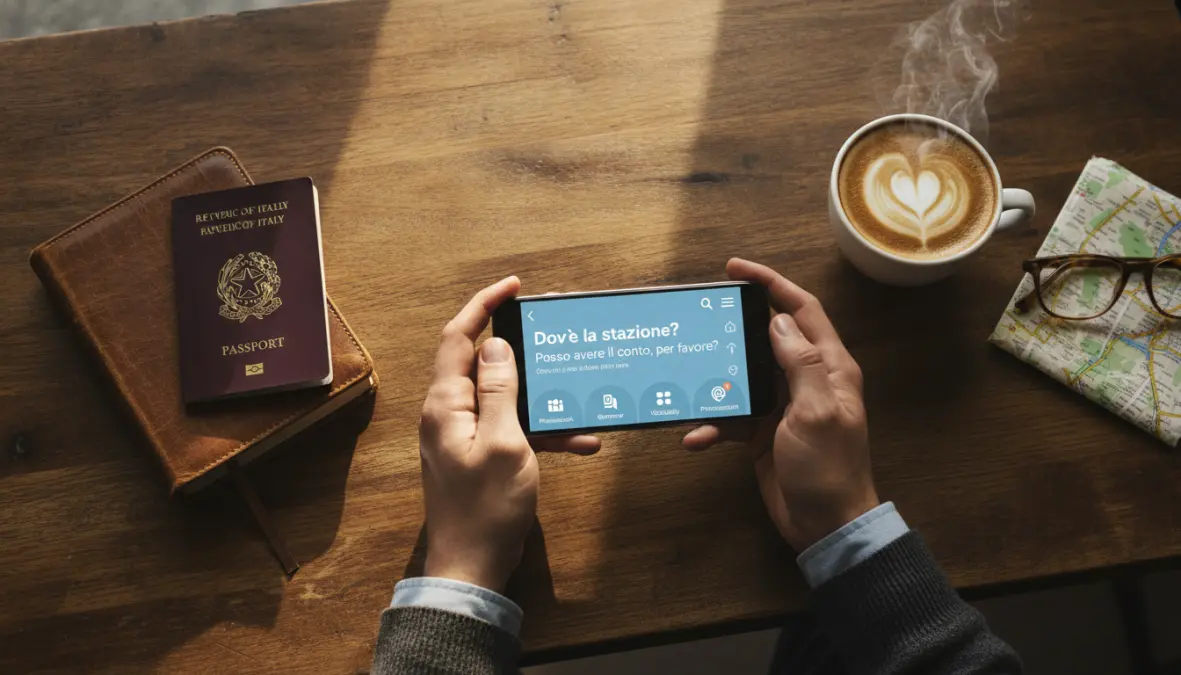
When figuring out how to learn basic phrases for traveling abroad, start with categories that cover your most common needs. Your travel phrases guide should prioritize situations you’ll encounter daily, regardless of destination.
Greetings and Courtesy form the foundation. Master “hello,” “please,” “thank you,” “excuse me,” and “I’m sorry” in any language, and you’ll navigate 80% of social interactions smoothly. These simple words open conversations and demonstrate respect—essential when exploring places like Morocco’s Blue City of Chefchaouen.
Emergency Phrases include “help,” “I need a doctor,” “police,” “I’m lost,” and “where is the hospital?” Pair these with your knowledge from resources like our guide on altitude sickness prevention for comprehensive safety preparation.
Food and Dining vocabulary should cover “water,” “menu,” “I’m allergic to…,” “vegetarian,” “bill please,” and “delicious.” Restaurant interactions become enjoyable rather than stressful when you can communicate dietary needs.
Transportation Essentials include “where is…,” “how much?,” “ticket,” “airport,” “train station,” and “stop here please.” These prove invaluable whether you’re figuring out Athens to Santorini travel options or navigating local buses.
Accommodation and Basic Needs cover “room,” “key,” “towel,” “bathroom,” “hot water,” and “checkout.” Add numbers one through ten, plus 20, 50, and 100 for price negotiations and addressing common scams covered in our travel scams guide.
The beauty of focusing on essential travel phrases is that these categories apply universally. Whether you’re budgeting carefully during your Cape Town adventure or splurging on luxury, these same phrase categories will serve you well.
Best Language Learning Apps for Travelers: Features and Recommendations
The landscape of language learning apps for travelers has exploded, making it easier than ever to learn languages for travel. But which apps actually deliver for globetrotters with limited time and specific needs?
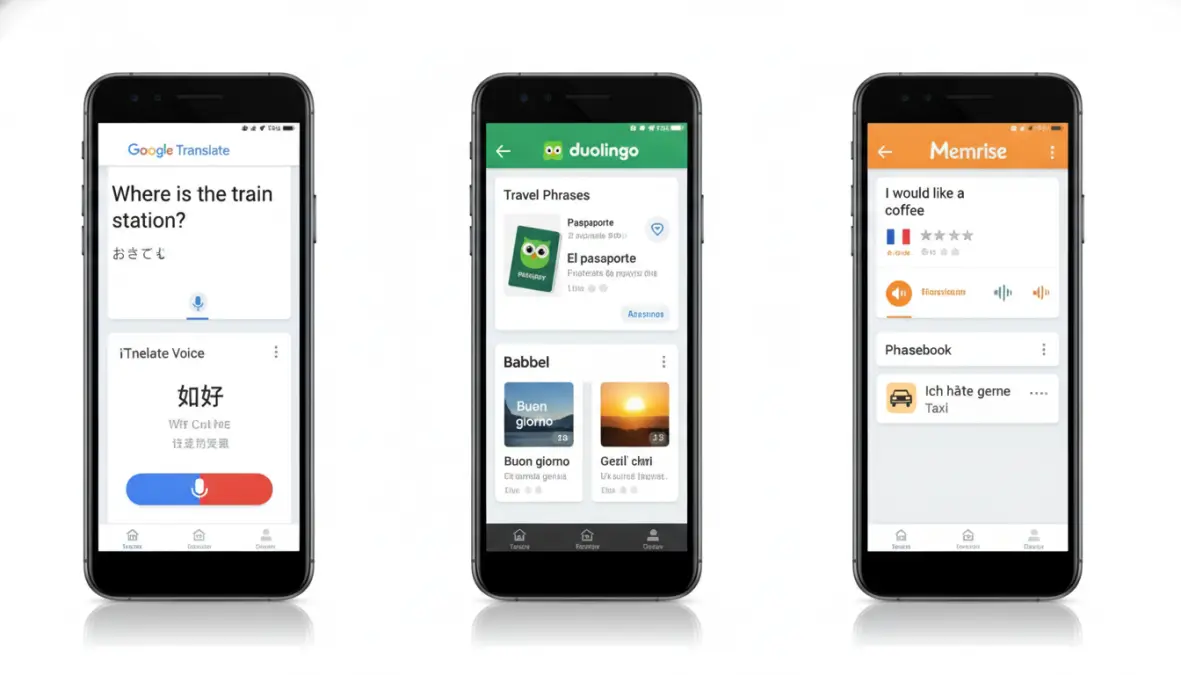
Google Translate remains the heavyweight champion of translation apps, offering camera translation for signs and menus, conversation mode for real-time dialogue, and crucially, offline translation for 59 languages. It’s free and indispensable for how to communicate while traveling without speaking the language.
Duolingo excels as a beginner friendly language app for vacation preparation. Its gamified approach makes daily practice addictive, and travel-specific skill categories focus on practical scenarios. The free version suffices for basic needs, though ads can interrupt your flow.
Babbel targets adult learners with realistic conversations and cultural communication context. Lessons run 10-15 minutes—perfect for airport lounges or evening downtime. It’s subscription-based but offers focused travel courses for quick preparation.
Pimsleur emphasizes audio learning and pronunciation guide excellence, ideal for developing conversational skills during commutes. The method builds speaking confidence faster than reading-focused apps, though it’s pricier.
Memrise combines user-generated content with official courses, offering authentic native speaker videos that prepare you for real-world language variations. Its focus on practical vocabulary makes it superb for multilingual travel.
iTranslate and iTranslate Voice provide sophisticated voice translation and phrasebook features with excellent offline translation capabilities across 100+ languages. The interface is cleaner than Google Translate for quick lookups.
When selecting the best travel language apps, consider your learning style, trip length, and budget. Visual learners thrive with Duolingo or Memrise; audio learners prefer Pimsleur; practical communicators need translation apps with offline functionality like Google Translate or iTranslate.
Quick Comparison: Free vs Premium Travel Language Apps
For trips under two weeks, free versions of Duolingo plus Google Translate typically suffice for basic needs. Premium apps like Babbel ($7-13/month) or Pimsleur ($15-20/month) justify their cost for longer trips, language immersion preparation, or when you’re serious about building lasting skills. The sweet spot? Combine a free translation app for emergencies with one premium learning app started 4-6 weeks before departure. This approach balances the most useful travel phrases in multiple languages with budget consciousness—similar to the smart planning approach recommended in our packing organization guide.
FAQ: Common Questions About Language Learning for Travel
How long before a trip should I start learning?
Ideally, begin 6-8 weeks before departure for basic conversational ability. However, even one week of focused study on essential phrases to learn before traveling provides meaningful benefits. Consistency matters more than duration—15 minutes daily beats sporadic marathon sessions.
Can I learn enough in a week?
Absolutely! Focus on survival phrases and politeness expressions. You won’t achieve fluency, but you’ll handle common situations confidently. Use quick language learning tips for travelers like flashcards and audio repetition during your daily routine.
Do I need to be fluent to travel?
Not even close. Basic phrases, gestures, and translation apps create a powerful communication toolkit. Locals appreciate any effort, regardless of accuracy. Remember, even solo female travelers navigate successfully with minimal language skills when properly prepared.
What’s the easiest language for English speakers?
Spanish, Italian, and Portuguese top the list due to familiar alphabets and grammatical similarities. Norwegian and Dutch also rank as surprisingly accessible for best language learning apps for international travel preparation.
Are translation apps enough?
For basic transactions, yes. But they can’t replace the connection formed when you attempt the local language. Combine apps with learned phrases for optimal results. Apps also fail in areas with poor connectivity, making memorized phrases your safety net.
The journey of travel language learning extends far beyond vocabulary lists and app notifications. It’s about embracing vulnerability, celebrating small victories when locals understand you, and recognizing that fumbling through a conversation often creates more memorable moments than perfect grammar ever could. So download that app, practice those phrases, and remember—every “hello” in a new language is a door opening to experiences you’d otherwise miss. Your next adventure awaits, and now you’re ready to truly connect with it.