
Working Holiday Visa Guide: Complete Country-by-Country Application Process

Ever dreamed of living abroad, exploring new cultures, and actually getting paid while doing it? A working holiday visa might just be your golden ticket to the adventure of a lifetime. Unlike typical tourist visas that keep you on the sidelines, a working holiday visa lets you dive headfirst into local life, fund your travels with temporary jobs, and create experiences that go way beyond the typical backpacker route. This working holiday visa guide breaks down everything you need to know—from eligibility requirements to country-specific application processes—so you can turn that dream into reality.
What is a Working Holiday Visa and Who Qualifies?
A working holiday visa is a special type of permit that allows young adults to live, work, and travel in a foreign country for an extended period—typically between six months to two years. It’s designed to promote cultural exchange and give you the flexibility to earn money through short-term employment while exploring your host country.
Here’s what makes it special: unlike regular work visas that tie you to a specific employer, a working holiday visa gives you freedom. You can pick fruit in New Zealand vineyards, teach English in Japan, bartend in Sydney, or work at a ski resort in Canada—all while experiencing life as a local rather than a tourist.
Most countries offering these programs target young adults aged 18-30 or 18-35, depending on the destination and your nationality. Eligibility hinges on bilateral agreements between countries, meaning your passport determines which programs you can access. Popular participating countries include Australia, New Zealand, Canada, the UK, Ireland, Japan, South Korea, France, Germany, and several others.
It’s important not to confuse working holiday visas with work and travel programs. The latter are typically shorter-term summer programs with more restrictions, often limited to students. Working holiday visas offer longer stays, fewer restrictions, and more flexibility in choosing employment.
Country-by-Country Application Requirements and Process
Each country runs its own working holiday visa guide with unique requirements and processes. Here’s a detailed breakdown of the most popular destinations:
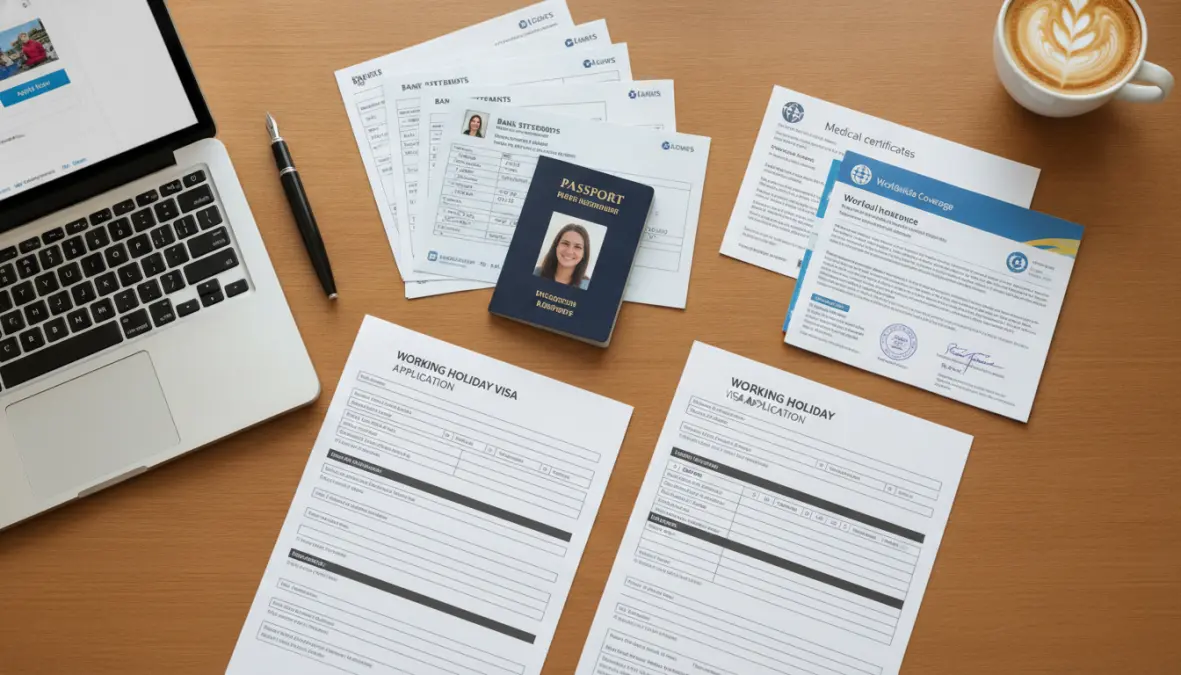
Australia: Age limit 18-30 (35 for some nationalities), visa duration up to 12 months with potential extensions to 2-3 years if you complete regional work. Application cost around AUD 510. Required documents include a valid passport, proof of funds (approximately AUD 5,000), health insurance, and potentially medical exams. Processing time: 1-4 weeks. No quota for most countries. Work restriction: maximum 6 months with one employer.
New Zealand: Age limit 18-30, visa duration 12 months (23 months for UK and Canadian citizens). Application cost approximately NZD 280. Requirements include passport, proof of funds (NZD 4,200), return ticket or additional funds, health insurance, and possibly chest X-ray. Processing time: 4-6 weeks. Annual quotas apply to most countries. Work restriction: maximum 12 months with one employer in most cases.
Canada: Age limit 18-35 (varies by country), visa duration up to 24 months. Application cost around CAD 250. Requires passport, proof of funds (CAD 2,500), health insurance, police certificate, and medical exam for some applicants. Processing time: 8-12 weeks. Strict annual quotas with invitation-based system. No specific work restrictions beyond visa validity.
United Kingdom: Age limit 18-30, visa duration 24 years. Application cost approximately £259. Requirements include passport, proof of funds (£2,530), tuberculosis test results for some nationalities. Processing time: 3 weeks. Annual quotas apply to most countries. No restrictions on type of work.
Ireland: Age limit 18-30 (35 for Canadians), visa duration 12 months. Application cost around €60. Requires passport, proof of funds (€3,000), health insurance, and potentially police clearance. Processing time: 4-8 weeks. Annual quotas for most countries. Work allowed but cannot be more than 50% of your stay for some nationalities.
Japan: Age limit 18-30, visa duration 12 months. Application cost varies by embassy (often free to moderate). Requirements include passport, proof of funds (around ¥200,000), detailed travel plan, health certificate, and potentially resume. Processing time: 4-12 weeks. Annual quotas apply. If you’re planning to experience cherry blossom season while working there, check out our Japan Cherry Blossom Guide for timing your arrival perfectly.
South Korea: Age limit 18-30, visa duration 12 months. Application cost varies by embassy. Requires passport, proof of funds (around USD 3,000), detailed activity plan, health certificate, police clearance, and potentially educational certificates. Processing time: 4-8 weeks. Annual quotas for most countries. No specific work restrictions.
Step-by-Step Application Process
While each country has its quirks, the general application process follows a similar pattern across most working holiday programs:
Step 1: Verify your eligibility carefully—check age requirements, nationality agreements, and quota availability for your chosen country.
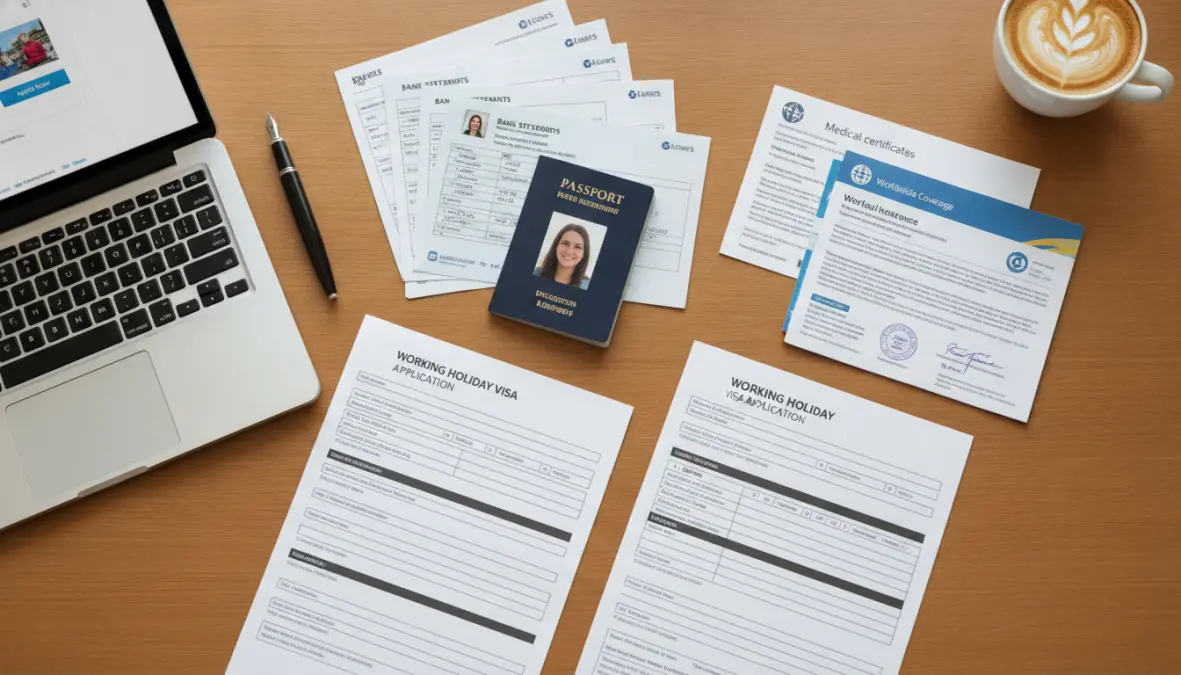
Step 2: Gather required documents well in advance. This typically includes a valid passport (with at least 6 months validity), proof of sufficient funds through bank statements, comprehensive travel insurance, medical certificates or chest X-rays if required, and police clearance certificates. Some countries also require detailed travel plans or motivation letters.
Step 3: Create an account on the official immigration website of your destination country. Never use third-party agencies for initial applications—they’re unnecessary expenses.
Step 4: Complete the application form meticulously. Double-check every detail for accuracy, as errors can lead to rejections or delays.
Step 5: Pay the application fees using the specified payment methods. Keep receipts for tracking purposes.
Step 6: Submit your application and monitor its status through the online portal. Some countries may request additional documents or interviews.
Step 7: Once approved, understand your visa conditions, entry requirements, and any obligations. Book your travel accordingly and consider packing strategically—our packing cubes guide can help you organize for this extended adventure.
Common Mistakes to Avoid and Pro Tips for Success
Even with a comprehensive working holiday visa guide, applicants frequently stumble over preventable mistakes. Here are the most common pitfalls and how to avoid them:
Incomplete documentation tops the list of rejections. Many applicants underestimate the importance of providing complete, properly formatted bank statements or skip required medical checks. Always submit more than the minimum—if they ask for three months of bank statements showing sufficient funds, provide six.
Missing application deadlines is particularly costly for countries with annual quotas like Canada and New Zealand. These programs often fill within hours or days of opening. Set calendar reminders months in advance and prepare all documents before the application window opens.
Providing inaccurate information, even unintentionally, can result in rejection or future travel bans. Be scrupulously honest about previous visa rejections, criminal records, or health conditions. Immigration authorities can and do cross-reference information.
Insufficient demonstrable funds causes many rejections. Don’t just meet the minimum requirement—show financial stability with consistent balances over several months rather than a sudden large deposit that looks suspicious.
Pro tips for success: Apply as early as possible, especially for quota-restricted countries. Prepare financially by saving 50% more than the stated minimum—you’ll need it for initial setup costs. Read all terms and conditions thoroughly, as they contain crucial information about work restrictions and travel limitations. Consider seasonality when planning your arrival; for instance, arriving in Australia before harvest season or Canada before ski season improves job prospects. Join Facebook groups and forums for your specific destination—current and former working holiday visa holders offer invaluable insider advice about everything from job hunting to accommodation. When thinking about long-term travel sustainability, our sustainable travel guide offers excellent tips for minimizing your environmental impact during your extended stay.
A working holiday visa opens doors to experiences that typical tourists never get—genuine cultural immersion, international work experience, lifelong friendships, and the kind of personal growth that only comes from navigating life in a foreign country. With proper preparation and this guide in hand, you’re ready to take that leap. The world is waiting—where will your working holiday take you?