Backpack vs Suitcase: Complete Travel Luggage Comparison Guide
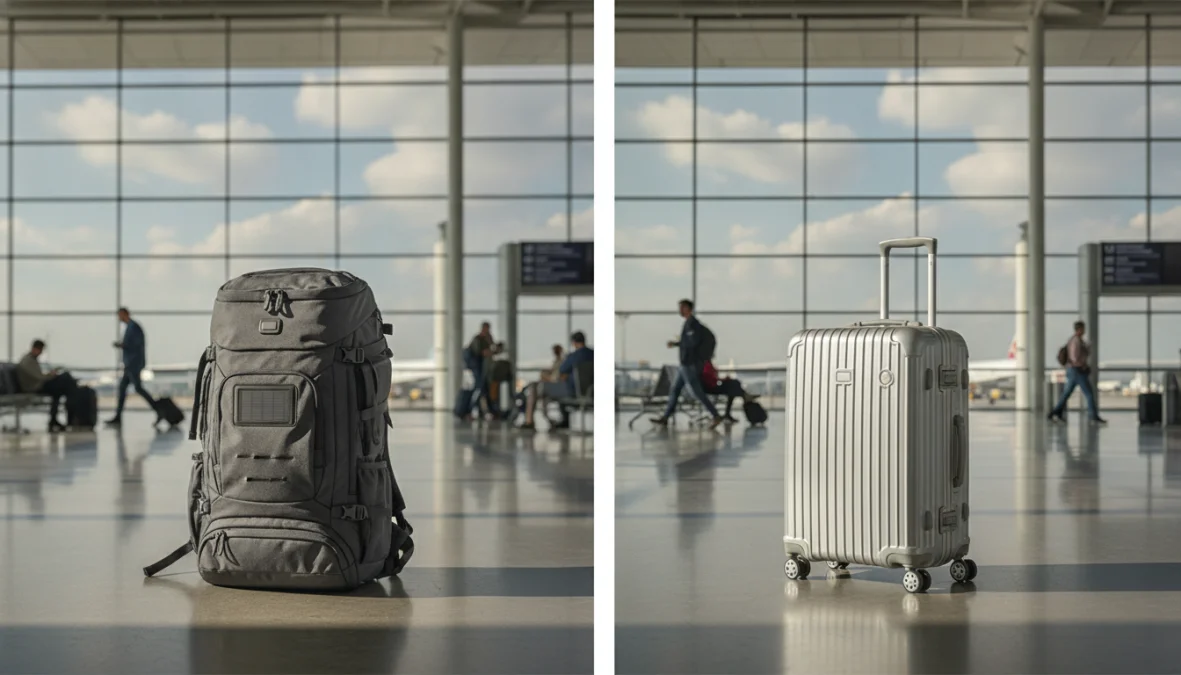
Standing in the airport check-in line, you’ve probably found yourself eyeing both the sleek rollers and the adventure-ready backpacks around you, wondering which one you should’ve brought. The backpack vs suitcase debate isn’t just about personal preference—it’s about matching your luggage to your specific travel style, destination, and trip requirements. Whether you’re navigating cobblestone streets in Europe, rushing through business meetings, or island-hopping for a week, choosing between a backpack or suitcase for travel can make or break your journey. Let’s dive into this comprehensive travel luggage comparison to help you make the smartest choice for your next adventure.
Backpack vs Suitcase: Key Differences and What Makes Each Unique
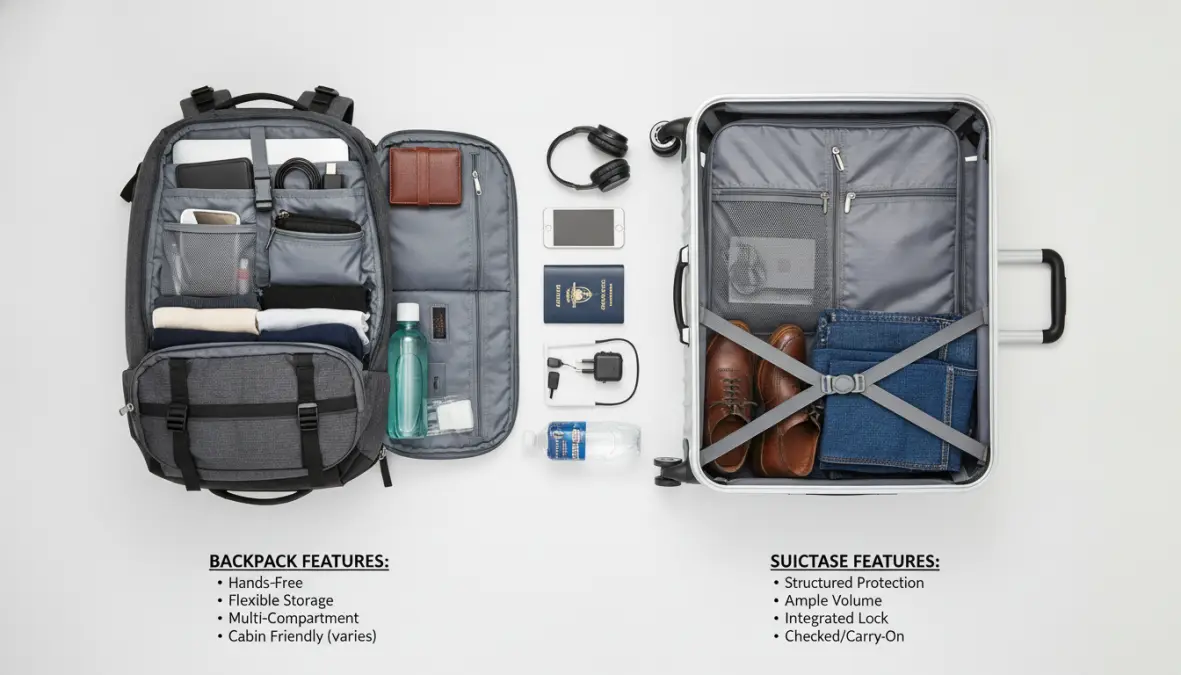
Understanding the fundamental differences between these two travel bag types starts with how they’re designed to move. Backpacks distribute weight across your shoulders and back, offering hands-free mobility that’s perfect for navigating stairs, jumping on trains, or trekking through airports. Suitcases, on the other hand, rely on wheels and a telescoping handle, letting you roll your belongings alongside you with minimal physical effort on smooth surfaces.
The packing approach differs dramatically too. Backpacks typically feature top-loading or panel-loading designs with fewer compartments, encouraging a more flexible but sometimes chaotic packing style. Suitcases offer structured compartments with clamshell openings, making organization more intuitive—you can see everything at once, similar to how packing cubes help maximize luggage efficiency.
| Feature | Backpack | Suitcase |
|---|---|---|
| Mobility | Hands-free, shoulder/back carried | Wheeled, requires one hand |
| Best Terrain | Stairs, uneven surfaces, crowded spaces | Smooth floors, airports, hotels |
| Capacity | 40-65L typical | 35-75L typical |
| Organization | Minimal compartments | Multiple structured sections |
| Professional Appearance | Casual/adventure | Business/formal |
| Physical Demand | Moderate to high | Low on smooth surfaces |
Pros and Cons: When Each Luggage Type Wins
The suitcase vs backpack pros and cons debate really comes down to understanding what each excels at and where they fall short. Neither option is universally superior—instead, each shines in specific scenarios and struggles in others. This backpack vs rolling luggage analysis will help you identify which aligns with your travel priorities.
Advantages and Drawbacks of Travel Backpacks
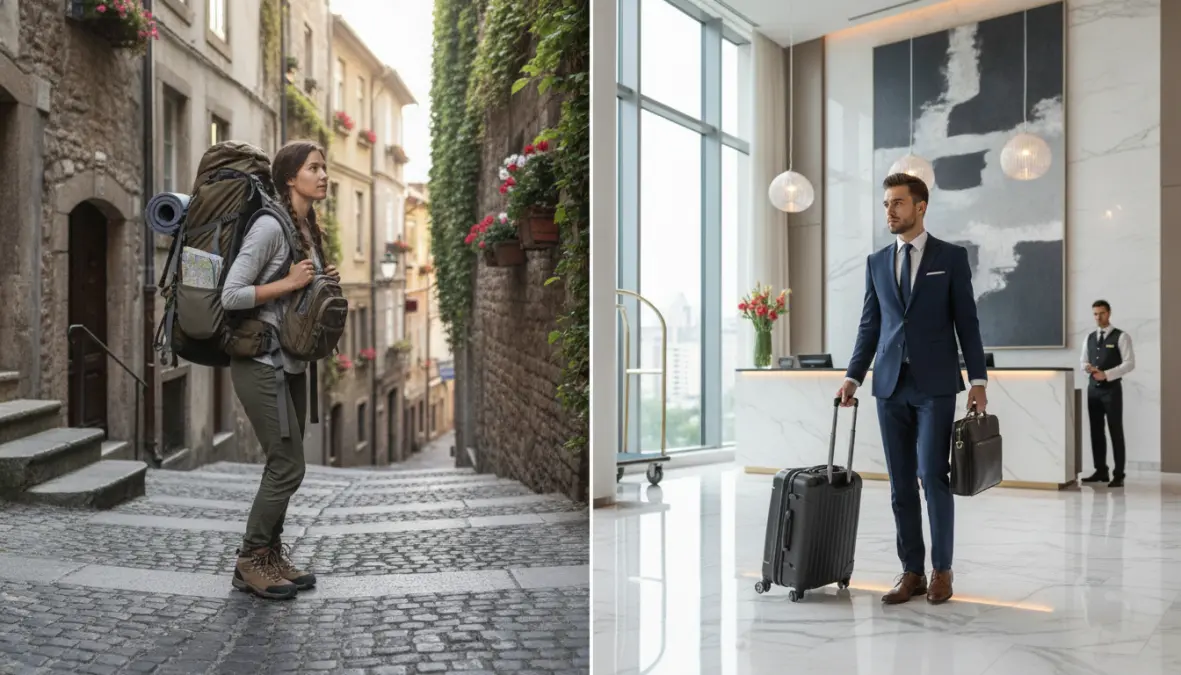
Travel backpacks dominate when destination terrain gets challenging. Climbing those narrow stairs to your Athens Airbnb before catching a ferry to Santorini? A backpack won’t slow you down. The hands-free design means you can grab your coffee, check your phone, or hold onto handrails without juggling your luggage. For adventure travelers exploring places like Chefchaouen’s hilly streets, backpacks offer unmatched flexibility. They’re also fantastic for navigating crowded metro systems or squeezing through tight hostel corridors.
However, the advantages of backpack over suitcase come with trade-offs. Extended wear causes shoulder and back strain, especially with heavier loads. Finding that one item buried at the bottom means unpacking half your bag. The casual appearance might not suit business environments, and airline restrictions can be tricky since sizing is less standardized than wheeled carry-ons.
Choose a backpack when: You’re visiting destinations with cobblestones, stairs, or limited infrastructure; taking lots of public transportation; moving accommodations frequently; or embarking on adventure-focused trips where mobility and portability trump convenience.
Advantages and Drawbacks of Suitcases
Suitcases excel at traveler comfort and organization. Rolling through airport terminals or hotel lobbies requires minimal physical effort, saving your energy for actual exploration. The compartmentalized design with dividers and pockets makes packing methodical—business travelers appreciate keeping suits wrinkle-free and electronics separated. The professional aesthetic works perfectly for corporate trips or cruise vacations where appearance matters.
The downsides? Those wheels that glide smoothly across marble floors become your enemy on cobblestones, gravel, or beach sand. Stairs turn into obstacles requiring you to lift the entire weight awkwardly. In crowded spaces like busy markets or packed trains, a wheeled suitcase takes up more room and becomes cumbersome. When infrastructure fails—think broken elevators or unpaved paths—you’ll understand when to use suitcase instead of backpack becomes crystal clear.
Choose a suitcase when: You’re staying primarily in hotels with smooth floors; traveling for business; taking cruises; or visiting well-developed cities with excellent infrastructure. They’re ideal when trip duration considerations mean you need maximum organization or when you’re packing formal attire.
Best Luggage for Different Trip Types: Matching Your Travel Style
Selecting the best luggage for different trips requires matching your bag to your itinerary. Here’s how to choose based on common travel scenarios:
Business Travel: Suitcases win here. The structured design keeps suits crisp, and the professional appearance aligns with corporate expectations. A wheeled carry on backpack vs suitcase comparison for business heavily favors rolling luggage, especially for conference-heavy schedules. Consider the backpack vs suitcase for business travel equation solved—unless you’re combining work with adventure destinations.
Backpacking/Adventure Travel: This is backpack territory. Whether trekking through Southeast Asia or exploring mountain regions where altitude sickness is a concern, you need hands-free mobility. The flexibility to navigate hostels, remote areas, and varied terrain makes backpacks essential for adventurers.
European City Breaks: Wondering should i use a backpack or suitcase for europe? It depends on your cities. Modern capitals like Amsterdam or Berlin with smooth infrastructure suit suitcases, while historic centers with cobblestones like Rome or Prague favor backpacks. For multi-city trips mixing both, a versatile backpack often wins.
Beach Vacations: Suitcases typically work better for resort-based beach trips to destinations like Portugal’s Algarve Coast, where you’re staying put. However, if you’re island-hopping with boat transfers, a backpack’s portability shines.
Budget Airline Travel: The best luggage for budget airlines is whatever fits their strict size requirements. Many travelers find backpacks easier to compress and stuff into overhead bins, while budget carriers often charge extra for wheeled bags. Always check your airline’s specific dimensions.
One-Week Trips: For the backpack or suitcase for one week trip question, either works if you pack smart. A well-organized carry-on suitcase handles week-long trips efficiently, but so does a 40-45L backpack. Your destination’s infrastructure matters more than duration here.
FAQ: Backpack vs Suitcase Questions Answered
Is a backpack better than a suitcase for travel?
Neither is universally better—it depends on your destination and travel style. Backpacks excel on uneven terrain, stairs, and adventure trips, while suitcases work better for business travel, hotels, and smooth surfaces. Consider where you’re going and how you’ll move around.
Can you use a backpack instead of carry-on luggage?
Absolutely. Most airlines accept backpacks as carry-on luggage provided they meet size restrictions (typically around 22x14x9 inches). Travel backpacks designed for carry-on compliance fit overhead bins easily. Just verify your specific airline’s dimensions before traveling.
What lasts longer, backpack or suitcase?
Quality suitcases generally last longer due to hard-shell construction and fewer stress points. Backpack straps, zippers, and fabric endure more wear from constant shoulder pressure and rough handling. However, premium backpacks from reputable brands can last 5-10 years with proper care.
Are backpacks allowed as checked luggage?
Yes, airlines accept backpacks as checked luggage. However, loose straps can get caught in conveyor belts, so secure them in the bag’s compression system or use protective covers. Some travelers prefer suitcases for checking due to their sturdier construction against baggage handling.
Which is better for international travel?
For diverse international itineraries mixing cities, rural areas, and varied transportation, backpacks offer more versatility. For hotel-based international trips with primarily urban destinations, suitcases provide better organization and comfort. Consider investing in quality travel insurance regardless of your choice to protect your investment.
The backpack vs suitcase decision ultimately reflects how you travel, not just where you’re going. Some seasoned travelers even own both, selecting based on each trip’s unique demands. Consider your physical capabilities, destination infrastructure, accommodation types, and travel pace. Whether you’re navigating Cape Town on a budget or avoiding travel scams in busy tourist areas, the right luggage choice enhances your journey. Test both options on shorter trips to discover your preference, and remember—the best travel gear is whatever gets you exploring confidently and comfortably.