
Travel Visa Requirements: Complete Guide to Tourist Visas Worldwide
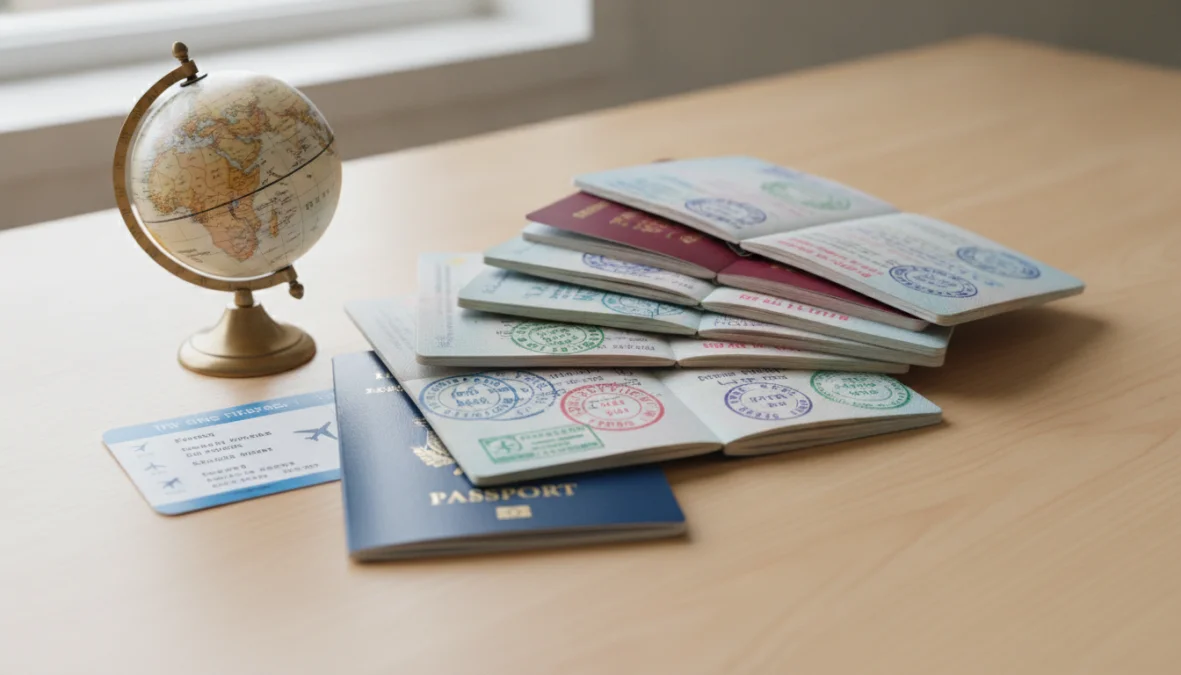
Planning your dream vacation is exciting—until you hit the wall of travel visa requirements. Suddenly, you’re drowning in embassy websites, confusing forms, and conflicting information. Whether you’re heading to the beaches of Bali, exploring European capitals, or embarking on an African safari, understanding passport and visa requirements can make or break your travel plans. The good news? Once you grasp the basics, navigating the visa maze becomes surprisingly manageable.
Understanding Travel Visa Requirements and Types
Let’s start with the fundamentals: a visa is essentially a permission slip from a foreign government allowing you to enter their country for a specific purpose and duration. It’s not the same as your passport—that little booklet is your proof of citizenship and identity. Your passport gets you out of your home country; the visa gets you into your destination.
Tourist visa requirements vary wildly depending on your citizenship and destination. The three main categories you’ll encounter are tourist visas (for leisure travel), business visas (for work-related activities), and transit visas (for passing through a country en route to somewhere else). Each comes with specific travel document requirements and restrictions.
Here’s something crucial many travelers miss: most countries require your passport to be valid for at least six months beyond your planned departure date. This “six-month rule” catches countless travelers off guard, so check your passport expiration date before you even start dreaming about destinations. Some countries are stricter, requiring blank pages for stamps or specific types of passport photos.
Visa-Free Travel, Visa on Arrival, and Electronic Visas
Not all international travel requires advance planning. Many visa free countries allow citizens of certain nations to enter without any prior authorization. Europeans traveling within the Schengen Area, for example, can hop between 27 countries without showing a passport. Americans can visit much of Europe for up to 90 days visa-free (though the ESTA authorization is required for the visa waiver program).
Visa on arrival programs let you obtain your visa at the airport or border crossing when you land. Countries like Thailand, Egypt, and Cambodia offer this convenient option. You’ll typically pay a fee (bring cash in the correct currency!), fill out a simple form, and receive a stamp allowing stays of 15-90 days. The downside? You might face long queues, and there’s always a small risk of denial if you don’t meet entry requirements.
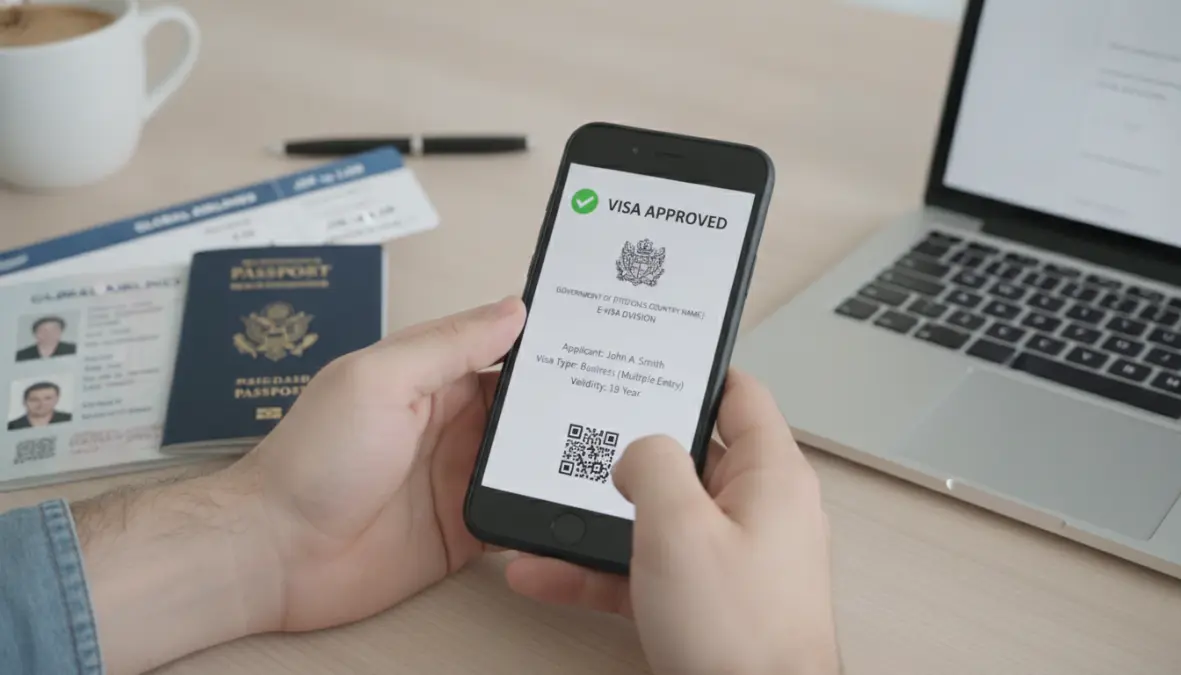
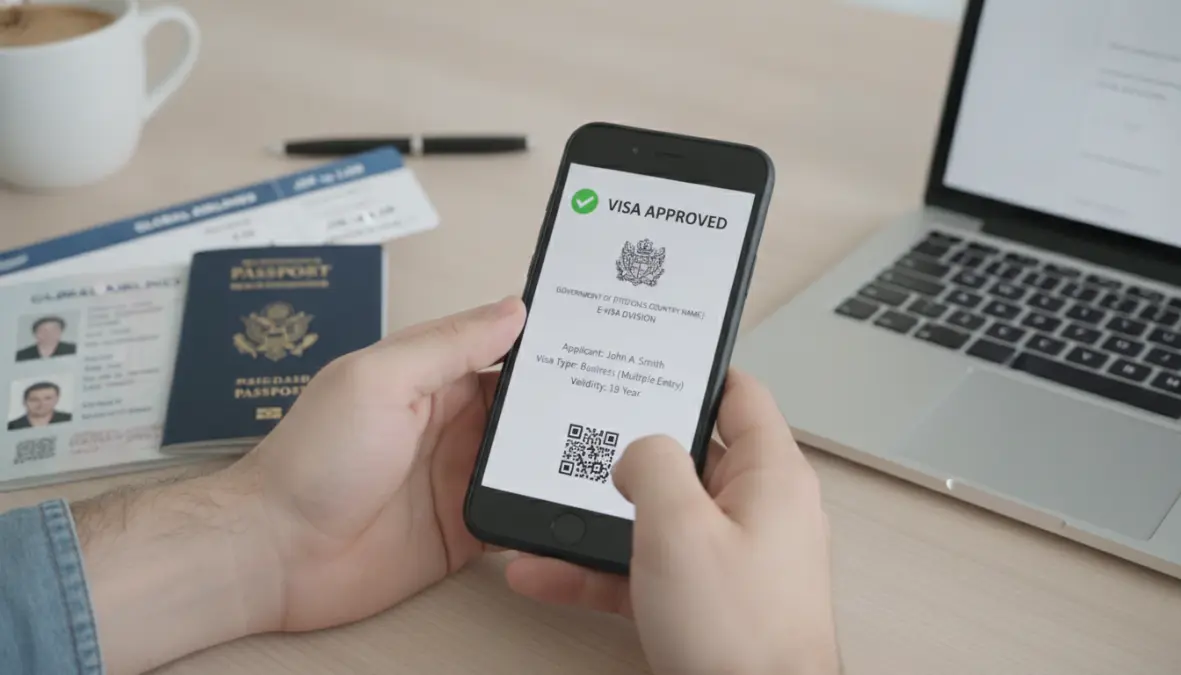
Electronic visa application systems (e-visas) represent the modern middle ground. Countries like India, Turkey, and Kenya let you apply online, pay digitally, and receive approval via email—usually within days. You print your e-visa and present it upon arrival. It’s faster than embassy visits but requires more advance planning than visa-on-arrival options. Before planning your itinerary, like traveling from Athens to Santorini, verify whether Greece requires any special travel authorization for your nationality.
The Visa Application Process: Step-by-Step Guide
Ready to tackle the visa application process? Start by researching your specific destination’s requirements at least 2-3 months before departure. Government websites are your most reliable source—don’t trust random blogs or outdated forum posts when it comes to official immigration documentation.
Here’s how to apply for a tourist visa in most cases: First, gather your documents (we’ll detail these next). Second, complete the application form—either online or on paper, depending on the country. Third, schedule an appointment at the embassy or consulate if required. Fourth, attend your interview (if applicable) and submit your materials. Finally, pay the consular fees and wait for processing.
Understanding how long does visa processing take is critical for planning. Standard processing ranges from 3-15 business days, but can stretch to several weeks for countries with strict border control regulations. Rush services exist for many destinations (at premium prices), while others simply don’t accommodate last-minute travelers.
Common mistakes to avoid: applying too late, submitting low-quality photos, providing incomplete financial documentation, and failing to demonstrate strong ties to your home country. Embassy and consulate services receive thousands of applications—make yours stand-out-ready by triple-checking everything before submission.
Common Requirements and Documents Needed
So, what documents are needed for visa application? While specifics vary, most countries require these basics:
- Valid passport: Must have at least 6 months validity and 2-3 blank pages
- Passport photos: Usually 2×2 inches, white background, recent (within 6 months), specific head size requirements
- Completed application form: Filled accurately with matching information across all documents
- Proof of financial means: Bank statements (typically 3-6 months), employment letter, or sponsorship documents
- Travel itinerary: Flight reservations and accommodation bookings (pro tip: use refundable options until visa approval)
- Travel insurance: Many countries require coverage for medical emergencies and repatriation
- Supporting documents: Letter of invitation (if visiting family/friends), employment verification, property ownership records
The passport validity requirement trips up many travelers. Even if your passport doesn’t expire during your trip, the six-month rule still applies in most cases. Renew early to avoid disappointment.
Just as you’d prepare properly for destinations like Machu Picchu or organize your luggage with the right packing system, approaching visa applications with organization and preparation will save you headaches.
Visa Requirements by Country and Region
Visa requirements by country create a complex global patchwork. Your passport’s “strength” determines how many countries you can access visa-free—Japanese and Singaporean passports top the rankings, while some nations face restrictions nearly everywhere.
For visa requirements for European travel, the Schengen Agreement simplifies things enormously. Americans, Canadians, Australians, and many others can visit 27 European countries for 90 days within any 180-day period without a visa. Non-Schengen countries like the UK and Ireland have separate rules. Whether you’re exploring Portugal’s Algarve Coast or other European destinations, verify current travel authorization requirements.
Asia presents the widest variety. Japan, South Korea, and Singapore welcome most Western visitors visa-free, while China and Russia require advance applications with substantial documentation. Southeast Asian nations like Thailand and Indonesia offer visa-on-arrival or visa-free entry to encourage tourism.
For Africa, countries that require visa for US citizens include Morocco (visa-free for up to 90 days), South Africa (visa-free), Kenya (e-visa available), and Egypt (visa on arrival). When planning adventures like visiting Cape Town or Chefchaouen in Morocco, verify the latest entry requirements, as policies change frequently.
The Americas generally offer easy access for North American and European travelers. Most Latin American countries don’t require visas for tourist stays under 90 days. Brazil and Bolivia are notable exceptions requiring advance visas from many nationalities.
For accurate, up-to-date information, consult official government sources like the U.S. State Department’s travel website, your destination country’s embassy website, or IATA’s Travel Centre database used by airlines worldwide.
Frequently Asked Questions
How long does visa processing take? Standard processing typically takes 5-15 business days, though some countries process within 48 hours while others may require 4-6 weeks. Always apply well in advance of your travel dates.
Can I apply for a visa online? Many countries now offer electronic visa application systems. Check your destination’s official embassy website to see if e-visas are available for your nationality.
What if my visa is denied? You can usually reapply after addressing the reason for denial (insufficient funds, incomplete documents, etc.). Some countries allow appeals, though this extends the timeline considerably.
Do children need separate visas? Yes, even infants require their own visas and passports for international travel. Family applications may be processed together but each person needs individual documentation.
Can I work with a tourist visa? Absolutely not. Tourist visas strictly prohibit employment or business activities. Working on a tourist visa can result in deportation and future entry bans.
What’s the difference between single and multiple entry? Single-entry visas allow one entrance during the tourist visa validity period. Multiple-entry visas let you leave and return multiple times within the validity window—essential if you’re planning side trips.
How early should I apply? The sweet spot is 4-8 weeks before departure. Too early and your visa might expire before travel; too late and you risk not receiving it in time.
Understanding travel visa requirements transforms from overwhelming to manageable once you break down the process. Start early, stay organized, and don’t hesitate to contact embassy and consulate services directly with questions. With proper preparation, that visa stamp becomes your gateway to incredible adventures—not a barrier standing in your way. Just remember to stay vigilant about common travel scams once you arrive at your destination. Safe travels!