Tanzania Northern Circuit: Complete Safari Route from Tarangire to Ngorongoro
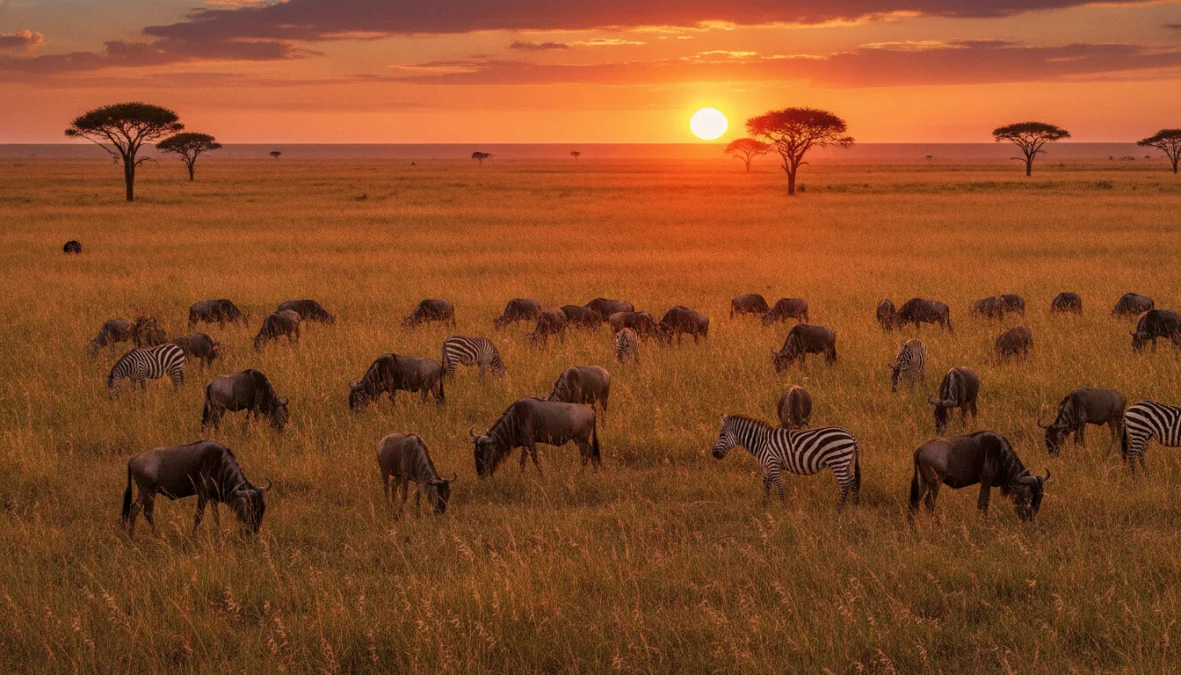
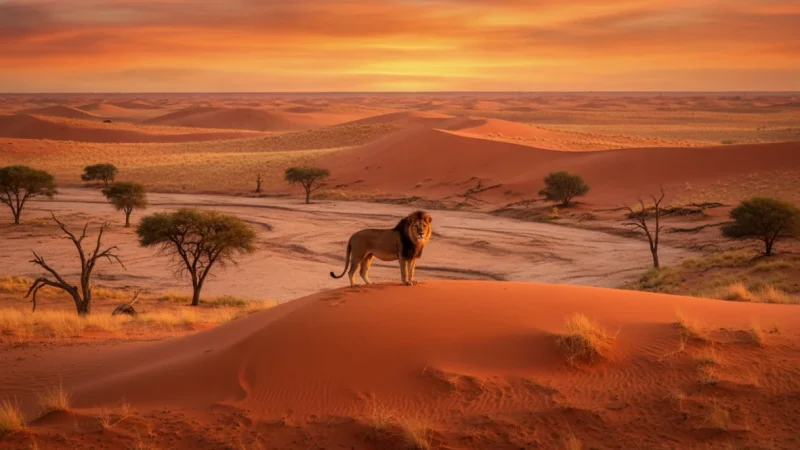
Picture this: endless golden savannahs dotted with acacia trees, massive elephant herds moving beneath ancient baobabs, and the world’s largest concentration of wildlife packed into a volcanic crater. The Tanzania northern circuit isn’t just another safari route—it’s the crown jewel of African wildlife experiences, offering everything from the thundering hooves of the great migration to intimate encounters with the Big Five. Starting from the safari hub of Arusha, this legendary circuit connects four spectacular parks in a journey that reveals why Tanzania remains the ultimate safari destination.
What Makes the Northern Circuit Tanzania’s Premier Safari Route
The northern tanzania safari circuit has earned its reputation as Africa’s most iconic wildlife route for good reason. This compact network of parks, all accessible within a few hours’ drive from Arusha, packs an incredible diversity of ecosystems into a relatively small area. You’ll traverse everything from riverine forests and soda lakes to endless grasslands and the world’s largest volcanic caldera—all teeming with wildlife.
The arusha safari circuit typically encompasses four main parks: Tarangire National Park, Lake Manyara, Serengeti National Park, and Ngorongoro Conservation Area. What makes this circuit special is the sheer concentration of wildlife—these parks collectively host the highest density of large mammals on the planet, including all of the Big Five and the annual spectacle of the great migration.
When considering the best time to visit northern circuit tanzania, the dry season from June through October offers optimal game viewing as animals congregate around water sources. However, the green season (November to May) brings dramatic scenery, fewer crowds, and lower prices, plus you’ll catch the calving season in the southern Serengeti around February. As for how many days for northern circuit safari, most travelers find 5-7 days hits the sweet spot, allowing 1-2 days in each major park without feeling rushed.
The Complete Northern Circuit Safari Itinerary: Park by Park
Planning your tanzania safari itinerary means understanding what each park offers and how they connect. Most safaris begin in Arusha, the gateway city with good infrastructure and accommodation options. From there, the circuit typically flows westward through increasingly spectacular landscapes.
Tarangire National Park: Gateway to the Northern Circuit
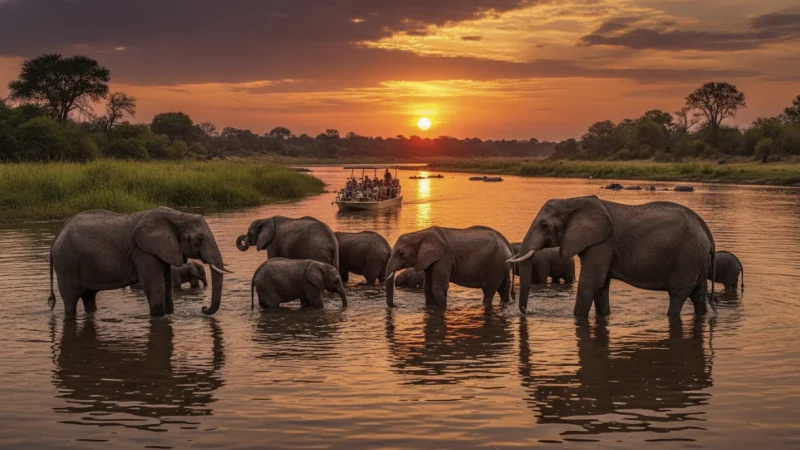
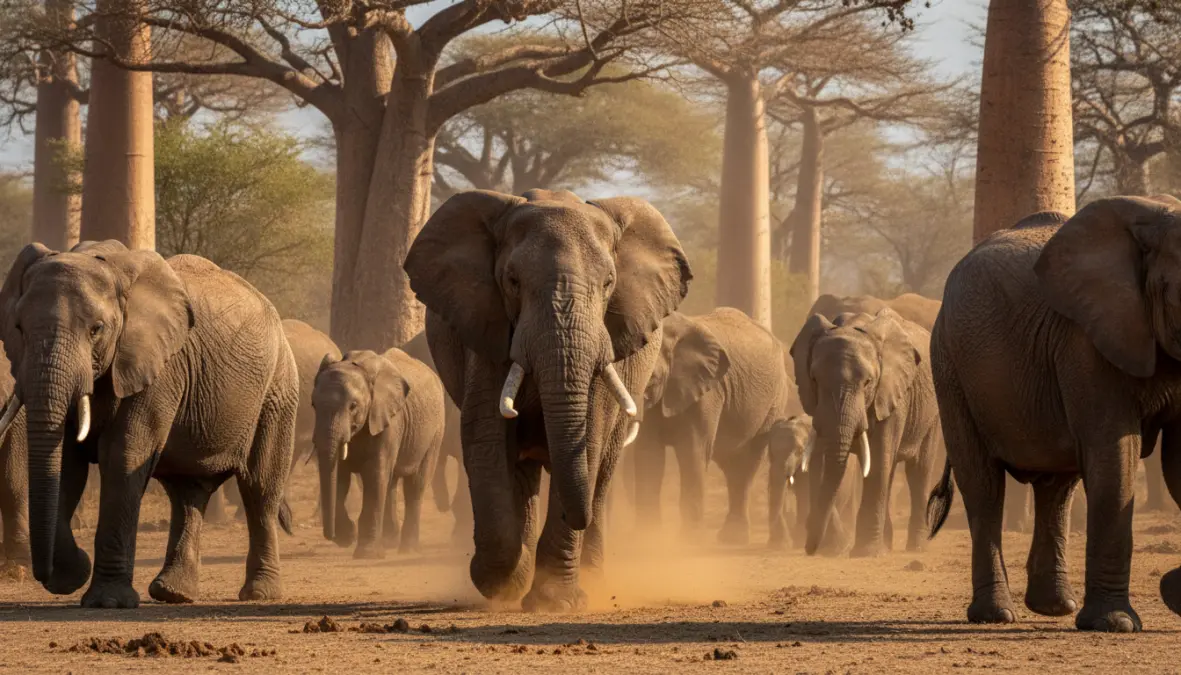
Tarangire National Park, about 120km (2 hours) from Arusha, makes an excellent first stop on your northern circuit adventure. This often-underrated park is famous for its massive elephant populations—you’ll regularly see herds numbering in the hundreds during the dry season. The landscape here is distinctly different from the Serengeti, characterized by iconic baobab trees that look like they’ve been planted upside-down, and the Tarangire River that acts as a wildlife magnet when other water sources dry up.
Beyond elephants, Tarangire offers exceptional big five game viewing (though rhinos are rare), plus it’s a birding paradise with over 550 species recorded. The park sees fewer visitors than Serengeti or Ngorongoro, meaning you’ll often have game drives with minimal vehicle congestion. Plan for 1-2 days here, ideally visiting between June and October when wildlife concentrations peak. The safari game drives in Tarangire’s southern swamps often reveal lions, leopards, and the endangered wild dogs.
Serengeti and Ngorongoro: The Crown Jewels
The serengeti safari route represents the heart of Tanzania’s wildlife experience. At 14,763 square kilometers, the Serengeti is vast, and different areas offer distinct experiences. The central Seronera region provides year-round big five game viewing with resident lion prides and leopards often spotted in riverside trees. The western corridor witnesses dramatic river crossings during the migration (typically June-July), while the northern Serengeti offers the spectacular Mara River crossings from August through October.
The great migration—over 1.5 million wildebeest and 200,000 zebras moving in an ancient circular pattern—is the world’s greatest wildlife spectacle. Timing your visit to coincide with the migration adds another dimension to your safari, though the Serengeti rewards visitors any time of year with its incredible resident wildlife populations. Most itineraries allocate 2-3 days to properly explore this massive park, though serious wildlife photographers often stay longer.
The ngorongoro crater safari provides a fitting finale to the northern circuit. This UNESCO World Heritage Site, formed when a massive volcano collapsed millions of years ago, creates a 260-square-kilometer natural amphitheater with 600-meter-high walls. The crater floor hosts an estimated 25,000 large animals, making it one of the most densely populated wildlife areas in Africa. It’s one of your best chances to spot the critically endangered black rhino, along with massive-tusked elephants, prides of lions, and flamingo-filled soda lakes.
Unlike the expansive Serengeti, Ngorongoro is experienced in a single day—descending to the crater floor at dawn and ascending by late afternoon. The crater sits about 180km from the Serengeti (3-4 hours), and most travelers visit it on their final day before the 3-hour drive back to Arusha. Together, Serengeti and Ngorongoro typically require 3-4 days in your complete northern safari route itinerary.
Planning Your Northern Tanzania Safari: Practical Tips
Organizing your northern tanzania safari requires some practical considerations. While adventurous travelers might consider self drive northern circuit tanzania, the reality is that most parks require 4WD vehicles, navigation can be challenging without local knowledge, and safari tour operators provide crucial expertise in finding wildlife. Unlike South Africa’s Kruger self-drive safari options, Tanzania’s northern circuit is predominantly accessed through guided tours.
The northern circuit safari cost per person varies dramatically based on accommodation choices. Budget camping vs lodge safari options start around $200-250 per person per day with basic campsites, mid-range lodges run $300-500, while luxury lodges northern circuit tanzania can exceed $800-1,200 per person daily. These prices typically include park fees (which alone are substantial: $50-70 per person per day for most parks), meals, game drives, and transportation.
For your packing list, refer to our Ultimate Safari Planning Guide for comprehensive tips. Essential items include quality binoculars, a camera with telephoto lens, neutral-colored clothing in layers (mornings are cold, days warm), sunscreen, and insect repellent. Yellow fever vaccination is required if arriving from endemic countries, and malaria prophylaxis is recommended though the risk varies by season.
Most international visitors fly into Kilimanjaro International Airport (JRO), about 50km from Arusha. Many travelers combine the circuit with Zanzibar’s beaches or a Kilimanjaro trek for a complete Tanzania experience. When considering northern circuit vs southern circuit tanzania, the northern route offers better infrastructure, more accommodation options, and the great migration, while the southern circuit provides a more remote, off-the-beaten-path experience with excellent walking safaris.
FAQ
How many days do you need for the Northern Circuit?
A minimum of 5-6 days allows you to experience the main highlights without feeling rushed—typically 1 day Tarangire, 1 day Lake Manyara (or skip if time-limited), 2-3 days Serengeti, and 1 day Ngorongoro. Seven days is ideal for a more relaxed pace with better wildlife photography opportunities.
What is the best time to visit the Northern Circuit?
June through October offers the best overall game viewing with dry conditions and concentrated wildlife. For the great migration, timing depends on which stage you want to see: calving season (January-February) in southern Serengeti, river crossings (July-October) in northern Serengeti and Masai Mara.
Can you do the Northern Circuit on a budget?
Budget safaris are possible using camping accommodations and joining group tours, bringing costs to around $200-250 per person per day all-inclusive. However, park fees alone are substantial (around $200+ per person for the circuit), so there’s a baseline cost that can’t be avoided.
Which park should I prioritize if time is limited?
If you only have 2-3 days, prioritize Ngorongoro Crater (guaranteed Big Five sightings in one day) combined with either Serengeti (migration and vast landscapes) or Tarangire (elephants and fewer crowds). Lake Manyara, while beautiful, is often the first to cut from shortened itineraries.
Is the Northern Circuit suitable for families?
Absolutely. The circuit is malaria-risk managed, accommodations range from family-friendly lodges to private campsites, and game drives are typically safe for children. Most operators welcome kids, though some lodges have minimum age requirements (often 6-8 years) for safety reasons during game drives.
The Tanzania northern circuit delivers an unparalleled concentration of Africa’s most spectacular wildlife experiences in a single, accessible route. Whether you’re watching elephants silhouetted against Tarangire’s baobabs, witnessing wildebeest thunder across the Mara River, or gazing down into Ngorongoro’s wildlife-filled crater, this legendary circuit creates memories that last a lifetime. Start planning your african safari experience today—the Serengeti’s endless plains are calling.