Kgalagadi Transfrontier Park: Complete Guide to South Africa’s Remote Desert Safari
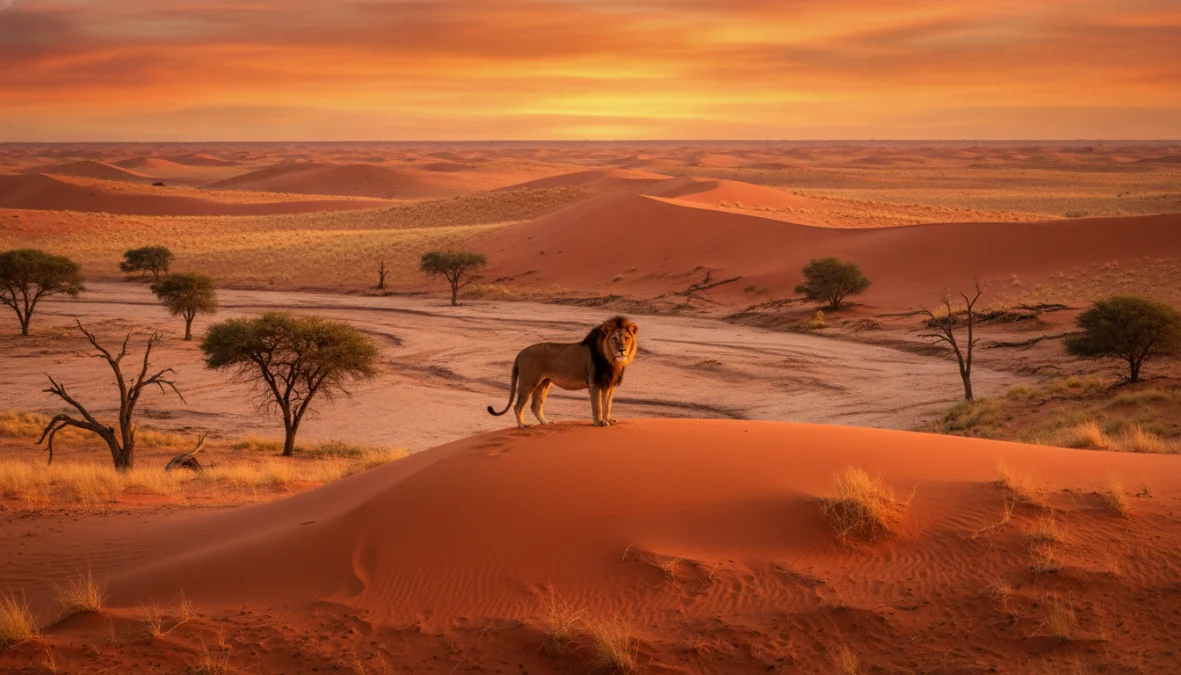
Picture this: endless red dunes stretching to the horizon, a black-maned lion stalking through golden grass, and absolute silence broken only by the call of a distant jackal. This is the Kgalagadi safari experience—raw, remote, and utterly unforgettable. Unlike the crowded game drives of more popular reserves, this desert wilderness offers something increasingly rare in Africa: authentic solitude paired with extraordinary wildlife encounters.
Understanding Kgalagadi Transfrontier Park: Africa’s First Cross-Border Wildlife Reserve
The Kgalagadi Transfrontier Park holds a special place in African conservation history as the continent’s first officially declared transfrontier conservation area. Created in 2000 from the merger of South Africa’s Kalahari Gemsbok National Park and Botswana’s Gemsbok National Park, this massive wilderness covers approximately 38,000 square kilometers of stunning arid savanna ecosystem.
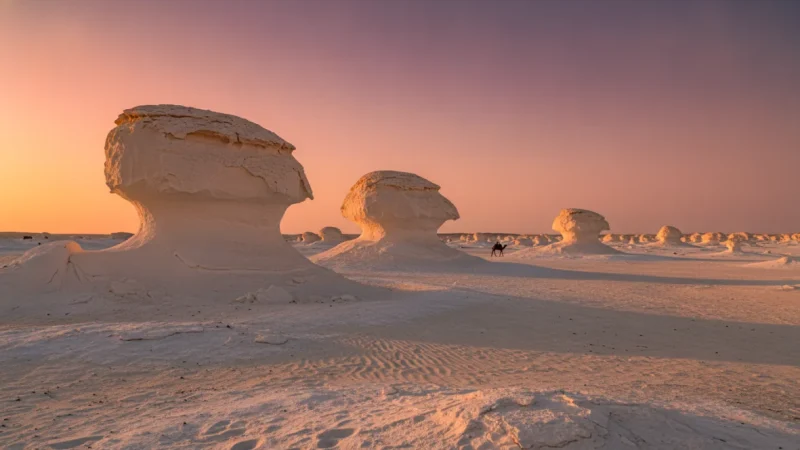
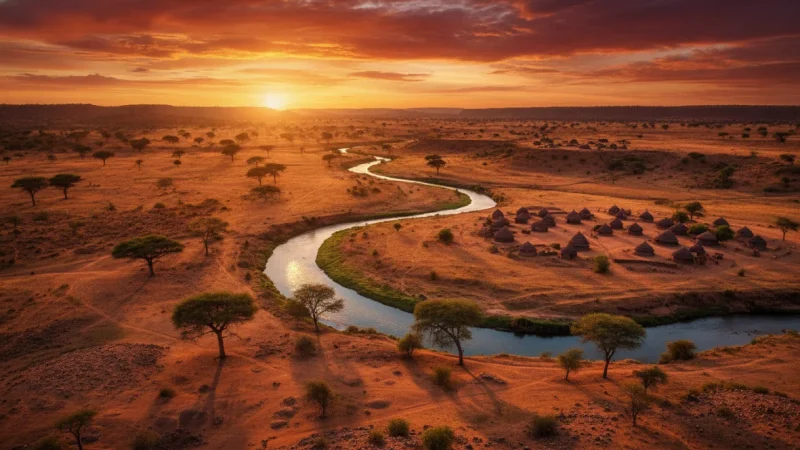
What makes a Kgalagadi safari unique is the stark beauty of the Kalahari Desert landscape. Instead of lush bushveld, you’ll traverse between red dunes Kalahari formations and ancient riverbeds that flow only once or twice a century. The two main arteries—the Nossob and Auob rivers—remain dry most of the year, yet their vegetated beds create natural game corridors where predators and prey concentrate in predictable patterns.
The best time to visit Kgalagadi Transfrontier Park depends on your priorities. Winter months (May to September) offer cooler temperatures (10-25°C), clearer skies for photography, and easier wildlife spotting as animals gather around waterholes. Summer (October to April) brings scorching heat (often exceeding 40°C) but also dramatic thunderstorms, newborn animals, and spectacular birdlife. Unlike traditional safari destinations, the Kalahari’s sparse vegetation means excellent game viewing year-round—you just need to prepare for extreme desert conditions.
Wildlife and Safari Experience in the Kalahari Desert
The Kalahari Desert wildlife has adapted to survive in one of Africa’s harshest environments, creating a safari experience unlike any other. The star attractions are undoubtedly the Kgalagadi black maned lions—impressive males sporting darker, fuller manes than their savanna cousins. These desert-adapted predators have developed unique hunting strategies, often taking down prey much larger than themselves.
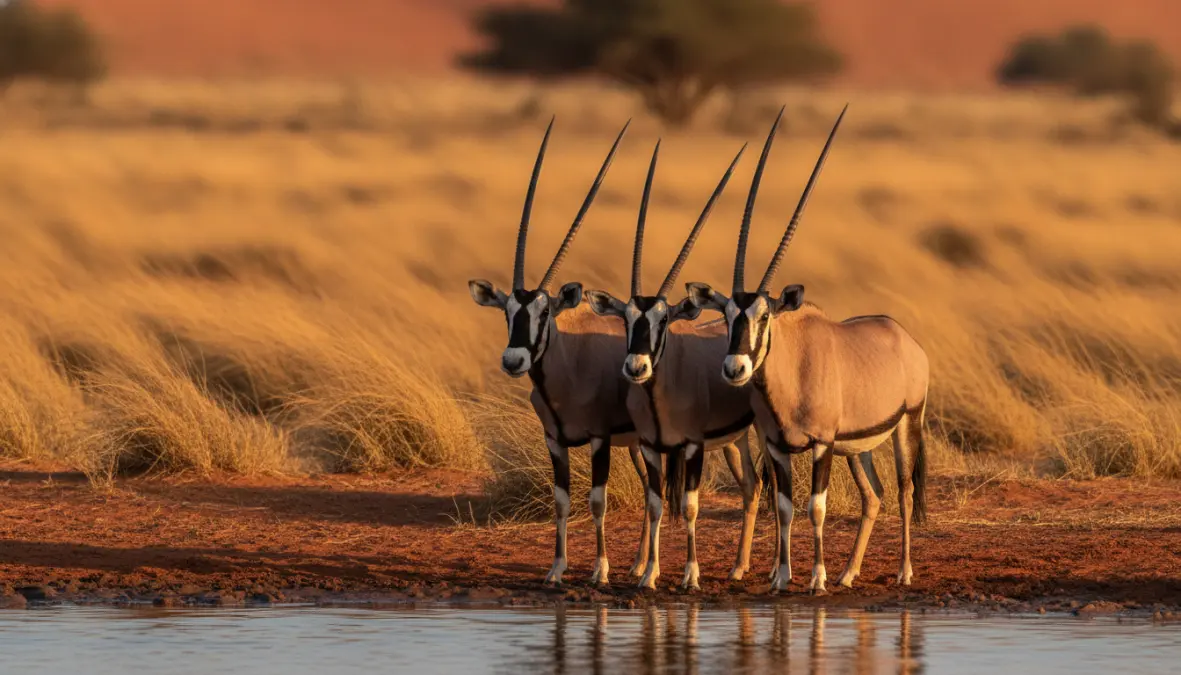
Beyond lions, the park hosts impressive cheetah and leopard populations. Gemsbok sightings (oryx antelope) are practically guaranteed—these striking animals with their rapier horns are perfectly adapted to desert life and can survive without drinking water for months. Springbok, eland, wildebeest, and red hartebeest round out the antelope populations, while smaller creatures like meerkats, bat-eared foxes, and Cape foxes provide endless entertainment.
The magic of a Kgalagadi self drive safari guide lies in the predictability of game viewing along the Nossob and Auob riverbeds. Drive slowly between waterholes, scanning the riverbanks and dune crests. Early mornings and late afternoons offer the best action, though even midday drives can yield spectacular sightings as animals seek shade under acacia trees. The sparse vegetation means you’ll often watch entire hunts unfold—something rarely possible in denser reserves like the Kruger Self Drive Safari areas.
Photography enthusiasts will find the Kalahari a dream destination. The dramatic red dunes create stunning backgrounds, the open landscape allows for clean compositions, and the reliable wildlife concentrations mean you won’t spend hours searching. Pack long lenses (400mm minimum), plenty of memory cards, and cleaning supplies for the ever-present dust.
Accommodation Options: From Rest Camps to Wilderness Camping
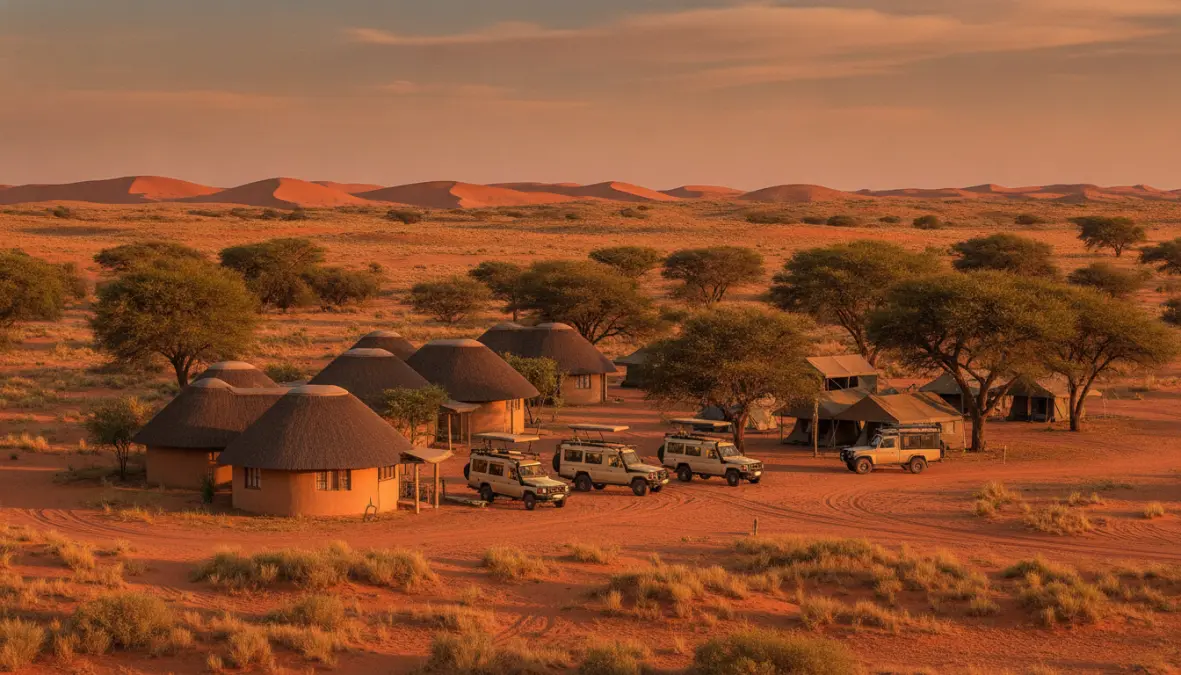
The kgalagadi safari accommodation options range from comfortable rest camps with restaurants and shops to ultra-remote wilderness camps where you’re completely self-sufficient. Understanding the differences helps you choose the right base for your desert adventure.
Main Rest Camps and Facilities
Two Rivers Camp Kgalagadi (Twee Rivieren) serves as the main entrance gate on the South African side. Located where the Nossob and Auob rivers meet, it’s the largest and most developed camp, offering air-conditioned chalets, safari tents, camping sites, a restaurant, shop, swimming pool, and fuel station. It’s the most accessible option and perfect for first-timers or those seeking more comfort after long game drives.
Nossob Camp sits 160km north along the Nossob riverbed, offering a more remote experience while maintaining decent facilities. With chalets, cottages, camping spots, a basic shop, and fuel, it’s ideally positioned for exploring the northern sections of the park. The wildlife viewing around Nossob is exceptional, particularly for black-maned lions.
Mata-Mata Camp, near the Namibian border along the Auob River, is the most isolated of the three main camps. Its desert setting provides a quintessential Kalahari atmosphere, with excellent gemsbok and cheetah sightings. Facilities include chalets, camping, a small shop, and fuel—but no restaurant, so come prepared with your own food.
Wilderness Camps and Self-Catering Options
For true remote wilderness safari enthusiasts, the smaller camps offer unforgettable experiences. Kieliekrankie, Gharagab, Urikaruus, and Bitterpan are unfenced, solar-powered camps accommodating just a few guests at a time. These four-bed cottages provide complete isolation—no shops, no other tourists, just you and the Kalahari. Book these well in advance as they’re incredibly popular despite (or because of) their remoteness.
Kgalagadi camping in designated sites requires you to be completely self-sufficient. Bring all food, water, camping gear, and supplies. The mabuasehube section on the Botswana side offers even more extreme wilderness camping for the truly adventurous, though accessing it requires careful planning and Botswana border crossing arrangements.
Frequently Asked Questions About Kgalagadi Safari
When is the best time to visit Kgalagadi? Winter (May-September) offers comfortable temperatures and excellent visibility, while summer (October-April) brings newborns and dramatic storms. The park is accessible year-round, unlike many African reserves, so timing depends on your heat tolerance and photography goals.
How do I get to Kgalagadi Transfrontier Park? Understanding how to get to Kgalagadi from Cape Town involves a 1,000km journey—about 10-12 hours of driving. Most visitors fly to Upington (260km from the park) or drive from Johannesburg (900km). The road to Twee Rivieren is tarred and suitable for normal vehicles, though a high-clearance vehicle is recommended once inside the park.
Is Kgalagadi malaria-free? Yes! The park is considered malaria-free, making it ideal for families and those wishing to avoid prophylaxis. However, always check current health advisories before traveling.
What should I pack for a desert safari? Essential items differ from traditional safaris. Bring sun protection (hat, high-SPF sunscreen, sunglasses), layers for cold mornings and scorching afternoons, plenty of water (the dry air dehydrates you quickly), dust protection for cameras, and all your food if staying at wilderness camps. Check our Ultimate Safari Planning Guide for comprehensive packing lists.
Can I do a self-drive safari in Kgalagadi? Absolutely—self-driving is the primary way to experience the park. Kgalagadi 4×4 requirements aren’t as strict as you might think; the main roads are gravel but manageable in a 2WD sedan, though high clearance helps. However, a 4×4 is mandatory for wilderness routes and highly recommended for comfort on corrugated roads.
How many days should I spend in Kgalagadi? Minimum three nights, ideally five to seven. This allows time to explore both river roads thoroughly, experience different lighting conditions, and increase your chances of witnessing predator activity. The kgalagadi safari cost and fees include conservation fees of around R408 per adult per day (South African residents pay less), plus accommodation ranging from R200 for camping to R2,000+ for chalets.
The Kgalagadi offers something increasingly precious in our crowded world: space, silence, and the raw beauty of nature operating on its own terms. Whether you’re watching a lioness teaching her cubs to hunt against a backdrop of red dunes or sitting around a campfire under impossibly starry skies, this remote wilderness safari will remind you why Africa gets under your skin. If you’re considering other affordable South African adventures after your desert safari, explore options in Cape Town on a budget to extend your trip without breaking the bank.