Etosha Self-Drive Safari: Complete Waterhole Guide & Camping Tips for Independent Travelers
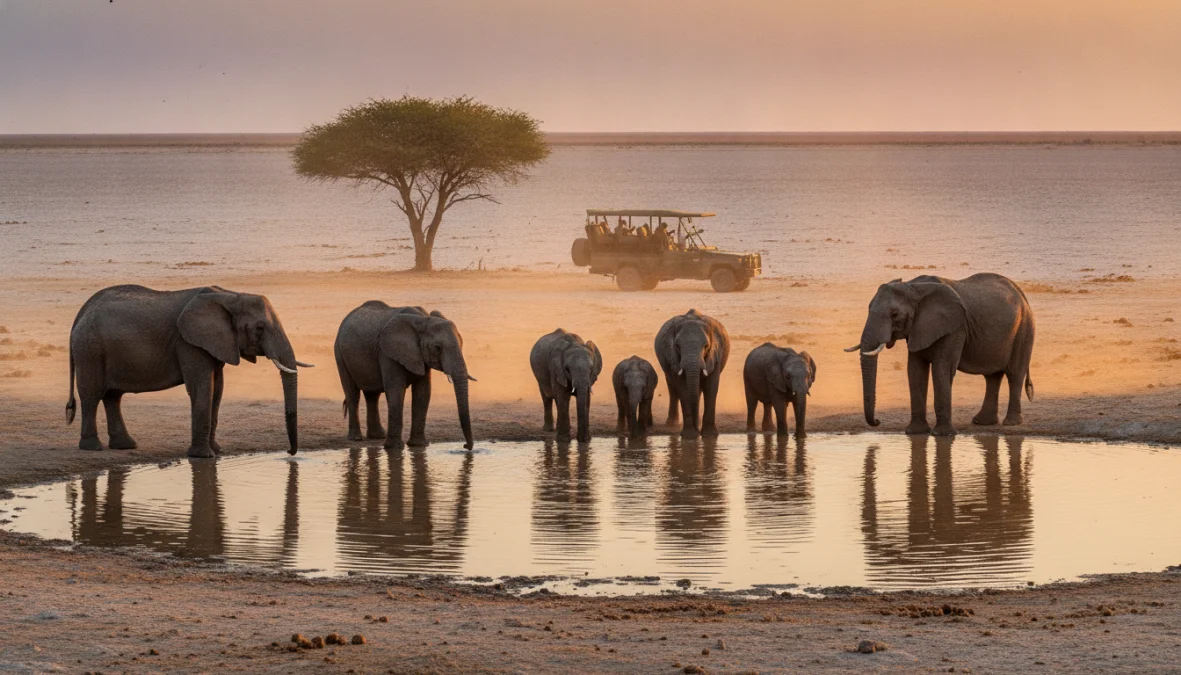
Picture this: you’re behind the wheel of your own vehicle, cruising dusty roads through one of Africa’s most spectacular wildlife destinations, stopping whenever you want at sun-baked waterholes teeming with elephants, lions, and rhinos. No rushed tour schedules, no overpriced guided safaris—just you, the open road, and Namibia’s incredible wildlife. An etosha self drive safari offers exactly this freedom, making it one of the most rewarding and budget-friendly safari experiences on the continent. With well-maintained roads, excellent infrastructure, and wildlife that practically comes to you at strategic waterholes, Etosha National Park is perfectly designed for independent travelers ready to create their own African adventure.
Planning Your Etosha Self-Drive Safari: Essential Information
Before you hit the road for your etosha national park self drive adventure, understanding the logistics will make your trip infinitely smoother. Etosha covers 22,270 square kilometers of pristine wilderness in northern Namibia, centered around a massive salt pan visible from space. What makes it exceptional for self drive safari namibia enthusiasts is the network of well-graded gravel roads connecting numerous waterholes—you don’t need advanced off-road skills or expensive guided tours to experience world-class game viewing.
The etosha park fees are remarkably reasonable: expect to pay around N$80 per person per day (approximately $4-5 USD) plus N$10 per vehicle. Entry permits are issued at the gates, though you’ll need advance bookings for accommodation. Regarding what car do you need for etosha self drive, a standard 2WD sedan with good ground clearance is perfectly adequate for the main tourist roads, though a 4×4 vehicle rental provides more comfort on rougher sections and better visibility for wildlife photography.
The best time visit etosha is during the dry season (May to October) when animals concentrate around waterholes, making sightings practically guaranteed. The wet season (November to April) offers lush landscapes and excellent birding, but wildlife disperses as water becomes available everywhere. For how many days for etosha self drive, budget at least three days to properly explore the park—an etosha self drive itinerary 3 days allows you to cover the main waterhole circuit from east to west without feeling rushed.
Park gates open at sunrise and close at sunset (times vary seasonally), and you must be inside your accommodation by then—no exceptions. Essential items for your checklist include plenty of water, snacks (services are limited), binoculars, camera with telephoto lens, sunscreen, and a detailed park map. Remember: you cannot exit your vehicle except at designated rest stops and camps. If you’re looking for more comprehensive planning advice for African safaris, check out our Ultimate Safari Planning Guide.
Etosha Waterhole Strategy: Where and When to Spot Wildlife
Understanding the etosha waterhole guide is absolutely critical to maximizing your safari success. Unlike East African parks where wildlife roams vast savannahs, Etosha’s animals are tied to permanent waterholes, especially during the dry season wildlife months. Your strategy is simple but effective: position yourself at the right waterhole at the right time, exercise patience, and let the animals come to you. This waterhole-centric approach is what makes an etosha self drive safari so productive even for first-timers.
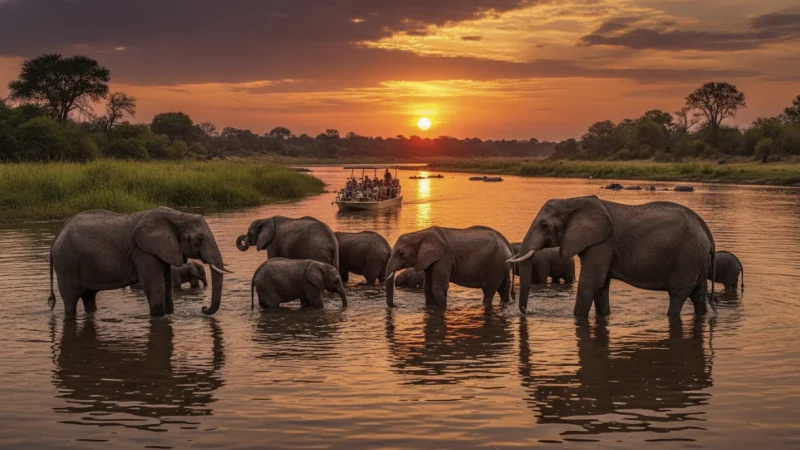
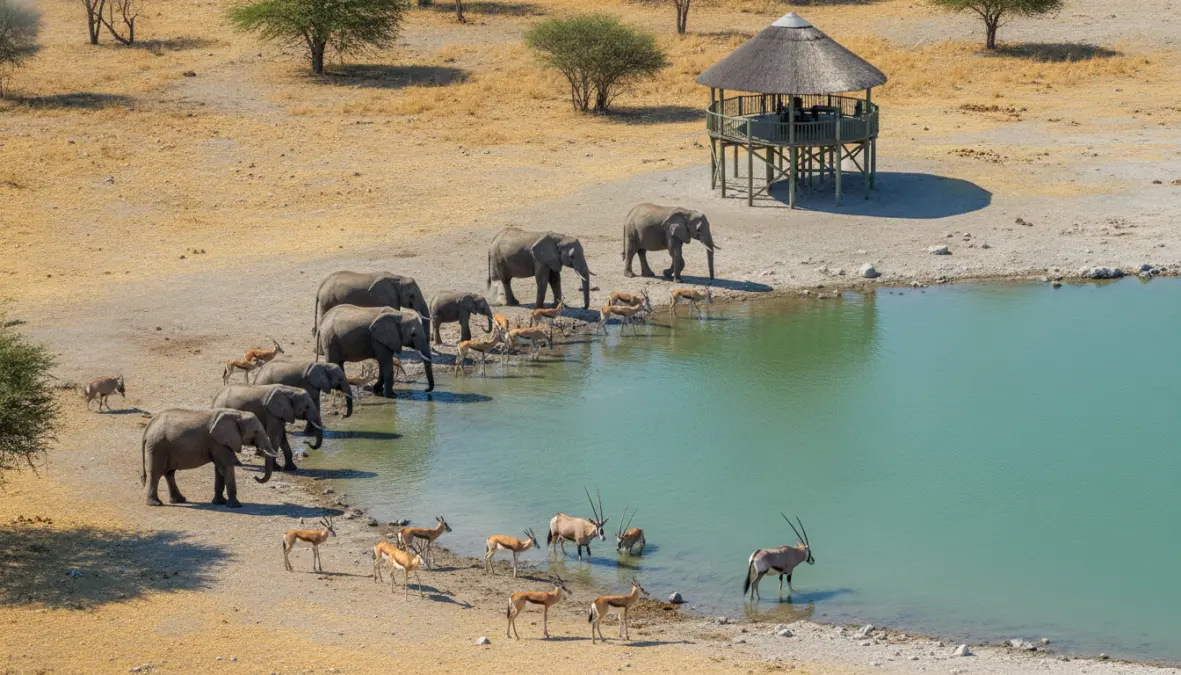
The best waterholes in etosha national park vary by location and season, but certain spots consistently deliver exceptional sightings. Western Etosha features fewer tourists and excellent predator encounters—waterholes like Okondeka and Olifantsrus offer serene viewing with regular lion and cheetah activity. Central Etosha, anchored by okaukuejo waterhole, provides the highest concentration of wildlife, particularly elephants. The eastern section around namutoni camp attracts massive springbok herds and the predators that follow them.
Timing matters enormously for your etosha waterhole strategy for wildlife viewing. Early mornings (immediately after gate opening) catch animals finishing their nighttime drinking sessions. Midday heat drives wildlife back to water, making 11am-3pm surprisingly productive despite conventional safari wisdom. Sunset hours (4pm-6pm) see animals arriving for evening drinks—prime time for photography in golden light. Crucially, camps with illuminated waterholes (okaukuejo waterhole, halali rest camp, and Namutoni) allow nighttime viewing from the safety of camp perimeters, often yielding sightings of black rhinos and leopards that avoid daytime exposure.
Best Waterholes by Region
To help plan your route, here’s a practical breakdown of top waterholes across Etosha:
- Okaukuejo (Central): The park’s most famous waterhole with 24-hour floodlit viewing. Exceptional for elephants, rhinos (especially at night), and lions. Never disappoints.
- Halali (Central): Set in rocky terrain attracting leopards. The camp’s floodlit waterhole offers excellent nocturnal viewing.
- Goas (Central): Consistently ranked among the best for predators, particularly lions. Morning visits often reward patient viewers.
- Salvadora (Central): Large waterhole excellent for elephants and plains game. Good pan viewing points nearby.
- Okondeka (Western): Remote and less crowded, fantastic for cheetahs and large elephant herds.
- Namutoni (Eastern): Historic fort setting with floodlit waterhole. Great for photography and springbok mega-herds.
- Klein Namutoni (Eastern): Smaller waterhole often hosting black-faced impala and Damara dik-diks.
- Chudob (Eastern): Excellent early morning spot near Fischer’s Pan with diverse species.
Wildlife Viewing Tips for Self-Drivers
Successful self drive safari tips revolve around patience and proper etiquette. Drive slowly (maximum 60 km/h on gravel, 40 km/h near waterholes) to avoid dust clouds that scare wildlife and to spot animals resting in shade. When you arrive at a waterhole, turn off your engine and wait—wildlife often appears within 15-30 minutes of quiet observation.
Your vehicle is your hide for wildlife photography, so shoot through open windows while remaining seated. Never exit your car except at designated areas, regardless of how calm animals appear. If predators are on the road, maintain distance and never rev your engine or drive aggressively close. During peak dry season, waterholes can get crowded—arrive early to secure good positioning, and respect the informal rule of limiting your stay to 20-30 minutes when others are waiting.
Animals are most active during cooler hours (before 10am and after 4pm), but don’t skip midday waterhole checks—the searing heat drives desperate animals to drink when they’d normally rest. For comparison with another excellent self-drive destination, read our Kruger Self Drive Safari guide.
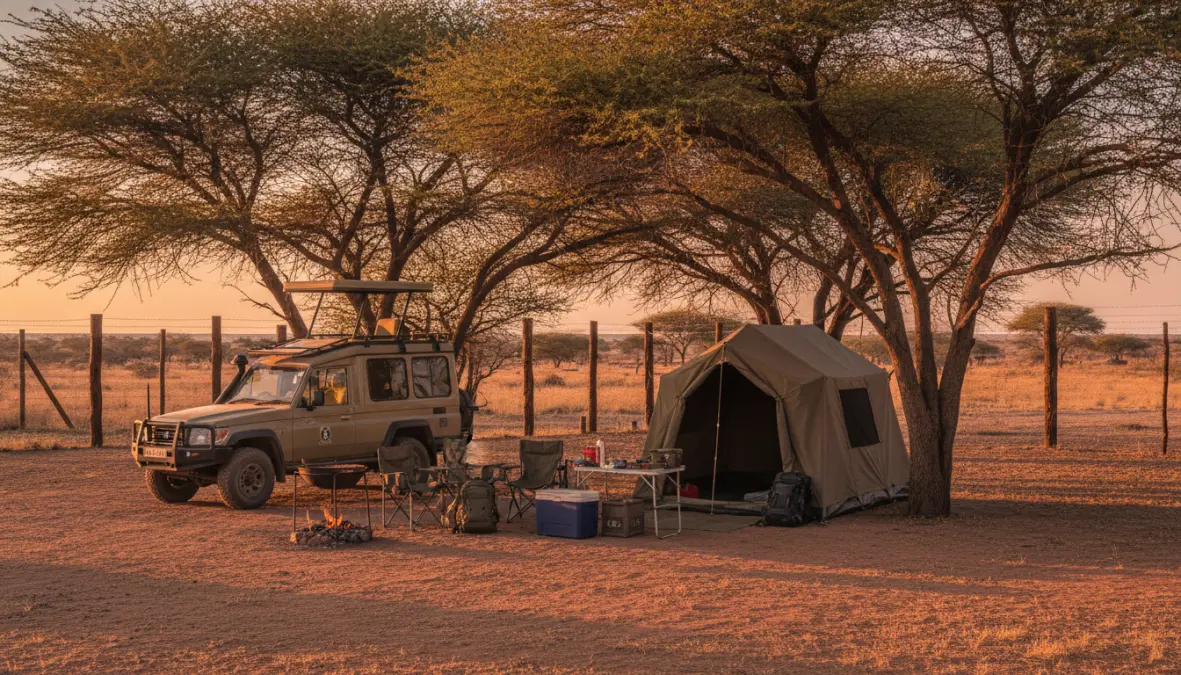
Etosha Camping Sites and Accommodation Options
Where to stay in etosha for self drive is a crucial decision that shapes your entire experience. The park operates three main government-run rest camps—okaukuejo, halali rest camp, and namutoni camp—each offering etosha camping sites, bungalows, and essential facilities. These camps must be booked well in advance (3-6 months for peak season) through Namibia Wildlife Resorts, as they fill up quickly.
Okaukuejo, in the central-southern section, is the park’s most popular camp thanks to its legendary floodlit waterhole. Facilities include campsites with power points, ablution blocks, a restaurant, shop, fuel station, and swimming pool. Campsites cost approximately N$380-450 per site (up to 8 people), making it incredibly budget-friendly. Halali, positioned centrally between east and west gates, offers a more intimate atmosphere with similar facilities and excellent game viewing at its own waterhole. Namutoni, housed in a historic German fort in the east, provides the most photogenic setting with white-walled architecture and good dining options.
For an etosha rest camps comparison, consider this: Okaukuejo offers the best waterhole but can feel crowded; Halali provides the quietest atmosphere with good wildlife diversity; Namutoni delivers historical charm and massive springbok herds. Ideally, split your stay across multiple camps to experience different park sections and maximize waterhole variety.
Self-catering is the norm and most budget-friendly option—camps have communal kitchen facilities and shops selling basics (though at premium prices, so stock up in Outjo or Tsumeb beforehand). The self drive safari etosha cost for camping typically runs $50-80 per day total including park fees, camping, and self-catered meals, making it one of Africa’s most affordable quality safari experiences. Private lodges exist just outside park boundaries, offering more luxury at significantly higher prices. For camping safety, lock all food in your vehicle overnight (baboons are clever), never leave valuables unattended, and respect wildlife—elephants regularly walk through campsites.
Frequently Asked Questions
Can you self-drive in Etosha?
Absolutely! Etosha is one of Africa’s best parks for self-drive safaris. Well-maintained gravel roads, clear signage, and strategic waterhole placement make it accessible for independent travelers without guides.
Do you need a 4×4 vehicle?
No, a standard 2WD car with decent ground clearance works fine on main tourist routes. However, a 4×4 offers more comfort, better visibility for viewing, and access to rougher roads if you venture into western sections.
How many days should you spend on an Etosha self-drive?
Minimum two days, ideally three to four. Three days allows you to cover the main waterhole circuit from Anderson Gate (east) to Galton Gate (west) without rushing, staying at different camps.
Is Etosha safe for self-drive safaris?
Very safe. The main danger is wildlife on roads—drive cautiously, especially at dusk. Stay in your vehicle, follow park rules, and you’ll have no issues. Crime is virtually non-existent inside the park.
What’s the best route through Etosha?
Most visitors enter at Anderson Gate (east), stay at Namutoni, move to Halali, then Okaukuejo, exiting west. This route follows the waterhole circuit and ends near Outjo for easy onward travel.
Can you get out of your car in Etosha?
Only at designated rest areas, picnic spots (like Okaukuejo and Halali), and within fenced rest camps. Never exit your vehicle near wildlife or on open roads.
An etosha self drive safari delivers the independence, affordability, and authentic wildlife encounters that make African safaris magical. With proper planning, strategic waterhole timing, and a spirit of adventure, you’ll create memories that rival any expensive guided tour—all on your own terms and budget. The waterholes are waiting, and your Namibian adventure starts the moment you turn that ignition key.