Normandy D-Day Beaches: Complete Historical Tour and Memorial Guide
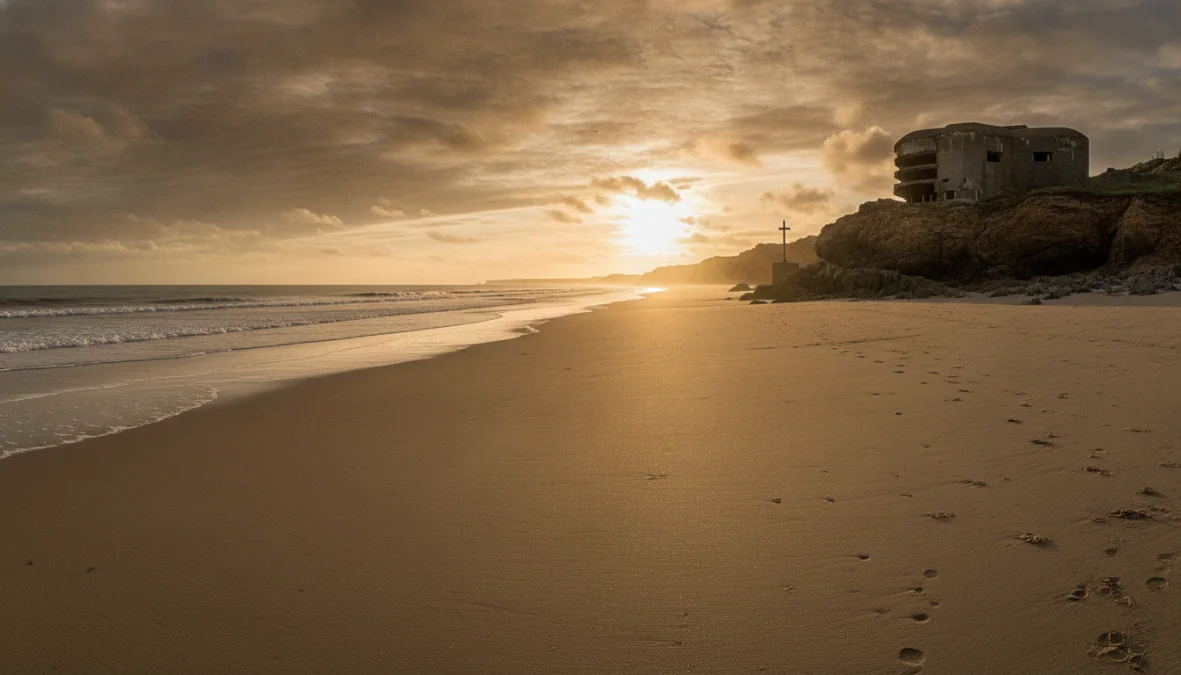
Standing on the windswept shores of Normandy, where thousands of young soldiers stormed heavily fortified beaches in June 1944, you can’t help but feel the weight of history. A normandy d-day tour isn’t just a sightseeing trip—it’s a pilgrimage to the sites where Operation Overlord changed the course of World War II. Whether you’re planning a normandy beach tour from Paris or exploring the d-day beaches normandy independently, this guide will help you make the most of your visit to these sacred shores.
Planning Your Normandy D-Day Tour: What You Need to Know
The normandy d-day tour experience centers around five main landing beaches stretching along the Normandy coast: Utah and Omaha (American sectors), Gold and Sword (British sectors), and Juno (Canadian sector). Each beach has its own character and historical significance, and understanding this geography is crucial for planning your visit.
Timing matters. The best months for visiting are April through October, with June being particularly special for the anniversary commemorations on the 6th. Summer brings better weather but larger crowds, while spring and fall offer quieter reflection. Winter visits are possible but some museums have reduced hours.
How long should you budget? A full day normandy d-day tour (8-10 hours) covers the highlights, but history buffs will appreciate two days to really absorb the sites. Half-day tours exist but feel rushed given the distances involved. If you’re considering a best normandy d-day tour from paris, expect to leave early and return late—it’s about 280 kilometers each way.
Getting there is straightforward. From Paris, you can rent a car (3-hour drive), take a guided tour bus, or catch a train to Bayeux and base yourself there. Normandy war tours with professional guides provide invaluable historical context that you’d miss on your own, though a normandy beaches self guided tour offers flexibility and personal pacing.
When choosing between guided and self-guided options, consider this: while the beaches themselves are free to access, understanding what happened where—which dune hid which bunker, which bluff saw which battalion pinned down—requires expertise. Professional guides bring these stories to life. Just as you’d want insider knowledge when navigating travel scams in major tourist destinations, having expert guidance here adds immeasurable value.
Pack appropriately: comfortable walking shoes (you’ll be on sand and climbing bunkers), layers for changeable coastal weather, and respectful attire for memorial sites. The american cemetery normandy requests modest dress and quiet voices.
Essential Stops on Your D-Day Beaches Tour
Your normandy landing beaches itinerary should prioritize certain unmissable sites. Here’s what deserves your time and attention on a comprehensive d-day memorial tour.
Omaha Beach and the American Cemetery
Any omaha beach tour begins with understanding why this beach earned the nickname “Bloody Omaha.” Strong currents, high bluffs, and fierce German resistance turned this into the deadliest of the five beaches—casualties numbered over 2,000 on D-Day alone. Today, the wide sandy beach looks deceptively peaceful, but walk along the shore and imagine the chaos of June 6, 1944.
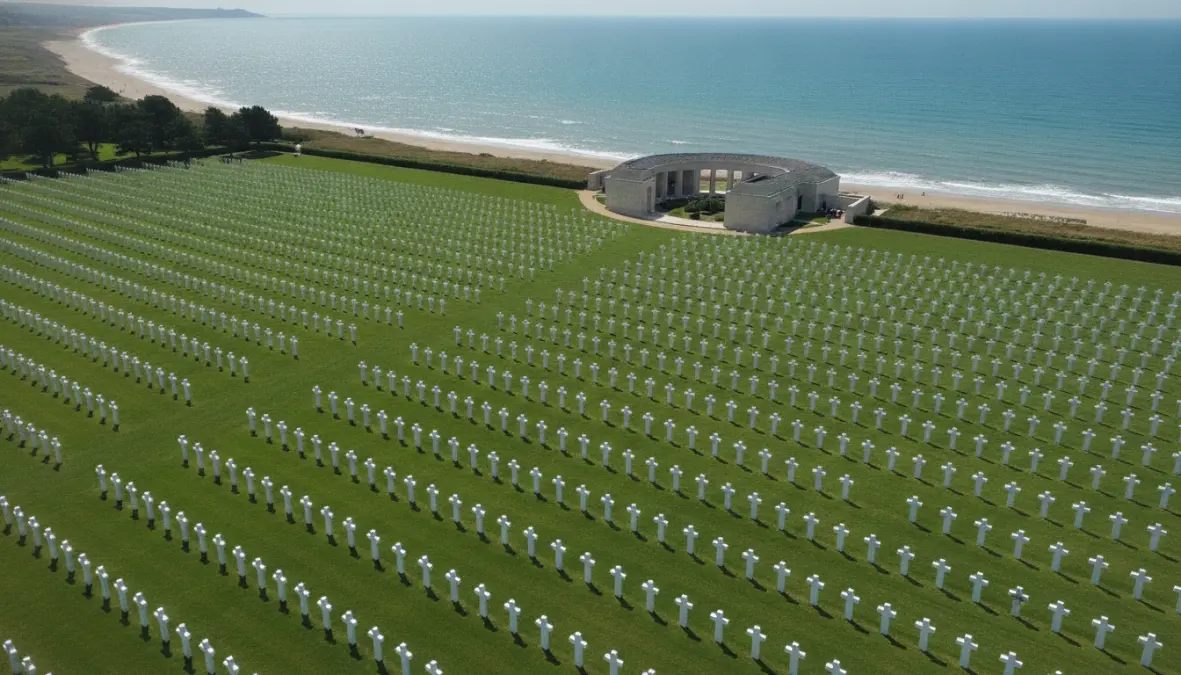
The american cemetery normandy overlooks Omaha Beach from the bluff above, creating one of the most moving memorial experiences anywhere. Here lie 9,387 American servicemen, their white marble crosses and Stars of David arranged in precise rows across 172 acres. The visitor center opened with multimedia exhibits explaining Operation Overlord through personal stories. Don’t miss the Wall of the Missing, honoring 1,557 whose bodies were never recovered.
The cemetery is open daily (except December 25 and January 1) from 9am-5pm, with extended summer hours. Entry is free. Photography is permitted but should be respectful—this is hallowed ground. Many visitors time their arrival for the daily flag ceremony.
Utah Beach, Pointe du Hoc, and Other Key Landing Sites
The utah beach sector saw the westernmost landings and, thanks to a fortunate navigation error that landed troops in a less defended area, relatively lighter casualties. The Utah Beach Museum, built around an original German bunker, uses artifacts, vehicles, and a B-26 bomber to tell the story. It’s one of the best museums along the coast.
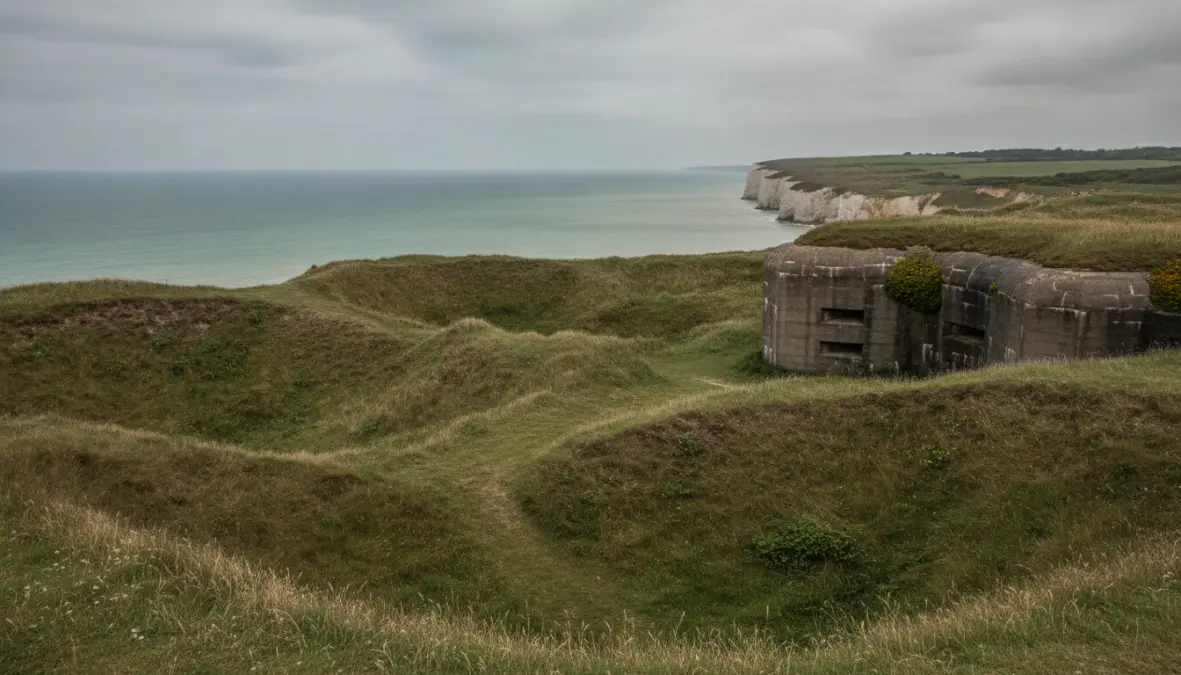
No normandy beach tour itinerary is complete without Pointe du Hoc, where U.S. Army Rangers scaled 100-foot cliffs under fire to capture German artillery positions. The lunar landscape of bomb craters remains largely untouched, and you can explore the German bunkers and observation posts. Standing at the cliff edge, looking down at the rocks below, the Rangers’ courage becomes visceral.
At Sainte-Mère-Église, the famous parachutist dummy still hangs from the church steeple, commemorating John Steele and the 82nd Airborne’s night drop. The Airborne Museum here rivals any along the coast for quality.
Arromanches showcases the remains of the Mulberry artificial harbor—massive concrete caissons still visible at low tide. The 360-degree circular cinema presents archival footage that puts you in the middle of the action. Gold Beach visitors should also see the Longues-sur-Mer battery, where four German naval guns remain in their original casemates.
Juno beach and sword beach tell the Canadian and British stories respectively, with excellent museums at each location. The Juno Beach Centre is the only Canadian museum on the landing beaches, while the British Normandy Memorial near Ver-sur-Mer honors the 22,442 British servicemen who died.
Choosing the Right Normandy Beach Tour Experience
Tour options range from large motorcoach groups to intimate private d-day tour normandy experiences. Large group tours from Paris typically cost €120-180 per person, covering major highlights in a long day. They’re economical but move quickly and stick to main sites.
Small group tours (8-15 people) from operators based in Bayeux offer better value at €90-150, with more flexibility and local expertise. Many specialize in specific nationalities—American sector tours focus on Utah and Omaha, Canadian tours emphasize Juno, British tours cover Gold and Sword.
Private guided tour of normandy beaches experiences cost €400-800 for a full day but offer complete customization. Your guide tailors the itinerary to your interests, whether that’s museums, cemeteries, or specific regimental histories. For serious history enthusiasts or families, this investment pays dividends.
If you’re wondering how to visit d-day beaches normandy on your own, it’s entirely possible with a rental car. The beaches and most memorials are well-signed and accessible. Download the D-Day interactive app for self-guided narration at major sites. However, you’ll miss the stories that bring bunkers and beaches to life.
Specialty tours include vintage Jeep experiences, photography-focused tours, and multi-day immersive programs with historian guides. Some operators offer dawn tours timed to match the original H-hour landings—an unforgettable experience.
When booking, verify your guide’s credentials and read recent reviews. Quality varies significantly. The bayeux memorial museum in town is also worth visiting as context before hitting the beaches.
FAQ: Normandy D-Day Tours
How long does a D-Day tour take?
Most comprehensive tours last 8-10 hours for a full-day experience covering the American sector (Omaha, Utah, Pointe du Hoc, American Cemetery). Half-day tours (4-5 hours) hit just 2-3 major sites and feel rushed. Two-day tours allow you to explore both American and British/Canadian sectors thoroughly.
Can you visit D-Day beaches on your own?
Absolutely. The beaches are public, and most memorials and museums are easily accessible by car. However, a knowledgeable guide adds enormous historical context—explaining which bunker defended which sector, which units landed where, and the tactical decisions that determined success or failure. The difference between seeing and understanding is substantial.
Where should I stay for a D-Day tour?
Bayeux serves as the ideal base—a charming medieval town that escaped war damage, centrally located between the beaches (all within 30 minutes’ drive). It offers excellent hotels, restaurants, and its own attractions including the famous Bayeux Tapestry. Caen and Carentan are alternatives, while Arromanches puts you right on Gold Beach but has limited amenities.
Is the American Cemetery free to visit?
Yes, completely free and open daily year-round (except December 25 and January 1). No tickets or reservations required. The same applies to most beaches and outdoor memorials, though museums charge entry fees (typically €8-12 for adults).
What’s the best time of year to visit?
Late spring through early fall (May-September) offers the best weather and full museum hours. The June 6 anniversary brings special ceremonies but also largest crowds. September and May provide a sweet spot—good weather, fewer visitors, and reflective atmosphere. Winter visits are possible but some sites have reduced hours and weather can be harsh.
Are the beaches accessible for those with mobility issues?
Accessibility varies. The American Cemetery is well-equipped with paved paths and accessible facilities. Omaha Beach has boardwalk access to sand level at several points. However, sites like Pointe du Hoc involve climbing and uneven terrain. Utah Beach Museum is accessible, while some bunkers and batteries are not. Check specific sites in advance and mention mobility needs when booking guided tours.
Walking these historic shores, reading the names on cemetery crosses, and standing in the German bunkers that once rained fire on approaching soldiers creates a connection to history that no book can match. A Normandy D-Day tour is sobering, educational, and profoundly moving—an essential pilgrimage for anyone interested in WWII history or simply understanding the price of freedom. Whether you choose a comprehensive guided experience or chart your own course along the coast, you’ll leave with a deeper appreciation for the courage displayed on these beaches eight decades ago. Much like planning any significant journey—from island hopping in Greece to exploring Portugal’s coastal gems—preparation enhances the experience, but it’s the emotional impact that stays with you long after you return home.