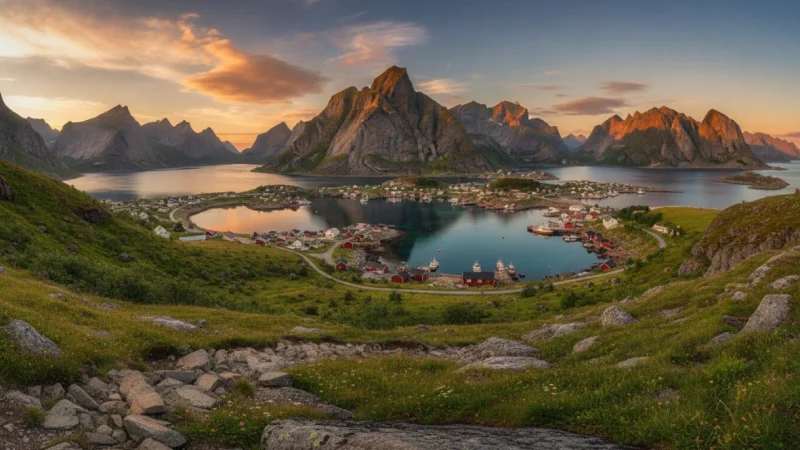
Polish Tatra Mountains: Complete Zakopane Hiking and Winter Sports Guide
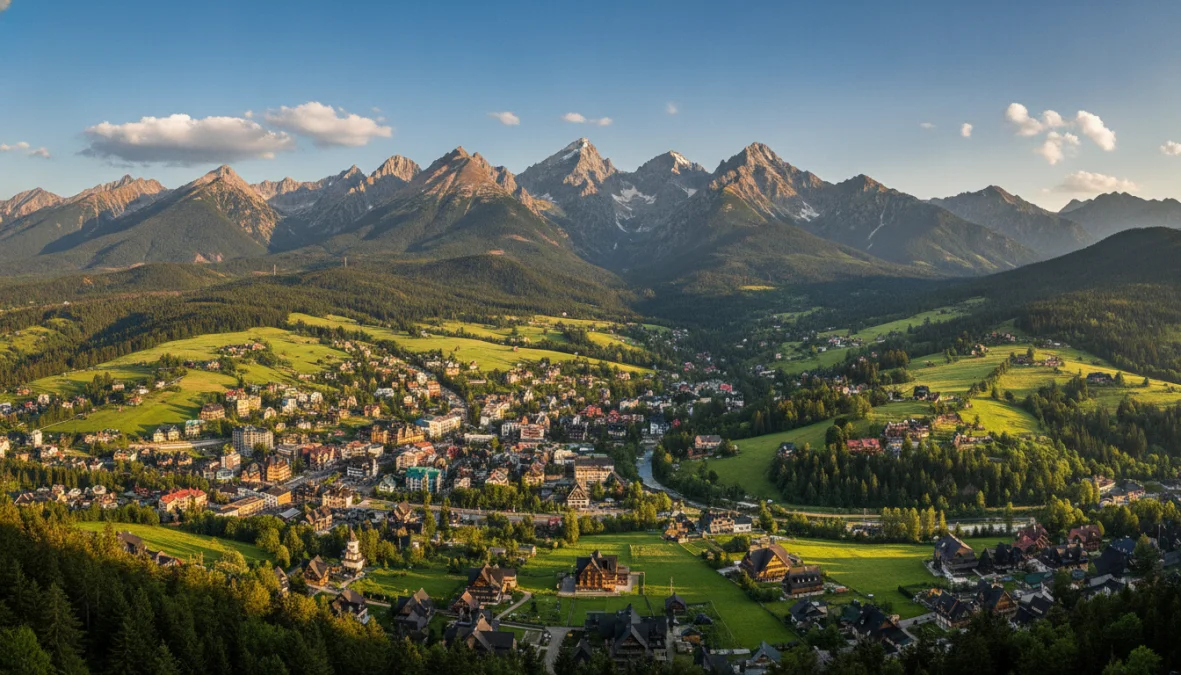
Nestled at the foot of Poland’s highest mountain range, Zakopane has earned its reputation as the undisputed capital of Polish mountain adventure. Whether you’re drawn to challenging summit hikes through Tatra National Park, exhilarating runs down pristine ski slopes, or simply soaking in the unique highlander culture while sampling oscypek cheese, this zakopane poland guide covers everything you need to plan an unforgettable mountain escape.
Discovering Zakopane: Gateway to the Polish Tatra Mountains
Located just 100 kilometers south of Krakow, Zakopane serves as the perfect base for exploring the Tatra Mountains Poland. This charming mountain town sits at 800-1,000 meters elevation, where Polish culture meets alpine adventure. The zakopane travel guide begins with understanding its unique position: it’s the only place in Poland where you can experience true alpine terrain, complete with dramatic peaks, glacial lakes, and challenging mountain trails.
When considering how to get to zakopane from krakow, you have several convenient options. Regular buses depart every 30-60 minutes (journey time: 2 hours, cost: around 20-30 PLN), while private transfers offer more flexibility for groups. The town itself is compact and walkable, though local minibuses serve outlying areas and trailheads.
The best time to visit zakopane poland depends entirely on your interests. Winter (December-March) transforms the region into a snow-covered wonderland perfect for skiing, with January-February offering the most reliable conditions. Summer (June-September) reveals blooming meadows and accessible hiking trails, with July-August being warmest but most crowded. September brings spectacular autumn colors and fewer tourists—ideal for photography enthusiasts. Accommodation ranges from budget hostels to luxury mountain resorts, with where to stay in zakopane for hiking typically pointing toward the quieter areas near Krupówki Street or closer to trailheads like Kuźnice.
Zakopane Hiking Trails and Tatra National Park Adventures
The zakopane hiking trails network offers something for everyone, from leisurely valley walks to demanding alpine ascents. Tatra National Park, established in 1954, protects 211 square kilometers of pristine mountain wilderness where chamois, marmots, and even bears roam freely. Entry requires a small fee (around 10 PLN), which supports conservation efforts.
Best Hiking Routes for All Skill Levels
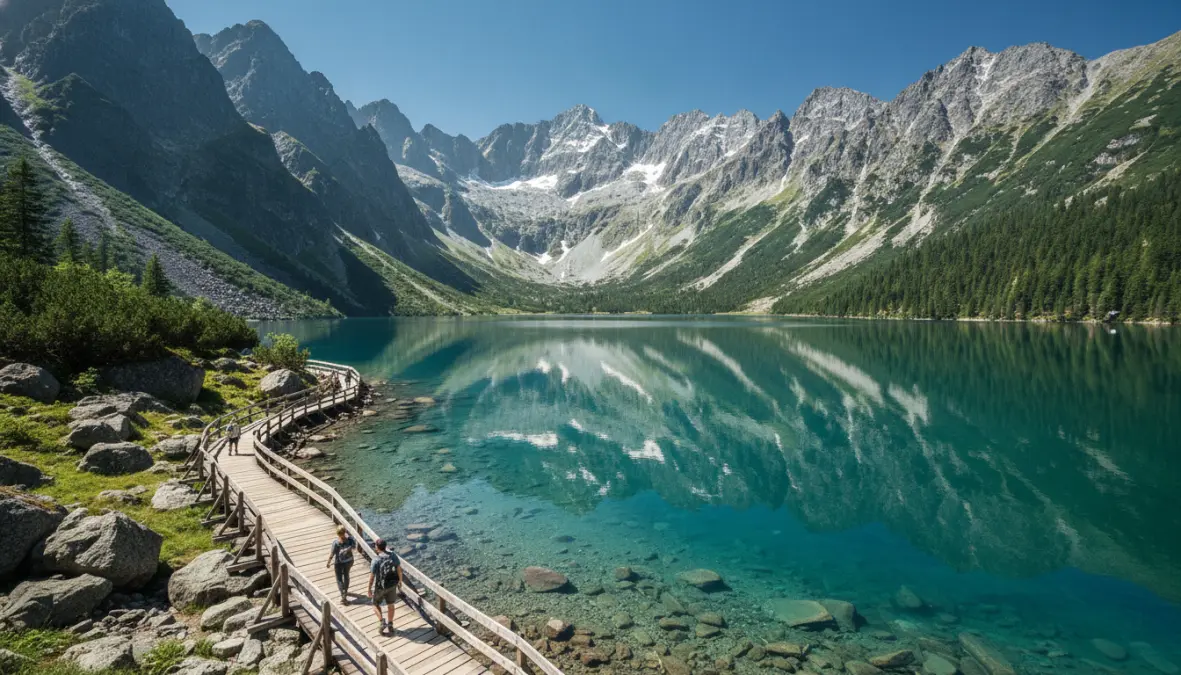
For those seeking the best hiking trails in zakopane for beginners, Morskie Oko Lake stands out as the must-see destination. This stunning glacial lake, surrounded by towering peaks, requires a comfortable 9-kilometer walk (3 hours round trip) along a wide, well-maintained path. Horse-drawn carriages cover part of the route for those preferring a shorter walk.
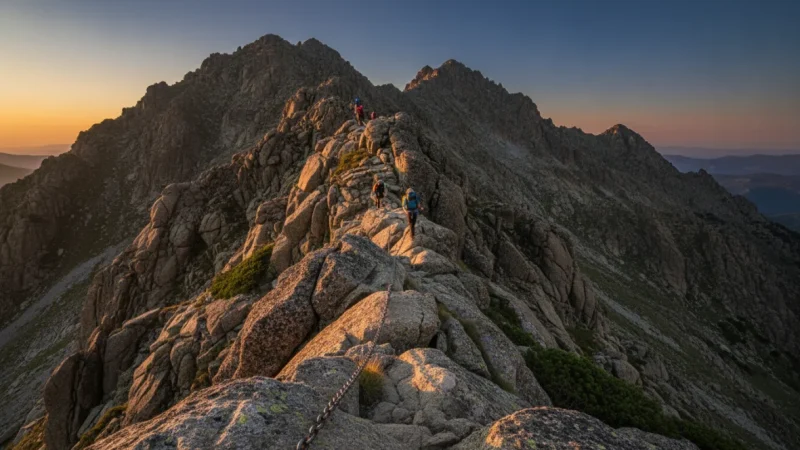
Giewont Mountain, recognizable by its massive summit cross, represents a step up in difficulty. This 6-hour round trip (1,894m elevation) combines forest trails with steep rocky sections equipped with chains for safety. The panoramic views reward the effort, though avoid this trail during thunderstorms due to lightning risk.
For experienced hikers, Rysy (2,499m) claims the title of Poland’s highest accessible peak. This challenging 10-hour expedition demands proper preparation, early starts, and good weather. The Kościeliska and Chochołowska valleys offer gentler alternatives—perfect for families wanting to experience polish mountains hiking without extreme exertion.
Essential Hiking Tips and Trail Etiquette
Mountain weather changes rapidly in the Tatras. Pack layers, waterproof gear, and sturdy hiking boots regardless of morning conditions. Mountain refuges (schroniska) dot the landscape, offering meals and emergency shelter—though booking ahead is wise during peak season. National park rules prohibit camping, fires, and leaving marked trails. Consider hiring certified mountain guides for technical routes, especially if attempting peaks like Rysy. Some trails close seasonally (typically November-May) due to avalanche danger, so always check current conditions at park offices.
Similar to the preparation needed for trekking Kilimanjaro or hiking in Patagonia, proper planning makes all the difference in the Tatras.
Zakopane Winter Sports: Skiing, Snowboarding and Beyond
When snow blankets the mountains, Zakopane transforms into Poland’s premier zakopane winter sports destination. The zakopane skiing season dates and prices typically run from December through March, with January-February offering peak conditions.
Top Ski Resorts and Slopes
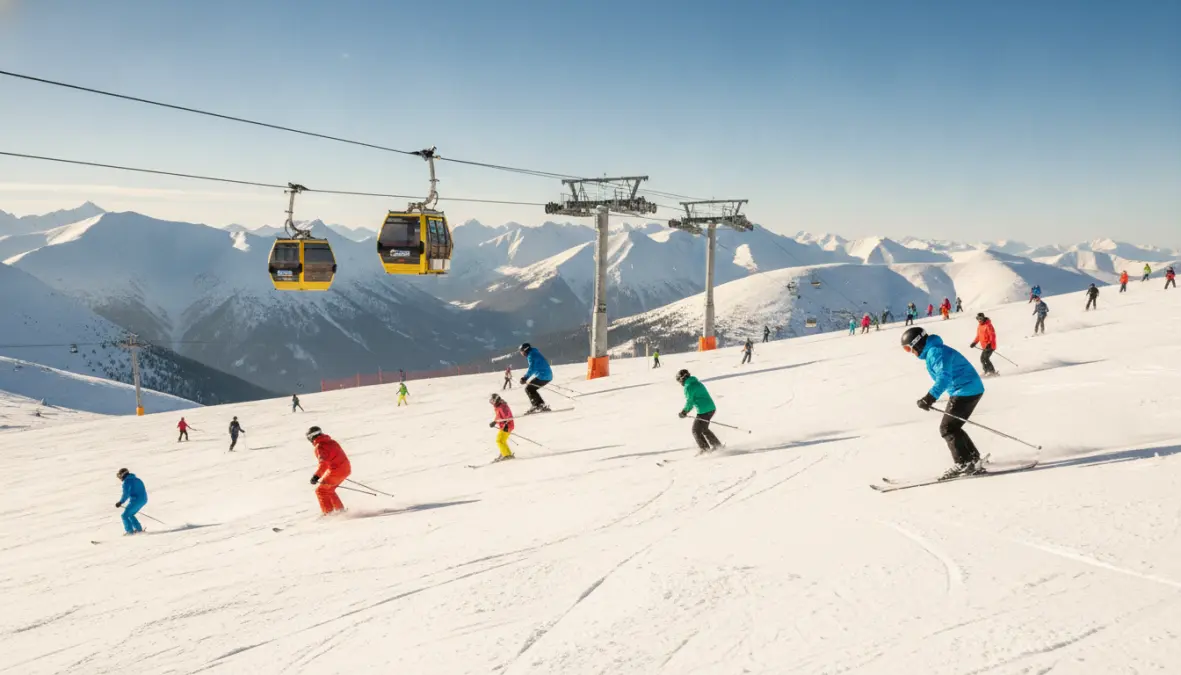
The iconic Kasprowy Wierch cable car whisks skiers to 1,985 meters, accessing challenging red and black runs with breathtaking Tatra views. A day pass costs approximately 150-200 PLN, with the cable car ride alone worth experiencing even for non-skiers.
Gubalowka Hill caters to families and beginners, with gentle slopes, ski schools, and equipment rental facilities. The funicular railway provides easy access, making it ideal for first-timers. Zakopane ski resorts also include Nosal, popular with locals for its varied terrain and shorter lift queues, while Białka Tatrzańska (30 minutes away) offers Poland’s largest ski area with modern infrastructure and extensive snowmaking.
Alternative Winter Activities
Beyond downhill skiing, winter visitors can explore zakopane summer hiking vs winter sports contrasts through snowshoeing adventures on closed summer trails, cross-country skiing through silent forests, or trying ice climbing on frozen waterfalls with certified guides. The famous thermal baths zakopane at Termy Chochołowskie provide the perfect après-ski relaxation—soaking in 36°C thermal pools while surrounded by snow-covered peaks rivals any experience at Budapest’s thermal baths.
Immerse yourself in highlander culture by visiting Krupowki Street, Zakopane’s pedestrian main drag lined with wooden architecture, traditional restaurants serving hearty mountain cuisine, and shops selling smoked oscypek cheese—a protected regional delicacy made from sheep’s milk. Winter markets add festive charm with local crafts, mulled wine, and folk music performances.
FAQ: Planning Your Zakopane Adventure
How many days do you need in Zakopane? Three to four days allows time to experience both hiking and cultural attractions. A weekend covers highlights, while a week enables deeper tatra mountains day trips from zakopane exploration.
Is Zakopane worth visiting? Absolutely. It offers Poland’s most dramatic mountain scenery, unique cultural heritage, and excellent outdoor recreation at prices significantly lower than Alpine resorts.
What is the best time to visit Zakopane? January-February for skiing, July-August for summer hiking, or September for fewer crowds and autumn colors.
Do I need a guide for Tatra Mountains? Not for popular trails like Morskie Oko or Gubałówka, but technical routes and winter mountaineering benefit from professional guidance.
Can beginners hike in Zakopane? Yes. Numerous best hiking trails in zakopane for beginners include valley walks and lake trails requiring no technical skills.
How do I get to Zakopane from Krakow? Regular buses run every 30-60 minutes (2 hours, 20-30 PLN), or book private transfers for convenience.
Whether you’re conquering peaks, carving fresh powder, or savoring regional delicacies in a traditional highlander tavern, Zakopane delivers authentic mountain experiences that rival Europe’s more famous destinations—without the crowds or premium prices. Pack your boots (or skis), and discover why Poles have been escaping to these mountains for generations.