Namibia Desert Safari: Complete Guide to Sossusvlei Dunes and Skeleton Coast
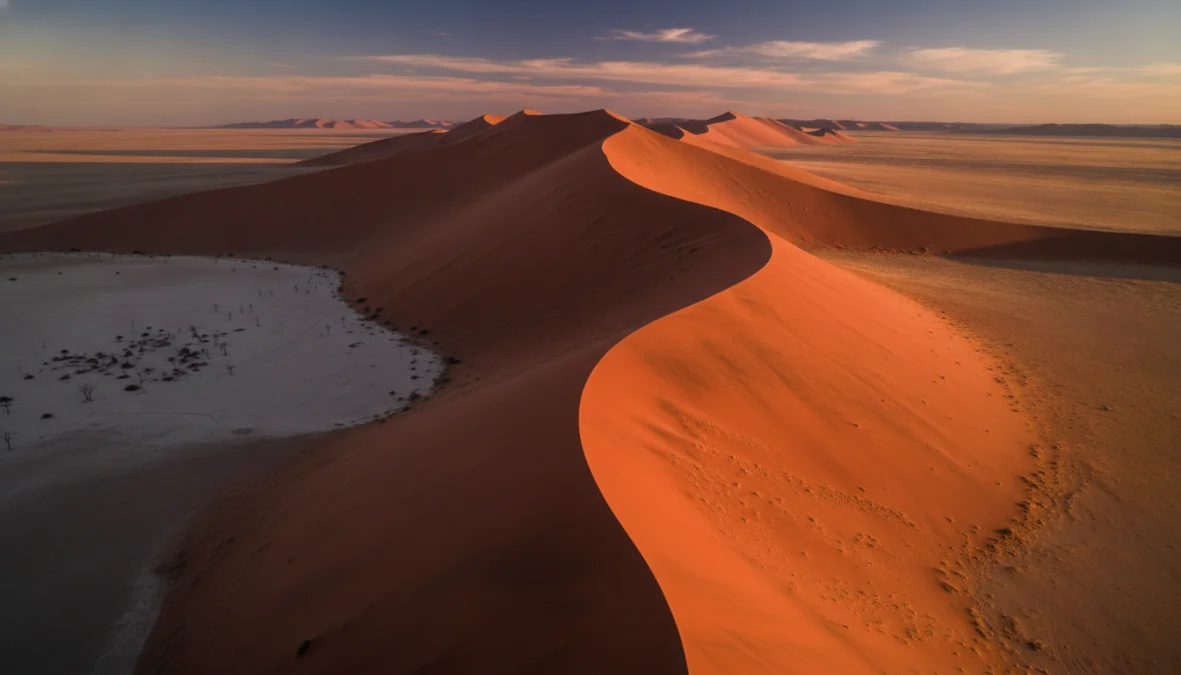
Picture this: towering red sand dunes that glow like fire at sunrise, a coastline littered with shipwrecks and bleached whale bones, and ancient trees standing frozen in a cracked white clay pan for 900 years. This is the Namibia desert safari experience—a journey that trades the Big Five for something entirely different: landscapes so otherworldly they look like they belong on Mars. If you’re craving a safari adventure that breaks the mold of traditional game drives, Namibia’s desert wilderness will blow your mind.
Why Namibia’s Desert Safari Is Unlike Any Other African Experience
Let’s be honest: when most people think “African safari,” they picture lions prowling the savanna and elephants at watering holes. A Namibia desert safari flips that script completely. Instead of tracking wildlife from dawn to dusk, you’ll find yourself standing on the world’s tallest sand dunes, exploring ghost towns along desolate coastlines, and discovering how life adapts to one of Earth’s oldest and driest deserts.
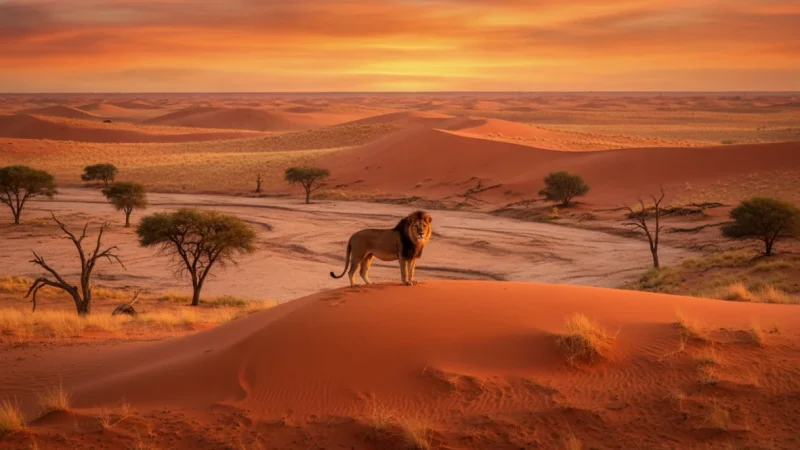
The Namib Desert tour experience centers around two jaw-dropping regions: the iconic Sossusvlei dunes in the south and the hauntingly beautiful Skeleton Coast to the northwest. These areas couldn’t be more different—Sossusvlei boasts those famous red sand dunes reaching heights of over 300 meters, while the Skeleton Coast offers a stark Atlantic coastline where desert meets ocean in the most dramatic fashion imaginable.
The best time to visit Sossusvlei dunes runs from April to October, during Namibia’s dry winter months. Temperatures are cooler (though still warm during the day), and the clear skies make for incredible photography. Summer (November to March) brings scorching heat that can exceed 40°C, making dune climbing pretty brutal. Whatever season you choose, expect extreme temperature swings—freezing nights and blazing days are standard in this desert environment.
Exploring Sossusvlei and Deadvlei: The Heart of the Namib Desert
The main event of any Namib desert adventure happens in Namib Naukluft Park, where Sossusvlei and Deadvlei create a photographer’s paradise. Located about 350 kilometers southwest of Windhoek, this is where those iconic red sand dunes you’ve seen in a thousand Instagram posts actually exist—and trust me, photos don’t do them justice.
Start your morning at Dune 45 Namibia, probably the most climbed dune in the world and positioned perfectly just 45 kilometers from the Sesriem gate (hence the creative name). This beauty stands about 170 meters tall and features that classic knife-edge ridge that makes for killer sunrise photos. The climb takes 40-60 minutes depending on your fitness level, and yes, it’s harder than it looks—sand gives way with every step, so you take two steps forward and slide one back. Pro tip for Sossusvlei sunrise photography tips: arrive at least 45 minutes before sunrise to secure your spot and watch the dunes transform from purple shadows to blazing orange.
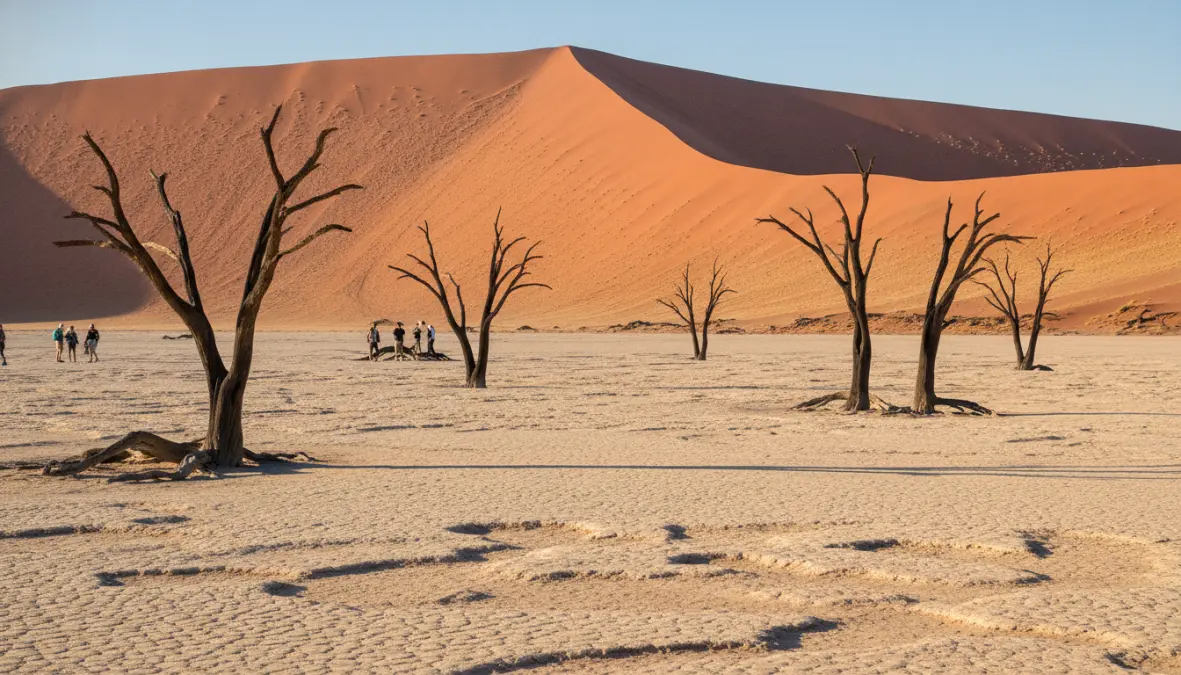
Beyond Dune 45 lies the main Sossusvlei salt pan and the pièce de résistance: Deadvlei Namibia. This surreal white clay pan is home to ancient camel thorn trees that died roughly 600-900 years ago when the Tsauchab River changed course. The trees never decomposed due to the extreme aridity—they’re essentially mummified, creating these haunting black skeletons against the white pan and red dunes backdrop. To reach Deadvlei, you’ll drive as far as the 2WD parking area, then either walk the last kilometer through soft sand or catch a 4×4 shuttle.
Big Daddy dune towers nearby at around 325 meters—it’s the granddaddy of all dunes (again, creative naming) and offers epic views from the top, though the climb is seriously challenging. Nearby Sesriem Canyon, a narrow gorge carved by the Tsauchab River over millions of years, provides a cool respite and interesting geology lesson. Plan to spend at least a full day exploring this area, ideally two if you want to experience both sunrise and sunset lighting. The physical demands are real—loose sand, altitude, and heat make this moderately strenuous even for fit travelers.
From Skeleton Coast to Swakopmund: Desert Safari Itineraries and Packages
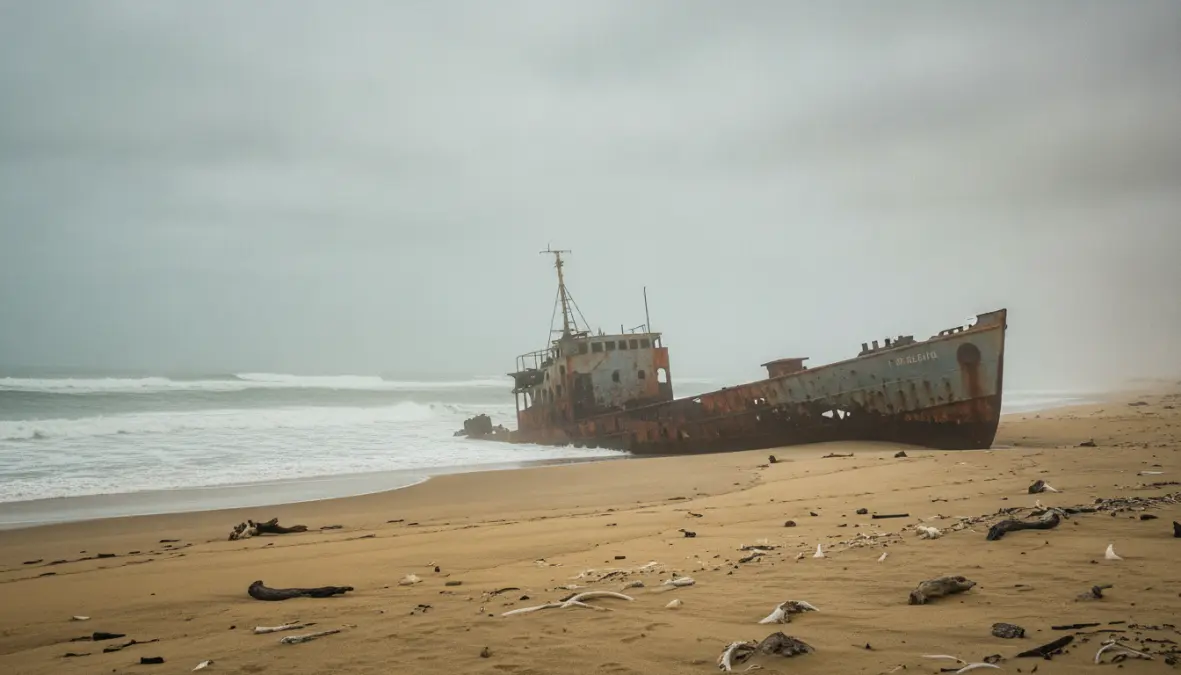
A comprehensive namibia desert safari itinerary 7 days typically combines Sossusvlei with the Skeleton Coast and the adventure hub of Swakopmund, creating the ultimate desert trifecta. The skeleton coast safari portion runs along Namibia’s notorious Atlantic coastline, named for the numerous shipwrecks scattered along its foggy shores and the whale and seal bones that once littered the beaches.
This desolate stretch offers completely different scenery: think endless gravel plains, massive cape fur seals colonies (particularly at Cape Cross, where 100,000+ seals bark, fight, and smell incredibly pungent), rusting shipwrecks emerging from the sand, and the eerie remains of abandoned diamond mining operations. You’ll also encounter bizarre welwitschia plants—prehistoric desert survivors that can live over 1,000 years despite looking like piles of dead leaves. Skeleton coast shipwrecks tour guide experiences vary from day trips to multi-day expeditions deep into the northern sections.
Swakopmund serves as the perfect base for swakopmund desert activities that add adrenaline to your trip. This German colonial town offers sandboarding down massive dunes, quad biking through the desert, and scenic flights over Sossusvlei—the aerial perspective of Deadvlei is absolutely worth the splurge. Living Desert tours showcase desert adapted wildlife like sidewinding adders, dancing white lady spiders, and fog-basking beetles.
For namibia safari packages, you’ve got options. Self drive namibia desert safari adventures appeal to independent travelers—roads are generally good (though you’ll need a 4×4 for certain areas), and luxury desert camps sossusvlei like Sossus Dune Lodge or Little Kulala provide stunning accommodation inside the park gates, giving you exclusive sunrise access before day visitors arrive. If you prefer guided experiences, tour operators offer everything from budget camping trips to high-end 4×4 desert adventure packages with expert guides. Similar to planning a Kruger self-drive safari, proper preparation makes all the difference in your Namibian desert experience.
How to get to Sossusvlei from Windhoek involves roughly 5 hours of driving (mostly paved until the last stretch), making it totally doable as a long weekend trip, though 5-7 days allows you to properly explore without rushing. Skeleton coast safari tour prices vary wildly—budget camping tours start around $100-150 per person per day, while luxury fly-in safaris can exceed $800+ per person daily.
FAQ: Planning Your Namibia Desert Safari
When is the best time for a Namibia desert safari?
April through October offers the most comfortable temperatures and clearest skies. May to September is peak season with perfect weather but higher prices and more crowds. March and November provide good weather with fewer tourists.
How many days do you need for Sossusvlei and Skeleton Coast?
Minimum 5 days to see both areas without rushing—2 days for Sossusvlei/Deadvlei, 1 day driving the coast, and 2 days around Swakopmund. Seven days allows a more relaxed pace with extra activities.
Do I need a 4×4 for a Namib desert tour?
For Sossusvlei, a 2WD reaches the main parking areas, but a 4×4 gets you closer to Deadvlei and is essential for Skeleton Coast exploration and more remote areas. Many travelers rent 4x4s for peace of mind and flexibility.
What should I pack for desert safari?
Layer like crazy—freezing mornings and scorching afternoons demand versatility. Bring sunscreen (lots), a wide-brimmed hat, sunglasses, closed-toe shoes for dune climbing, a headlamp, and way more water than you think you’ll need.
Is Deadvlei worth visiting?
Absolutely. It’s one of those rare places that exceeds the hype. The combination of dead trees, white clay, and red dunes creates scenes you won’t find anywhere else on Earth—totally worth the walk through the sand.
A Namibia desert safari offers something profoundly different from traditional African wildlife experiences. Much like the unique appeal of Sahara desert camping, this journey prioritizes landscapes and solitude over animal sightings, rewarding you with some of the planet’s most photogenic and hauntingly beautiful scenery. Whether you’re scrambling up Dune 45 at dawn, standing among Deadvlei’s ghostly trees, or exploring shipwrecks along the Skeleton Coast, Namibia’s deserts will redefine what you thought a safari could be. Start planning now—those red dunes are calling.