Botswana vs Kenya Safari: Complete Comparison for Your African Adventure
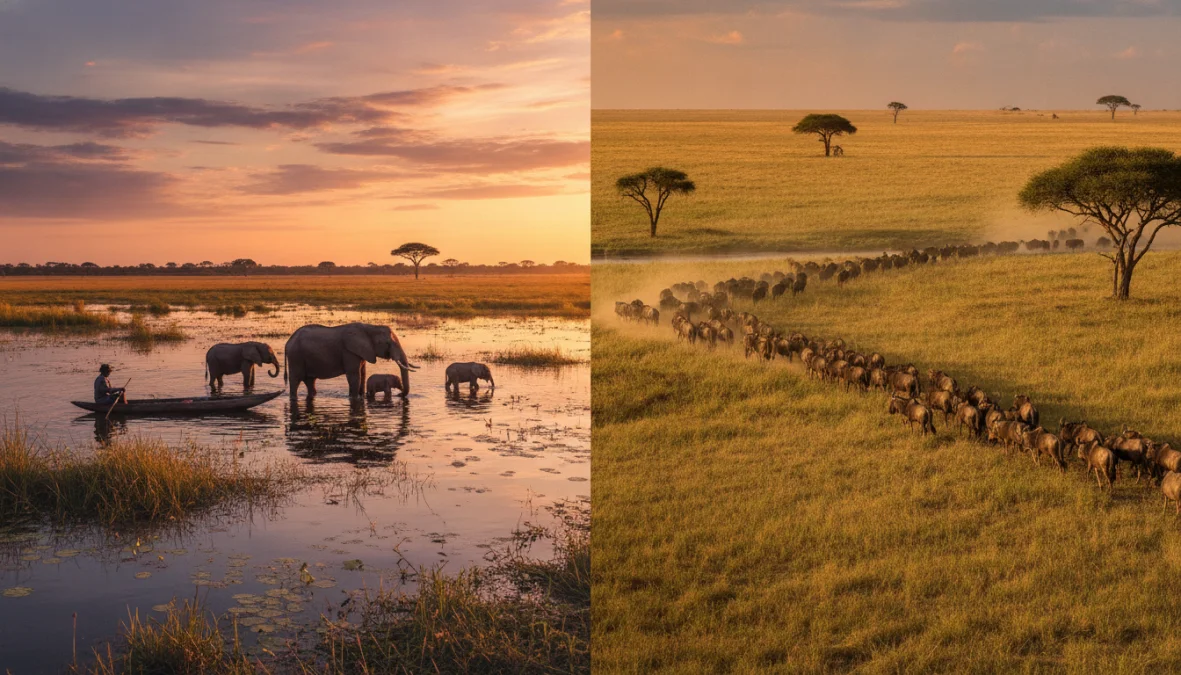
Choosing between a Botswana vs Kenya safari feels a bit like choosing between champagne and craft beer—both are fantastic, but they offer completely different experiences. Botswana whispers exclusivity with its water-based adventures and pristine wilderness, while Kenya shouts classic safari energy with the roaring spectacle of the Great Migration. Whether you’re dreaming of gliding through the Okavango Delta in a traditional mokoro canoe or witnessing wildebeest thunder across the Masai Mara, understanding what sets these two iconic destinations apart will help you choose the perfect African adventure for your bucket list.
Safari Experience: What Makes Each Destination Unique
When comparing botswana wildlife safari experiences to kenya safari tours, you’re essentially choosing between two philosophies of African exploration. The okavango delta vs masai mara debate perfectly encapsulates this difference: one offers intimate, low-volume encounters in a watery wilderness, while the other delivers the epic wildlife drama you’ve seen in every nature documentary.
Botswana: Exclusive Wilderness and Water-Based Safaris
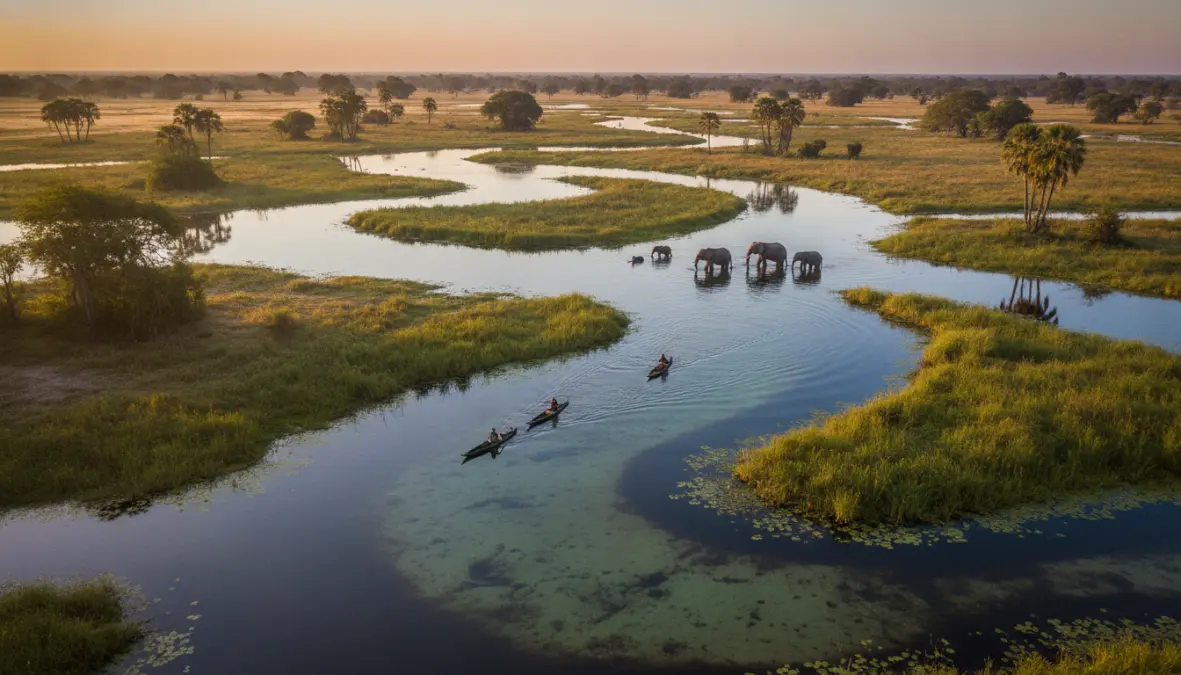
Botswana has deliberately positioned itself as the best african safari destination for travelers seeking exclusivity and pristine wilderness. The government’s low-volume, high-value tourism model means you’ll encounter far fewer safari vehicles crowding around wildlife sightings. The Okavango Delta floods seasonally (typically June to September), transforming the landscape into a maze of channels where you’ll experience unique mokoro excursions—gliding silently through papyrus-lined waterways while elephants wade nearby.
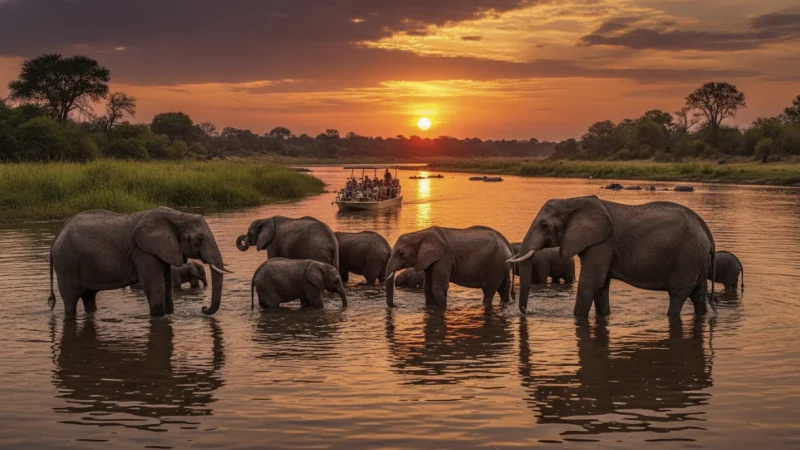
Chobe National Park safari experiences offer some of Africa’s highest elephant concentrations, with herds of 100+ animals gathering along the riverbanks during dry season. The safari style here leans toward smaller, intimate camps with exceptional guiding standards. Walking safaris and night drives (permitted in private concessions) add layers of adventure you won’t find in many Kenyan parks. Botswana suits photographers, honeymooners, and travelers who value privacy over variety—though you’ll absolutely see the big five animals, encounters feel more earned and less orchestrated.
Kenya: Classic Big Five and the Great Migration
Kenya invented the safari as we know it, and it still delivers the most accessible, diverse wildlife experience on the continent. The Masai Mara hosts the spectacular river crossings during migration season (typically July through October), when millions of wildebeest and zebra brave crocodile-infested waters. This is nature’s greatest show, and Kenya has front-row seats.
Beyond the Mara, Kenya offers incredible variety: Amboseli’s elephant families against Kilimanjaro’s backdrop, Samburu’s unique northern species, and Lake Nakuru’s flamingo-covered shores. Game drives here tend to be more social—you’ll share sightings with other vehicles, but this also means guides communicate to find the best action. Safari lodges range from budget-friendly banda camps to ultra-luxury tented suites, and cultural experiences with Masai communities add human connection to your wildlife encounters. If you’re planning your kenya or botswana for first safari, Kenya’s infrastructure, variety, and lower barrier to entry make it the friendlier introduction to Africa. For broader East African context, check out our guide to the best safari destinations in East Africa for first-time visitors.
Safari Costs: Botswana vs Kenya Budget Breakdown
The botswana safari cost versus kenya safari prices comparison reveals perhaps the starkest difference between these destinations. Botswana’s deliberate exclusivity comes with a premium price tag, while Kenya offers options for virtually every budget level.
Botswana safari expenses typically range from €500-€1,500+ per person per night for quality safari lodges and camps. Why so expensive? The low-volume tourism policy limits bed capacity, park fees are substantial (around $50-70 per person daily in national parks), and internal flights between camps (often necessary due to poor road infrastructure) add €300-500 per transfer. Most Botswana safaris require photographic safari packages of 5-7 nights minimum to justify the logistical costs. The botswana luxury safari vs kenya safari cost difference can reach 50-100% for comparable comfort levels.
Kenya safari prices offer dramatically more flexibility, from budget camping safaris at €150-250 per night to luxury lodges at €600-1,000+. The country’s competitive tourism market and better road infrastructure mean you can book mobile camping safari adventures or group tours that significantly reduce costs. Park fees are lower (around $80-120 daily for major parks like Masai Mara), and flying between parks, while available, isn’t always necessary. When comparing botswana vs kenya safari which is cheaper, Kenya wins decisively for budget and mid-range travelers.
However, value isn’t just about price. Botswana’s costs buy you near-private wildlife viewing and exceptional guiding, while Kenya’s accessibility means more travelers can experience Africa’s magic. Deciding between private safari vs group safari options will also impact your budget significantly in either country.
Making Your Choice: Which Safari Destination Should You Pick?
So, is botswana or kenya better for safari? The honest answer depends entirely on your priorities, budget, and safari style preferences.
Choose Botswana if: You have a generous budget (€5,000+ per person for a week), prioritize exclusivity and privacy, want unique water-based safari experiences, or you’re celebrating a special occasion like a honeymoon. Botswana also edges ahead for serious photographers wanting unobstructed wildlife viewing and willing to invest time for exceptional shots. The best time to visit botswana vs kenya for Botswana is May through October (dry season), when wildlife congregates around water sources and the Delta floods create magical landscapes.
Choose Kenya if: This is your first African safari, you want to witness the Great Migration river crossings, you’re working with a tighter budget (under €3,000 per person), or you value variety and cultural experiences alongside wildlife. Kenya’s peak season (July-October for migration) offers the most dramatic action, but shoulder seasons (January-March) provide excellent wildlife viewing with fewer crowds and lower prices.
Practical considerations matter too. Kenya requires no visa for most nationalities (or simple e-visas), while Botswana similarly offers visa-free entry for many visitors. Both destinations recommend malaria prophylaxis. Kenya combines brilliantly with Tanzania’s Serengeti or beach extensions to Zanzibar, while Botswana pairs naturally with Victoria Falls (Zambia/Zimbabwe side) or South African adventures.
The ultimate luxury? Combine both destinations in a 14-day east africa vs southern africa safari journey, experiencing Kenya’s migration spectacle before retreating to Botswana’s exclusive wilderness. For comprehensive preparation regardless of your choice, our ultimate safari planning guide covers everything from destination selection to packing essentials.
Frequently Asked Questions
Is Botswana or Kenya better for safari?
Neither is objectively “better”—they excel at different things. Botswana offers exclusivity, water-based safaris, and pristine wilderness for higher budgets. Kenya delivers classic Big Five experiences, the Great Migration, cultural encounters, and better accessibility across all price points. First-timers and budget-conscious travelers typically prefer Kenya; returning safari-goers seeking something special often choose Botswana.
Which is more expensive, Kenya or Botswana safari?
Botswana is significantly more expensive, averaging €500-1,500+ per person nightly versus Kenya’s €150-800+ range. Botswana’s low-volume tourism model, limited accommodation, expensive internal flights, and high park fees drive costs up. Kenya’s competitive market and better infrastructure offer options for virtually every budget level.
Can you see the Big Five in both countries?
Yes, both countries offer where to see big five botswana or kenya opportunities. Kenya’s Masai Mara, Amboseli, and private conservancies reliably deliver all five. Botswana’s Chobe, Okavango Delta, and Moremi Game Reserve also host the Big Five, though rhinos are less commonly seen. Kenya generally offers easier Big Five viewing due to higher animal densities and more established viewing circuits.
What is the best time to visit Botswana vs Kenya?
For Botswana, May-October is ideal (dry season with Delta flooding June-September). For Kenya, July-October captures the Great Migration river crossings, while January-March offers excellent wildlife viewing with fewer tourists and lower prices. Both countries have distinct wet seasons (November-April) when rates drop but some areas become inaccessible.
How many days do you need for a safari in each destination?
Kenya safaris work well from 4-10 days, with 5-7 days being the sweet spot for covering 2-3 parks. Botswana requires longer trips—typically 7-10 days minimum—due to remote locations, higher logistical costs, and the desire to maximize value from expensive internal flights. Both destinations reward longer stays with deeper wildlife encounters and relaxed pacing.
Whether you choose Botswana’s exclusive waterways or Kenya’s classic savannah drama, your African safari will deliver moments that stay with you forever. The botswana vs kenya safari debate isn’t about finding a winner—it’s about matching your dreams, budget, and travel style with the perfect wilderness canvas. Start planning, and Africa will do the rest.