
House Sitting Travel: Complete Guide to Free Accommodation Worldwide Through Home Exchange
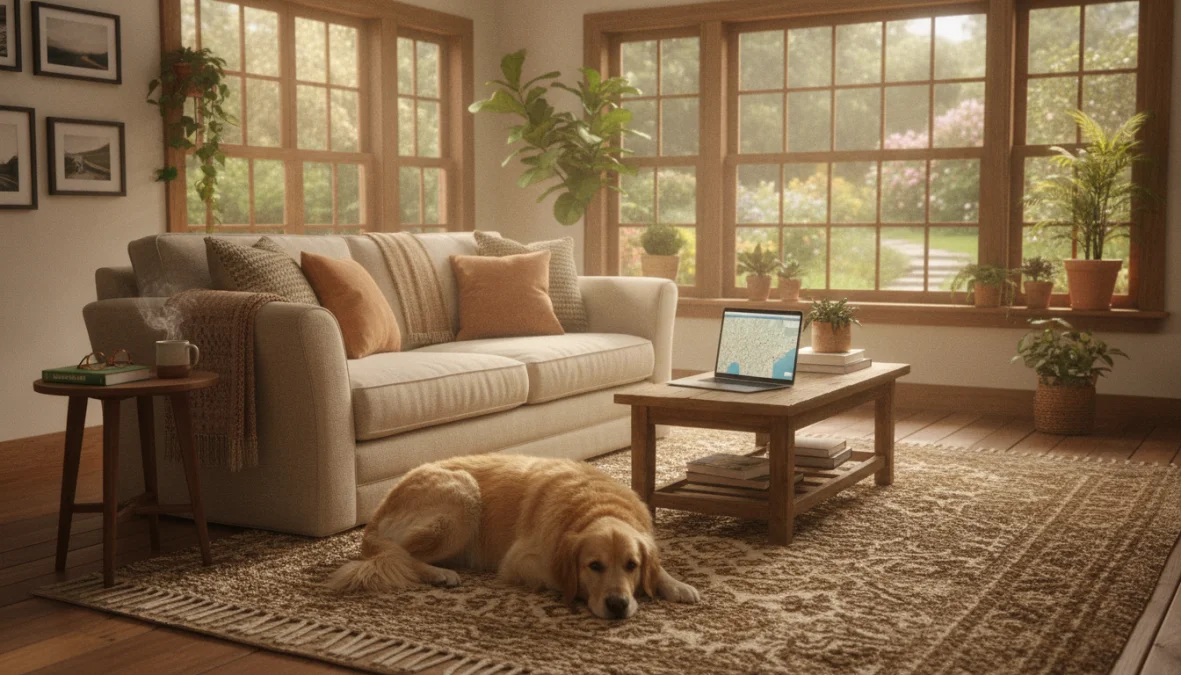
Imagine living in a charming cottage in the Scottish Highlands, a beachfront villa in Portugal, or a cozy apartment in Tokyo—all without paying a single cent for accommodation. Sounds too good to be true? Welcome to the world of house sitting travel, where adventurous travelers exchange their caretaking skills for free accommodation in some of the world’s most desirable locations. Whether you’re a digital nomad seeking affordable housing, a retiree exploring slow travel, or simply someone who wants to experience destinations like a local, house sitting and home exchange programs offer incredible opportunities to transform how you explore the world.
What Is House Sitting and How Does Home Exchange Work?
Let’s clear up the confusion first: house sitting and home exchange are related but distinct concepts in the world of travel accommodation alternatives. House sitting involves caring for someone’s property (and often their pets) while they’re away, typically without any monetary exchange beyond free accommodation. You’re essentially a responsible house sitter who maintains the home, waters plants, collects mail, and provides companionship to pets in exchange for a place to stay.
Home exchange or home swapping, on the other hand, is a reciprocal arrangement where two parties swap homes for a specific period. You stay in their place while they stay in yours—a true exchange. This works brilliantly for homeowners who want to travel but prefer not to pay for accommodation, though it requires you to have a home to offer in return.
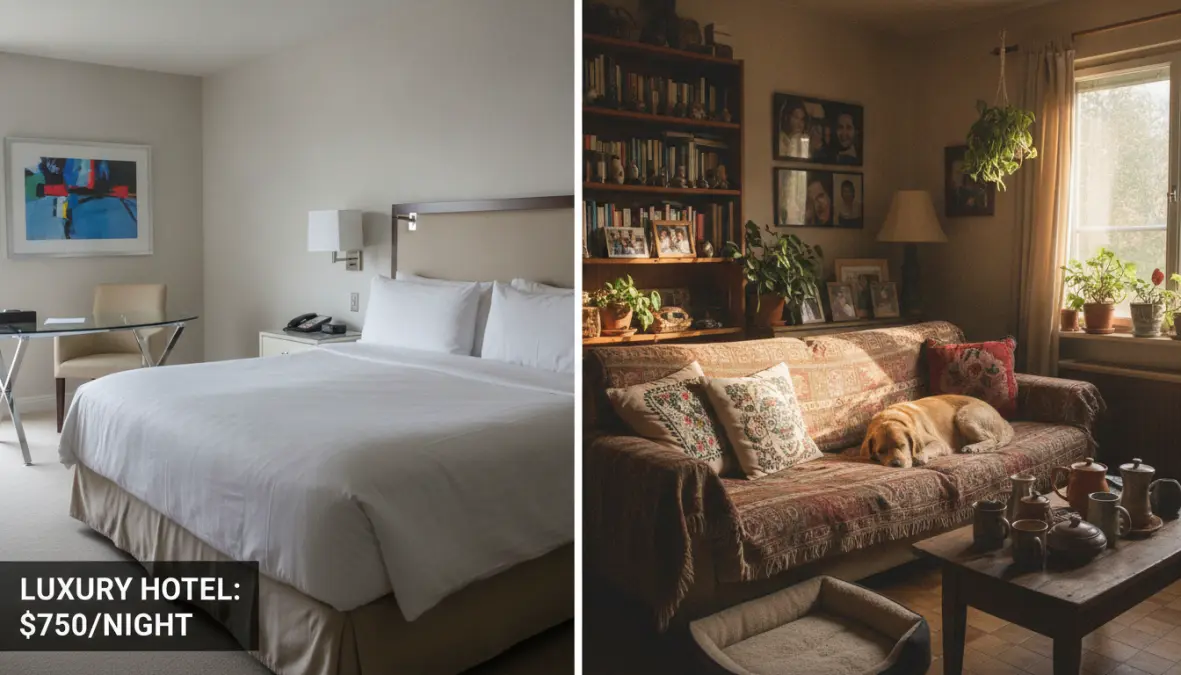
The beauty of house sitting lies in its flexibility. Assignments can range from weekend getaways to year-long commitments. Your responsibilities might include feeding and walking dogs, caring for cats, tending gardens, maintaining pools, or simply keeping the property secure and lived-in. For homeowners, having a trusted person in their home provides peace of mind, especially for pet sitting needs—many pet owners prefer their animals stay comfortable at home rather than in kennels. For travelers, it’s an authentic way to experience neighborhoods beyond tourist zones, often with amenities like full kitchens, laundry, and workspaces perfect for remote workers.
Best House Sitting Websites and Home Exchange Platforms to Get Started
Navigating the landscape of house sitting websites and home exchange programs can feel overwhelming, but a few platforms dominate the space with proven track records. For house sitting, TrustedHousesitters is the industry leader, boasting over 150,000 members across 130 countries. Their annual membership costs around $129, includes veterinary-approved advice, and offers 24/7 member support. The platform emphasizes thorough profiles with ID verification and reviews, making it easier to build trust between homeowners and sitters.
Other notable house sitting websites include MindMyHouse (budget-friendly at approximately $20 annually, though with fewer listings) and HouseCarers (around $50 yearly, with a strong presence in Australia and New Zealand). Each platform has its strengths: TrustedHousesitters excels in European and North American coverage, while HouseCarers dominates in Oceania.
For home exchange programs, HomeExchange leads with over 450,000 listings worldwide. Their model uses a points system rather than simultaneous swaps, offering more flexibility. Annual membership runs about $160. Love Home Swap (now part of HomeExchange) provides luxury-focused exchanges with properties that often feature pools, spectacular views, and premium amenities.
Choosing the right platform depends on your travel style. Budget travel enthusiasts might prefer MindMyHouse’s lower fees, while those seeking digital nomad housing with reliable wifi should focus on TrustedHousesitters’ detailed amenity listings. Like avoiding common travel scams, researching platforms thoroughly protects your experience.
Creating Your Winning Profile and Landing Your First Assignment
Your profile is your passport to house sitting jobs worldwide. Start with a warm, genuine bio that highlights relevant experience—don’t worry if you’ve never house sat professionally. Mention pet ownership, gardening skills, home maintenance abilities, or even just your responsible nature and love for animals. Include clear, friendly photos of yourself (solo and with pets if possible), never just landscapes.
For beginners wondering how to become a house sitter with no experience, start local. Offer to house sit for friends or neighbors, then request detailed references. Some platforms allow character references from employers or colleagues. Consider completing background checks voluntarily—this dramatically increases trust. When applying for your first sits, be flexible with dates and locations, respond quickly to listings, and personalize every message. Mention specific details from their listing: “I noticed your garden has roses—I’ve tended my mother’s rose garden for years and would love to care for yours.”
Many successful house sitters recommend starting with shorter assignments (long weekends or one week) to build reviews before pursuing month-long international opportunities. Just as you’d plan transportation carefully when traveling from Athens to Santorini, approach your house sitting journey strategically with stepping stones to build credibility.
Making House Sitting Travel Work: Practical Tips and What to Expect
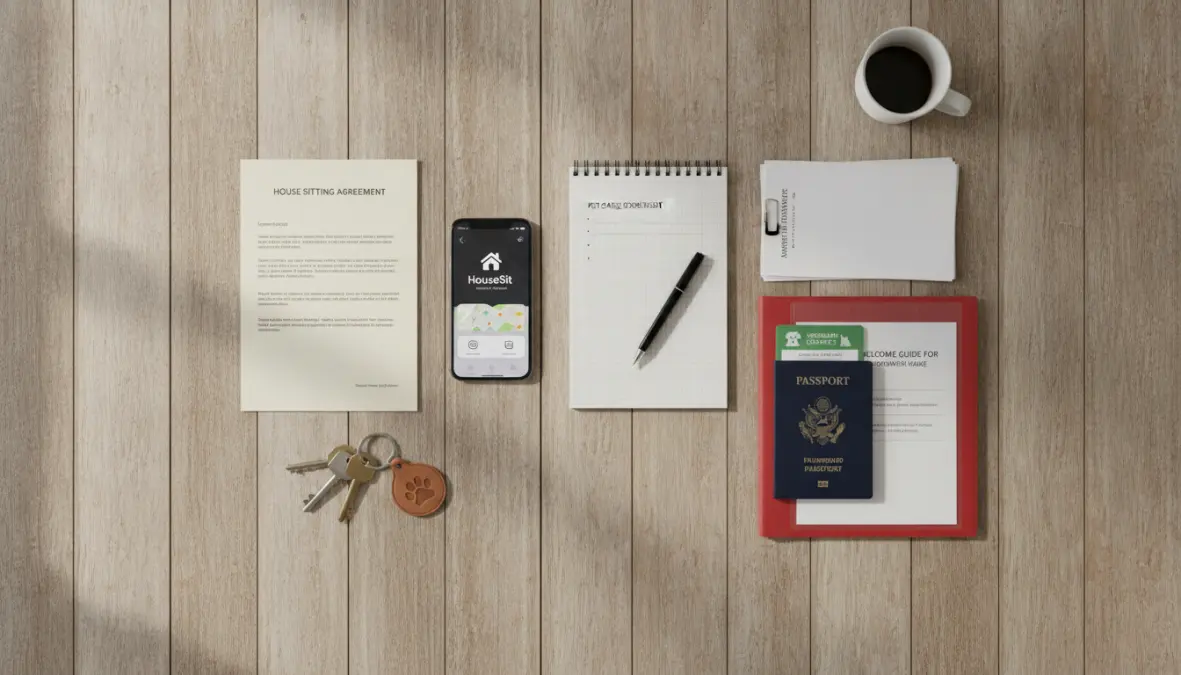
The romantic vision of house sitting travel meets reality when you’re actually living in someone else’s home with responsibilities. Successful house sitters maintain clear communication from the start. Before accepting any assignment, video call the homeowners to discuss expectations, tour the property virtually, and assess compatibility. Request a detailed welcome guide covering everything from wifi passwords to vet contacts, heating systems to neighborhood quirks.
Written agreements protect everyone. Outline your dates, responsibilities, emergency protocols, and house rules. Discuss what happens if flights are delayed or emergencies arise. Most platforms provide agreement templates, but customize them to your situation.
The reality check: house sitting jobs aren’t entirely free. You’ll typically cover your own transportation, food, and activities. Some sits in remote locations might have limited public transport, requiring car rentals. Time commitments vary—caring for multiple dogs means regular walks and companionship, limiting your sightseeing freedom compared to simply watering plants. However, for budget travel enthusiasts, eliminating accommodation costs in expensive destinations like Portugal’s Algarve Coast or Cape Town represents massive savings.
Combining property caretaking with remote work requires discipline. Choose sits with dedicated workspaces and reliable internet. Communicate your work schedule to homeowners—they need to understand you can’t provide constant pet companionship during work hours. Urban sits often suit digital nomads better than rural retreats, though destinations like Chefchaouen offer inspiring settings for creative work.
Common mistakes include overcommitting (accepting too many back-to-back sits without breaks), underestimating pet care demands, and poor communication during the sit. Send regular photo updates to homeowners, leave the property cleaner than you found it, and address any issues immediately rather than hoping they won’t notice.
Safety, Insurance, and Legal Considerations
Safety works both ways in hospitality exchange. Homeowners should provide security details (alarm codes, safe neighborhoods, emergency exits), while house sitters should verify homeowner identities through platform verification systems and video calls. Trust your instincts—if something feels off, decline the assignment.
Insurance is critical yet often overlooked. Standard travel insurance typically doesn’t cover house sitting activities. TrustedHousesitters includes liability insurance for members, but verify coverage limits. Consider additional personal liability insurance if caring for expensive properties or multiple pets. Homeowners should ensure their home insurance covers house sitters—some policies exclude coverage when non-family members occupy the property.
Visa requirements trip up many international house sitters. Tourist visas rarely permit extended stays or any form of “work,” even unpaid. Research visa regulations carefully for each country. Some nations view house sitting as legitimate tourism; others might consider it unauthorized employment. When planning international sits, consult immigration attorneys if uncertain, and maintain evidence of financial independence and return travel plans.
Combining smart financial strategies like maximizing travel credit card rewards with house sitting creates incredibly affordable long-term travel possibilities.
FAQ: House Sitting and Home Exchange Questions Answered
Do you pay for house sitting?
No, house sitting is typically a non-monetary exchange—you provide property and pet care services in return for free accommodation. You’ll cover your own food, transportation, and activities, but don’t pay rent or fees to homeowners. Some platforms charge annual membership fees ($20-160 depending on the service) to access listings.
Is house sitting safe?
When using reputable platforms with verification systems, house sitting is generally very safe. Choose platforms offering ID verification, background checks, reviews, and secure messaging. Always video call homeowners before committing, trust your instincts, and ensure proper insurance coverage. Millions of successful house sits happen annually with minimal issues.
How long are typical house sitting assignments?
Assignments range from weekend getaways (2-3 days) to several months or even year-long arrangements. The most common duration is 1-3 weeks, aligning with typical vacation periods. Longer sits (1-6 months) suit slow travelers and digital nomads seeking semi-permanent bases, while shorter sits work well for sampling different locations.
Can beginners get house sitting jobs?
Absolutely! Start by building credibility through local sits for friends or neighbors, then request detailed references. Create a compelling profile highlighting transferable skills (pet ownership, home maintenance, responsibility). Begin with shorter assignments and less competitive locations to earn your first reviews, then gradually pursue more desirable opportunities as your reputation grows.
What’s the difference between house sitting and home exchange?
House sitting involves caring for someone’s property and pets while they’re away, typically without owning a home yourself—you simply provide caretaking services for free accommodation. Home exchange requires you to own or rent a property to swap with another homeowner simultaneously or through a points system, making it a truly reciprocal arrangement.
House sitting travel represents more than just free accommodation—it’s a philosophy of mindful, connected travel. You’re not just visiting destinations; you’re temporarily living in them, building relationships with homeowners and their pets, and experiencing communities from an insider’s perspective. Whether you’re seeking budget travel solutions, embracing slow travel principles, or simply craving authentic local experiences, house sitting and home exchange programs open doors that traditional tourism never could. Start with one platform, create a genuine profile, and take that first leap. Your next home away from home might be waiting in a place you’ve always dreamed of exploring. Pack your bags (perhaps using organized packing cubes), prepare for adventure, and discover how house sitting can transform your travel from expensive and rushed to affordable and deeply meaningful.