
Travel Vaccinations Guide: Essential Immunizations for Every Destination
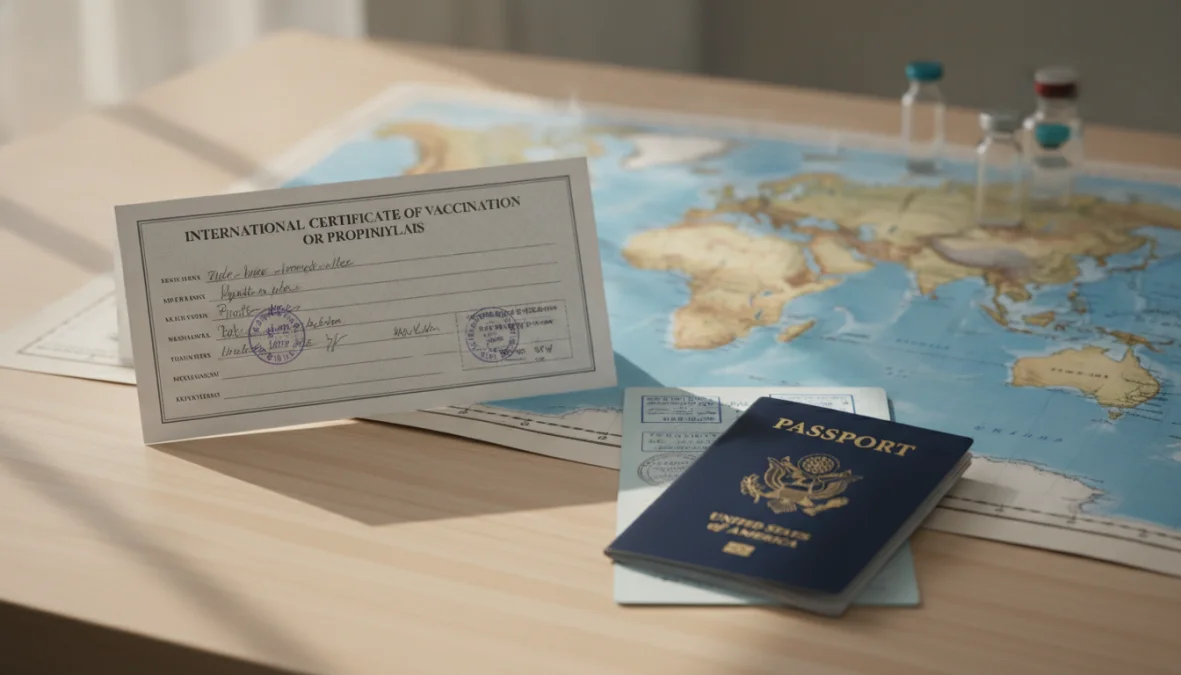
Planning an international adventure is exciting, but there’s one crucial step many travelers overlook until the last minute: getting the right vaccinations. Whether you’re heading to a tropical paradise, trekking through remote villages, or exploring bustling cities abroad, understanding travel vaccinations guide essentials can literally be a lifesaver. The good news? With proper planning and knowledge of travel health requirements, protecting yourself from preventable diseases is straightforward. Let’s dive into everything you need to know about staying healthy on your global adventures.
Understanding Travel Vaccinations: Routine, Recommended, and Required Immunizations
When it comes to travel immunizations, there are three distinct categories you need to understand. First, routine vaccines are those you should already have regardless of travel plans—think MMR (measles, mumps, rubella), tetanus-diphtheria, and influenza. Many travelers discover their routine immunizations aren’t up-to-date, so a travel health consultation serves as a perfect opportunity for a general checkup.
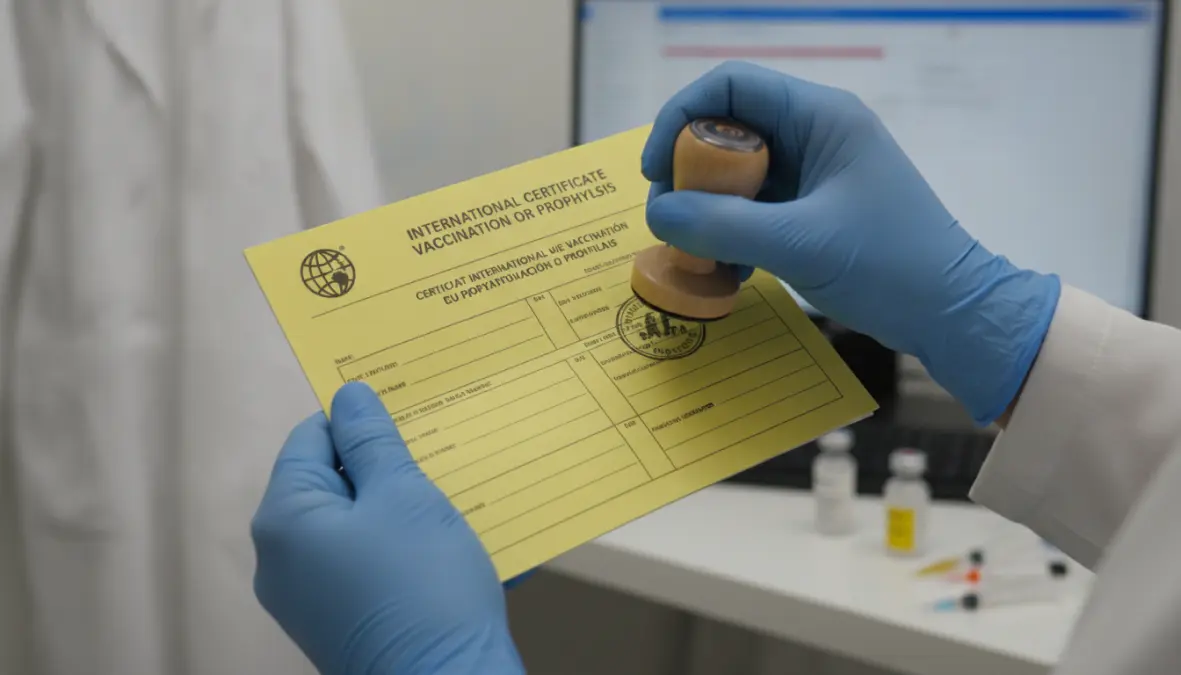
Second, recommended vaccines depend entirely on your destination, activities, and health status. These might include hepatitis A and B, typhoid, or rabies. While not legally required, they’re strongly advised based on CDC travel recommendations and local endemic diseases. Third, required vaccines are mandatory for entry into certain countries—yellow fever being the most common example, with many nations demanding proof via the International Certificate of Vaccination, often called the “Yellow Card.”
Timing is critical for pre-travel vaccinations. Most travel health clinics recommend starting the process 4-8 weeks before departure, though some vaccines require multiple doses spaced weeks apart. If you’re planning a trip to Machu Picchu or similar high-altitude destinations, you’ll want to coordinate vaccinations with other health preparations like altitude sickness prevention.
You can receive international travel shots at specialized travel medicine clinics, which offer comprehensive destination-specific advice, or through your primary care physician if they’re knowledgeable about travel health. Travel clinics typically provide more extensive guidance on vaccination certificate requirements and can issue official documentation on the spot.
Destination-Specific Vaccination Requirements and Recommendations
Your vaccination schedule travelers need varies dramatically by region. Understanding destination vaccines requires looking at both official requirements and practical recommendations based on local health risks. Here’s a breakdown by major regions to help answer “what vaccines do i need for international travel?”
Africa: Many sub-Saharan countries require yellow fever vaccination with certificate proof. Additional recommendations include typhoid (especially for adventurous eaters), hepatitis A and B, meningococcal meningitis (particularly for the “meningitis belt” from Senegal to Ethiopia during dry season), and rabies for wildlife encounters or safaris. Malaria prophylaxis is also essential for most regions, though it’s medication rather than vaccination.
Southeast Asia: While rarely requiring mandatory vaccines, this region poses significant health risks. Hepatitis A is highly recommended for all travelers, as is typhoid. Japanese encephalitis becomes important for rural stays exceeding one month or during rice-farming season. Rabies consideration increases if you’ll be trekking in rural areas or working with animals. If you’re considering traveling full-time through the region, comprehensive vaccination coverage becomes even more important.
South America: Yellow fever is required for entry to several countries and strongly recommended for jungle regions, especially the Amazon basin. Typhoid, hepatitis A, and rabies (for adventure travelers) round out the typical recommendations. Some Andean countries have specific health considerations beyond vaccinations.
Middle East: Meningococcal vaccination is mandatory for Hajj pilgrims to Saudi Arabia and recommended for other travelers during crowded events. Hepatitis A and typhoid remain standard recommendations for most countries in the region.
High-Risk Destinations and Special Vaccination Protocols
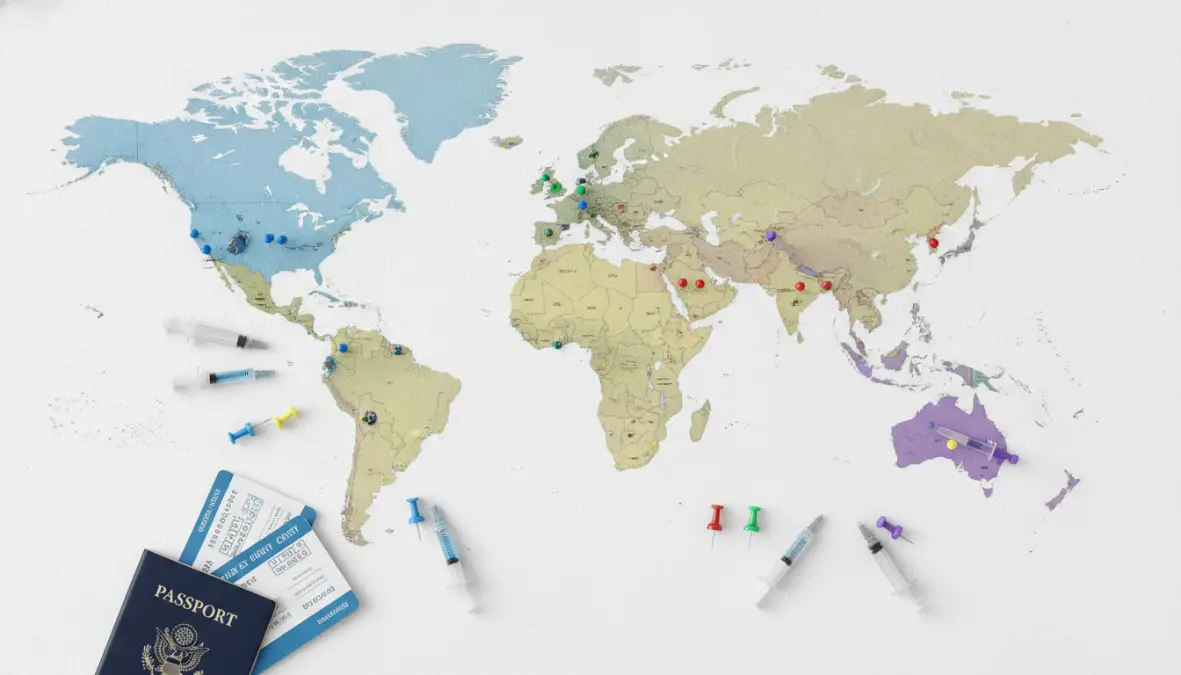
Certain destinations demand extra attention in your travel medicine guide preparation. Countries with strict yellow fever certificate requirements won’t let you enter without proof—this includes much of tropical Africa and parts of South America. Keep your certificate with your passport, as you may need to show it even years later when traveling from one endemic zone to another.
The meningitis belt in sub-Saharan Africa (stretching from Senegal to Ethiopia) sees seasonal epidemics during the dry season (December-June), making meningococcal vaccination crucial for travelers during these months. If you’re planning sustainable travel involving community work or extended rural stays, consider your vulnerability to diseases like rabies and Japanese encephalitis increases significantly.
For humanitarian workers, long-term expats, or adventure travelers planning extended backcountry experiences, preventive travel medicine extends beyond standard recommendations. Pre-exposure rabies vaccination, comprehensive hepatitis coverage, and specialized consultations become essential investments in your health.
Common Travel Vaccination Questions
How far in advance should I get travel vaccinations? Start planning 4-8 weeks before departure as your baseline. Some vaccines require multiple doses spaced 2-4 weeks apart, and others need time to reach full effectiveness. For last-minute trips, something is always better than nothing—consult a travel clinic immediately.
Are travel vaccines covered by insurance? Coverage varies widely. Routine vaccines are typically covered, but travel-specific immunizations often aren’t. Some insurance plans cover preventive travel medicine partially. Check with your provider and consider the cost worthwhile compared to treating serious illness abroad.
What vaccines are required vs recommended? Only yellow fever, meningococcal meningitis (for Saudi Arabia’s Hajj), and polio (in a few countries) are legally required. However, “recommended” vaccines protect against real risks—hepatitis A, typhoid, and rabies can ruin your trip or worse. Follow the complete immunization schedule by country guidelines from CDC or WHO.
Can I travel if I miss a vaccine dose? It depends. For required vaccines like yellow fever, you cannot enter certain countries without proof. For recommended multi-dose vaccines, partial protection is better than none, but complete the series for full immunity.
Do children need different travel immunizations? Children follow modified schedules based on age and weight. Some vaccines aren’t approved for young children, requiring extra precautions. Consult a pediatric travel medicine specialist for the best approach.
How long do travel vaccines last? It varies: yellow fever lasts lifetime (though some countries require re-vaccination every 10 years), typhoid lasts 2-5 years depending on type, and hepatitis A provides decades of protection after the complete series. Keep your immunization records updated to track when boosters are needed.
What are common side effects? Most people experience minor reactions: soreness at injection site, low-grade fever, or mild fatigue for 1-2 days. Serious reactions are rare but possible. Schedule vaccinations with recovery time before your departure, just as you’d plan for altitude sickness prevention in your overall health strategy.
Armed with this travel vaccinations guide, you’re ready to tackle the health preparation aspect of your journey confidently. Remember that vaccines are just one component of travel health—combine them with common sense, proper hygiene, safe food and water practices, and appropriate travel insurance. Whether you’re island-hopping through Southeast Asia or exploring new continents, proper vaccination transforms “what if” worries into “what’s next” excitement. Schedule that travel health consultation today and get one step closer to your adventure—your future healthy self will thank you!