Uganda vs Rwanda Gorilla Trekking: Complete Cost and Experience Comparison
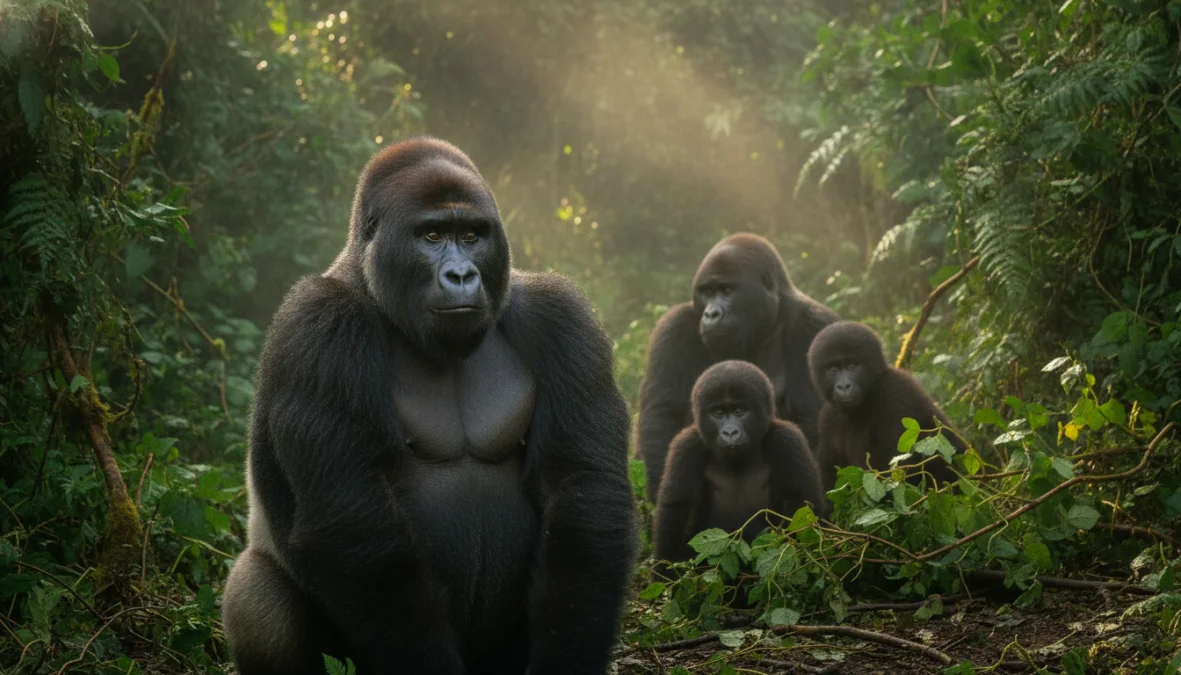
Standing face-to-face with a mountain gorilla in the misty forests of East Africa is one of the world’s most incredible wildlife encounters. But if you’re planning this bucket-list experience, you’re probably wrestling with a crucial decision: Uganda vs Rwanda gorilla trekking. Both countries offer extraordinary opportunities to observe these magnificent primates in their natural habitat, yet they differ dramatically in cost, accessibility, and overall experience. Let’s break down everything you need to know to make the right choice for your African adventure.
Gorilla Trekking Cost Comparison: Breaking Down the Price Difference
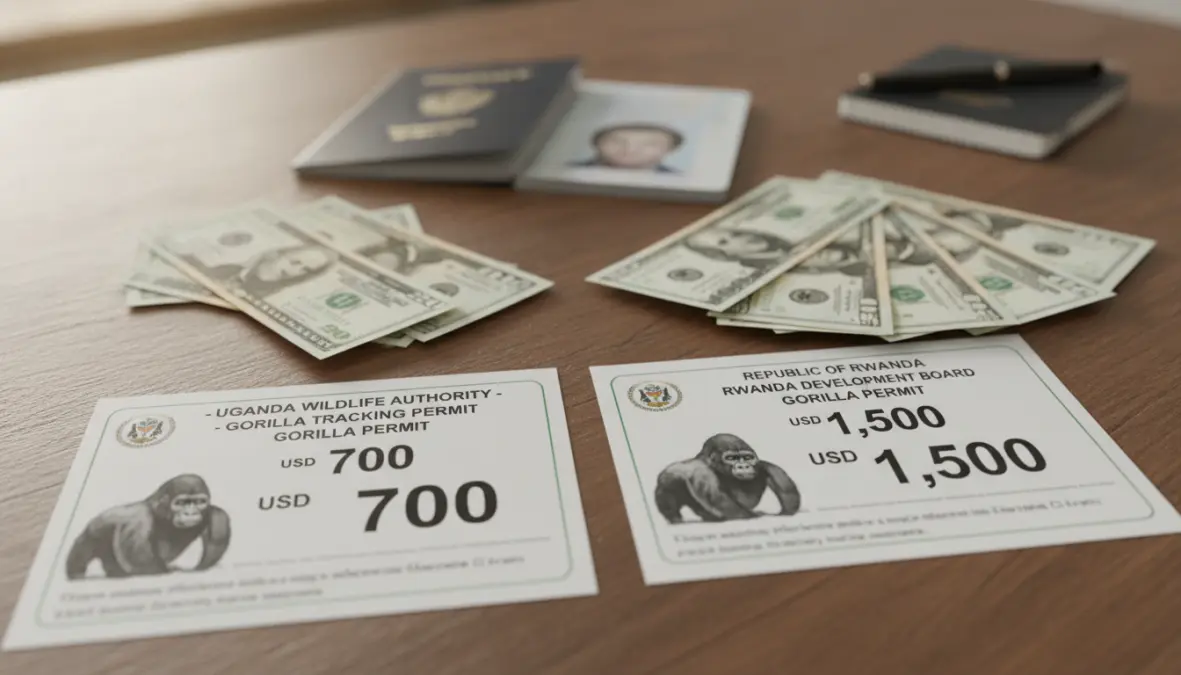
The most striking difference between Uganda vs Rwanda gorilla permits is the price tag. Uganda charges $800 per permit, while Rwanda asks $1,500—nearly double the cost. This dramatic difference in mountain gorilla trekking prices significantly impacts your overall safari budget.
But the gorilla trekking cost comparison doesn’t stop at permits. When planning a complete safari, you’ll need to factor in accommodation, transportation, guide fees, and meals. In Uganda, budget lodges near Bwindi Impenetrable Forest start around $100-150 per night, while mid-range options run $200-400. Rwanda’s accommodations near Volcanoes National Park typically start higher, with budget options beginning around $150-200 and luxury lodges easily exceeding $500 per night.
| Cost Element | Uganda | Rwanda |
|---|---|---|
| Gorilla Permit | $800 | $1,500 |
| Budget Accommodation (per night) | $100-150 | $150-200 |
| Mid-Range Accommodation (per night) | $200-400 | $300-500 |
| Average 3-Day Safari Total | $1,500-2,500 | $2,500-4,000 |
Transportation costs also vary considerably. Ground transfers from Entebbe International Airport to Bwindi take 8-10 hours and cost $150-300, while the drive from Kigali Airport to Volcanoes National Park is just 2-3 hours at $50-100. If you’re wondering how much does gorilla trekking cost in Uganda vs Rwanda, expect to spend $1,500-2,500 for a complete 3-day Uganda experience versus $2,500-4,000 in Rwanda. For travelers interested in other unique adventure experiences, check out our Patagonia trekking guide for another bucket-list destination.
Rwanda’s higher prices reflect a deliberate conservation strategy—positioning itself as a luxury, low-volume destination. Uganda’s more accessible pricing makes gorilla trekking available to a broader range of travelers without compromising the quality of the experience.
Comparing the Gorilla Trekking Experience: Bwindi vs Volcanoes National Park
When determining the best country for gorilla trekking, the actual experience matters as much as the cost. The gorilla trekking experience Africa offers differs between Volcanoes National Park vs Bwindi in several meaningful ways.
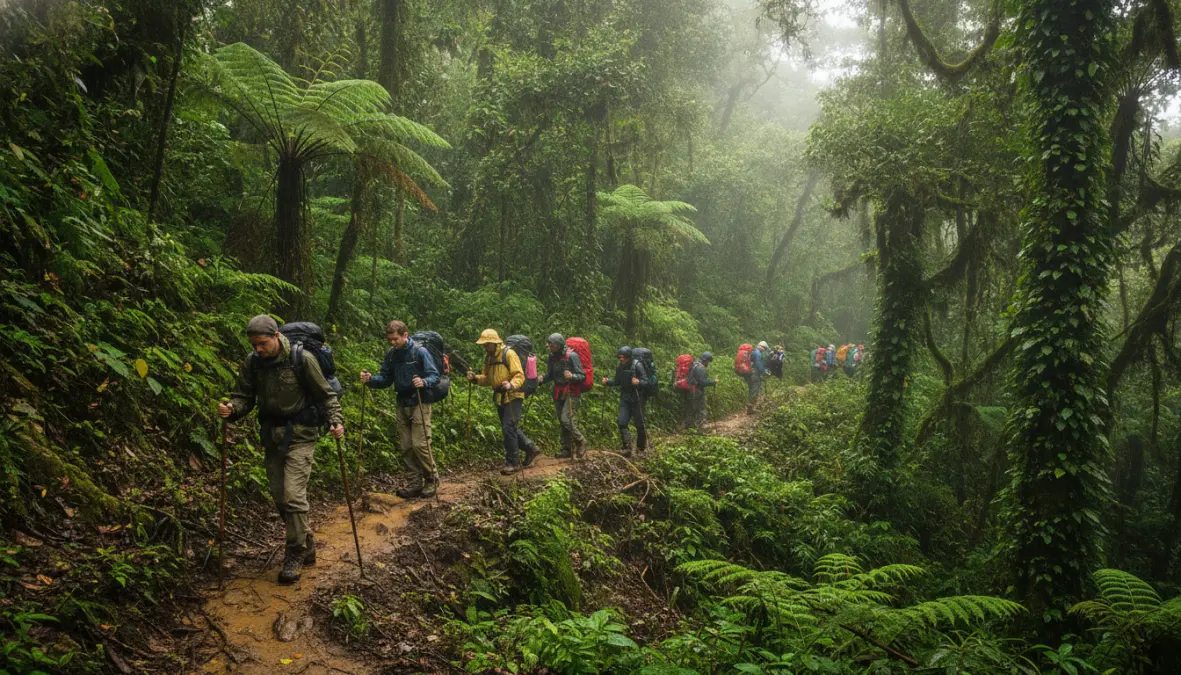
Bwindi Impenetrable Forest in Uganda lives up to its name—dense, steep, and challenging. The terrain is rugged rainforest with thick vegetation, muddy trails, and significant elevation changes. Treks can last anywhere from 1 to 8 hours depending on where the mountain gorilla families have moved. Uganda has approximately 19 habituated gorilla groups available for tracking across Bwindi and Mgahinga, offering more variety in gorilla permit booking options.
Volcanoes National Park in Rwanda features bamboo forests and volcanic mountain slopes. While still physically demanding, the trekking difficulty levels are generally lower than Bwindi. The terrain tends to be more open, and gorilla families are often found at lower elevations, making treks somewhat shorter and less strenuous on average. Rwanda has 12 habituated groups available for visitors.
Both countries boast approximately 98% success rates for gorilla sightings—once you’re there, you’re almost guaranteed an encounter. The standard tracking experience allows one hour with the gorillas once found, and the atmosphere is equally magical in both locations. The Rwanda Uganda safari comparison really comes down to whether you prefer the misty, mysterious rainforest vibe of Bwindi or the dramatic volcanic landscape of Rwanda’s mountains.
Weather patterns are similar in both locations, with two rainy seasons (March-May and October-November). However, Bwindi’s denser forest can feel wetter and muddier year-round. For more insights on planning African adventures, explore our complete Rwanda gorilla trekking guide.
Accessibility and Travel Logistics
Here’s where Rwanda shines: Kigali Airport access to Volcanoes National Park is incredibly convenient. The 2-3 hour drive on excellent roads means you can literally fly in the morning and trek gorillas the same afternoon. Kigali is well-connected internationally with numerous direct flights from Europe, Middle East, and other African cities.
Entebbe International Airport to Bwindi requires either an 8-10 hour drive (often split over two days) or a domestic flight to Kihihi or Kisoro followed by ground transfer. The roads, while improved in recent years, are still rougher than Rwanda’s. However, Uganda’s longer journey offers opportunities to experience more of the country and combine your gorilla trek with other safari destinations like Queen Elizabeth National Park.
Visa requirements favor Rwanda for many nationalities—visa-on-arrival is straightforward and affordable ($50). Uganda also offers visa-on-arrival ($50), but if you plan to visit both countries plus Kenya, consider the East African Tourist Visa ($100) covering all three nations.
Gorilla Habituation vs Standard Tracking
Uganda offers something Rwanda doesn’t: the habituation experience. This exclusive opportunity allows you to spend four hours (instead of the standard one hour) with a gorilla family still being habituated to human presence. You’ll work alongside researchers and trackers, observing the gorillas’ behavior in greater depth.
The habituation permit costs $1,500—the same as Rwanda’s standard permit—but offers four times the gorilla contact time. Only four visitors per day are allowed on habituation experiences, making it incredibly intimate. If you’re wondering is gorilla trekking better in Uganda or Rwanda, this unique option might tip the scales toward Uganda for serious wildlife enthusiasts.
Rwanda focuses exclusively on standard tracking to minimize disturbance to gorilla families, aligning with their low-impact, high-value tourism model.
Which Country Should You Choose for Gorilla Trekking?
The difference between Uganda and Rwanda gorilla trekking ultimately comes down to your priorities, budget, and travel style.
Choose Uganda if: You’re budget-conscious and want to maximize value. Uganda is the cheapest country for gorilla trekking Africa offers without sacrificing experience quality. It’s also ideal if you want the habituation experience, have time for longer travel, or plan to combine gorilla trekking with other Ugandan safari destinations like Murchison Falls or Kibale Forest for chimpanzee tracking.
Choose Rwanda if: You have limited time and want maximum convenience. The short transfer from Kigali makes it perfect for quick trips or combining with business travel. Rwanda suits travelers who prefer easier trekking conditions, don’t mind paying premium prices for streamlined logistics, or want to experience the country’s remarkable post-genocide development story.
Can you do both? Absolutely! Many travelers combine both countries for a comprehensive gorilla trekking experience Africa adventure. The Uganda gorilla permit vs Rwanda permit price difference actually makes this feasible—trek once in each country to compare the experiences firsthand.
When asking yourself which is easier gorilla trekking Uganda or Rwanda, remember that “easier” depends on your definition. Rwanda offers easier logistics and generally less demanding terrain, while Uganda provides easier permit availability and more affordable pricing.
Frequently Asked Questions
Is gorilla trekking better in Uganda or Rwanda?
Neither is objectively “better”—it depends on your priorities. Uganda offers better value and the unique habituation experience, while Rwanda provides superior accessibility and slightly easier treks. Both guarantee incredible gorilla encounters with near-identical success rates.
Why are Rwanda gorilla permits more expensive?
Rwanda deliberately positions itself as a luxury, low-volume destination. Higher permit prices limit visitor numbers, reduce impact on gorilla families, and fund conservation while positioning the experience as exclusive. The premium also reflects Rwanda’s investment in excellent infrastructure.
How fit do you need to be?
A moderate fitness level is essential for both countries. Expect to hike 1-8 hours through steep, muddy terrain at altitude. You don’t need to be an athlete, but regular walking and some cardio preparation will make the experience much more enjoyable. Porters are available to carry bags and assist on difficult sections.
Can you do gorilla trekking in both countries?
Yes! Many travelers visit both Uganda and Rwanda on the same trip. You can trek in Bwindi, cross the border, and trek again in Volcanoes National Park. This allows you to experience both habitats and compare the differences firsthand while supporting conservation in both nations.
What’s the best time of year for gorilla trekking?
Gorilla trekking operates year-round in both countries. The drier seasons (June-September and December-February) offer easier trekking conditions with less mud, but gorillas can be tracked any month. Rainy seasons (March-May, October-November) mean fewer crowds and slightly lower accommodation rates, though wetter, more challenging trails.
Whether you choose the misty rainforests of Uganda or the volcanic mountains of Rwanda, gorilla trekking will undoubtedly be one of your life’s most profound wildlife encounters. The decision between Uganda vs Rwanda gorilla trekking ultimately reflects your personal travel style—but either way, you’re in for an unforgettable experience with our closest living relatives in the animal kingdom.