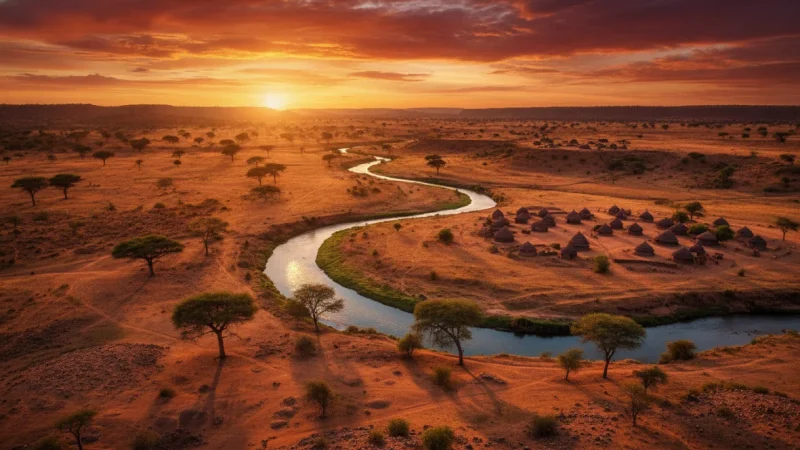
Ethiopian Highlands Trek: Complete Simien Mountains Hiking Guide
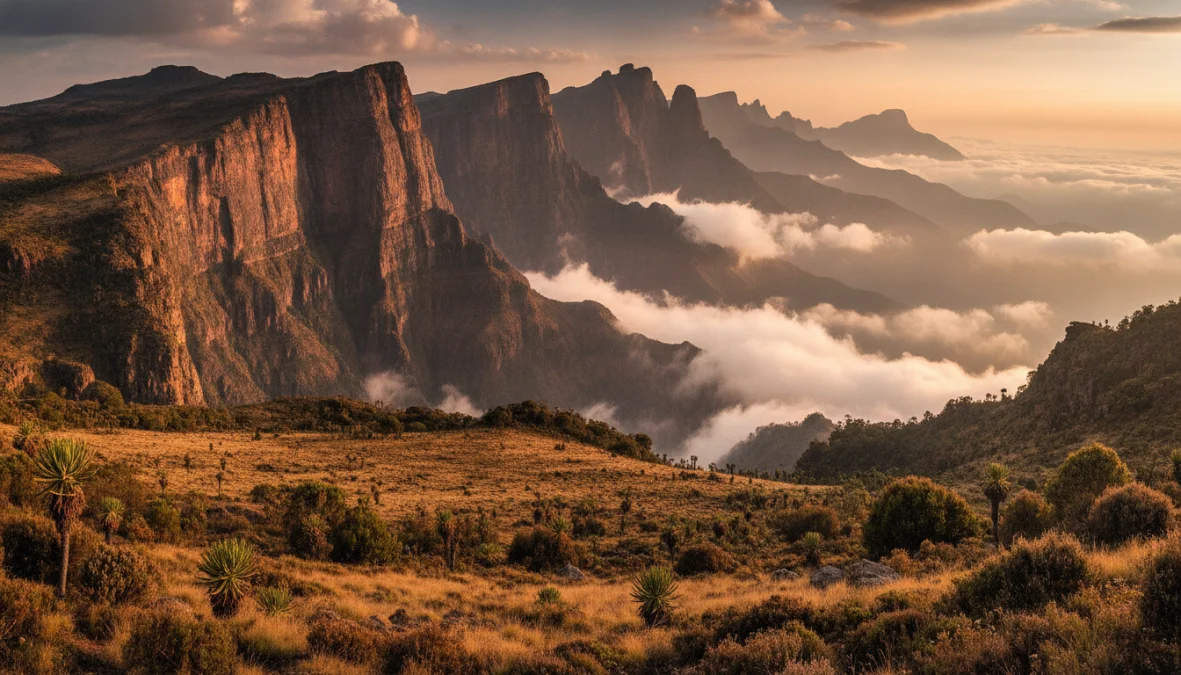
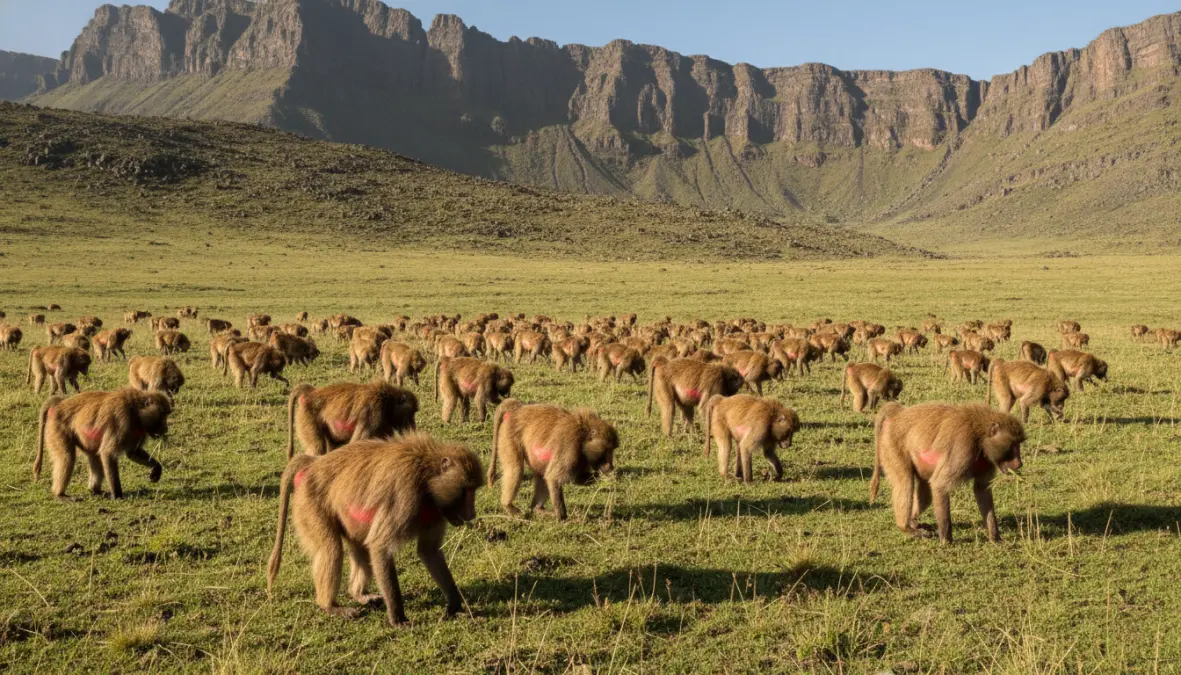
Picture this: you’re standing on the edge of a massive escarpment, staring out at jagged peaks that slice through clouds like ancient sentinels. Below, a troop of gelada baboons graze peacefully on alpine grass, their distinctive red chests catching the morning light. Welcome to the Simien Mountains Ethiopia, one of Africa’s most spectacular and underrated trekking destinations. This UNESCO World Heritage Site offers not just breathtaking scenery, but encounters with wildlife found nowhere else on Earth and a cultural immersion that’ll stay with you long after you’ve descended from the highlands.
Why Trek the Simien Mountains National Park
The Simien Mountains National Park isn’t your average hiking destination. Designated a UNESCO World Heritage Site in 1978, this 412-square-kilometer park protects one of the world’s most unique afroalpine ecosystems and some seriously dramatic terrain. We’re talking about mountains that rise over 4,000 meters above sea level, with sheer cliffs dropping 1,500 meters straight down—earning the range its nickname “the Roof of Africa.”
What really sets ethiopian highlands trekking apart is the wildlife. The park is home to several endemic species you literally can’t see anywhere else. The gelada baboons—technically not baboons but geladas, the world’s last surviving grass-eating primates—number in the thousands here. You’ll spot them in huge troops, sometimes hundreds strong, lounging on cliff edges like they own the place (which, let’s be honest, they do). Then there’s the critically endangered Ethiopian wolf, with only about 500 individuals left in the wild, half of which roam these highlands. The Walia ibex, a wild goat with impossibly curved horns, clings to impossible cliff faces with casual grace.
The geology here is mind-blowing. Millions of years of volcanic activity followed by erosion have carved out pinnacles, plateaus, and valleys that look more like fantasy movie sets than real landscapes. The escarpment views from spots like Imet Gogo will have you questioning whether you’ve stepped onto another planet. For trekkers who’ve done other epic routes like Patagonia’s famous trails, the Simiens offer something completely different—a blend of African culture, altitude challenge, and landscapes that defy expectation.
Planning Your Simien Mountains Trek: Routes, Duration & Logistics
Let’s get into the nitty-gritty of actually making your simien mountains trek happen. First thing to know: you can’t just rock up and start hiking. The park requires you to hire both a licensed guide and an armed scout (yes, armed—though they’re mainly there for protection from wildlife, not people). This isn’t negotiable, but honestly, having local expertise enhances the experience tremendously.
Popular Trekking Routes and Itineraries
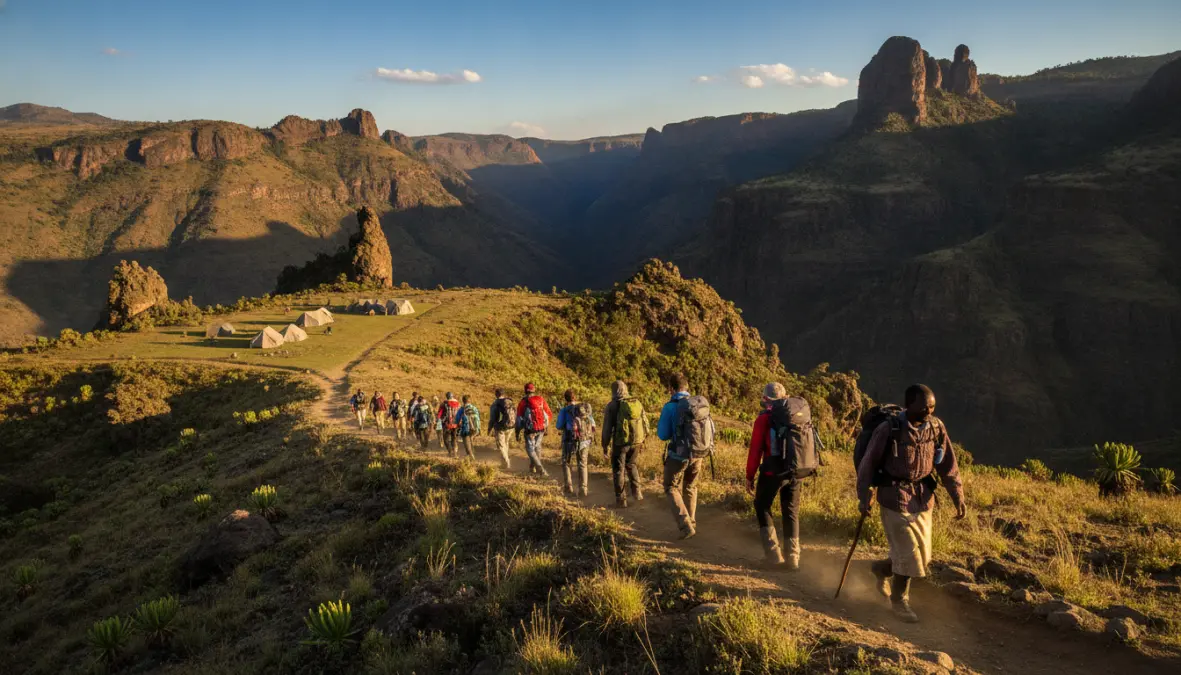
The most popular option for trekking simien mountains is the classic 3-day trek, which takes you from Sankaber to Geech to Chenek camp, covering about 45 kilometers. This route gives you a solid taste of the landscape, plenty of gelada encounters, and those famous escarpment views without requiring a massive time commitment. You’ll overnight at community camps with basic facilities—think mattresses in simple huts or your own tent.
Want more? The 5-day route adds Imet Gogo (3,926m), arguably the most spectacular viewpoint in the entire park, with 360-degree panoramas that’ll make your Instagram followers weep with envy. This version also gives you more time to explore around Geech and increases your chances of spotting the elusive Ethiopian wolf.
For serious trekkers, the 7-day simien mountains multi day trek includes an ascent of Ras Dashen peak (4,550m), Ethiopia’s highest point and the tenth highest in Africa. This challenging route from debark to simien mountains and beyond requires good fitness and proper acclimatization. The summit day is long and tough, but standing on top of Ethiopia is worth every labored breath.
Understanding simien mountains trek difficulty is crucial for planning. The terrain is rugged, with significant elevation gains and losses. You’ll be hiking at altitude where the air is thin, on rocky paths that can be slippery when wet. That said, you don’t need technical climbing skills—just decent fitness and determination.
Best Time for Hiking Ethiopia’s Simien Mountains
The best time to trek simien mountains is during the dry season from October through March. November and February are particularly excellent—clear skies, moderate temperatures, and minimal rain. You’ll get those crisp mountain mornings and stunning visibility for photography.
The wet season (June to September) isn’t ideal for hiking ethiopia‘s highlands. Heavy rains turn trails muddy and treacherous, clouds obscure views, and it’s generally miserable. However, the landscape is incredibly lush and green if you’re willing to brave the conditions. April and May sit in a shoulder period—still generally good but with increasing chance of rain.
Temperature-wise, expect chilly nights (freezing at higher elevations) and pleasant days (15-20°C). Pack layers—lots of them.
Practical Tips for Ethiopia Mountain Hiking Success
Making the journey to how to get to simien mountains typically involves flying into Addis Ababa, then taking a domestic flight to Gondar (about 45 minutes). From Gondar, it’s a bumpy 2-3 hour drive to Debark town, the gateway to the park. Debark is where you’ll arrange permits, hire your guide and scout, and stock up on last-minute supplies.
Speaking of permits: simien mountains camping permits and park entry fees total around $20-30 USD per day, depending on current rates. Guide fees run $20-25 per day, scouts about $15 per day, and cooks (highly recommended) around $10-15 per day. Add mule hire if you’re not carrying all your gear ($10-15 per mule per day). All told, budget roughly $100-150 USD per day for a fully supported trek.
Many simien mountains tours offer all-inclusive packages from Gondar or Addis, which simplify logistics considerably. These range from budget camping trips to more comfortable options with better food and equipment. If you prefer organizing independently (which saves money but requires more effort), you can arrange everything through the park office in Debark.
For ethiopia mountain hiking at these altitudes, acclimatization matters. If you’re attempting Ras Dashen, spend at least one night at Geech (3,600m) before pushing higher. Drink tons of water, go slowly (“pole pole” as they say on Kilimanjaro), and watch for altitude sickness symptoms.
Accommodation varies from camping to community lodges with basic beds. Don’t expect luxury—think more along the lines of mountain refuges. Food is typically injera (Ethiopian flatbread) with various stews, plus some pasta for tourist palates. If you have dietary restrictions, communicate clearly with your guide beforehand.
Culturally, you’ll pass through villages where life hasn’t changed much in centuries. Bring small bills for tipping and respect local customs. Photography of people requires permission—ask first, and be prepared for occasional requests for payment. Similar to cultural considerations when visiting places like Morocco’s traditional communities, genuine respect goes a long way.
FAQ: Simien Mountains Trekking Questions Answered
Do I need a guide? Yes, it’s mandatory. You must hire both a licensed guide and armed scout through the park office.
How difficult is the trek? Moderate to challenging. Basic routes require good fitness but no technical skills. Ras Dashen requires excellent fitness and altitude tolerance.
Can I see wildlife? Absolutely. Gelada baboons are virtually guaranteed. Ethiopian wolves and Walia ibex require more luck but are regularly spotted.
What’s the accommodation like? Basic community lodges or camping. Bring a good sleeping bag rated for freezing temperatures.
How much does it cost? Budget $100-150 per day including all fees, guides, porters, and basic food. Organized tours cost more but simplify logistics.
Is it safe? Generally very safe. The armed scout is precautionary. The biggest risks are altitude sickness and minor injuries from rough terrain.
What fitness level do I need? You should comfortably hike 5-7 hours daily with elevation gain while carrying a daypack at altitude.
Can I do a day trip? Yes, day trips from Debark are possible, though you’ll only scratch the surface of what the park offers.
The Simien Mountains offer something increasingly rare in our connected world: genuine adventure in a place that feels untouched by mass tourism. Whether you’re after those iconic gelada encounters, the challenge of summiting Ras Dashen, or simply want to experience one of Africa’s most spectacular landscapes, this Ethiopian highland adventure delivers. Just like other epic treks such as the journey to Machu Picchu, the Simiens will test you, reward you, and leave you with stories you’ll tell for years. Pack those hiking boots—Ethiopia’s roof is calling.