
Shoulder Season Travel: Complete Guide to Best Times, Destinations and Money-Saving Tips
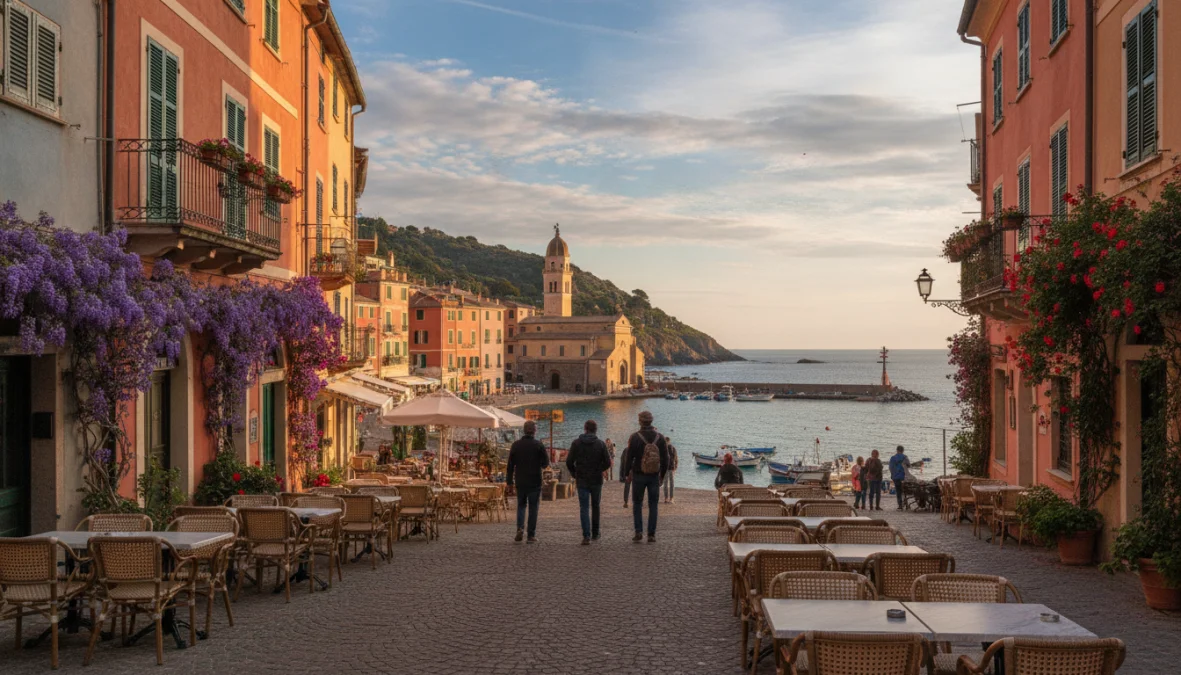
Ever felt the frustration of visiting the Eiffel Tower only to spend more time battling selfie sticks than actually enjoying the view? Or watching your travel budget evaporate faster than morning mist because you booked during peak season? There’s a secret weapon savvy travelers use to dodge the crowds and slash costs without sacrificing the experience: shoulder season travel. This sweet spot between tourist chaos and off-season shutdowns offers the best of both worlds, and once you discover it, you’ll never want to travel any other way.
What Is Shoulder Season and Why Travel During This Time
The intermediate travel season, commonly known as shoulder season, refers to those golden weeks or months sitting between a destination’s peak season and its low season. It’s when the weather is still generally favorable, but the tourist hordes have either not yet arrived or have already packed up and gone home. Understanding destination seasonality is crucial to timing your trips right.
So when is shoulder season exactly? That depends entirely on where you’re going. For Mediterranean destinations like Greece or Portugal, shoulder season typically falls in April-May and September-October. For Caribbean getaways, you’re looking at late April-May and November. The pattern holds globally: shoulder season bookends the peak tourist months when everyone else is visiting.
The contrast between shoulder season vs peak season is striking. Peak season means premium prices, packed attractions, and that nagging feeling you’re experiencing a destination through a lens of tourism rather than authenticity. Low season offers rock-bottom prices but comes with risks: closed attractions, unpredictable weather, or that eerie “ghost town” vibe. Shoulder season delivers the Goldilocks solution—just right.
| Factor | Peak Season | Shoulder Season | Low Season |
|---|---|---|---|
| Pricing | Highest (100%) | Moderate (50-80%) | Lowest (40-60%) |
| Crowds | Very Heavy | Light to Moderate | Minimal |
| Weather | Guaranteed | Generally Good | Unpredictable |
| Attraction Access | Full | Mostly Full | Limited |
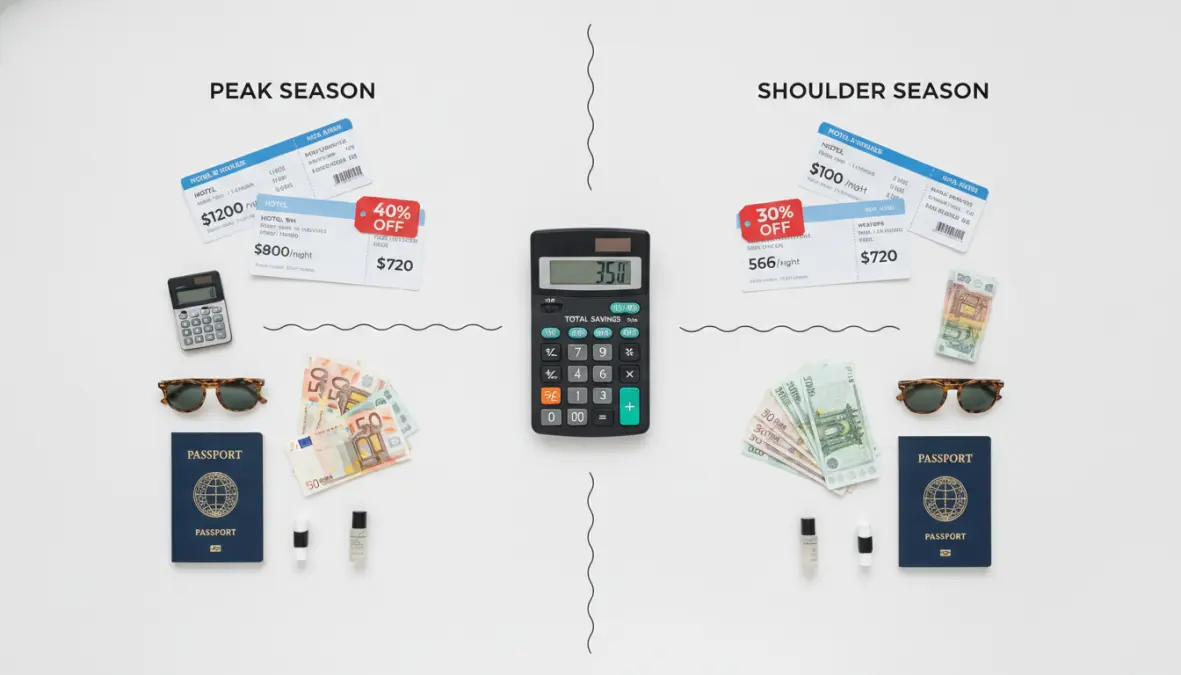
The financial benefits alone make shoulder season travel worth considering. Flights can cost 20-50% less, hotels slash rates by similar margins, and you’ll find off-peak pricing on everything from rental cars to restaurant meals. A week in Santorini that might cost €2,500 in July could run just €1,400 in May—same island, same blue-domed churches, half the tourists and expense. If you’re curious about getting there affordably, check out our guide on Athens to Santorini travel options.
The downsides? Some attractions may operate on reduced hours, and weather can be less predictable. You might encounter the occasional rainy day or need to pack layers, but these minor inconveniences pale compared to the benefits.
Best Shoulder Season Destinations and When to Visit Them
Choosing best shoulder season destinations requires understanding the shoulder season months by destination. Let’s break this down by region so you can plan your seasonal travel planning strategically.
Europe shines during spring (April-May) and fall (September-October). Greece becomes magical when September arrives—crystal-clear waters, pleasant 25°C temperatures, and crowd-free destinations compared to the August madness. Italy’s Tuscany region in September offers harvest season charm without the summer swelter. Portugal’s Algarve Coast hits its stride in May, with warm beach weather and manageable tourist numbers. For budget-conscious travelers, our complete Algarve guide has you covered.
Asia presents diverse shoulder season windows. Japan’s cherry blossom season (late March-April) technically qualifies as peak, but November offers stunning autumn foliage with fewer visitors. Thailand’s shoulder months (November-December and February-March) dodge both monsoon season and peak winter crowds, with temperatures hovering around 28-30°C.
The Americas offer excellent shoulder season opportunities. The Caribbean becomes remarkably affordable in late April-May and November—outside hurricane season but before winter snowbirds arrive. Mexico’s coastal destinations (Cancún, Playa del Carmen) see ideal conditions April-May and September-November.
Europe’s Hidden Gems in Shoulder Season
While everyone’s heard about best shoulder season destinations in Europe like Paris or Rome, the continent’s lesser-known treasures truly shine during off-peak months. The Balkans—Croatia’s Dalmatian Coast, Montenegro’s Bay of Kotor, Albania’s Riviera—offer Mediterranean beauty in May or September for a fraction of Greek island prices. Expect flights around €150-200 return and boutique hotels from €50-80 per night.
Morocco’s blue city Chefchaouen becomes a photographer’s paradise in April-May and October, with perfect 20-25°C weather and minimal crowds. Our Chefchaouen travel guide provides insider tips for visiting. Portugal’s Douro Valley and Poland’s Kraków offer cultural richness without summer tour bus invasions.
Tropical and Beach Destinations Beyond the Crowds
Timing tropical getaways requires precision to answer “what months are shoulder season for travel” for beach destinations. Southeast Asia’s islands—Bali, Phuket, Koh Samui—have micro-seasons; research specific islands since monsoons vary. Generally, November-December and February-March work well.
The Indian Ocean’s Mauritius and Seychelles offer pleasant shoulder months in May and October-November, with daytime temperatures around 26-28°C. The Maldives, while expensive year-round, sees better deals in May-June and September-October. Cape Town combines beach and culture magnificently in April-May, with our budget guide to Cape Town showing how to maximize value.

Essential Shoulder Season Travel Tips to Maximize Your Experience
Knowing how to save money traveling during shoulder season goes beyond simply picking the right dates. Your booking strategy significantly impacts your bottom line. The optimal booking windows for shoulder season typically fall 6-8 weeks before departure for flights, and 3-4 weeks for hotels—earlier than this and you’re paying a premium, later and availability shrinks.
Monitor prices using Google Flights, Skyscanner, or Hopper, setting alerts for your target routes. Tuesday and Wednesday departures often cost less than weekend flights. Sign up for airline and hotel newsletters for flash sales specifically targeting shoulder periods—properties eager to fill rooms offer aggressive discounts.
Packing for shoulder season requires versatility since shoulder season weather what to expect involves variability. Layer clothing: think lightweight base layers, a medium-weight jacket, and a packable rain shell. Our packing cubes guide explains how to organize efficiently for variable conditions. Check 10-day forecasts before departure rather than seasonal averages.
Before booking, verify attraction operating hours—many museums and tourist sites reduce hours or close certain days during shoulder season. Call ahead or check official websites. This off-peak travel guide wisdom prevents disappointment when you arrive at a closed attraction.
Flexibility equals savings. If your dates are rigid, you’re leaving money on the table. Being flexible by even 3-5 days can unlock travel discounts of 30-40%. Use fare comparison tools with flexible date calendars to identify the cheapest days within your window.
Loyalty programs and credit card points stretch further during shoulder season when award availability opens up and hotels offer status upgrades more freely. Consider travel insurance that covers weather-related disruptions—shoulder season’s unpredictability makes this worthwhile protection.
Red flags to avoid: Don’t visit Southeast Asian destinations during monsoon season thinking you’ve found a “deal”—you’ve found rain. Research local holidays (Chinese New Year, Diwali) that might create unexpected crowds. Stay aware of potential travel scams that target tourists year-round.
Frequently Asked Questions
What months are considered shoulder season?
Shoulder season varies by destination. Generally, it’s the periods just before and after peak tourist season. For Europe, this means April-May and September-October. Caribbean destinations see shoulder season in late April-May and November. Always research your specific destination as shoulder months differ based on climate and local tourism patterns.
Is shoulder season cheaper than off-season?
Shoulder season typically costs slightly more than true off-season but offers significantly better weather and attraction access. Off-season delivers rock-bottom prices but risks closed businesses, poor weather, and limited services. Shoulder season provides the best value-to-experience ratio, with savings of 20-50% compared to peak season while maintaining quality experiences.
How much can I save traveling in shoulder season?
Savings typically range from 20-50% on flights and accommodation compared to peak season. A Mediterranean vacation costing €3,000 in August might run €1,500-2,000 in May or October. Additional savings come from restaurant deals, tour discounts, and reduced car rental rates. The exact amount depends on destination popularity and how close to peak season you travel.
Are all attractions open during shoulder season?
Most major attractions remain open during shoulder season, though some may operate on reduced hours or close one additional day weekly. Smaller, seasonal attractions might close, particularly in beach destinations or mountain resorts. Always verify operating hours before booking. Major museums, landmarks, and restaurants typically maintain operations year-round with only minor adjustments.
When should I book shoulder season travel for best prices?
Book flights 6-8 weeks before departure and hotels 3-4 weeks out for optimal shoulder season pricing. Booking too early means paying peak-season rates; waiting too long risks limited availability. Set price alerts, remain flexible with dates, and jump on deals when they appear. Tuesday-Thursday bookings often yield better rates than weekends.
What’s the difference between shoulder season and low season?
Shoulder season sits between peak and low season, offering good weather with fewer crowds. Low season represents the least desirable time to visit due to poor weather, limited services, or cultural off-periods. Shoulder season maintains most peak-season advantages while delivering significant savings. Low season prioritizes cost over experience; shoulder season balances both effectively.
The beauty of shoulder season travel lies in its sweet spot positioning—you’re not sacrificing experience for savings or overpaying for marginally better conditions. Whether you’re exploring Europe’s hidden corners, lounging on tropical beaches, or discovering cultural treasures, timing your trip during shoulder months transforms travel from expensive and crowded to affordable and authentic. Start planning your next adventure with shoulder season in mind, and you’ll wonder why you ever traveled any other way. The world’s most incredible destinations await, minus the chaos and expense—you just need to know when to show up.