Raja Ampat Diving: Complete Guide to Indonesia’s Remote Underwater Paradise
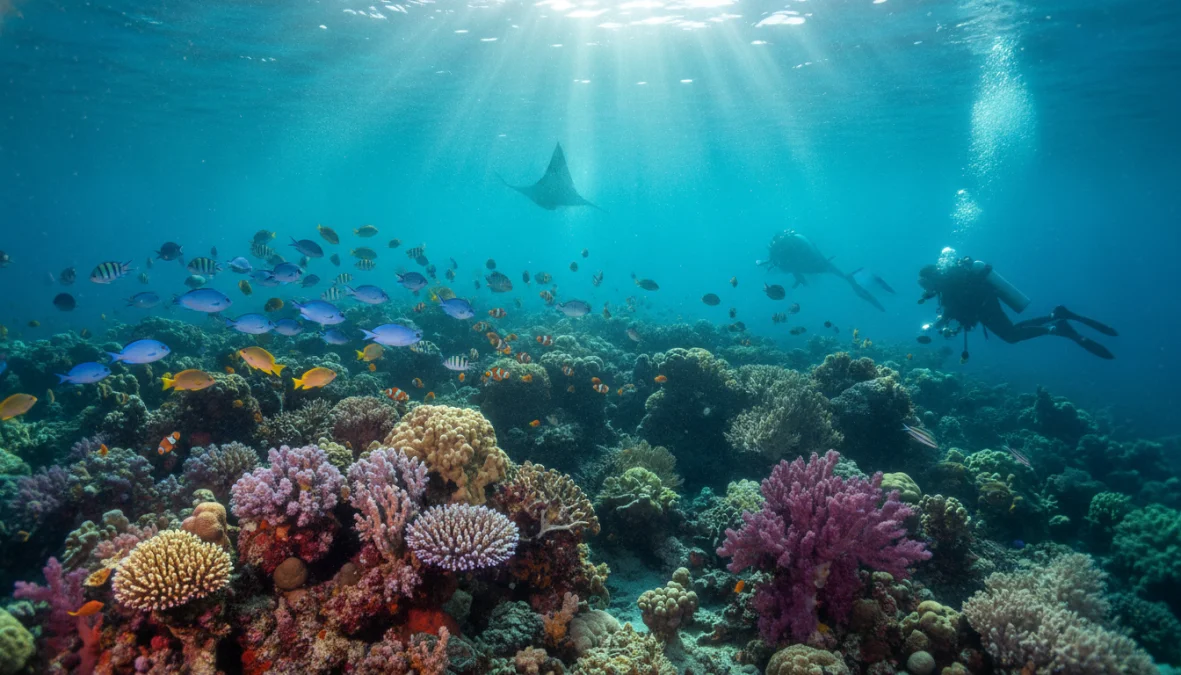
Picture this: you’re floating weightlessly above a kaleidoscope of coral gardens so vibrant they seem almost artificial, surrounded by schools of fish so dense they block out the sun. Welcome to raja ampat diving, where Indonesia’s most remote archipelago delivers underwater experiences that consistently leave even seasoned divers speechless. Tucked away in West Papua, this collection of over 1,500 small islands has earned its reputation as the planet’s ultimate diving destination—and once you slip beneath the surface, you’ll understand exactly why.
Why Raja Ampat Is the World’s Premier Diving Destination
The numbers alone tell a compelling story. Raja ampat underwater ecosystems host an astounding 75% of all known coral species on Earth—that’s over 600 different varieties creating an underwater tapestry that scientists compare to rainforest biodiversity. Add to that more than 1,600 species of reef fish, and you’re looking at a concentration of marine life unmatched anywhere else on the planet.
But what makes diving in west papua truly extraordinary isn’t just quantity—it’s the pristine condition. Positioned at the heart of the Coral Triangle, Raja Ampat benefits from nutrient-rich currents that sweep between the Pacific and Indian Oceans, creating a marine superhighway that supports everything from tiny nudibranchs to cruising reef sharks. The region’s status as a marine protected area means these waters have remained largely untouched by destructive fishing practices, preserving what many marine biologists consider the last great reef wilderness.
The remoteness that once kept Raja Ampat off diving maps now serves as its greatest asset. With limited tourist infrastructure and strict conservation policies enforced by local communities, this biodiversity hotspot continues to regenerate and thrive. During my conversations with marine researchers working here, they’ve described Raja Ampat as a “living laboratory” where coral recruitment rates and fish populations exceed anywhere else they’ve studied. The waters surrounding Misool Island alone have shown a 250% increase in fish biomass since protective measures were implemented.
Best Dive Sites Raja Ampat: Where to Experience the Magic
With hundreds of documented dive sites across the archipelago, choosing where to dive can feel overwhelming. Here’s where you’ll find the most unforgettable diving raja ampat indonesia experiences:
Cape Kri holds the world record for the most fish species observed in a single dive—374 species counted during a 90-minute survey. This sloping reef in Sorido Bay delivers consistent action with massive schools of trevally, barracuda, and fusiliers swirling in the current. Intermediate to advanced divers will appreciate the occasionally strong currents that bring in the big pelagics.
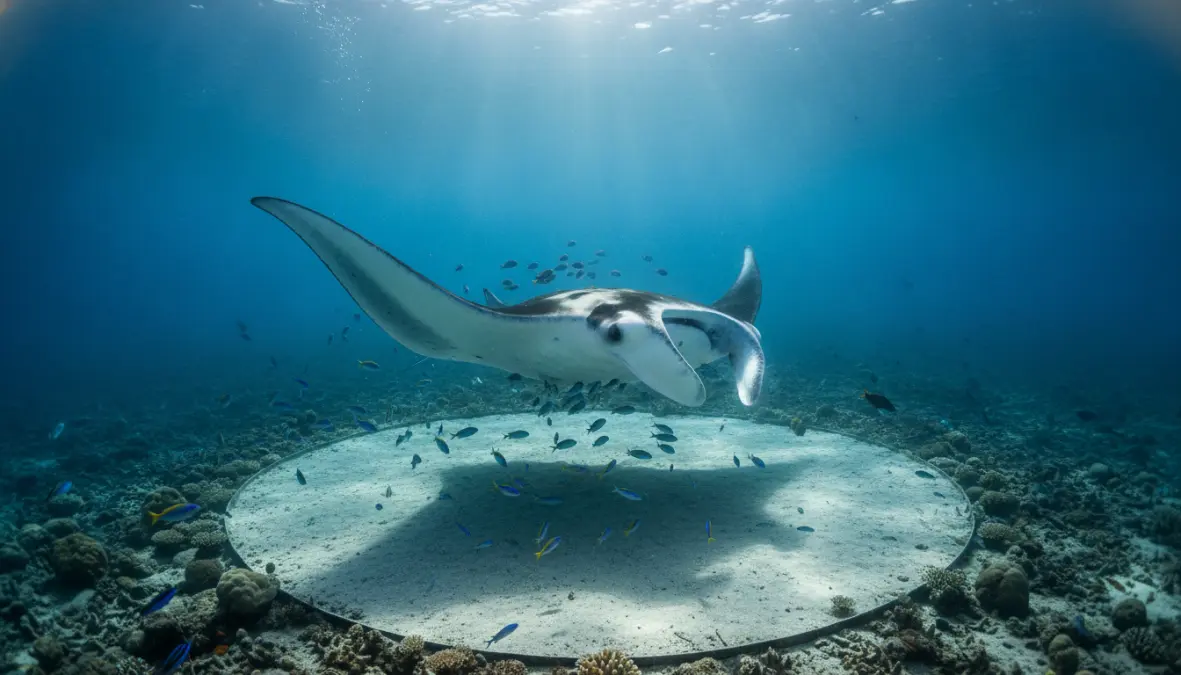
Manta Sandy is exactly what it sounds like—a sandy-bottomed cleaning station where manta rays come to be serviced by smaller fish. Between October and April, you might encounter a dozen mantas gracefully swooping overhead in a ballet that never gets old, no matter how many dives you log here. The site sits in relatively shallow water (5-20 meters), making it accessible even for beginner diving raja ampat enthusiasts with proper guidance.
Blue Magic lives up to its name when conditions align. This submerged seamount attracts pelagic species like tuna, giant trevally, and occasionally manta rays and sharks. The currents here can be demanding, so this is strictly for experienced divers comfortable in drift diving scenarios. Visibility often exceeds 30 meters, creating those “blue water” moments that underwater photographers dream about.
Boo Windows offers a completely different experience—a maze of swim-throughs, caverns, and rock formations where light filters through natural windows in the reef structure. Soft corals drape the walls in psychedelic colors, and if you bring a torch, you’ll discover endemic species hiding in crevices. This is technical diving territory requiring good buoyancy control.
Melissa’s Garden near the Wayag Islands caters to macro enthusiasts. The reef here hosts pygmy seahorses, ghost pipefish, and nudibranchs in every imaginable color combination. It’s proof that Raja Ampat excels at both the epic and the intimate.
When to Dive Raja Ampat: Seasons and Conditions
The best time to dive raja ampat runs from October through April, when the northwest monsoon brings calmer seas and better visibility to most regions. During this window, water temperatures hover around 27-30°C (81-86°F), and visibility typically ranges from 15-40 meters depending on location and recent weather.
Raja ampat diving season does continue year-round, but conditions vary by region. The southern areas around Misool tend to be more diveable during the May-September period when northern sites experience rougher conditions. Manta season peaks from December to March at popular cleaning stations, though sightings occur throughout the year. Understanding when to dive raja ampat for specific species or sites can significantly enhance your experience—discussing your wishlist with operators helps them time your trip perfectly.
Planning Your Raja Ampat Diving Trip: Liveaboards vs Resorts
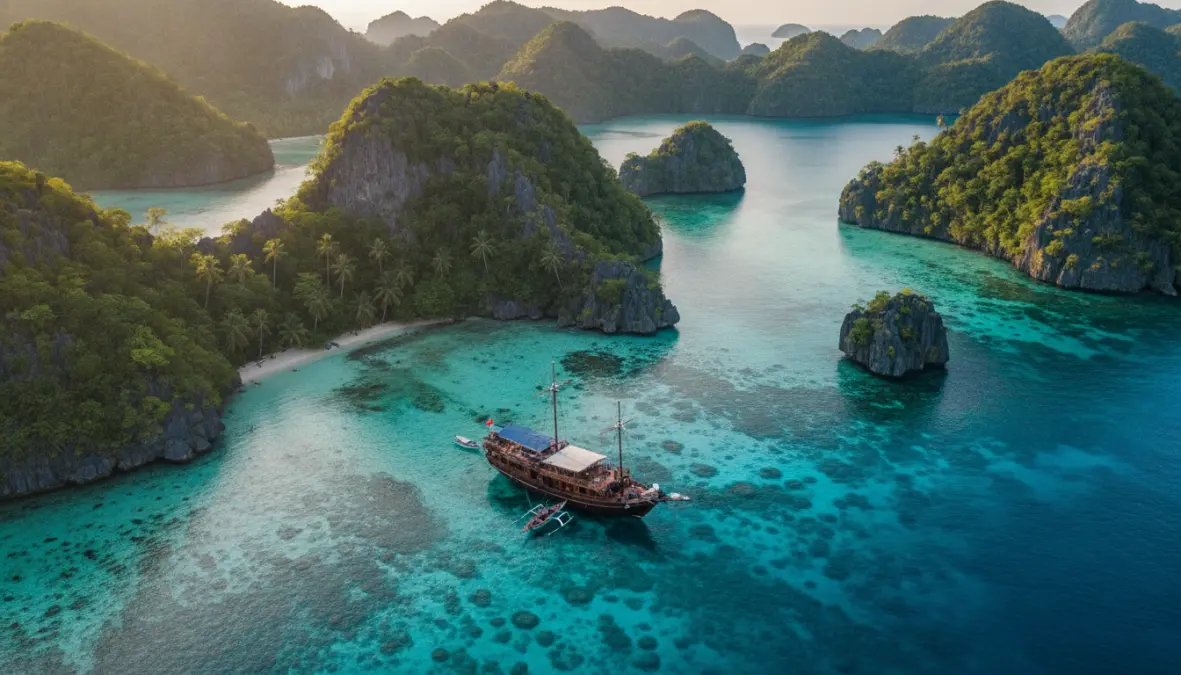
Choosing between a raja ampat liveaboard and land-based raja ampat dive resorts fundamentally shapes your experience. Liveaboards offer unparalleled flexibility, accessing remote sites that day boats simply can’t reach. You’ll maximize bottom time with 3-4 dives daily, including night dives in pristine locations. For serious divers wanting to cover maximum territory, liveaboards deliver the best value—liveaboard diving trips raja ampat typically cost $250-500 per day all-inclusive, covering accommodation, meals, and unlimited diving.
Raja ampat diving packages all inclusive at resorts run $300-600+ per day but offer stability, spacious accommodations, and options for non-divers. Resorts work well for families, photographers wanting a stable platform for editing, or those who prefer sleeping in a stationary bed. The cost of diving in raja ampat adds up regardless of your choice, but resorts allow you to mix diving with other activities like kayaking through the famous Wayag lagoons or island hopping.
How to get to raja ampat for diving requires flying to Sorong via Jakarta or Makassar, then taking a ferry or speedboat to your resort or joining your liveaboard. Budget an extra day on each end for connections—this remoteness is part of the charm but requires planning. You’ll need a Raja Ampat entry permit (around $100) and marine park tag (roughly $20).
While advanced certifications open more sites, beginner diving raja ampat is absolutely possible. Many sites like Manta Sandy, Arborek Jetty, and parts of Friwen Wall suit newer divers. An Advanced Open Water certification and 30+ logged dives will give you access to perhaps 80% of sites. For those seeking a raja ampat diving budget guide, expect a minimum of $2,500-3,500 for a week including flights, accommodation, diving, and permits—this isn’t a budget destination, but the experience justifies the investment. Similar to planning other bucket-list adventures like those covered in our Cape Town budget guide, thorough research helps maximize value.
What to Pack and Expect Underwater
A 3mm wetsuit handles the warm water while providing protection from stinging hydroids and jellyfish. Bring a dive computer, surface marker buoy, and reef hook for current-heavy sites. Underwater photographers should pack wide-angle lenses for reef scenes and macro setups for the incredible small stuff. A torch proves invaluable for cavern dives and bringing out colors at depth.
Expect variable conditions—some dives unfold in washing-machine currents that test your skills, while others feel like floating through an aquarium. Visibility swings from endless blue to plankton-rich green depending on tides and location. This nutrient density is precisely what feeds the ecosystem, so embrace it. Just as travelers need to prepare properly with the right gear (our packing cubes guide helps with organization), bringing appropriate dive equipment ensures comfort throughout your trip.
Respect for the marine environment isn’t optional here—it’s expected. No touching coral, no feeding fish, and maintaining excellent buoyancy control protects this fragile ecosystem for future generations. The local communities have made tremendous sacrifices to preserve these waters; the least we can do is dive responsibly.
FAQ: Raja Ampat Diving Questions Answered
Is Raja Ampat good for beginner divers?
Yes, with caveats. Many sites suit newer divers, but you should be comfortable in open water and have solid buoyancy control. Some currents and deeper sites require advanced certification. Consider booking a resort with dive guides who can match sites to your experience level rather than a liveaboard that visits challenging locations.
How much does diving in Raja Ampat cost?
Budget $250-500 per day for liveaboards (all-inclusive) or $300-600+ daily for resorts plus diving. Add international flights ($500-1,500 depending on origin), domestic flights to Sorong ($200-400), permits ($120), and gear rental if needed ($30-50 daily). A week-long trip typically runs $2,500-5,000+ total.
Do I need a diving certification?
Absolutely. Open Water certification is the minimum, but Advanced Open Water significantly expands your site options. Dive operators require proof of certification and logged dives. If you’re not certified, some resorts offer courses, though learning to dive in Raja Ampat is like learning to drive on a Formula 1 track—exciting but perhaps not ideal.
What marine life will I see?
Everything from pygmy seahorses smaller than your fingernail to manta rays with wingspans exceeding 4 meters. Expect countless reef fish species, sharks (mostly reef sharks and wobbegongs), turtles, diverse rays, and if you’re lucky, dugongs or whale sharks. The macro life—nudibranchs, shrimp, crabs—is equally spectacular.
How do I get to Raja Ampat?
Fly internationally to Jakarta or Bali, then domestic to Sorong in West Papua. From Sorong’s port, ferries run to Waisai (2 hours) or arrange speedboat transfers directly to your resort (1-4 hours depending on location). Liveaboards typically depart from Sorong harbor. Similar to planning routes covered in our Athens to Santorini guide, timing connections carefully prevents missed transfers.
Is it worth the journey?
If diving matters to you, Raja Ampat isn’t just worth it—it’s essential. This is bucket-list diving that changes your baseline for what healthy reefs should look like. The remoteness, cost, and travel time filter out casual tourists, meaning you’ll share these waters with people who genuinely appreciate what they’re experiencing. It’s as transformative as exploring Morocco’s blue city or other world-class destinations—just underwater.
Raja Ampat delivers diving so spectacular that it redefines your expectations. Whether you choose a liveaboard adventure or resort-based exploration, you’re investing in memories that last a lifetime. Start planning now, book well in advance, and prepare for the underwater journey of your life in Indonesia’s remote paradise.