
Cuba Travel Guide: Essential Tips on Currency, Internet, and Transportation for Independent Travelers

Planning a trip to Cuba? You’re in for an adventure unlike anywhere else. This Caribbean island offers vintage charm, vibrant culture, and stunning beaches, but traveling here independently requires some preparation. Unlike most destinations, Cuba operates differently when it comes to money, internet access, and getting around. This cuba travel guide breaks down the practical essentials you need to know about currency, staying connected, and transportation so you can explore the island with confidence and avoid common pitfalls that catch many first-time visitors off guard.
Understanding Cuba’s Dual Currency System and Money Management
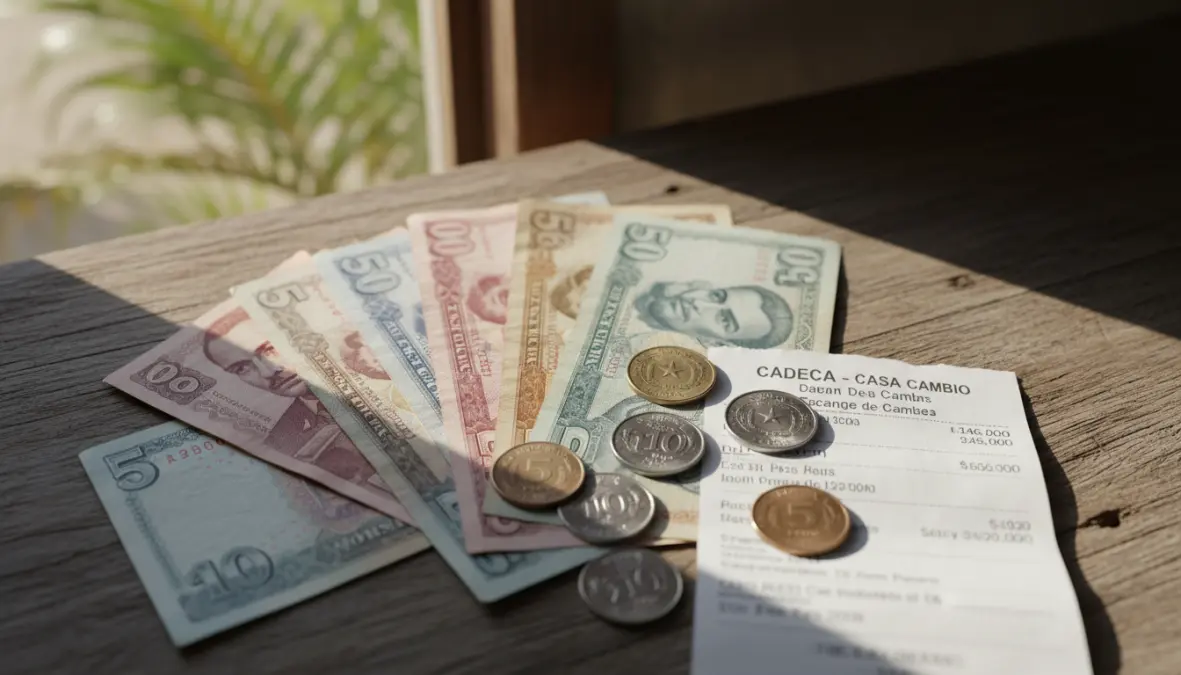
Navigating Cuba’s currency system is one of the biggest challenges for independent travelers. The country uses the Cuban Peso (CUP), the local currency, and increasingly accepts foreign currencies like euros and Canadian dollars. The previous tourist currency (CUC) was eliminated, but many transactions now happen in MLC (Moneda Libremente Convertible), a virtual currency used in special stores.
Here’s what matters for your cuba travel guide planning: bring cash in euros, Canadian dollars, or British pounds. US dollars work but come with a 10% penalty fee. You’ll exchange money at CADECA exchange houses, banks, or the airport. Airport rates are typically worse, so only change enough for your first day or two, then head to CADECA offices in cities like Havana or Trinidad for better rates.
ATMs and credit cards present challenges. While ATMs exist in major cities, they frequently run out of cash or reject foreign cards, especially those issued by US banks due to ongoing restrictions. European and Canadian cards have better success rates, but never rely solely on ATMs. Credit cards face similar limitations and aren’t widely accepted outside hotels and some restaurants.
How much cash should you bring? Budget travelers should plan on $50-70 USD daily, while those seeking more comfort need $100-150. Bring enough physical cash for your entire trip plus an emergency buffer. Store it safely in multiple locations, and count your money carefully when exchanging as errors happen. Keep smaller bills for street food, local transport, and tips, as vendors often lack change for large denominations.
Staying Connected: Internet and Mobile Data in Cuba
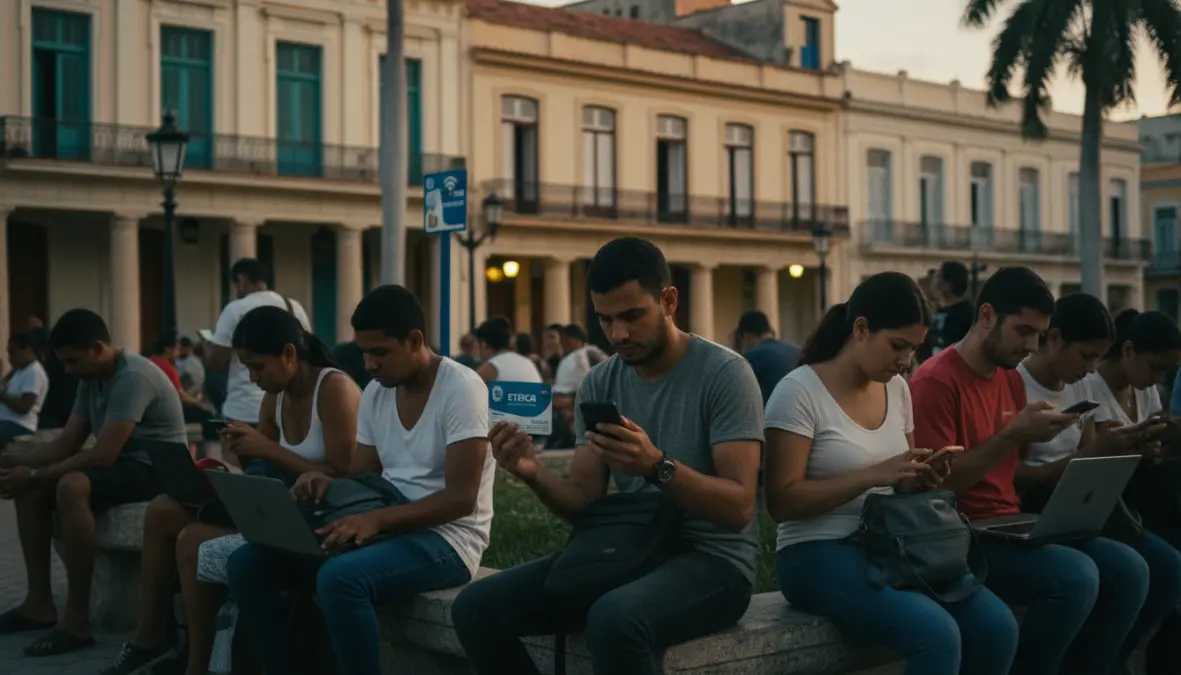
Internet access in Cuba differs dramatically from what most travelers expect. The state-run telecom company ETECSA controls connectivity through Nauta cards, scratch-off cards that provide temporary WiFi access. You’ll find these cards sold at ETECSA offices, some hotels, and occasionally by street vendors (though purchasing from unofficial sellers means paying marked-up prices).
Nauta cards cost approximately 1 CUC per hour of internet time. You’ll need to create a Nauta account, then connect to designated WiFi hotspots in parks and public plazas. The Nauta app helps manage your account and connection time. In Havana, popular WiFi zones include Parque Central, the Malecón waterfront, and Plaza de Armas. Trinidad’s main square also offers reliable connectivity during evening hours when locals and travelers gather.
Mobile data options have improved somewhat. Some travelers successfully use international roaming, though costs run high. eSIM options from providers like Airalo now offer Cuba coverage, providing a modern alternative to traditional Nauta cards, though availability and speeds vary. Download essential apps, maps (Google Maps works offline), and translation tools before arriving. Consider using a VPN if accessing sensitive information, though connections may be too slow for reliable VPN performance.
Set realistic expectations: internet speeds remain slow by international standards, video streaming is nearly impossible, and connections drop frequently. Plan your connectivity needs strategically, checking messages and uploading photos during designated WiFi sessions rather than expecting constant connectivity like you might when traveling full-time as a digital nomad in more connected destinations.
Getting Around Cuba: Transportation Options for Independent Travelers
Transportation across Cuba requires patience and flexibility, but independent travelers have several options once you understand how each system works.
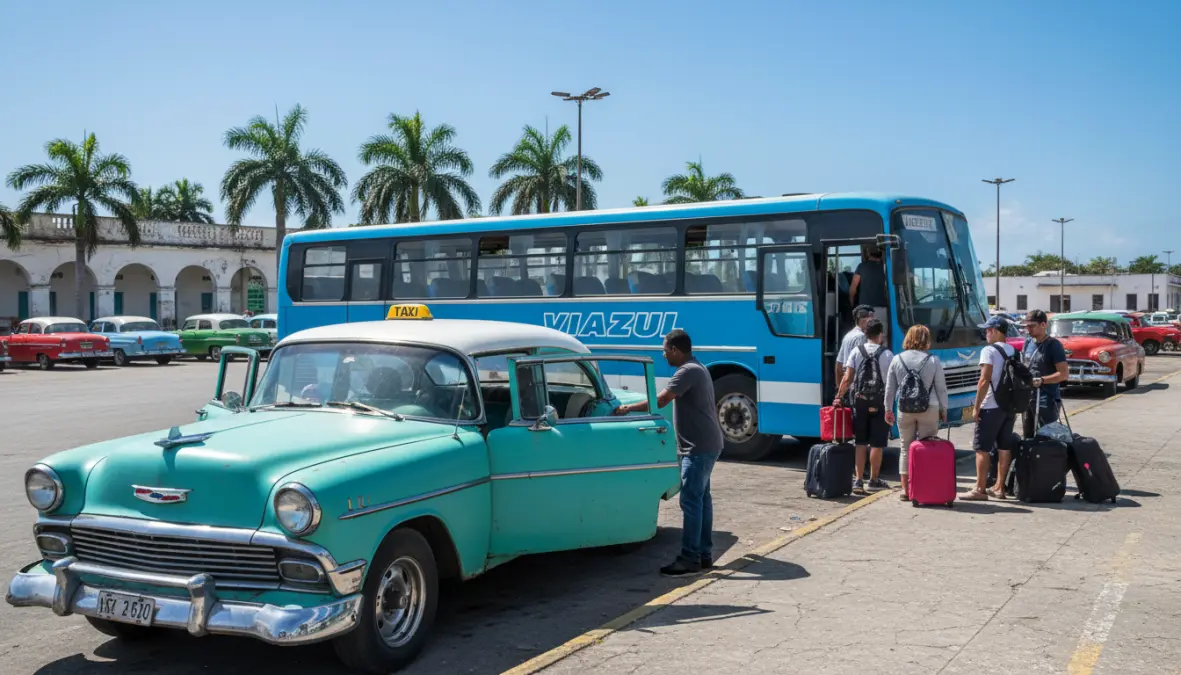
Viazul buses represent the most reliable option for long-distance travel between major tourist destinations. These air-conditioned coaches connect Havana, Viñales, Trinidad, Santa Clara, and Santiago de Cuba on set schedules. Book tickets online through the official Viazul website at least a few days in advance during peak season, or purchase at bus stations. Prices remain reasonable (Havana to Trinidad costs around $25), and buses are generally punctual and comfortable.
Colectivos (shared taxis) offer a faster, more flexible alternative. These shared cars leave when full and cost slightly more than buses but save significant time. You’ll find them at bus stations or through casa particular hosts. Negotiate prices beforehand, expect to pay $25-35 per person for popular routes, and verify whether the price is per person or per car to avoid confusion.
Private taxis work well for shorter distances or custom itineraries. Agree on prices before departing, and expect to pay $50-80 for day trips or intercity transfers. Your accommodation hosts can arrange reliable drivers.
Renting a car provides ultimate freedom but comes with challenges. You’ll need an international driving permit, valid license, and full insurance. Fuel availability fluctuates, with occasional shortages requiring strategic planning. Roads vary from decent highways to pothole-riddled rural routes. Navigation can be tricky without reliable GPS, so downloading offline maps is essential. Rental costs run $50-100 daily depending on vehicle and season.
Within cities, almendrones (classic American cars operating as shared taxis), coco-taxis (yellow three-wheeled vehicles), and bicitaxis handle short trips. Urban almendrones follow set routes for minimal fares (under $1), while private bicitaxis require negotiation. Walking remains the best way to explore compact colonial centers in Trinidad and Havana.
For extended journeys similar to planning multi-leg transportation elsewhere, domestic flights connect Havana with Santiago and other distant cities, saving time but costing significantly more than ground transportation.
FAQ: Cuba Travel Essentials
Can I use US dollars in Cuba?
Technically yes, but you’ll face a 10% penalty fee when exchanging USD. Euros, Canadian dollars, or British pounds are smarter choices. Always bring physical cash as cards from US banks typically don’t work in Cuba.
Do I need a VPN in Cuba?
While not legally required, a VPN adds security when accessing sensitive information on public WiFi. However, Cuba’s slow internet speeds often make VPNs impractical. Download necessary information before arriving rather than relying on protected browsing.
Is it safe to drive in Cuba?
Generally yes, though road conditions vary significantly. Watch for potholes, poorly marked roads, pedestrians, cyclists, and animal-drawn carts. Fuel shortages occasionally occur, so fill up when you can. Defensive driving is essential, especially at night when lighting is poor.
How much cash should I bring to Cuba?
Plan on $50-70 daily for budget travel or $100-150 for moderate comfort. Multiply by your trip length and add 20% emergency buffer. Bring everything in cash since ATMs are unreliable and credit cards rarely work for US residents.
Can I book transportation in advance?
Viazul buses can be booked online in advance, which is recommended during high season. For colectivos and private taxis, your casa particular hosts can arrange transportation, often more reliably than trying to book independently online.
Cuba rewards prepared, flexible travelers who embrace its unique challenges. Understanding the currency system, adjusting connectivity expectations, and knowing your transportation options transforms potential frustrations into manageable logistics. Much like sustainable travel requires mindfulness and adaptation, traveling independently in Cuba means stepping outside your comfort zone and discovering a destination that operates by its own fascinating rules. Pack your patience along with your cash, download those offline maps, and get ready for an unforgettable Caribbean adventure.