Trans-Siberian Railway Guide: Everything You Need for the Moscow to Vladivostok Journey
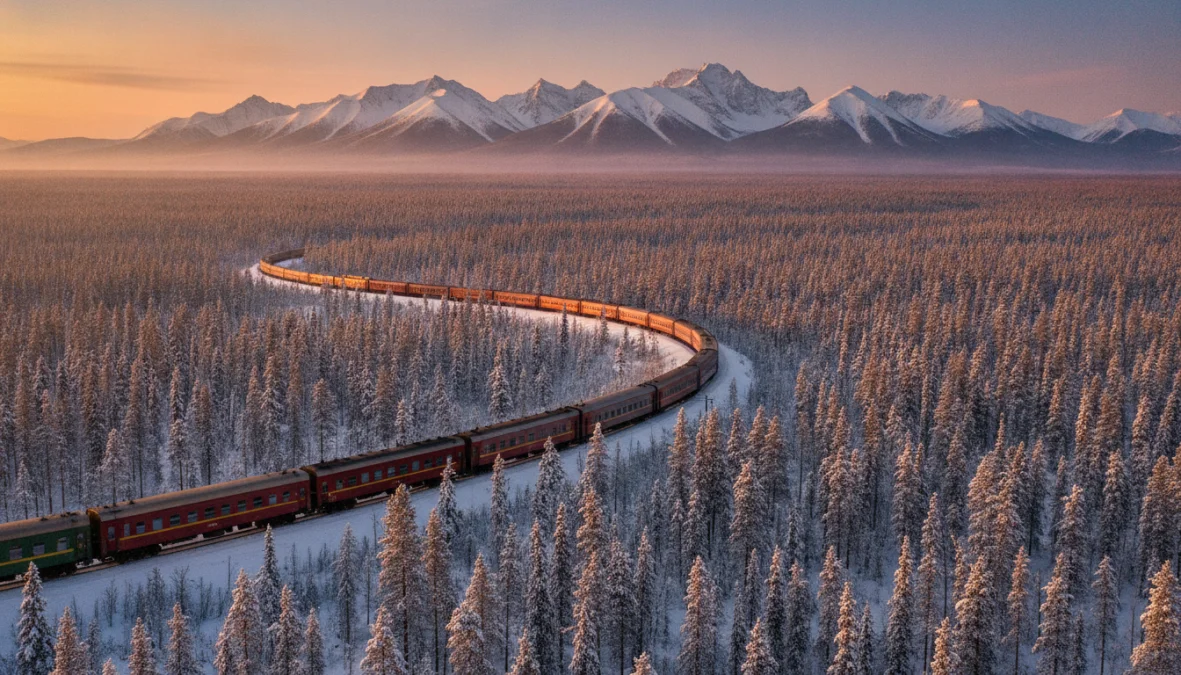
Picture this: seven days crossing the world’s largest country, watching endless Siberian forests blur past your window, sipping tea from a traditional samovar, and waking up in a different time zone each morning. The Trans-Siberian Railway isn’t just a train ride—it’s arguably the world’s greatest rail adventure. This trans siberian railway guide will walk you through everything you need to know to tackle the legendary Moscow to Vladivostok train journey, from booking tickets to deciding which stops deserve your time.
Planning Your Trans-Siberian Railway Journey: Routes, Schedules & Maps
Before diving into your trans siberian railway guide, let’s clear up a common confusion: there are actually three main routes often lumped together under the Trans-Siberian umbrella. The classic trans siberian railway route runs from Moscow to Vladivostok—9,289 kilometers of pure adventure. Then there’s the Trans-Mongolian, which branches off at Ulan-Ude toward Beijing via Mongolia, and the Trans-Manchurian, which takes a different path through northeastern China.
The iconic moscow to vladivostok train journey takes approximately 6-7 days non-stop, though most travelers extend this to 2-3 weeks with strategic stopovers. Trains run daily from Moscow’s Yaroslavsky Station, and the trans siberian railway schedule operates on Moscow time regardless of which of Russia’s eleven time zones you’re actually in—a quirk that takes some getting used to!
The best time to travel trans siberian railway depends on what you want to experience. Summer (June-August) offers warm weather and endless daylight, perfect for photographing the siberian landscape, but expect higher prices and crowded compartments. Winter (December-February) transforms the journey into a snowy wonderland—Lake Baikal freezes solid, creating otherworldly ice formations—but temperatures can plummet to -30°C. Spring and autumn offer sweet-spot pricing and moderate crowds.
A trans siberian railway map reveals the sheer scale of this journey: you’ll cross the Ural Mountains (the Europe-Asia divide), skirt the southern edge of Siberia, and pass through landscapes ranging from birch forests to vast steppes. Understanding the route helps you plan which stops matter most to you.
Tickets, Classes & Costs: Booking Your Trans-Siberian Adventure
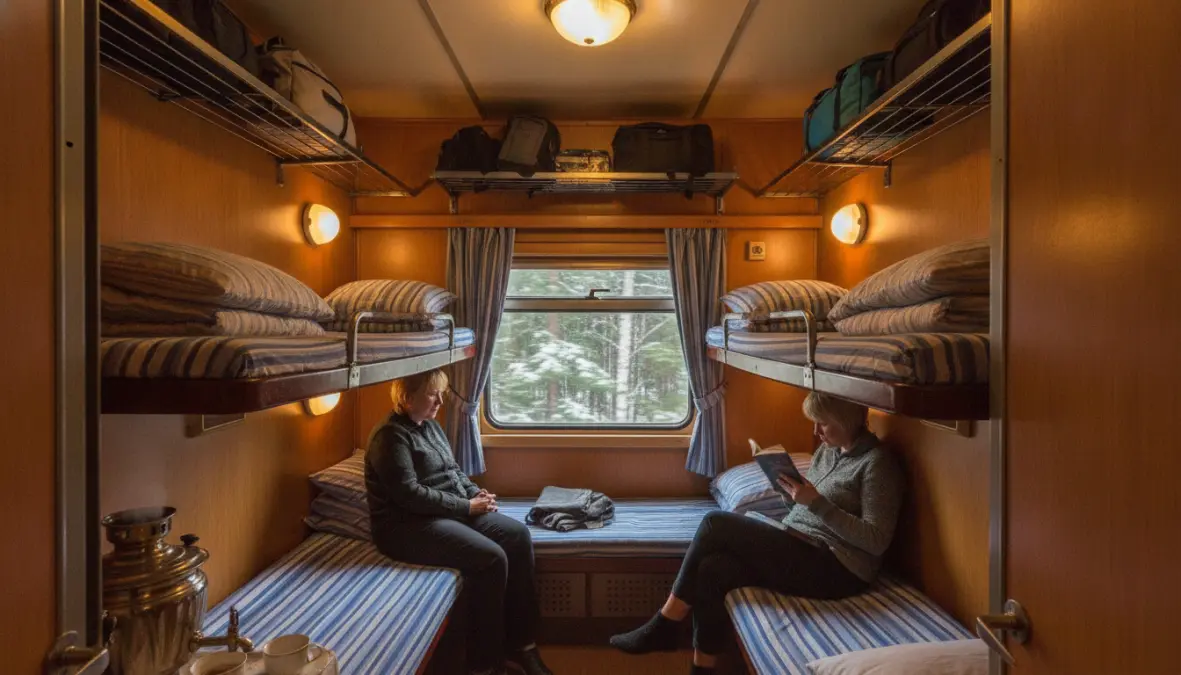
Let’s talk money. The trans siberian railway cost varies dramatically based on comfort level and booking strategy. Train compartments classes break down into three categories: First Class (spalny vagon, 2-berth compartments), Second Class (kupe, 4-berth compartments), and Third Class (platskart, open-plan 54-berth carriages). First class runs $1,200-1,800 for the full journey, second class typically costs $500-800, while third class can be as cheap as $250-350.
How much does trans siberian railway cost overall? Factor in visa fees ($150-300 for visa requirements russia), food (budget $10-15 daily if buying from station vendors), and stopover accommodation ($20-100 per night depending on location). A two-week trip typically runs $1,500-3,000 for independent travelers, while luxury options like the golden eagle train can exceed $15,000.
For trans siberian railway tickets, you have options. Booking directly through russian railways (RZD) offers the cheapest prices but requires patience navigating their Cyrillic-heavy website. Specialized agencies like Real Russia or G Adventures charge 10-20% more but handle the complexity. Book 60-90 days ahead for summer travel, 30 days for shoulder season.
| Class | Berths | Privacy | Price Range |
|---|---|---|---|
| First (Spalny) | 2 | Lockable door, shower | $1,200-1,800 |
| Second (Kupe) | 4 | Lockable door | $500-800 |
| Third (Platskart) | 54 | Open carriage | $250-350 |
Pro tip: Second class offers the sweet spot between cost and comfort, plus you’ll meet fellow travelers more easily than in isolated first-class compartments. Just like planning budget-conscious adventures such as exploring Cape Town affordably, smart booking makes this epic journey accessible.
Essential Stops and What to Experience Along the Route
The trans siberian railway stops transform this from a train ride into a cultural deep-dive. Here are the can’t-miss cities for your trans siberian railway itinerary suggestions:
Yekaterinburg (1,778 km from Moscow): This yekaterinburg city straddles the Europe-Asia border and holds dark historical significance as the execution site of the Romanov family. Spend 1-2 days exploring the Church on the Blood and walking the dividing line between continents.
Irkutsk and Lake Baikal (5,185 km): The undisputed highlight. Irkutsk stopover travelers typically spend 3-5 days here, using the city as a base for lake baikal stops in nearby Listvyanka or Olkhon Island. The world’s deepest lake contains 20% of Earth’s fresh water and offers kayaking, hiking, and surreal ice trekking in winter. This natural wonder rivals other bucket-list destinations like Machu Picchu in sheer jaw-dropping beauty.
Ulan-Ude (5,642 km): Gateway to Buddhist culture in Russia, featuring the massive Lenin head monument and access to Ivolginsky Datsan monastery.
Khabarovsk (8,523 km): Often overlooked but worth a day to break up the final stretch. The riverside promenade and Amur River views provide welcome leg-stretching opportunities.
For how to plan trans siberian railway trip stopovers, book separate tickets for each leg rather than one through-ticket—this gives you flexibility to extend stays without penalty. Most stops allow you to store luggage at the station if you’re only exploring for a few hours between trains.

FAQ: Trans-Siberian Railway Questions Answered
How long is the Trans-Siberian Railway?
The complete Moscow to Vladivostok route covers 9,289 kilometers (5,772 miles). The trans siberian railway journey duration is 6 days and 2 hours non-stop, though most travelers extend this to 2-4 weeks with stopovers.
Do I need a visa?
Yes. Visa requirements russia apply to most nationalities. You’ll need a tourist visa supported by hotel vouchers or an invitation letter. Processing takes 4-6 weeks, so plan accordingly.
What to pack for Trans-Siberian Railway?
Layers are essential—compartments can be stuffy while platforms are freezing. Bring slip-on shoes for comfort, a power bank, instant coffee or tea, basic toiletries, and entertainment (books, downloads). Pack snacks but know that hot water is always available from the samovar in each carriage.
What food is available on the train?
Most trains have a restaurant car serving simple Russian dishes ($5-10 per meal), but selection is limited. Savvy travelers stock up on bread, cheese, instant noodles, and fruit at station stops where vendors sell everything from smoked fish to homemade pies.
Is it safe?
Yes, very. Petty theft is rare, especially in locked compartments. Solo female travelers report feeling comfortable, though basic precautions apply as anywhere.
Can I get off at stops?
Absolutely! Longer stops (15-30 minutes) happen multiple times daily. The conductor will tell you how long you have—just don’t miss the departure whistle!
Is there Wi-Fi?
Rarely, and unreliable when it exists. Buy a Russian SIM card before departure for occasional connectivity at major stations.
What about bathroom facilities?
Each carriage has two toilets at opposite ends. They’re basic but generally clean. Bring your own toilet paper and hand sanitizer. Toilets lock 30 minutes before and after major stations.
The Trans-Siberian Railway isn’t just transportation—it’s a moving meditation on distance, a crash course in Russian culture, and a reminder that the world is far bigger than we imagine. Whether you’re chasing the romance of slow travel (much like exploring the Amalfi Coast by public transport) or ticking off a bucket-list dream, this journey rewards those who embrace the rhythm of the rails. Book that ticket, pack your patience along with your passport, and prepare for an adventure that unfolds one kilometer at a time.