Svalbard Travel Guide: Your Complete Arctic Adventure in Spitzbergen and Longyearbyen
Imagine standing on the edge of the world, where polar bears outnumber people and the sun never sets in summer. Welcome to Svalbard, the remote Arctic archipelago that’s closer to the North Pole than to mainland Europe. This svalbard travel guide will help you navigate one of Earth’s most extraordinary destinations, from the colorful buildings of Longyearbyen to the pristine glaciers of Spitzbergen. Whether you’re chasing the midnight sun, hoping to spot arctic wildlife, or simply craving an adventure beyond the ordinary, Svalbard delivers an experience unlike anywhere else on the planet.
Planning Your Svalbard Adventure: Essential Travel Information
Getting to the svalbard archipelago requires some planning, but it’s more accessible than you might think. Regular flights operate from Oslo and Tromsø to Longyearbyen Airport, with the journey from Oslo taking about three hours. Most travelers route through Tromsø, Norway’s northern gateway, which adds a convenient stopover opportunity in this charming arctic norway travel hub.
The best time to visit svalbard depends on what you want to experience, but svalbard summer (June through August) is peak season for good reason. During these months, the midnight sun never dips below the horizon, creating 24 hours of daylight perfect for extended exploration. Temperatures hover between 3-8°C (37-46°F), surprisingly mild for the Arctic but still requiring proper preparation.
One unique aspect of svalbard tourism is that the archipelago operates under a special international treaty. While Norway administers the territory, citizens from treaty nations can live and work here without a visa. However, you’ll still need a valid passport for transit through mainland Norway. Understanding smart packing strategies becomes crucial for Arctic travel.
Budget-wise, Svalbard isn’t cheap. Expect to spend €150-300 per night for accommodation, €30-50 for restaurant meals, and €100-200 for guided tours. Like planning a trip to other unique destinations such as budget-friendly Cape Town, advance booking can help manage costs.
Pack layers including thermal underwear, windproof outerwear, waterproof boots, sunglasses (the midnight sun is intense!), and sunscreen. Most importantly, understand that polar bears are a genuine concern. Outside settlements, carrying a rifle or traveling with an armed guide is mandatory—a reminder you’re truly in wild Arctic territory.
Exploring Longyearbyen: Gateway to the Arctic
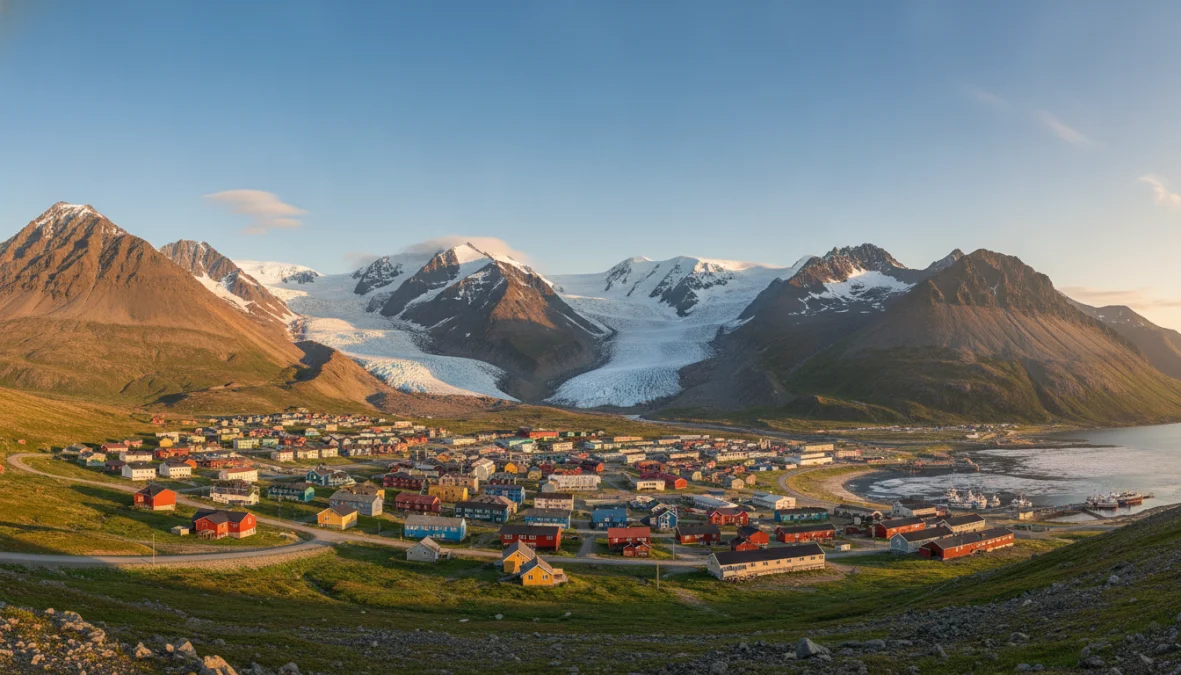
As the world’s northernmost settlement with over 1,000 residents, longyearbyen travel begins in this surprisingly vibrant town on Spitzbergen’s western coast. Colorful wooden houses contrast dramatically against barren mountains and glacial valleys, creating a landscape that’s both harsh and strangely beautiful.
The longyearbyen attractions pack impressive variety into this small community. The Svalbard Museum offers excellent context on Arctic natural history, mining heritage, and polar exploration—essential background for understanding this unique place. The Svalbard Gallery showcases stunning Arctic photography and art, while the distinctive wooden church provides a cultural landmark. The Global Seed Vault, built into the mountainside as humanity’s agricultural backup, can only be viewed from outside but remains a fascinating photo opportunity.
Don’t miss the historic mining sites that tell Longyearbyen’s industrial story. The town developed around coal extraction, and abandoned mine infrastructure creates atmospheric reminders of this heritage scattered throughout the valley.
Accommodation ranges from budget guesthouses (€100-150/night) to comfortable hotels like Radisson Blu Polar and Funken Lodge (€200-300/night). Book early for summer visits. The restaurant scene surprises visitors—Huset offers fine dining with an impressive wine cellar (remember: Svalbard is tax-free!), while Kroa provides casual pub atmosphere and Gruvelageret serves hearty Norwegian fare in a historic setting.
Walking around town is safe and straightforward, though you’ll notice signs reminding people about polar bear precautions. The compact center covers easily on foot, and you’ll quickly spot the distinctive “no shoes indoors” Arctic custom in most buildings. Local shops sell quality outdoor gear, Norwegian woolens, and unique Arctic souvenirs—though prices reflect the remote location.
Best Summer Activities and Tours in Longyearbyen
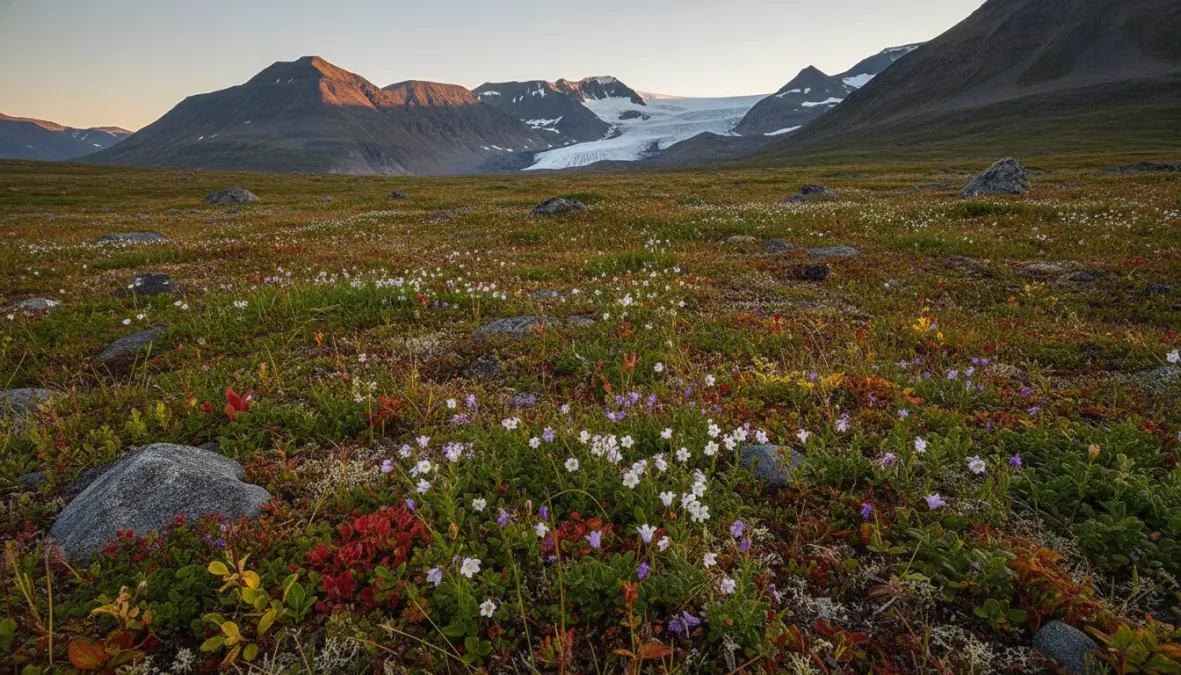
Summer transforms Longyearbyen into an adventure playground. Things to do in longyearbyen summer include guided hiking through the stunning tundra landscape, where experienced guides share Arctic ecology knowledge while watching for wildlife. Kayaking tours navigate the pristine fjords, offering intimate encounters with seals, seabirds, and spectacular coastal scenery.
Boat tours venture into Isfjorden, providing opportunities to spot walruses, Arctic foxes, and diverse seabirds in their natural habitat. Glacier hiking expeditions explore the massive ice formations that dominate Svalbard’s geography. Coal mine tours reveal the settlement’s industrial past, while dog kennel visits let you meet sled dogs during their summer “vacation.”
The svalbard summer midnight sun creates unique possibilities—midnight hikes, 3am photography sessions, and the surreal experience of continuous daylight. This natural phenomenon alone makes summer the premier season for many visitors exploring how to visit svalbard in summer.
Beyond Longyearbyen: Discovering the Svalbard Archipelago
While Longyearbyen serves as your base, the broader svalbard archipelago holds extraordinary destinations accessible through arctic expedition tours and cruises. This complete guide to spitzbergen wouldn’t be complete without exploring beyond the main settlement.
Barentsburg, a Russian mining settlement about 55km west, offers a fascinating cultural contrast. This working community maintains Soviet-era architecture, Russian cuisine, and a distinct atmosphere that feels like stepping into another world. Day trips by boat provide the easiest access.
Pyramiden, an abandoned Soviet mining town, creates an eerie time capsule frozen since 1998. Tours to this ghost town reveal preserved apartments, a cultural center, and the world’s northernmost Lenin statue—a photographer’s dream and history enthusiast’s treasure.
Ny-Ålesund, the world’s northernmost permanent settlement, functions as an international scientific research station. Access is restricted, but some tours visit this historic site where famous polar explorers like Amundsen once launched expeditions.
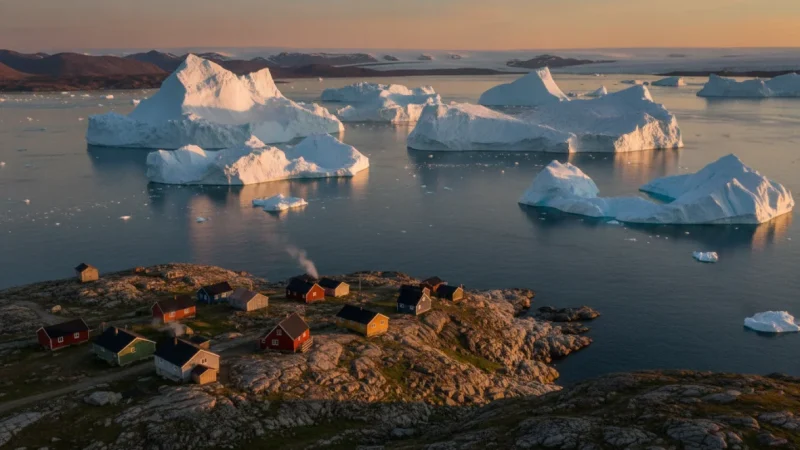
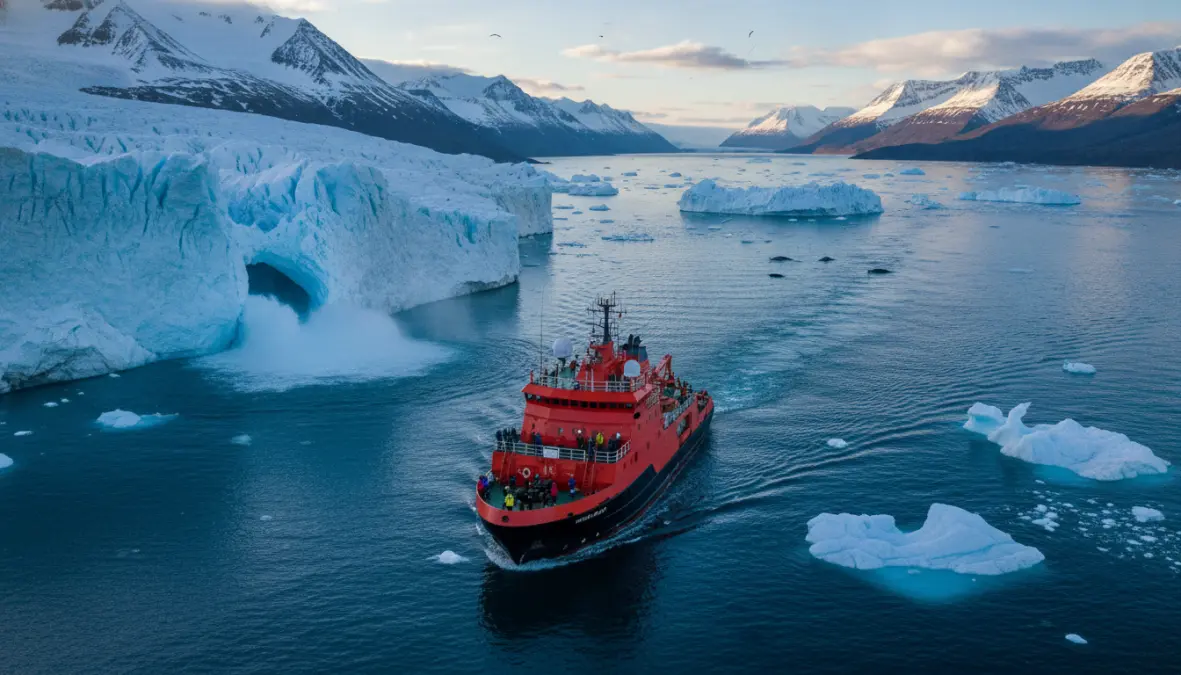
Arctic cruise expeditions around Spitzbergen range from day trips to week-long voyages exploring the archipelago’s remote corners. These journeys maximize chances of encountering arctic wildlife including polar bears, Svalbard reindeer, Arctic foxes, walruses, and countless seabirds. The dramatic glacier hiking opportunities and calving ice cliffs create unforgettable moments.
Remember that svalbard travel tips summer emphasize responsible tourism. This fragile Arctic environment deserves respect—follow Leave No Trace principles, maintain distance from wildlife, and choose operators committed to environmental protection. The pristine nature you experience depends on every visitor’s care.
Frequently Asked Questions About Svalbard Travel
Do I need a visa for Svalbard? Technically no—Svalbard operates under a special treaty allowing visa-free entry. However, you’ll transit through mainland Norway, which requires appropriate documentation depending on your nationality. A valid passport is essential.
Is it safe to travel to Svalbard in summer? Yes, with proper precautions. Polar bears are the main concern, but staying within Longyearbyen and using licensed guides for wilderness activities manages this risk effectively. Much like being aware of travel safety worldwide, following local guidelines keeps you secure.
How expensive is Svalbard? Budget €200-400 daily including accommodation, meals, and activities. While comparable to destinations like Portugal’s Algarve might seem cheaper, Svalbard’s unique Arctic experience justifies the premium.
Can I see polar bears in summer? Possibly, but not guaranteed in Longyearbyen itself. Boat tours and expedition cruises offer the best chances for safe polar bear encounters in their natural habitat.
What’s the weather like in Svalbard summer? Expect temperatures between 3-8°C with variable conditions. Pack for cold, wind, and potential rain even in July. The midnight sun provides constant daylight but doesn’t mean constant warmth.
How many days should I spend? Minimum 3-5 days allows proper exploration of Longyearbyen and at least one day trip or cruise. A week permits deeper Arctic immersion and multiple expedition experiences.
Svalbard represents travel at its most adventurous and rewarding. This remote Arctic archipelago challenges you with its extreme environment while captivating with raw beauty, unique wildlife, and genuine wilderness. Whether you’re photographing glaciers under the midnight sun, searching for polar bears from an expedition boat, or simply absorbing the otherworldly atmosphere of Earth’s far north, Svalbard delivers memories that last a lifetime. Start planning your Arctic adventure—the land of polar bears and endless summer days awaits.