Corsica GR20 Guide: Everything You Need to Know About Europe’s Toughest Trek
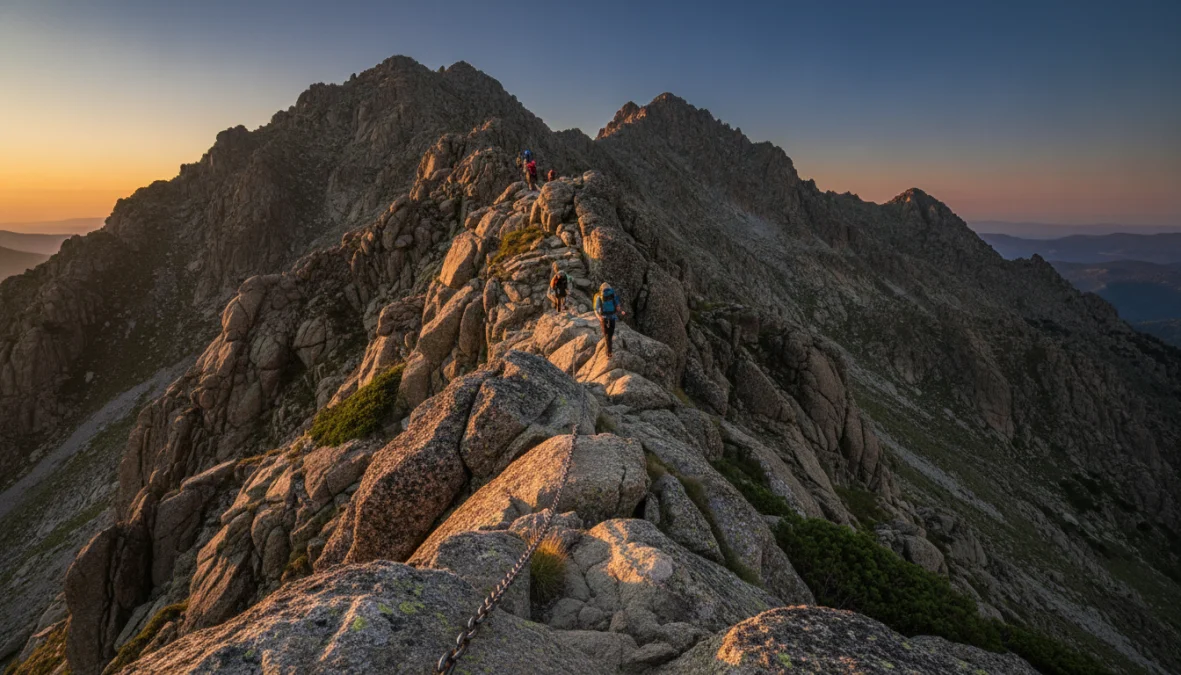
Picture this: scrambling up jagged granite peaks with chains clanging against rock, camping under star-filled Mediterranean skies, and pushing your body through some of the most dramatic mountain terrain in Europe. Welcome to the GR20, Corsica’s legendary alpine trekking route that has earned its reputation as the continent’s ultimate hiking challenge. This Corsica GR20 guide will walk you through everything you need to tackle this beast of a trail, from the notorious Cirque de la Solitude scrambles to booking those precious spots in mountain refuges.
Understanding the GR20: What Makes This Corsica Hiking Trail So Challenging
The GR20 trail guide starts with some intimidating numbers: 170 kilometers of rugged mountain terrain stretching diagonally across Corsica, divided into 16 stages, with a cumulative elevation gain exceeding 10,000 meters. But statistics don’t tell the whole story of why this Corsica hiking trail consistently ranks as Europe’s toughest trek.
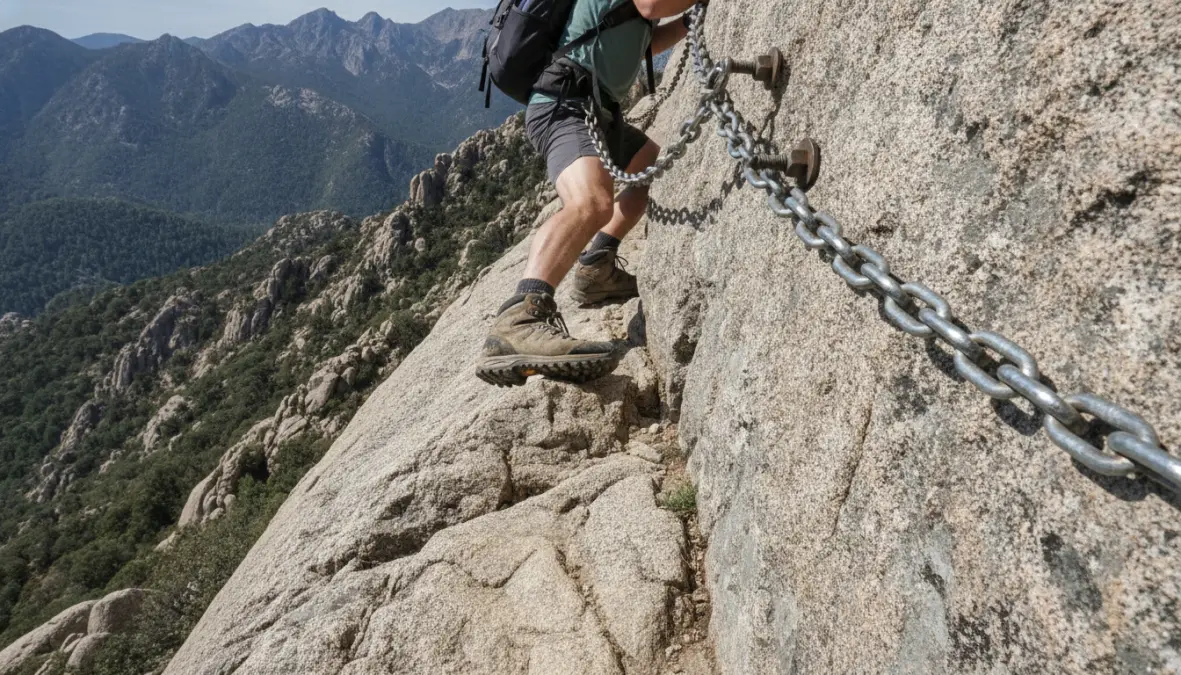
Unlike many alpine routes that follow valleys and established paths, the GR20 deliberately seeks out ridgelines and peaks, meaning you’re constantly climbing up or down. The terrain itself is brutally technical—think sharp granite boulders, exposed knife-edge ridges, scrambling sections with chains, and the infamous via ferrata segments. The northern section, particularly between Calenzana and Vizzavona, features the most challenging passages including the now-optional Cirque de la Solitude, a near-vertical descent that was partially closed after rockfalls but remains a technical scramble.
When comparing Corsica GR20 difficulty to other European treks, even experienced hikers who’ve completed the Tour du Mont Blanc often find the GR20 significantly harder. The southern section from Vizzavona to Conca offers slightly gentler terrain with highlights like the stunning Bavella Needles, but don’t mistake “easier” for “easy.” The best time to hike GR20 runs from mid-June through September, with July and August bringing crowds and heat, while June and September offer solitude but potentially lingering snow on high passes and the risk of early season refuge closures.
Planning Your GR20 Trekking Adventure: Routes, Timing, and Essential Preparation
Your first big decision: GR20 north to south or south to north? Most hikers tackle it northbound from Calenzana to Conca, frontloading the technical challenges while you’re fresh and finishing with comparatively easier terrain. The southern approach builds your confidence gradually but saves the toughest sections for when you’re already exhausted—though some argue this forces better fitness development.
Wondering how long does GR20 take? A complete GR20 itinerary 16 days follows the standard stage breakdown, though many hikers combine stages to finish in 12-14 days. Ultra-runners attempting Corsica trail running blitz through in 7-10 days or even less, but this requires serious mountain running experience and ultralight gear. For your first attempt, stick to the standard pace—this isn’t a race.
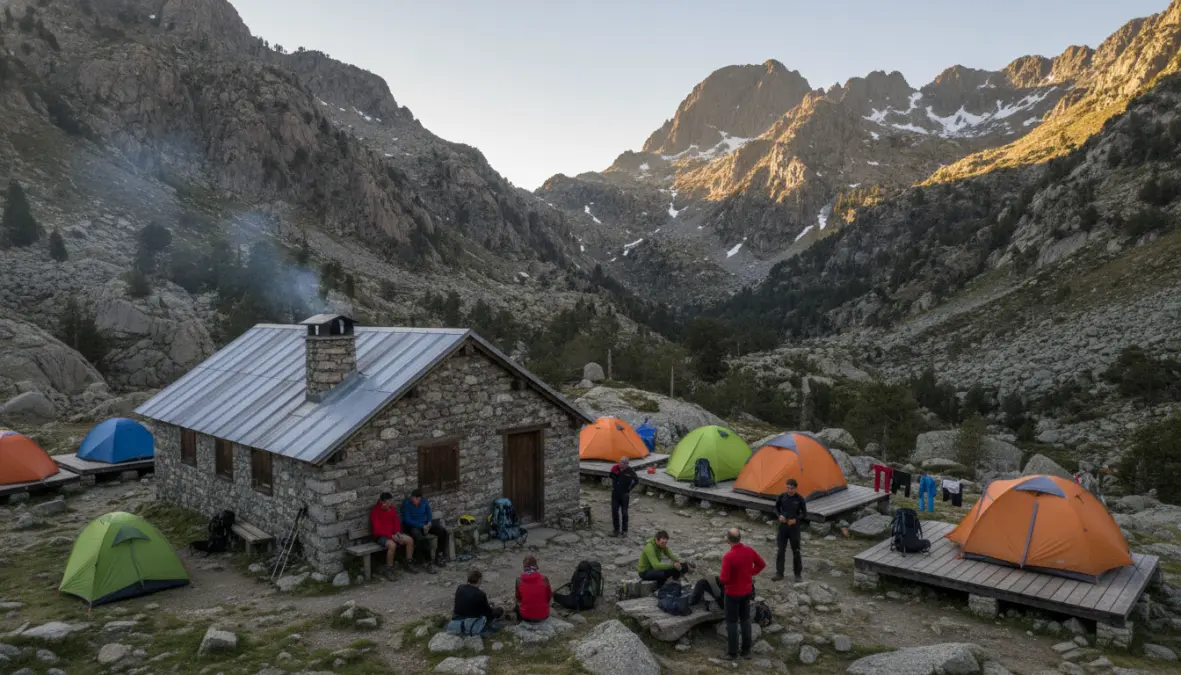
The mountain refuges (run by the Parc Naturel Régional de Corse) provide bunk beds, camping platforms, cold showers, and meals, but they book up months in advance for peak season. The GR20 refuges booking guide recommends reserving through the official PNRC website as early as January for summer slots. Bergeries (private shepherd’s huts) offer alternative accommodation with better food options. If you’re carrying a tent, you can camp near refuges for a reduced fee, giving more flexibility.
Fitness-wise, you need serious preparation. Ask yourself: is GR20 harder than Tour du Mont Blanc? Absolutely yes, for most people. Start training 4-6 months ahead with weighted pack hikes, focusing on technical descents that destroy your knees and quads. Stair climbs, trail running, and core strength training all help. If you’re asking “how to prepare for GR20 Corsica,” the answer involves both physical conditioning and mental readiness for discomfort.
Gear and Packing Essentials for the GR20
Your GR20 packing list essentials starts with bombproof footwear—sturdy hiking boots with ankle support and aggressive tread. The rocky terrain destroys lightweight trail runners unless you’re an experienced fastpacker. Trekking poles are non-negotiable for the brutal descents and wobbly boulder fields.
Pack a 40-50L backpack with a proper hip belt to transfer weight off your shoulders. Layer your clothing: moisture-wicking base layers, insulating mid-layer, waterproof shell. Weather changes rapidly in the mountains, and even summer can bring freezing temperatures at elevation. A lightweight sleeping bag rated to 5°C covers most scenarios if staying in refuges; tent campers need slightly warmer bags.
Hydration systems (bladder or bottles) should hold 2-3 liters—water sources exist but aren’t evenly spaced. Refuges sell food, but it’s expensive and limited; many hikers carry breakfast supplies, snacks, and lunch items while buying dinner at refuges. Total pack weight should stay under 10-12kg including water. Leave behind cotton clothing, heavy cameras (phone cameras suffice), and excessive “comfort” items. Every gram counts on those climbs. For more packing strategies, check out The Complete Packing Cubes Guide to organize your gear efficiently.
Budget and Logistics
Budget roughly €70-100 per day covering refuge accommodation (€15-20 camping, €40-50 for bunks), meals (€15-20 for dinner, breakfast around €8), and snacks. Getting to Corsica means flying to Bastia, Calvi, or Ajaccio, then local buses or taxis to Calenzana (north start) or Conca (south end). Return transport requires planning—shuttle services exist but book ahead.
Travel insurance with mountain rescue coverage is essential; helicopter evacuations happen regularly and cost thousands without insurance. No permits are required, but respect the park rules. Book refuges as early as possible—this cannot be overstated. After conquering the GR20, you might want to relax at Budapest’s thermal baths to soothe those aching muscles!
Frequently Asked Questions About the Corsica GR20
Can beginners do the GR20? Technically possible but not recommended. You need solid hiking experience, comfort with exposure and scrambling, and excellent fitness. If this is your first multi-day trek, build experience on easier routes first—perhaps start with something like the Patagonia trekking trails before tackling Corsica’s beast.
How difficult is the GR20 really? It’s genuinely hard—expect 8-12 hour days, hands-on scrambling, exposed sections with serious fall consequences, and cumulative fatigue that tests your mental game as much as physical strength. The Corsica GR20 difficulty isn’t exaggerated marketing; people quit regularly.
Is it safe to hike alone? Many solo hikers complete it successfully, and you’ll encounter plenty of others on trail. However, the technical terrain poses real risks—twisted ankles, falls, and weather emergencies happen. Solo hikers should have solid mountain skills and emergency protocols. Stay alert and avoid risky decisions when fatigued.
Do I need to speak French? Basic French helps enormously, especially at refuges and for navigation, but many refuge guardians speak some English. Download offline maps and translation apps as insurance.
What’s the best direction to hike? North to south frontloads difficulty, while south to north builds fitness gradually. Weather patterns slightly favor northbound (prevailing winds at your back). Choose based on your preference for tackling challenges fresh versus warmed-up.
Can you resupply food along the way? Vizzavona (halfway point) offers the main resupply with a small shop and train access to larger towns. Some refuges sell basic supplies, but selection is limited and expensive. Most hikers carry 2-4 days of food between major resupply points.
The GR20 will test you in ways few trails can match, but crossing that finish line delivers a sense of accomplishment that lasts a lifetime. Start your preparation early, respect the mountain, and embrace the challenge. This isn’t just alpine trekking—it’s a rite of passage for serious hikers. Whether you’re drawn to the knife-edge ridges near Monte Cinto or the dramatic spires of Bavella, this Corsican adventure will redefine what you think you’re capable of. Lace up those boots and get ready for the trek of a lifetime.