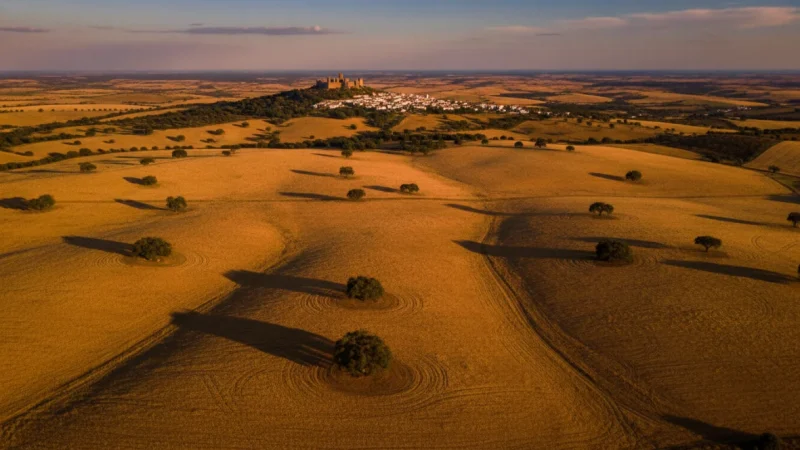
Basque Country Food Tour: The Ultimate San Sebastian Pintxos and Bilbao Culinary Guide
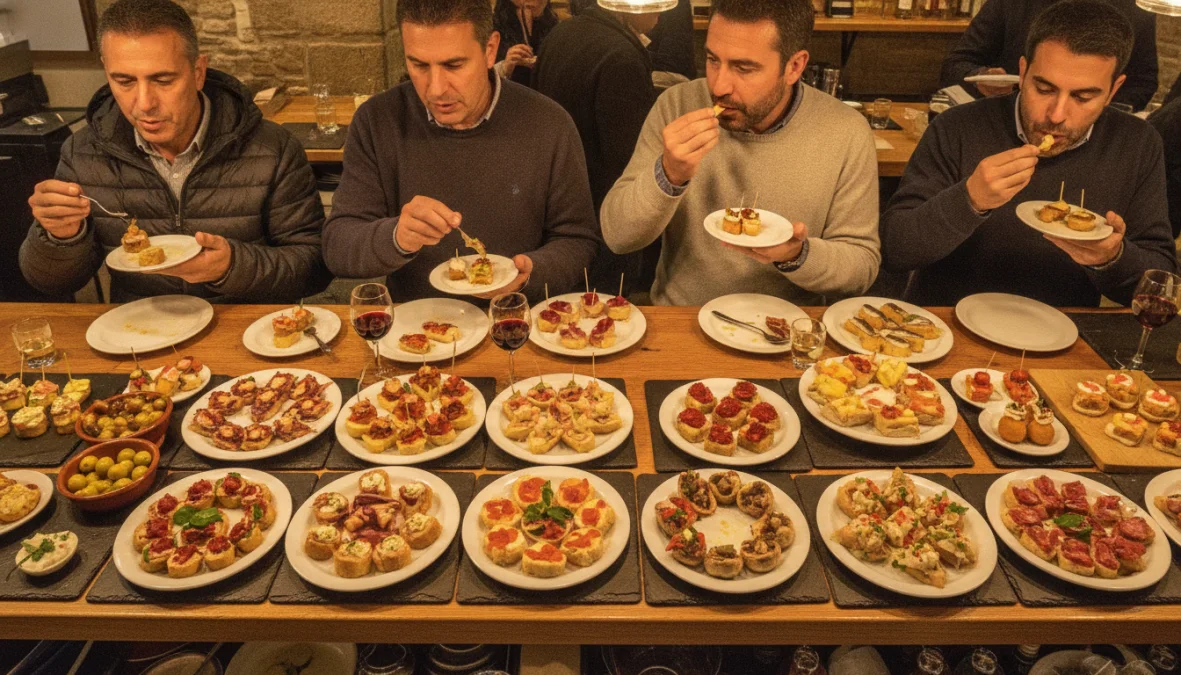
Picture this: you’re wandering through narrow cobblestone streets, the salty Atlantic breeze mixing with aromas of sizzling jamón and freshly baked bread. Every bar counter gleams with an artistic array of miniature culinary masterpieces, each pintxo more tempting than the last. Welcome to the Basque Country, where a san sebastian pintxos tour isn’t just a meal—it’s a way of life, a social ritual, and honestly, one of the most delicious experiences you’ll ever have.
San Sebastian Pintxos Tour: Navigating Donostia’s Culinary Heart
Let’s get one thing straight: pintxos aren’t tapas. While both involve small bites and bar hopping, pintxos are the Basque Country’s sophisticated cousins—often more elaborate, always more creative, and traditionally speared with a toothpick (though modern versions have evolved beyond this). A proper san sebastian food tour centers around the art of txikiteo, the local tradition of hopping from bar to bar, enjoying a pintxo or two with a small glass of wine or beer before moving on.
The heart of any san sebastian tapas crawl beats strongest in Parte Vieja, the Old Town. This compact neighborhood packs over 100 pintxos bars into just a few blocks—the highest concentration of Michelin stars per square meter anywhere on Earth, by the way. The Gros neighborhood, near Zurriola Beach, offers a slightly more modern, local vibe with equally impressive offerings.
Here’s how it works: walk into a bar, survey the counter display, order your pintxo and drink, eat standing at the bar (very local), then pay before leaving. Most places charge €3-5 per pintxo, and locals typically enjoy 1-2 items per stop. The magic happens between 1-3pm for lunch and 7:30-10pm for dinner. Budget around €30-40 per person for a satisfying donostia pintxos experience covering 4-5 bars. Pro tip: keep your toothpicks—some bars tally your bill by counting them.
Iconic Pintxos Bars You Can’t Miss
When planning the best pintxos bars in san sebastian old town, start with La Cuchara de San Telmo. This legendary spot ditches the counter display for cooked-to-order pintxos that arrive on small plates. Their solomillo (beef tenderloin) and carrillera (beef cheek) are absolutely transcendent. Expect queues, especially on weekends.
Bar Nestor represents pintxos minimalism done perfectly—their tortilla de patata (served only at 1pm and 8pm) and tomato salad have achieved cult status. Gandarias delivers classic Basque flavors with their mushroom pintxos and txuleta (steak). Txepetxa specializes exclusively in anchovies prepared 20+ different ways—sounds niche, but you’ll become a believer. La Viña is famous for their burnt Basque cheesecake, which sparked a global dessert phenomenon.
Planning Your San Sebastian Food Tour
A san sebastian pintxos tour with local guide offers insider knowledge, queue-jumping expertise, and cultural context you’d otherwise miss. Guided tours typically last 2.5-3 hours, cost €80-120 per person, and include 4-6 bars plus drinks. The upside? You’ll discover hidden gems and understand what you’re eating. The downside? Less flexibility and spontaneity.
Going solo for your basque pintxos tour means freedom to linger where you love it and skip what doesn’t appeal. Download a pintxos map, arrive hungry, and embrace getting slightly lost—some of the best basque food experience moments happen by accident. Thursday through Saturday bring the biggest crowds; Tuesday or Wednesday offer authentic local atmosphere without the tourist crush. Avoid Mondays when many places close.
Bilbao Culinary Tour: Beyond the Guggenheim
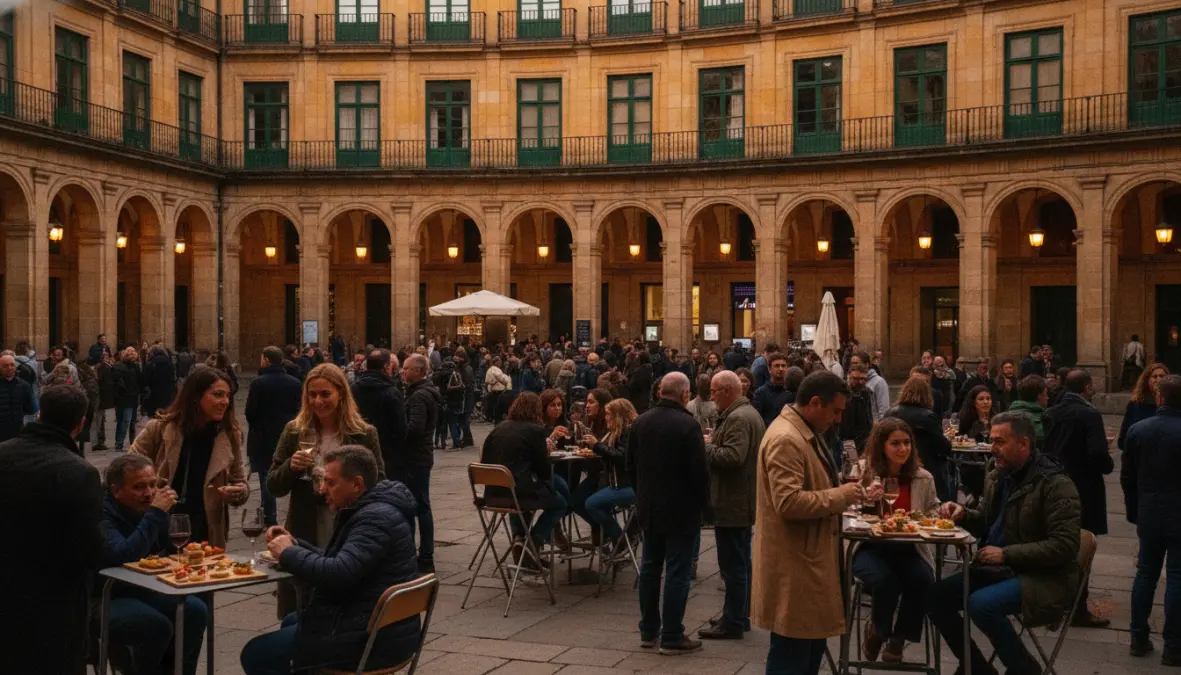
While San Sebastian gets the culinary spotlight, a bilbao culinary tour reveals a grittier, more working-class food culture that’s equally compelling. Bilbao’s pintxos scene feels less precious, portions run slightly larger, and prices drop a few euros. The Casco Viejo (Old Quarter) centers around Plaza Nueva, where traditional bars serve hearty Basque classics alongside innovative bites.
Start at Café Iruña, a belle époque treasure serving pintxos since 1903—their croquetas are legendary. Gure Toki offers creative modern pintxos that rival San Sebastian’s best. Don’t miss the Plaza Nueva area on Sunday mornings when the market transforms the square into a social hub. For serious basque country gastronomy exploration, visit Mercado de la Ribera, Europe’s largest covered market, where locals shop for the ingredients that make Basque cuisine exceptional.
Bilbao excels with traditional dishes like bacalao al pil-pil (cod in emulsified olive oil) and marmitako (tuna stew). The city’s txokos—private gastronomic societies where members cook together—aren’t typically open to tourists, but some tours arrange special access. Pair everything with txakoli, the slightly sparkling local white wine poured from height for aeration. A bilbao and san sebastian food tour itinerary combining both cities over 3-4 days delivers the complete Basque culinary picture, and like any great journey, proper planning helps you avoid common pitfalls—check out this guide to tourist traps to stay savvy while traveling.
Understanding Basque Country Gastronomy: Culture, Ingredients, and Traditions
Basque cuisine represents more than food—it’s the cornerstone of cultural identity for this fiercely independent region. The basque country gastronomy philosophy centers on exceptional ingredients prepared simply: line-caught Atlantic fish, piquillo peppers from Lodosa, bacalao (salt cod), idiazabal cheese from mountain sheep, and txistorra sausage.
The gastronomic societies (txokos) that dot the region function as culinary laboratories where members—traditionally men, though this is changing—cook elaborate meals and experiment with techniques. This culture of cooking as social glue elevated Basque cuisine to international prominence. The Nueva Cocina Vasca (Basque New Cuisine) movement of the 1970s revolutionized Spanish cooking, with chefs like Juan Mari Arzak, Martín Berasategui, and Andoni Luis Aduriz earning Michelin star restaurants that attract global food pilgrims.
Traditional basque cider house experiences (sagardotegiak) offer another essential basque food experience. During cider season (January-April), families and friends gather for multi-course meals punctuated by trips to massive barrels to catch cider streams in their glasses—a ritual called txotx. Seasonality governs everything: spring brings baby eels and wild mushrooms, summer means fresh tuna and peppers, autumn delivers game, and winter is for hearty stews and cider.
FAQ
What’s the difference between pintxos and tapas?
Pintxos are the Basque version of tapas, but generally more elaborate and creative. While tapas are often free with drinks in southern Spain, pintxos are individually priced culinary creations. The name comes from the toothpick (pincho) traditionally spearing ingredients together, though modern pintxos often transcend this format. They’re also typically eaten standing at the bar rather than seated at tables.
How much does a pintxos tour cost?
A self-guided guided pintxos walking tour san sebastian runs €30-50 per person for 4-5 bars with drinks. Professional guided tours cost €80-120 and include more stops, insider access, and cultural context. Individual pintxos range €3-6 each, with drinks adding €2-4. Budget €40-60 per person for a thorough evening including drinks.
Is it better to visit San Sebastian or Bilbao for food?
San Sebastian offers higher concentration of Michelin-starred restaurants and more refined pintxos culture, while Bilbao provides heartier, more affordable food with authentic local atmosphere. For serious foodies, San Sebastian wins, but Bilbao delivers better value and fewer tourists. Ideally, a basque country culinary tour 3 days lets you experience both cities plus a cider house visit.
Do I need to book a guided food tour?
Not necessarily. San Sebastian’s compact Parte Vieja makes self-guided exploration easy, and the adventure of discovering your own favorites is part of the fun. However, guides provide cultural context, explain what you’re eating, navigate language barriers, and access places tourists might miss. First-timers benefit most from guided tours; return visitors often prefer going solo.
What are the best pintxos for first-timers?
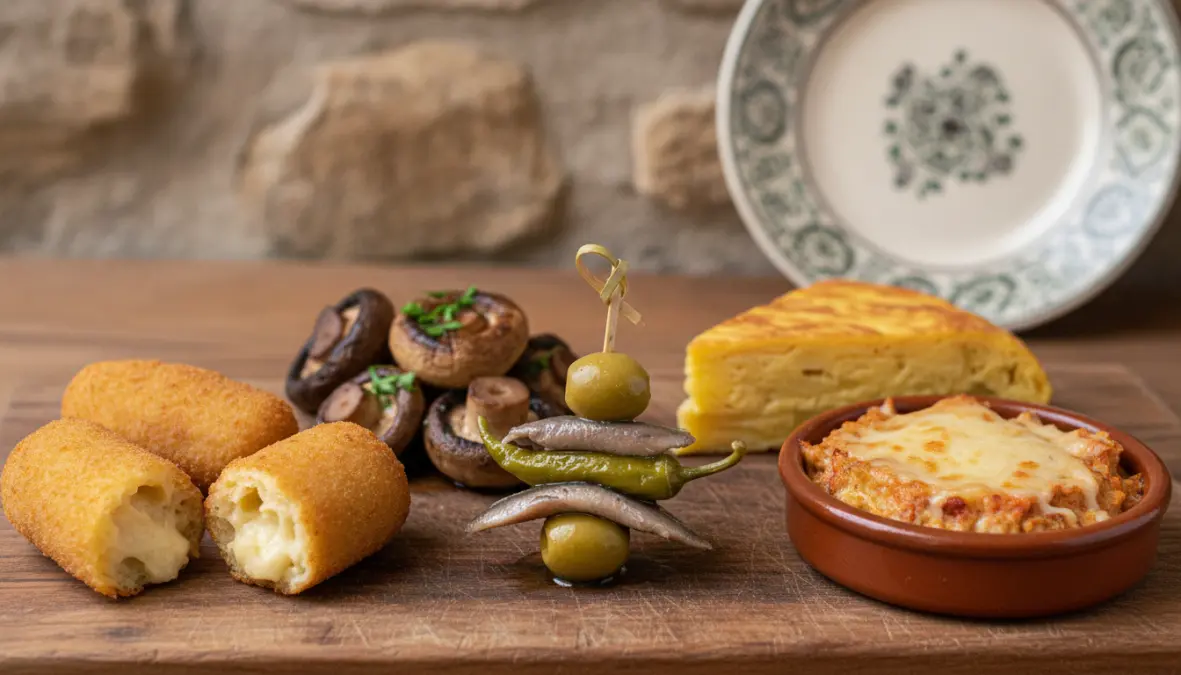
Start with accessible classics: gilda (anchovy, olive, and pepper skewer), tortilla de patata (potato omelet), croquetas (creamy croquettes), and jamón ibérico. Then venture into seafood territory with txangurro (spider crab) or bacalao (cod). If you’re searching for where to eat pintxos in parte vieja, these items appear on every quality bar’s counter and represent Basque flavors without overwhelming unfamiliar palates.
When is the best time for a Basque food tour?
Spring (April-June) and fall (September-October) offer ideal weather, fewer crowds, and excellent seasonal ingredients. Avoid August when locals vacation and some restaurants close. January-April brings cider house season—a unique cultural experience. Thursday-Saturday evenings deliver maximum atmosphere but biggest crowds. For authentic local txikiteo, visit Tuesday or Wednesday evenings when tourists thin out and regulars reclaim their bars.
The Basque Country proves that food transcends mere sustenance—it’s community, identity, art, and joy compressed into bite-sized perfection. Whether you’re methodically planning a traditional pintxos restaurants san sebastian itinerary or simply surrendering to the delicious chaos of bar hopping, you’re participating in one of Europe’s most vibrant culinary traditions. Come hungry, stay curious, and let your taste buds guide you through streets where every corner promises another revelation. And just as you’d carefully plan this gastronomic adventure, approach all your travels with the same intentionality—traveling responsibly ensures these incredible food cultures thrive for future generations to savor.