
Multi-City Flight Booking: Complete Guide to Planning Complex Itineraries

Planning a trip that takes you through multiple cities can feel overwhelming, especially when traditional flight booking tools seem designed only for simple round trips. Whether you’re organizing a European tour hitting London, Paris, and Rome, or a business trip with stops in three different continents, multi city flight booking gives you the flexibility to create exactly the itinerary you need without paying for unnecessary backtracking. The secret? Understanding how these complex bookings work and knowing which tools can actually save you money instead of costing you extra.
What Is Multi-City Flight Booking and When to Use It
A multi city flight booking allows you to book multiple destination flights as a single reservation, unlike traditional round trips that bring you back to your starting point. Think of it as creating your own custom route: New York to London, London to Paris, Paris to Barcelona, Barcelona back to New York—all on one ticket.
The two main types you’ll encounter are open jaw flight booking and multi-stop itineraries. An open jaw means you fly into one city and return from another (like flying into Rome but returning from Milan), while a multi-stop includes additional cities between your origin and final destination. A multi leg flight search helps you find these options across different booking platforms.
When does this make sense? Business travelers visiting multiple offices save time and money compared to separate round trips. Backpackers exploring Southeast Asia or Europe benefit enormously from creating a logical geographic route. Tour groups planning itineraries like a Scottish Highlands road trip combined with other UK destinations find multi-city bookings essential.
The advantages over separate tickets are substantial: you typically pay less overall, manage everything through one confirmation number, and often your checked baggage transfers automatically between flights (when using the same airline or alliance partners). Plus, if delays cause you to miss a connection, the airline has responsibility to rebook you—something they won’t do if you’ve booked separate tickets.

How to Find and Book the Best Multi-City Flight Deals
Finding multi city flight deals requires different strategies than simple round trips, but the right approach can save you hundreds of dollars on complex itinerary booking.
Best Tools and Platforms for Multi-City Searches
Not all booking platforms handle multi-city searches equally well. Google Flights offers an excellent multi stop flight planner with an intuitive interface—just click “multi-city” instead of “round trip” and add your destinations. It excels at showing you calendar views with flexible date search options to identify the cheapest travel days.
Skyscanner provides robust filtering for layover options and displays creative routing alternatives you might not consider. Kayak’s “Hacker Fares” feature sometimes combines one-way tickets from different airlines to create cheaper multi-city routes, though you’ll book these as separate reservations.
For truly complex itineraries or round the world tickets, Matrix ITA Software (powered by Google) gives you incredible control over routing rules, airline alliances, and specific aircraft types, though you can’t book directly through it. Kiwi.com specializes in mixing budget carriers with traditional airlines, creating multi-city routes that other platforms miss entirely.
When researching how to book multi city flights cheaply, always compare the multi-city price against booking each segment separately. Sometimes individual one-way tickets actually cost less, particularly when mixing full-service carriers with budget airlines.
Strategies to Save Money on Complex Itineraries
Flexibility with dates remains your most powerful tool for finding multi city flight deals. Use the calendar view to identify cheaper days—sometimes shifting your entire trip by two days saves 30% or more on the total cost.
Flying through major hub airports typically offers better prices and more options. Building your route around hubs like Frankfurt, Dubai, Singapore, or Atlanta gives you access to more connecting flights and competitive pricing from multiple carriers.
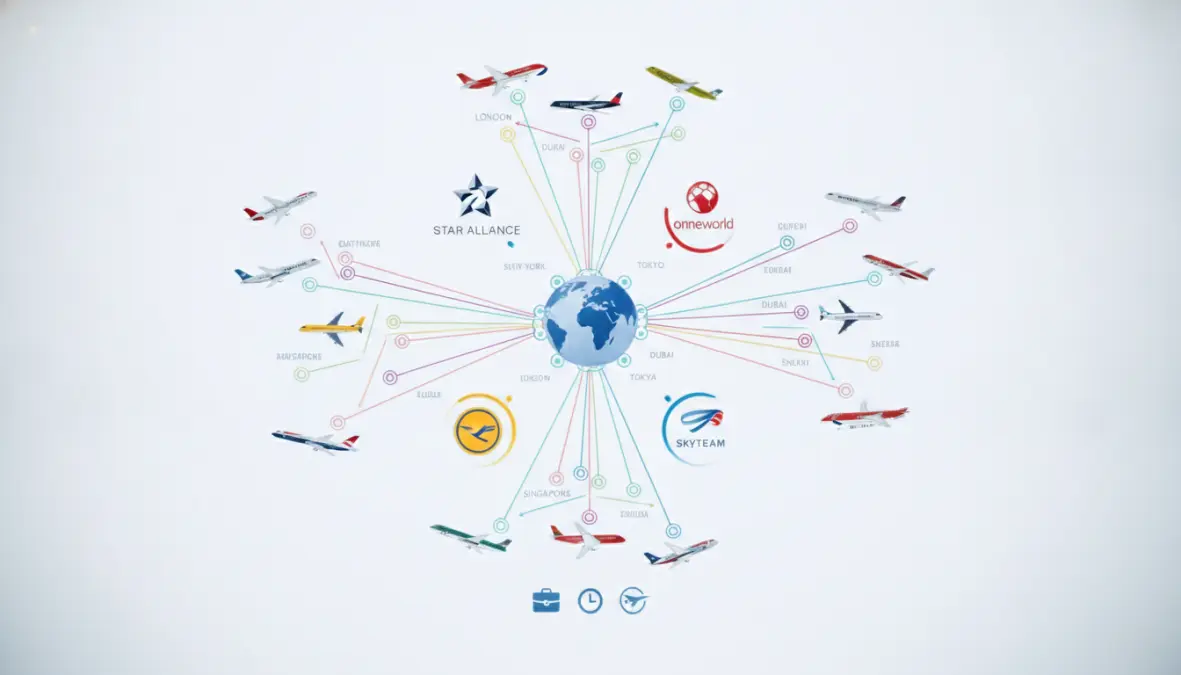
Understanding airline alliances (Star Alliance, Oneworld, SkyTeam) helps you maximize benefits while keeping everything on one ticket. Alliance partners coordinate schedules, share lounges, and transfer baggage seamlessly. You can also earn and redeem miles across the alliance, which pairs well with strategies from our travel credit card rewards guide.
Sometimes mixing and matching makes sense. For example, book your intercontinental flights as a multi-city ticket, but purchase separate budget carrier tickets for intra-European or intra-Asian segments. A Ryanair flight from Paris to Barcelona might cost €20, far less than adding it to your main ticket. Just ensure you leave enough time between bookings since separate tickets mean separate responsibilities if delays occur.
Avoid geographic backtracking—flying west to east across Europe, then back west, then east again wastes money and time. Plan your route logically based on geography. Use travel route optimization by mapping your destinations and creating the most efficient path.
Common Mistakes to Avoid and Expert Tips
Even experienced travelers make costly mistakes with complex itinerary booking. The most common? Scheduling layovers that are too short between different cities. While a 90-minute connection in the same airport might work, arriving in Paris and departing for Barcelona three hours later leaves no buffer for delays and doesn’t give you any time to actually experience the city.
Visa requirements catch many travelers off guard. Each stopover destination may have different entry requirements. Double-check whether you need visas for every country, even if you’re just transiting. Some countries require transit visas for certain nationalities even without leaving the airport.
Ignoring airline alliances when booking multi-city tickets means missing out on benefits. Book within the same alliance when possible to ensure smoother connections, baggage transfers, and the ability to earn miles across all segments.
Timing matters significantly. Booking too early for multi-city routes (more than 11 months out) often means higher prices before sales launch, while booking too late (less than three weeks) eliminates most deals. The sweet spot typically falls between 2-6 months before departure, depending on your destinations.
Baggage policies between different carriers cause headaches. When your multi-city ticket includes different airlines not in the same alliance, you might need to collect and recheck bags at each stop. Always verify the baggage policy for your specific routing.
Don’t skip travel insurance on complex itineraries. With more flights comes higher risk of disruptions affecting your entire trip. Comprehensive coverage protects your investment.
Expert tips: Many airlines offer free or low-cost stopovers in their hub cities. Icelandair famously allows extended layovers in Reykjavik, while TAP Portugal offers Lisbon stopovers. Singapore Airlines, Emirates, and Turkish Airlines have similar programs—essentially giving you an extra destination for free.
Maximize frequent flyer programs by crediting all segments to one program within the alliance. Sometimes a multi-city round the world ticket booked through an alliance awards massive miles.
When you encounter technical difficulties or need particularly complex routing, contact airlines directly. Their agents often access unpublished routes and can manually build itineraries that online systems can’t create. For inspiration on multi-city European itineraries, check out destinations like Budapest, Portugal’s Algarve Coast, or Morocco’s Chefchaouen.
Frequently Asked Questions
Is multi-city booking cheaper than booking one-way flights separately?
It depends on your specific route and dates. Multi-city bookings often cost less because airlines price them as complete itineraries rather than individual segments. However, mixing budget carriers with positioning flights sometimes beats the multi-city price. Always compare both options using fare comparison tools.
How many stops can I add to a multi-city flight booking?
Most booking platforms allow 4-6 stops on standard multi-city bookings. For more complex itineraries exceeding six destinations, you’ll need to book round the world tickets or contact airlines directly. Some specialized travel agents handle ultra-complex routings with 10+ stops.
Can I change one leg of my multi-city booking without affecting the others?
This depends entirely on your ticket’s fare rules. Some flexible fares allow individual segment changes, while basic economy tickets typically require canceling the entire booking. Always review the change policy before purchasing, especially for complex itineraries.
Do I need to collect my baggage between cities on a multi-city ticket?
When all flights are on the same ticket with the same airline or alliance partners, your baggage typically transfers automatically to your final destination. If your ticket mixes airlines from different alliances or includes a separate booking, you’ll usually need to collect and recheck bags. Confirm this when booking.
What’s the difference between a multi-city ticket and a round the world ticket?
Multi-city tickets connect specific cities you choose in any order. Round the world tickets are special alliance-based fares that let you circle the globe with specific rules (must cross both the Atlantic and Pacific, travel in one general direction, etc.). RTW tickets typically cost $3,000-$10,000 and include 3-16 stops.
Can I use different airlines for each segment of my multi-city booking?
Yes, many multi-city bookings include multiple carriers, especially when booked through alliances. The flight itinerary planner will show you mixed-carrier options. Just verify baggage policies and connection times when mixing airlines to ensure smooth transfers.
Multi-city flight booking opens up travel possibilities that simple round trips can’t match. Whether you’re planning a grand European tour, optimizing business travel across continents, or creating that dream backpacking route through Asia, understanding these tools and strategies helps you design the perfect itinerary while keeping costs under control. Start with your must-visit destinations, map them geographically, and let the booking platforms show you creative routing options you might never have considered. Your next adventure is just a few clicks away—and it doesn’t have to break the bank.