Slow Travel Guide: How to Experience Destinations More Deeply and Meaningfully
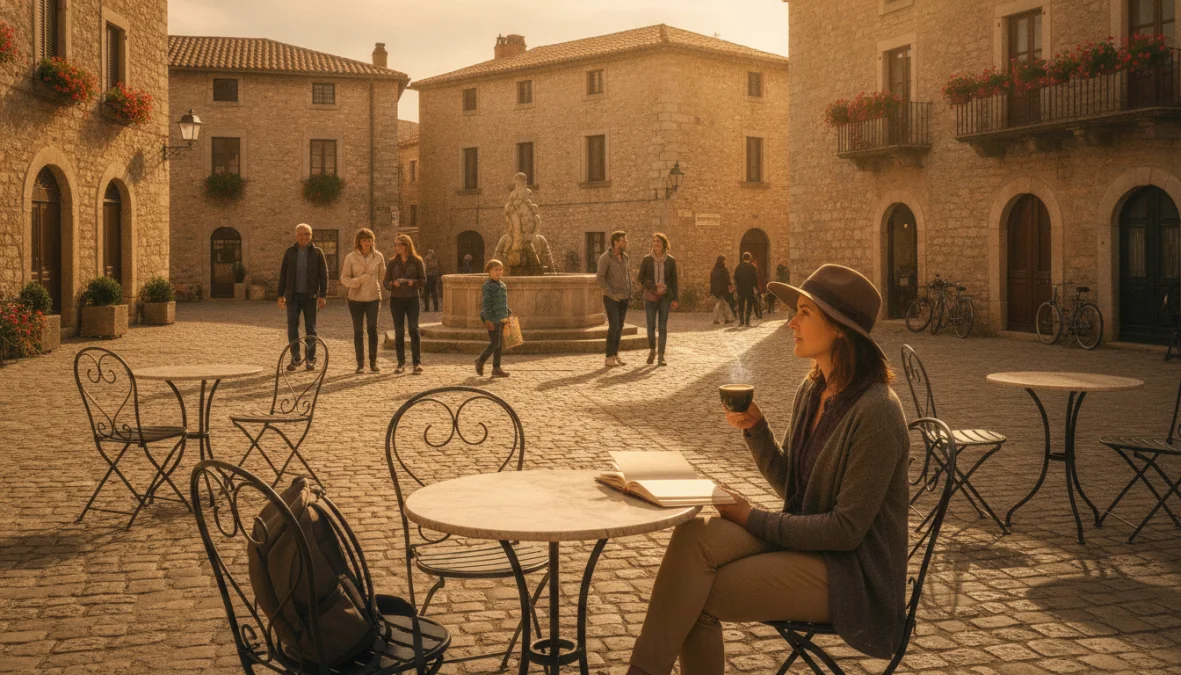
Picture this: you’re sitting at a café in a cobblestoned square, sipping coffee that tastes nothing like what you get back home. The barista knows your name by now. You’ve stopped counting the days until you leave because you’re actually living here, not just passing through. This is what a slow travel guide aims to unlock—not a checklist of attractions, but a genuine connection with the places you visit and the people who call them home.
What Is Slow Travel and Why It Matters
The slow travel movement emerged as a reaction to the breakneck pace of modern tourism, where travelers cram ten cities into seven days and return home more exhausted than when they left. This approach prioritizes depth over breadth, encouraging you to spend extended periods in fewer destinations to truly understand their rhythm, culture, and soul.
Unlike traditional tourism that focuses on ticking off landmarks, meaningful travel through a slow travel approach emphasizes immersion. You’re not just seeing the Eiffel Tower—you’re learning why Parisians take two-hour lunch breaks and what that says about their values. Studies show that 76% of travelers report feeling burned out after whirlwind trips, experiencing what researchers call “vacation fatigue.” Slow travel combats this by reducing stress and creating space for authentic connections.
The benefits extend beyond personal wellbeing. When you stay longer in one place, you’re more likely to support local businesses, eat at neighborhood restaurants instead of tourist traps, and contribute to the community economy in sustainable ways. Your environmental footprint shrinks too—fewer flights, less transportation, reduced resource consumption. It’s travel that feels good on every level.
Core Principles of the Slow Travel Philosophy
At its heart, slow travel rests on four pillars: choosing quality over quantity (one week in a village beats one day in ten cities), cultural immersion (learning local customs, language, and traditions), sustainability (minimizing environmental impact and supporting local economies), and mindfulness (being present rather than constantly documenting for social media). These principles transform travel from consumption to connection, from seeing to understanding.
How to Practice Slow Travel: Practical Strategies for Deep Destination Experiences
Ready to put this slow travel guide into practice? Start with destination selection. Instead of capital cities during peak season, consider smaller towns or regions that don’t make the typical tourist circuit. Places like Chefchaouen in Morocco or Portugal’s Algarve Coast offer authentic experiences without overwhelming crowds.
Duration matters enormously. Aim for a minimum of one week per location—two weeks is even better. This gives you time to move past the tourist veneer and discover the hidden bakery locals actually frequent, or find the hiking trail that doesn’t appear in guidebooks.
Your accommodation choice shapes your entire experience. Skip cookie-cutter hotels for local rentals, agriturismos, or homestays where you can interact with residents. Choose sustainable transportation: trains over flights when possible, bicycles over taxis, walking whenever feasible.
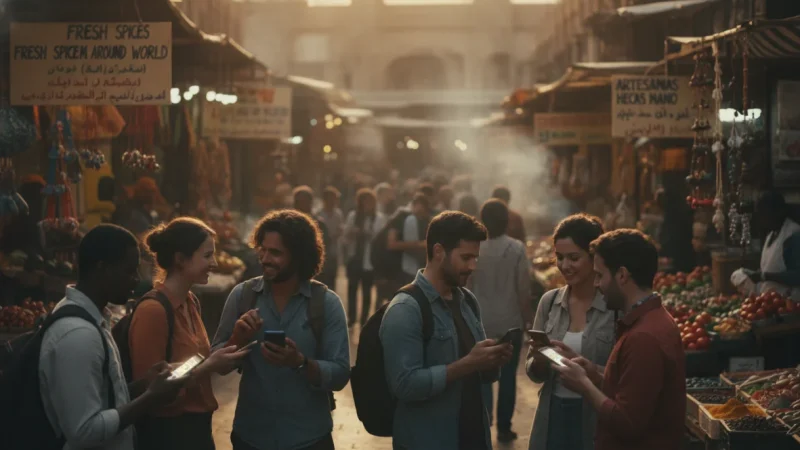
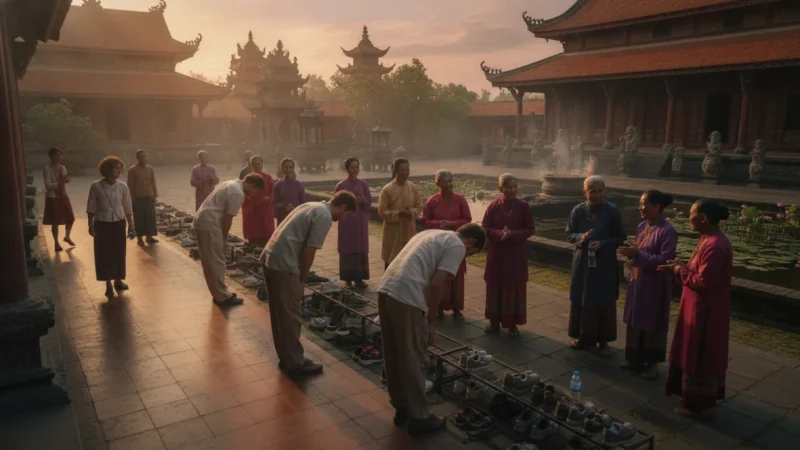
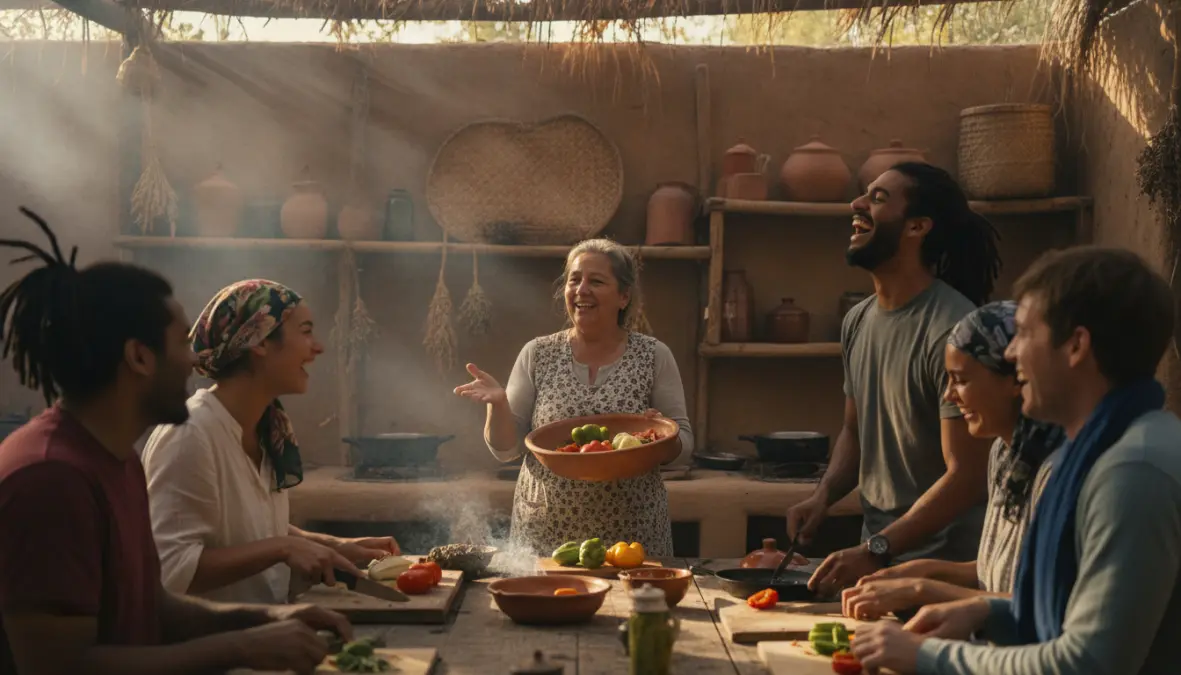
For deep destination experiences, immerse yourself actively. Learn basic phrases in the local language—even just “hello,” “thank you,” and “delicious” opens doors. Frequent neighborhood markets, take cooking classes with local chefs, volunteer with community organizations, or join walking tours led by residents who share personal stories rather than rehearsed scripts.
Slow travel activities to embrace:
- Morning coffee at the same café, becoming a regular
- Multi-hour hikes or bike rides through countryside
- Attending local events, festivals, or community gatherings
- Learning traditional crafts from artisans
- Cooking meals with ingredients from local markets
Activities to reconsider:
- Hop-on-hop-off bus tours
- Instagram hotspot chasing
- Dining exclusively at restaurants with English menus
- Changing locations every 1-2 days
- Overpacked daily itineraries with no downtime

Planning Your Slow Travel Itinerary
Creating a slow travel itinerary requires a different mindset. Limit yourself to 2-3 destinations maximum for a two-week trip. Block out time for unplanned wandering—some of the best experiences happen when you stumble upon a street musician, strike up a conversation at a market, or follow a promising side street.
Balance structured activities with rest days. Schedule cooking classes or guided experiences for certain days, but leave others completely open. Connect with locals through platforms like Couchsurfing (even if you’re not staying with hosts, their events are goldmines), meetup groups, or community-based tourism initiatives that pair travelers with residents. Before traveling to mountain destinations, check resources like our altitude sickness prevention guide to ensure you can take your time acclimating properly.
Common Challenges and How to Overcome Them
Let’s address the elephant in the room: slow travel sounds expensive, right? Extended stays can actually cost less. Solutions include house-sitting (free accommodation in exchange for pet care), work exchange programs like Workaway or WWOOF, booking monthly rentals (often 30-50% cheaper than nightly rates), and cooking your own meals. Check out strategies from our Cape Town budget guide for more money-saving tips.
Limited vacation time is another common obstacle. If you only have a week, practice slow travel in a single destination or region. Even weekend “slow travel” is possible—choose a nearby town, arrive Friday evening, and don’t leave until Sunday night. Staycations in your own city using slow travel principles can be surprisingly rewarding.
FOMO (fear of missing out) plagues many travelers. The mindset shift needed: you’re not “missing” anything by skipping attractions. You’re gaining something infinitely more valuable—authentic understanding. Every destination has countless layers; seeing one deeply beats superficially experiencing ten.
Language barriers feel intimidating but are rarely insurmountable. Translation apps, gesture communication, and genuine smiles go surprisingly far. Most locals appreciate any effort to speak their language. Solo travelers worried about loneliness should seek community-focused accommodations, join group activities, or use apps connecting travelers with locals.
FAQ: Slow Travel Questions Answered
Is slow travel more expensive?
Not necessarily. Extended stays often reduce per-day costs through monthly rental discounts, home cooking, and reduced transportation expenses. House-sitting, work exchanges, and avoiding peak tourist seasons can make slow travel significantly cheaper than traditional vacations while providing richer experiences.
How long should I stay in one place?
Minimum one week for small towns, two weeks for cities or regions. The sweet spot is typically 10-14 days, allowing you to settle into local rhythms without feeling restless. Listen to your intuition—when you start recognizing faces and finding favorite spots, you’re doing it right.
Can I practice slow travel with limited vacation time?
Absolutely. Choose one nearby destination for a long weekend, resist the urge to overschedule, and focus on depth. Even a three-day slow travel experience in a single neighborhood can be more fulfilling than a week rushing between cities. Quality always trumps quantity.
What are the best destinations for slow travel beginners?
Start with places offering good infrastructure but authentic culture: small Italian villages, Portuguese coastal towns, Thai islands off the main tourist trail, or Central American colonial cities. Regions like Portugal’s Algarve balance accessibility with authentic experiences perfectly.
How is slow travel different from sustainable travel?
Slow travel is a subset of sustainable travel focusing specifically on pace and depth. All slow travel tends to be sustainable (reduced carbon footprint, supporting local economies), but sustainable travel can still be fast-paced. Slow travel adds the dimension of meaningful cultural exchange and personal transformation through extended immersion.
The beauty of following a slow travel guide isn’t just in where you go, but in who you become through the journey. You’ll return home not with a camera full of selfies in front of monuments, but with recipes learned from a grandmother in her kitchen, phrases in a new language, and friendships that transcend borders. Pack light (perhaps using packing cubes for better organization), stay aware of common travel scams, grab a local SIM card to truly disconnect from tourist bubbles, and prepare to travel differently. Your next trip doesn’t need to be to more places—it needs to go deeper into the places you choose. That’s the transformation slow travel offers, and once you experience it, there’s no going back to the old way.