Travel Water Purification: Complete Guide to Safe Drinking Water Anywhere
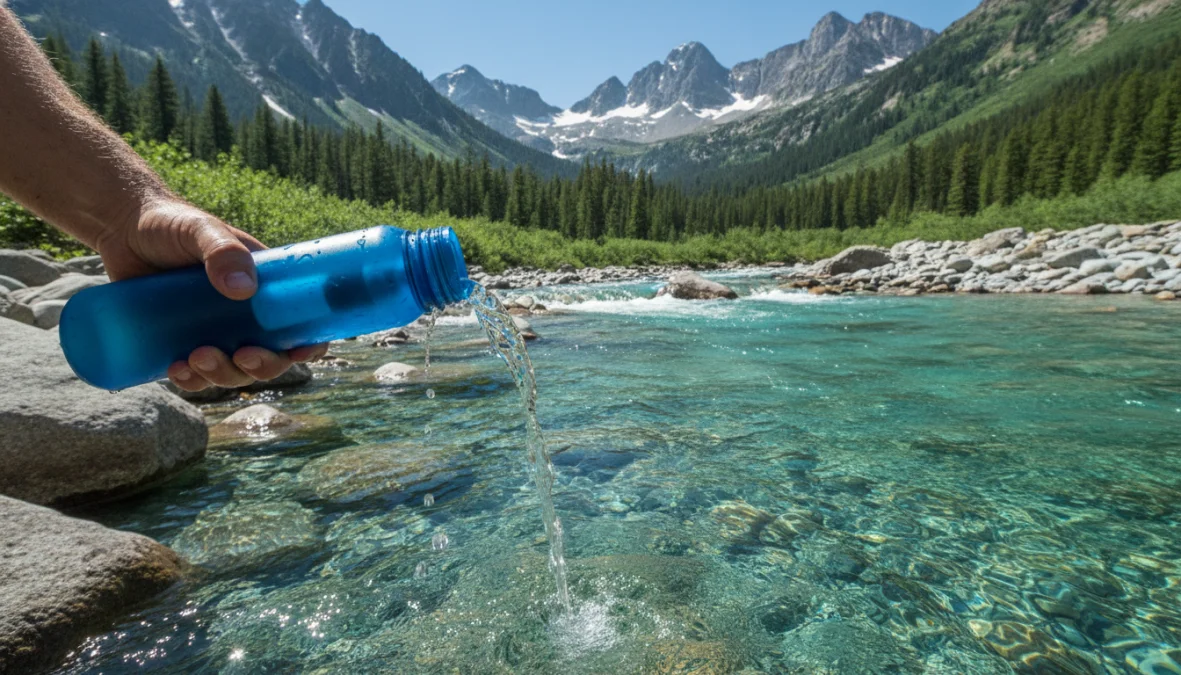
Picture this: you’re trekking through Southeast Asia, hiking a mountain trail in Peru, or exploring remote villages in East Africa. The scenery is breathtaking, the adventure is real—and then your water bottle runs dry. That murky stream water looks tempting, but one wrong sip could turn your dream trip into a nightmare of stomach cramps and unplanned bathroom visits. Understanding travel water purification isn’t just smart—it’s essential for any traveler venturing beyond the safety net of bottled water and municipal treatment plants.
Why Travel Water Purification Is Essential for Your Health
Every year, contaminated water sickens millions of travelers worldwide. The World Health Organization estimates that waterborne pathogens cause over 2 billion cases of diarrheal disease annually, with travelers being particularly vulnerable. When you’re exploring destinations with different sanitation standards, your body encounters unfamiliar microbiological contaminants it hasn’t built immunity against.
The risks vary dramatically between developed and developing nations. While tap water in Portugal’s Algarve Coast or Norway’s cities is generally safe (you can read more about traveling in Portugal’s Algarve), the same can’t be said for many regions in Asia, Africa, and parts of South America. Common consequences include traveler’s diarrhea (affecting 20-50% of international travelers), giardia, cryptosporidium infections, hepatitis A, cholera, and typhoid fever.
So when should you trust local water? Generally, stick to bottled or purified water in developing countries, rural areas, regions with recent natural disasters, and anywhere locals themselves avoid tap water. Even in developed countries, travel water safety matters during outdoor adventures—natural sources can harbor giardia cryptosporidium and other nasties regardless of how pristine they appear.
Best Water Purification Methods for Travelers: What Works Where
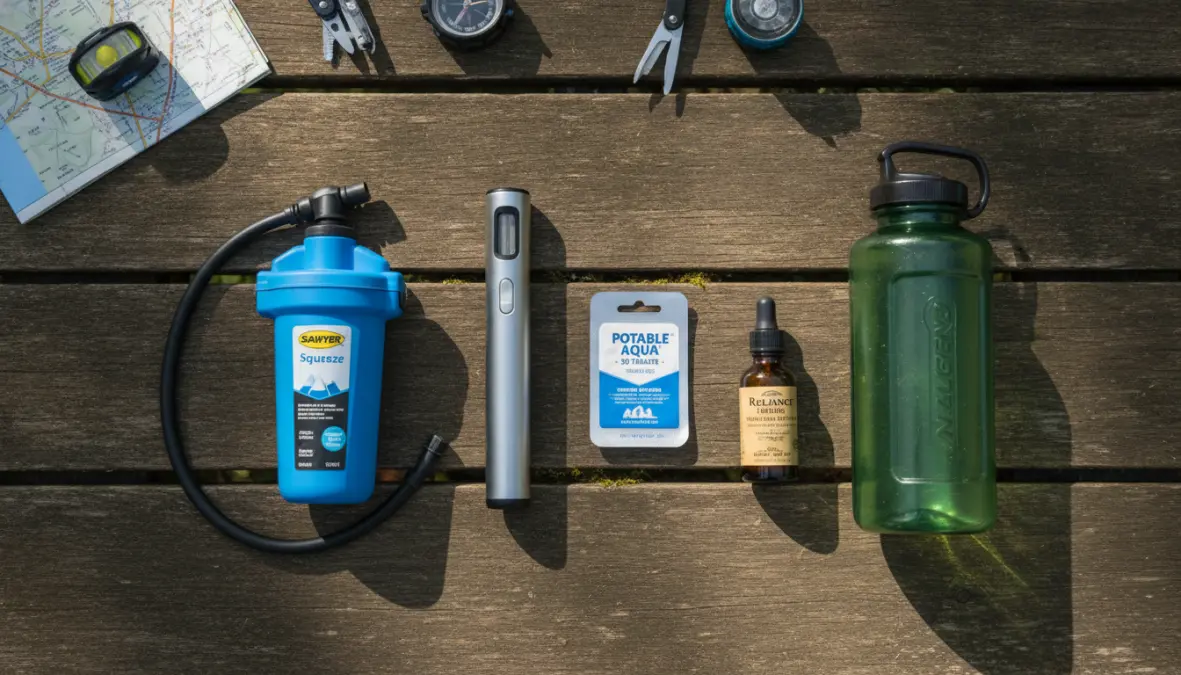
Understanding the best water purification methods for international travel means knowing your options. The main categories are physical filters, chemical treatments, and UV purifiers—each with distinct advantages and limitations.
Physical Filters vs Chemical Treatment vs UV Technology
Physical Filters are the workhorses of camping water treatment. Popular portable water filter options like LifeStraw, Sawyer Mini, and Katadyn use hollow fiber membranes or ceramic elements to physically block contaminants. These backpacking water filter devices excel at removing bacteria and parasites (99.99% effective against organisms larger than 0.1-0.2 microns), plus sediment and many chemicals through activated carbon filtration. However, most can’t filter viruses, which are smaller. They’re lightweight (2-8 ounces), require no waiting time, last for thousands of liters, and cost $20-100. Best for: backcountry hiking in North America and Europe where viral contamination is less common.
Chemical Treatments include water purification tablets, iodine drops, and chlorine dioxide solutions. These kill bacteria, viruses, and most protozoa through oxidation. Iodine treatment works in 30 minutes, while chlorine dioxide tablets need 4 hours for cryptosporidium. They’re ultra-lightweight (under 1 ounce), extremely affordable ($10-25), and very reliable. Downsides? The taste can be unpleasant, they don’t remove sediment or chemicals, iodine isn’t safe for pregnant women or those with thyroid issues, and tablets have expiration dates. Best for: emergency backup, lightweight travel, and areas with clear water sources.
UV Water Purifiers like SteriPEN use ultraviolet light to destroy the DNA of bacteria, viruses, and protozoa in 60-90 seconds. These battery-powered devices are fast, chemical-free, and highly effective against all microbiological contaminants. However, they require batteries or charging, don’t work in murky water, won’t remove sediment or chemicals, and cost $50-150. Best for: urban travel, hotels with questionable tap water, and travelers wanting convenience over ruggedness.
Boiling deserves mention as the oldest method. Boiling water safety is proven—one minute at a rolling boil (three minutes above 6,500 feet) kills everything. It’s fuel-dependent, time-consuming, and doesn’t remove chemicals or sediment, but it’s foolproof when done correctly.
Combination Approaches for Maximum Protection
For travel to high-risk areas, combining methods provides maximum protection. A common approach pairs a portable water filter with chemical treatment: filter first to remove sediment and protozoa, then add tablets to kill viruses. This layered system covers all bases.
When exploring remote locations like island hopping in Zanzibar or trekking near Victoria Falls, carrying backup systems is crucial. Many experienced travelers pack a primary filter plus purification tablets as emergency backup. Some advanced setups even include portable reverse osmosis portable units for the most contaminated sources, though these are heavier and slower.
Choosing the Right Water Purification Solution for Your Trip
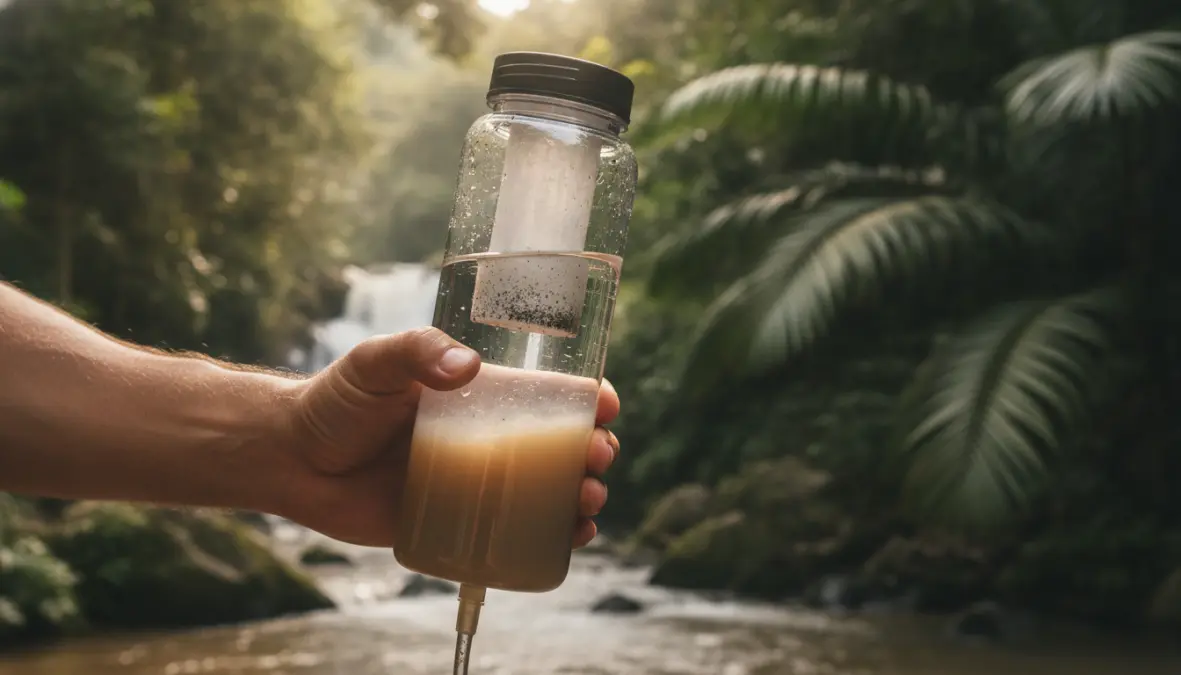
Your ideal purification method depends on several factors. For backpacking water filter needs on multi-day hikes, prioritize lightweight squeeze filters or straws. Resort travelers staying in questionable hotels might prefer a UV purifier for treating tap water in their bottles. Adventure travelers heading to developing nations should consider combination systems.
Destination matters enormously. Asia, Africa, and parts of South America require virus protection, making filters alone insufficient unless combined with chemical treatment or UV. Duration affects your choice too—weekend campers can manage with tablets, but long-term travelers need durable filters. Weight and space constraints are critical for backpackers but less so for car campers or those with checked luggage.
Practical considerations include maintenance (can you backflush the filter?), replacement parts availability, and local purchasing options. Some travelers buy water in cities and reserve purification for wilderness sections. Others, especially on extended trips through places like Croatia’s Dalmatian Coast, might rely primarily on safe municipal water with a backup purifier for island excursions.
Remember that even the best system won’t help if you don’t use it consistently. Choose something you’ll actually use every time rather than the most technically advanced option that stays in your bag.
FAQ: Common Questions About Travel Water Safety
Can I drink tap water in Southern Europe/Scandinavia/North America? Generally yes in most urban areas, including destinations like those on the Norwegian fjords cruise route. However, always check current local advisories and ask accommodation staff.
How long do water purification tablets take to work? Iodine tablets need 30 minutes, chlorine takes 30 minutes for bacteria/viruses but 4 hours for cryptosporidium. Always follow package instructions and wait the full time.
Are portable water filters TSA approved? Yes, water filters are allowed in both carry-on and checked bags. Just ensure they’re empty and dry to avoid security delays.
What’s the difference between a filter and a purifier? Filters remove protozoa and bacteria but often not viruses. Purifiers eliminate all three categories, including viruses—crucial for travel in developing countries.
Can boiling water replace a purifier? Absolutely, when fuel and time permit. One minute of rolling boil kills all pathogens, making it a reliable backup method.
Is bottled water always safe? Not always—bottle refilling scams exist in some tourist areas. Check seals carefully, and be aware of common travel scams involving water.
Safe drinking water shouldn’t be an afterthought in your travel planning—it’s as essential as your passport. Whether you’re hiking Iceland’s waterfalls or island hopping in Greece via ferry from Athens to Santorini, having the right purification method means you can focus on adventure instead of anxiously searching for the nearest bathroom. Invest in quality equipment, understand how to use it properly, and drink confidently wherever your travels take you.