Greenland Complete Travel Guide: Ice Fjords, Hiking and Arctic Wildlife
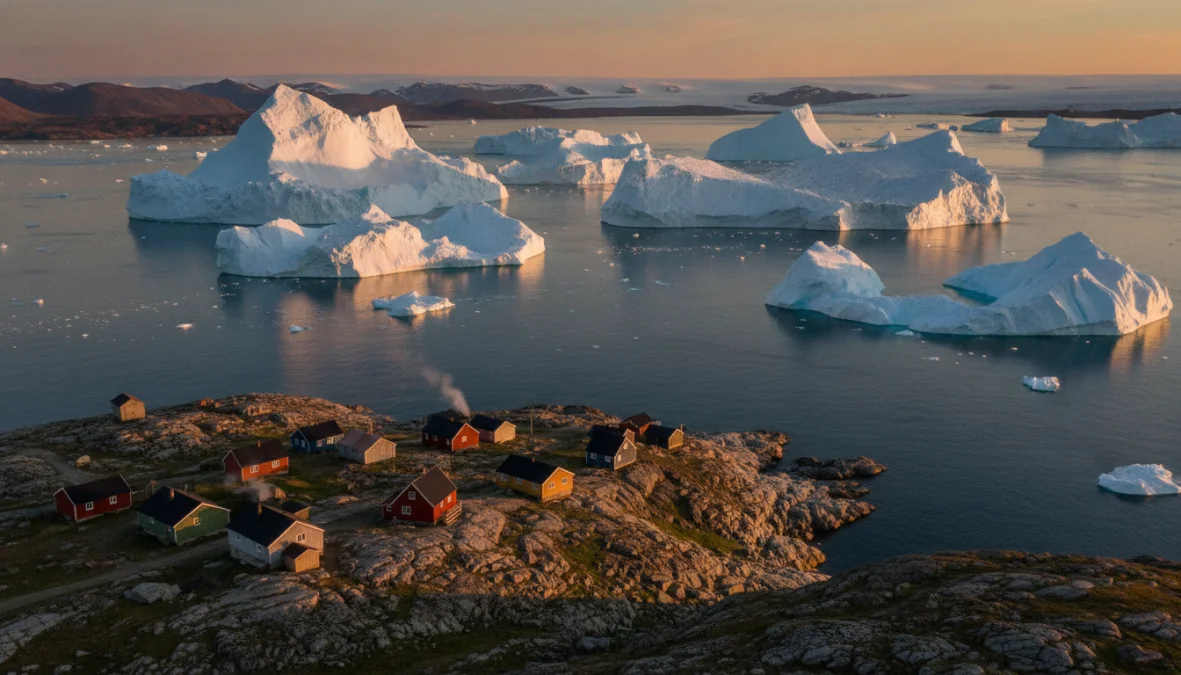
Imagine standing before towering icebergs calving into crystal-clear fjords, hiking across pristine Arctic tundra where muskox roam, and experiencing the raw beauty of one of Earth’s last true wilderness frontiers. Greenland isn’t your typical vacation destination—it’s an adventure into a world where nature reigns supreme and tourism infrastructure takes a backseat to jaw-dropping landscapes. This greenland travel guide will help you navigate everything from logistics to once-in-a-lifetime experiences in this extraordinary Arctic territory.
Planning Your Greenland Vacation: Essential Information
The best time to visit Greenland depends entirely on what you want to experience. Summer (June-August) brings the midnight sun, with 24-hour daylight perfect for hiking and wildlife watching, while winter (September-March) offers chances to see the northern lights Greenland is famous for. Temperatures in summer hover around 5-15°C (40-60°F), while winter plunges to -20°C (-4°F) or colder.
For greenland tourism, most travelers fly into Kangerlussuaq from Copenhagen (Denmark) or Reykjavik (Iceland). Air Greenland operates most routes, and you’ll need to book flights well in advance—they fill up quickly during peak season. No visa is required for EU, US, Canadian, and Australian citizens for stays up to 90 days, though you’ll need a valid passport.
Budget-wise, be prepared: Greenland ranks among the world’s most expensive destinations. Expect to spend $200-400 per day including accommodation, meals, and activities. A typical greenland vacation runs 7-14 days, giving you time to experience multiple regions without feeling rushed. Pack layered clothing even in summer—weather changes rapidly. Consider using packing cubes to organize your gear efficiently, especially when dealing with cold-weather equipment. Don’t forget comprehensive travel insurance that covers Arctic activities and medical evacuation.
- June-August: Midnight sun, warmest weather, whale watching, hiking season
- September-October: Aurora season begins, fewer tourists, cooler temperatures
- November-March: Northern lights peak, dog sledding, darkest period
- April-May: Transition season, still cold, variable conditions
Getting Around: Transportation Between Towns
Here’s something that surprises many visitors: there are virtually no roads connecting Greenlandic towns. Getting around requires helicopters, boats, or small planes. The Sarfaq Ittuk coastal ferry operates along the west coast from March to December, connecting major towns—it’s affordable but slow. Helicopters, operated by Air Greenland, provide faster connections but cost significantly more ($200-500 per flight).
Book all transportation at least 2-3 months ahead during summer. Flights and ferries fill quickly, and last-minute travelers often face sold-out routes. Factor transportation time into your greenland itinerary—what looks close on a map might require a full day of travel.
Top Greenland Attractions and Must-Visit Destinations
When planning what things to do in Greenland, start with Ilulissat, home to the spectacular Ilulissat Icefjord—a UNESCO World Heritage site producing some of the Northern Hemisphere’s largest icebergs. The Sermeq Kujalleq glacier calves massive ice chunks into Disko Bay, creating a constantly shifting seascape. Walk the boardwalk trails for stunning views, or take a boat tour among the bergs at midnight under the summer sun.
Nuuk, the nuuk capital, blends modern Greenlandic life with traditional Inuit culture. Visit the National Museum to see 500-year-old mummies, explore the colonial harbor district, and experience the surprisingly vibrant restaurant and arts scene. It’s Greenland’s largest city at just 18,000 people—a fascinating glimpse into Arctic urban life.
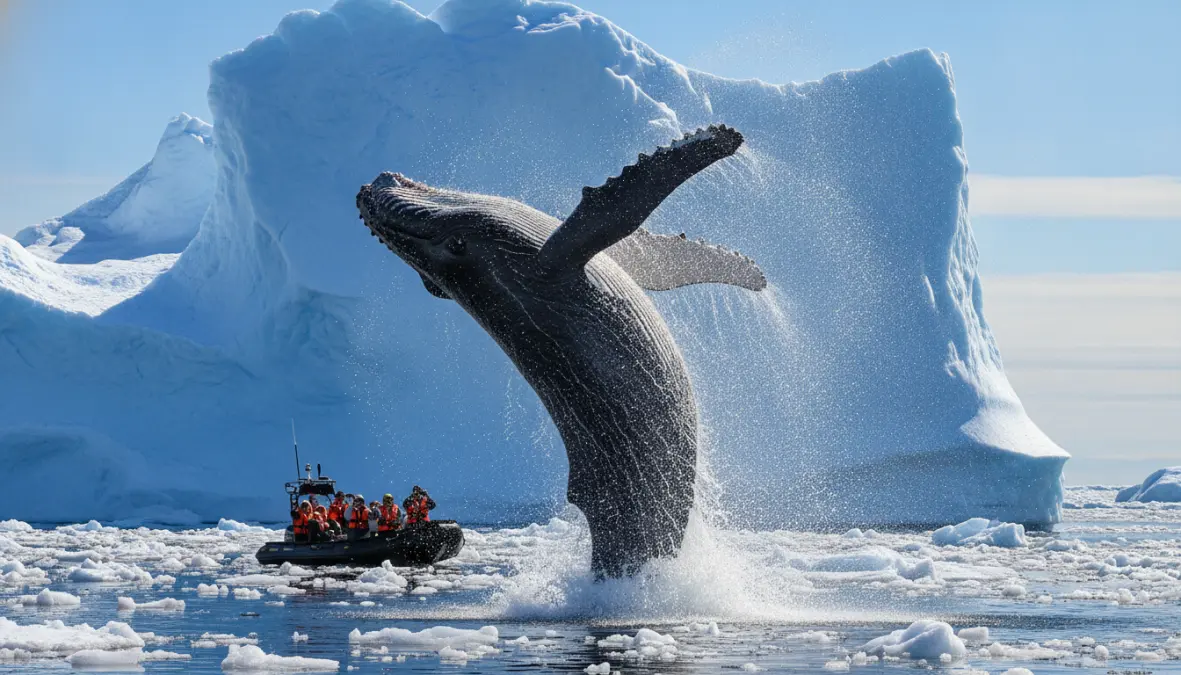
Disko Bay offers world-class whale watching from May through September. Humpback, minke, and fin whales migrate through these nutrient-rich waters, while lucky visitors might spot orcas. The bay’s dramatic icebergs create an unforgettable backdrop for wildlife encounters.
Tasiilaq in East Greenland provides a more remote experience. This isolated town, surrounded by jagged peaks and accessible mainly by helicopter, offers excellent hiking and a glimpse into more traditional Greenlandic life. The Ammassalik region features some of Greenland’s most dramatic mountain scenery.
South Greenland around Qaqortoq surprises visitors with its relatively mild climate and Norse ruins. Explore Viking settlements at Hvalsey Church and experience farming communities—yes, Greenland has sheep farms! Kangerlussuaq serves as a gateway to the ice cap, where you can actually walk on Greenland’s massive continental glacier.
Recommended Itineraries for Different Trip Lengths
5-7 Days (West Greenland Classic): Fly into Kangerlussuaq, spend 3-4 days in Ilulissat exploring the icefjord and hiking, 1-2 days in Nuuk, then return via Kangerlussuaq. This covers the highlights without feeling rushed.
10-12 Days (Extended West or West + East): Add Disko Island and the settlement of Ilimanaq to the classic route, or combine West Greenland (Ilulissat, Nuuk) with a 3-4 day visit to Tasiilaq in the East for contrasting landscapes and cultures.
14+ Days (Comprehensive): Combine West, East, and South Greenland. Include an arctic cruise option along the coast, ice cap expeditions from Kangerlussuaq, and extended time in smaller settlements. This allows for serious hiking and wildlife photography opportunities.
Arctic Adventures: Hiking, Wildlife and Outdoor Activities
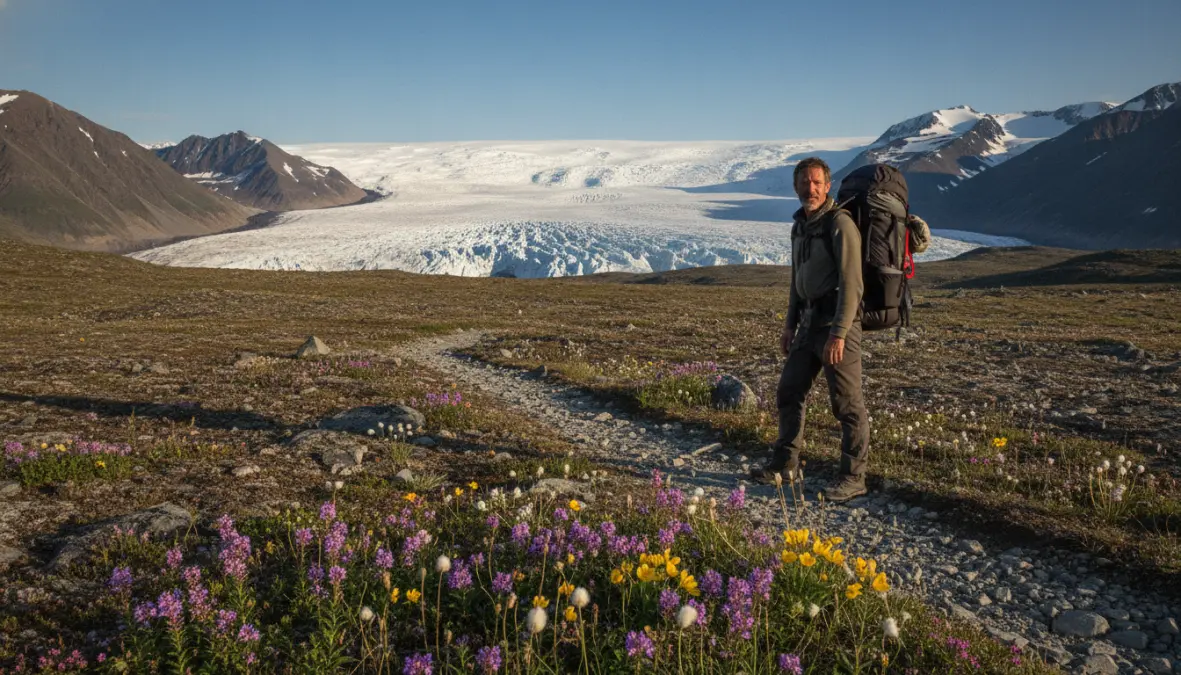
The greenland hiking trails guide starts with the legendary Arctic Circle Trail—a 160km (100-mile) trek from Kangerlussuaq to Sisimiut taking 7-10 days. This challenging but non-technical route crosses tundra, river valleys, and mountainous terrain with no huts—full camping gear required. For easier options, trails around Ilulissat range from 1-hour walks to full-day hikes, all offering incredible icefjord views.
Tasiilaq provides excellent day hikes through dramatic alpine terrain, while glacier hiking on the ice cap near Kangerlussuaq offers a surreal experience walking atop ice that’s thousands of years old. Most glacier tours require guides for safety—crevasses are real dangers.
Arctic wildlife watching in Greenland centers on marine life. Humpback whales arrive in May and stay through September, best viewed from Ilulissat, Nuuk, and Qaqortoq. Minke and fin whales are also common. On land, muskox roam the Kangerlussuaq area—these prehistoric-looking creatures can be surprisingly approachable (but keep distance!). Reindeer populate the ice-free areas, while Arctic foxes, hares, and diverse seabirds complete the wildlife roster.
Winter transforms Greenland into a dog sledding paradise. Traditional Greenlandic sled dogs pull visitors across frozen landscapes—an experience connecting directly to Inuit culture and survival traditions. Kayaking among icebergs provides a peaceful, intimate way to explore fjords, while boat tours to glacier fronts deliver dramatic calving events.
For the northern lights greenland experience, book aurora tours from September through March. Dark, clear nights around Kangerlussuaq and Ilulissat offer excellent viewing. Many greenland tours combine multiple activities—whale watching with hiking, or aurora viewing with cultural visits to settlements where you’ll meet local families maintaining traditional practices.
Frequently Asked Questions About Visiting Greenland
How expensive is Greenland? Very. Budget $200-400 per day for mid-range travel, covering accommodation ($150-250/night), meals ($50-80/day), and activities. Budget travelers can reduce costs by staying in hostels and self-catering, but transportation remains expensive regardless.
Is Greenland safe for tourists? Extremely safe regarding crime, but Arctic conditions demand respect. Weather changes rapidly, ice can be unstable, and wildlife requires caution. Polar bears exist in remote areas (mainly East and North Greenland). Follow local guidance and hire experienced guides for wilderness activities.
Do I need a visa? Most Western nationalities (EU, US, Canada, Australia, UK) don’t need visas for stays up to 90 days. Greenland follows Danish entry requirements despite being autonomous.
What language is spoken? Greenlandic (Kalaallisut) is official, but Danish is widely spoken, and English works well in tourist areas and among younger Greenlanders.
Can I see the Northern Lights? Yes, from September through March, with peak viewing November-February. You need dark skies, so the midnight sun period (May-July) won’t work. Kangerlussuaq has particularly dark skies away from light pollution.
What is the best time to visit? June-August for hiking, wildlife, and midnight sun; September-October for autumn colors and early auroras; December-March for northern lights and dog sledding. Each season offers unique experiences.
How many days do I need? Minimum 5-7 days for West Greenland highlights, 10-14 days for a more comprehensive experience. Given the expense and travel time to reach Greenland, longer trips provide better value.
Greenland demands more planning than typical destinations—no spontaneous road trips here. But for travelers seeking authentic Arctic wilderness, incredible landscapes, and cultural experiences far from mass tourism, it delivers adventures you’ll remember forever. Start planning early, budget generously, and prepare for a journey unlike anywhere else on Earth. This might not be the easiest destination to visit greenland, but it’s undoubtedly one of the most rewarding. Drawing inspiration from sustainable travel practices is particularly important here, where fragile Arctic ecosystems require mindful tourism.