Uyuni Salt Flats Tour: Complete Bolivia Travel and Photography Guide
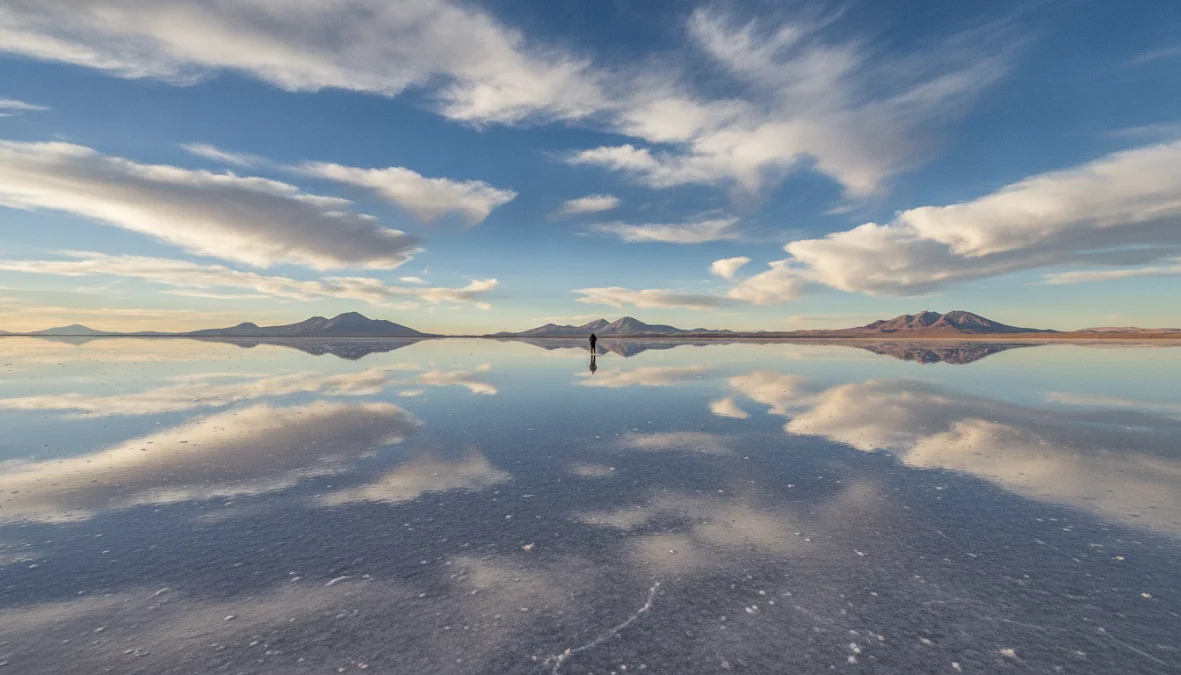
Picture this: you’re standing in the middle of the world’s largest salt flat, surrounded by an endless expanse of brilliant white hexagons stretching to the horizon. The sky mirrors perfectly beneath your feet, creating an otherworldly landscape that makes you question where earth ends and heaven begins. Welcome to the Salar de Uyuni, Bolivia’s most spectacular natural wonder and one of the most photographed places on the planet. Whether you’re a photography enthusiast chasing that perfect mirror effect or an adventure traveler seeking unique landscapes in the altiplano Bolivia, a uyuni salt flats tour delivers an experience unlike anything else on Earth.
Planning Your Uyuni Salt Flats Tour
Getting to the uyuni salt flats bolivia requires some planning, but the journey is part of the adventure. Most travelers arrive by bus or plane from La Paz (about 10 hours by bus or 45 minutes by flight), though you can also reach Uyuni from Sucre or cross the border from San Pedro de Atacama in Chile. The town of Uyuni itself is small and unremarkable, serving primarily as a gateway to the salt flats, but it’s where you’ll find dozens of tour operators offering uyuni tour packages.
When it comes to booking, you have two main options: reserve in advance online or book directly in Uyuni town. Booking on arrival typically costs $60-100 USD for a one-day tour and $150-250 USD for a three-day tour to eduardo avaroa reserve, making it the cheapest uyuni salt flats tour option. However, advance booking guarantees your preferred dates and usually means better-quality vehicles and guides. Reputable operators include Red Planet Expedition, Hodaka Mountain, and Salty Desert Aventours. Similar to planning any international adventure, it’s wise to research operators thoroughly to avoid travel scams and ensure a quality experience.
Best Time to Visit the Salt Flats
The best time to visit uyuni salt flats depends entirely on what you want to experience. The dry season (May through October) offers clear blue skies, comfortable daytime temperatures, and the iconic geometric salt patterns that look like nature’s honeycomb. You can drive across the entire flat, accessing all areas including incahuasi island with its giant cacti. The dry season is perfect for perspective-bending photos against the pristine white surface.
However, the wet season (December through March) is when the magic truly happens. This is the uyuni salt flats mirror effect season, when a thin layer of water transforms the salt flat into the world’s largest natural mirror. The sky reflects perfectly on the ground, creating surreal photographs that defy reality. The downside? Incahuasi Island becomes inaccessible, and weather can be unpredictable. November and April offer transition periods with occasional mirror effects and better accessibility.
Choosing the Right Tour Package
The classic salar de uyuni tour comes in three main varieties. One-day tours cover the highlights: the train cemetery uyuni, colchani village where salt is processed, the vast salt flat itself, and salt hotels. These tours run approximately 10:30 AM to 6:00 PM and cost $20-35 USD per person. They’re perfect if you’re short on time or simply want to experience the salt flats without extensive travel.
The uyuni salt flats 3 day tour is the most popular option, extending beyond the salar de uyuni into the stunning landscapes of the eduardo avaroa reserve. You’ll visit the Siloli Desert with its Stone Tree formation, the famous laguna colorada teeming with flamingos, bubbling geysers, and the emerald waters of Laguna Verde. Most three-day tours end at the Chilean border, making them ideal for travelers continuing to San Pedro de Atacama. Expect basic accommodation in shared dorms and simple but hearty meals. Two-day tours offer a middle ground, visiting some but not all of these highlights.
What to See and Do on Your Uyuni Desert Tour
Every uyuni desert tour begins at the quirky train cemetery, where rusting 19th-century locomotives create an atmospheric photo opportunity. From there, you’ll visit colchani village, a small settlement on the salt flat’s edge where locals harvest and process salt using traditional methods. Here you’ll see the salt “eyes”—natural springs that bubble through the crust—and towering piles of harvested salt waiting for transport.
The heart of any salt flats bolivia tour is, of course, the expanse itself. At 10,582 square kilometers, it’s mind-bogglingly vast. Your guide will stop at various points for photography sessions, and this is where creativity runs wild. The flat, featureless landscape and clear air create perfect conditions for perspective-distorting photos—imagine yourself standing in someone’s hand, being eaten by a dinosaur toy, or jumping from a Pringles can. Bring props and let your imagination soar.
If conditions allow, incahuasi island is a highlight, rising unexpectedly from the white expanse. This rocky outcrop is covered with ancient cacti, some over 10 meters tall and centuries old. The 360-degree views from the top are breathtaking. Salt hotels, constructed entirely from salt blocks including the beds and tables, offer unique photo opportunities and sometimes lunch stops.
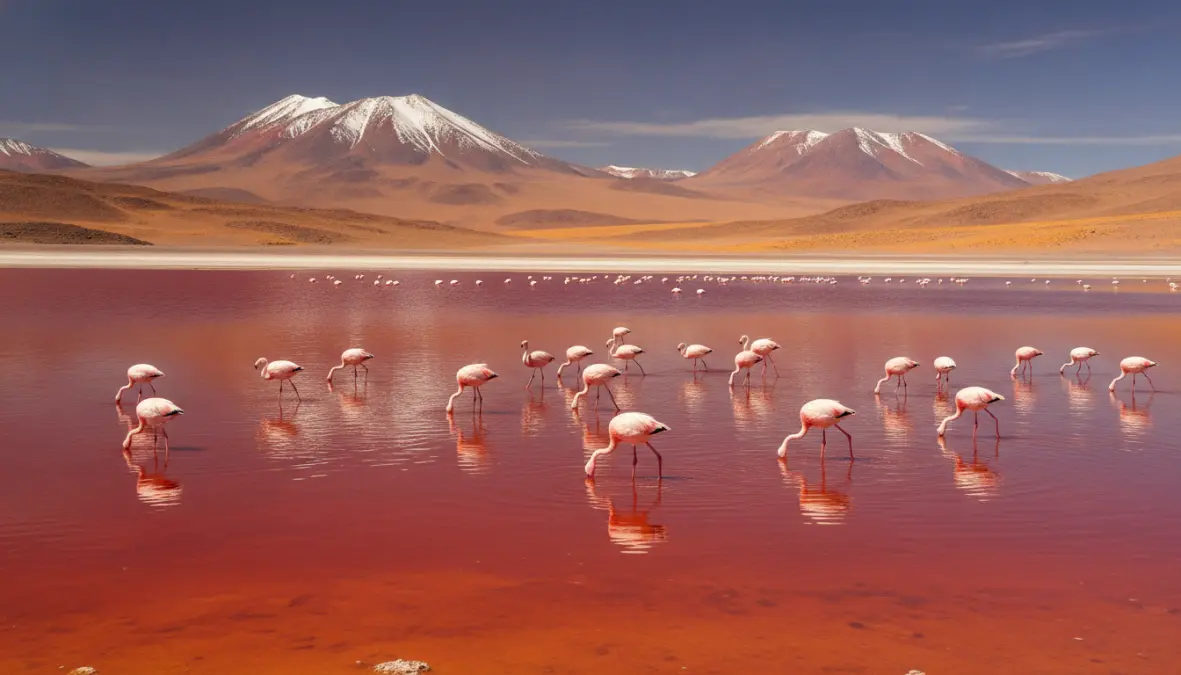
Extended uyuni guided tour packages venture into Bolivia’s remote southwest, where the landscape transforms dramatically. Laguna colorada, tinted red by algae and minerals, hosts three species of flamingos feeding in its shallow waters. You’ll encounter vicuñas (wild relatives of llamas), foxes, and if you’re lucky, the rare Andean cat. Geysers bubble and steam at dawn, creating an otherworldly atmosphere in the freezing morning air.
Photography Tips and Essential Packing Guide
Photographing the uyuni salt flats bolivia requires both technical know-how and practical preparation. The endless white surface creates exposure challenges for cameras—the auto setting will often underexpose, making the salt appear gray. Shoot in manual mode or use +1 to +2 exposure compensation. A polarizing filter reduces glare during dry season and enhances mirror reflections when wet. Wide-angle lenses (16-35mm) capture the vastness, while a tripod stabilizes shots in low light during sunrise and sunset, the golden hours that paint the salt flats in pink and orange hues.
For mirror effect photography, calm days with no wind produce the best reflections. Position yourself low to the ground, and have subjects stand far enough away that their reflection appears complete. Get creative with compositions—silhouettes against sunset, jumping shots that appear suspended in infinity, or reflection portraits where sky and earth merge seamlessly.
Regarding what to wear uyuni salt flats, layering is essential. Mornings start freezing (often below 0°C), but midday sun at 3,656 meters altitude can be intense. Pack thermal base layers, a warm fleece or down jacket, windproof outer layer, comfortable walking shoes, and a warm hat and gloves. Sunglasses and SPF 50+ sunscreen are non-negotiable—the sun reflects off the white surface with brutal intensity. Bring a scarf or buff to protect your face from wind and salt dust.
Altitude sickness can affect visitors to Uyuni, located at 3,656 meters above sea level. Spend a day or two in La Paz (even higher at 3,640 meters) to acclimatize before descending slightly to Uyuni. Stay hydrated, avoid alcohol the first day, and carry coca leaves for chewing—a traditional Andean remedy that genuinely helps. For comprehensive strategies, check this guide to preventing altitude sickness. Pack plenty of water, energy-rich snacks, and any personal medications. Protect camera equipment from salt and moisture by keeping it in sealed bags when not in use, and consider bringing a packing cube system to organize your gear efficiently in the cramped tour vehicles.
Frequently Asked Questions
How long is the Uyuni salt flats tour?
Tours range from one day (approximately 8 hours) covering just the salar de uyuni, to three days exploring the salt flats plus eduardo avaroa reserve, colored lagoons, and geysers. Most travelers opt for the three-day option to fully experience the region’s diversity.
Is altitude sickness a problem in Uyuni?
At 3,656 meters, altitude sickness can occur, especially if you arrive directly from sea level. Symptoms include headaches, nausea, and fatigue. Acclimatize in La Paz first, stay hydrated, take it easy the first day, and consider altitude sickness medication if you’re particularly susceptible.
Can I visit Uyuni salt flats independently?
While technically possible to rent a 4×4 and explore independently, it’s strongly discouraged. The salt flat lacks landmarks, GPS can be unreliable, and the remote areas beyond require experienced navigation. Tours are affordable and provide safety, local knowledge, and access to restricted areas.
How much does a Uyuni tour cost?
One-day tours cost $20-35 USD, three-day tours range from $150-250 USD depending on quality and group size. Private tours cost significantly more ($400-600 USD for three days). Prices usually include transport, basic accommodation, and some meals but confirm what’s included before booking.
What should I wear to the salt flats?
Layers are key: thermal base layers, fleece or down jacket, windproof outer shell, comfortable walking shoes, warm accessories, and sun protection. Temperatures fluctuate dramatically from freezing mornings to warm afternoons. Bright, colorful clothing creates stunning contrast against the white landscape for photos.
Is it safe to visit Uyuni?
Yes, Uyuni is generally safe for tourists. The main risks are altitude-related health issues, cold weather exposure, and choosing unreliable tour operators with poorly maintained vehicles. Book with established companies, dress appropriately for weather, and take altitude seriously for a safe, memorable experience.
The bolivia salt flats travel experience ranks among the world’s most unique adventures. Whether you’re chasing mirror reflections during the rainy season bolivia or geometric perfection in dry months, the Salar de Uyuni delivers landscapes that feel extraterrestrial. With proper planning, the right uyuni tour packages, and an open mind for adventure, your journey across this vast white wilderness will create memories—and photographs—that last a lifetime. Just like planning island hopping in Greece or exploring Portugal’s Algarve Coast, the key to an unforgettable Uyuni experience lies in balancing spontaneity with smart preparation.