Uzbekistan Silk Road: Complete Samarkand, Bukhara and Khiva Itinerary
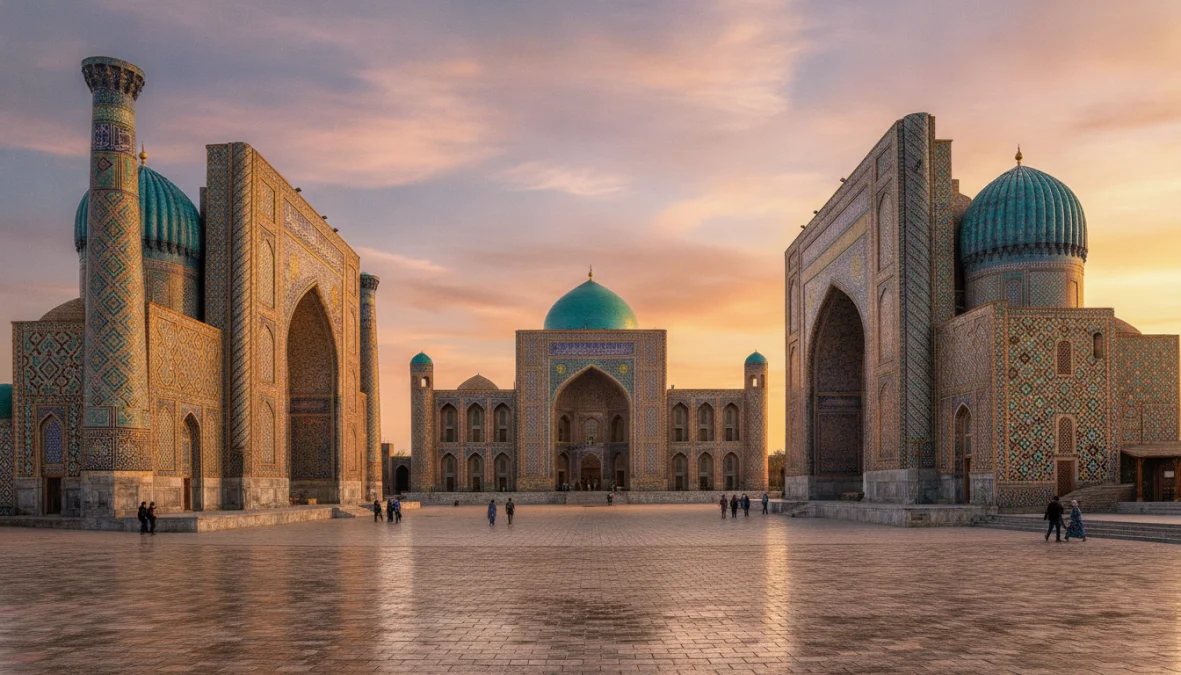
Picture this: towering turquoise domes glittering under the desert sun, intricate tilework that’s survived centuries of sandstorms, and ancient trading posts where merchants once haggled over Chinese silks and Persian spices. The Uzbekistan Silk Road isn’t just a journey through three legendary cities—it’s a portal into one of history’s most fascinating trading networks. Samarkand, Bukhara, and Khiva stand as living monuments to an era when Central Asia was the crossroads of the world, and trust me, visiting them is like stepping onto the set of a real-life Arabian Nights tale.
Why Uzbekistan Is the Heart of the Ancient Silk Road
For over a millennium, the ancient silk road route snaked its way from China to the Mediterranean, and Uzbekistan sat right at its beating heart. While other Central Asia Silk Road countries played their part, Uzbekistan’s trio of legendary cities became the ultimate power players in this transcontinental trading game.
These weren’t just convenient pit stops—Samarkand, Bukhara, and Khiva evolved into mega-cities where East literally met West. Merchants would rest in ornate caravanserai, Islamic scholars debated in stunning madrasah, and rulers like Timur (Tamerlane) transformed humble trading posts into architectural wonders that still drop jaws today. The Persian architecture you’ll encounter here—think azure domes, intricate mosaics, and towering minarets—represents some of the finest examples of Islamic art anywhere on the planet.
What makes the Uzbekistan Silk Road experience particularly special is that all three cities are UNESCO World Heritage Sites, yet they’ve maintained their authentic character. Unlike some tourist-trampled destinations, these silk road cities still pulse with daily life—locals still bake bread in traditional ovens, artisans hammer copper just as their ancestors did, and the call to prayer echoes from minarets that have stood for half a millennium.
Complete Uzbekistan Itinerary: Samarkand, Bukhara and Khiva
Planning your Uzbekistan itinerary doesn’t need to be complicated. Most travelers wonder how many days in Samarkand Bukhara Khiva they should allocate—the sweet spot is 8-10 days, giving you enough time to properly explore each city without feeling rushed. Here’s a detailed breakdown that covers the highlights while leaving room for spontaneous discoveries.
Samarkand: The Jewel of the Silk Road (Days 1-3)
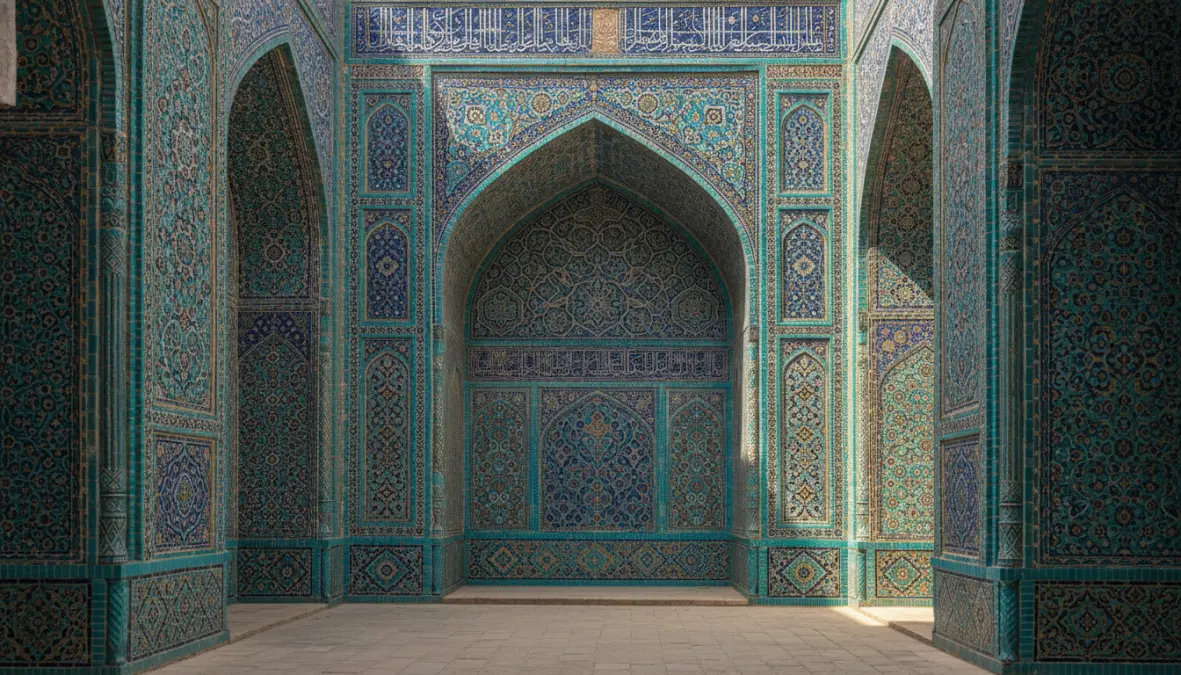
Start your silk road Uzbekistan adventure in Samarkand, the crown jewel that even Alexander the Great called “more beautiful than I imagined.” Your first stop absolutely must be Registan Square—three monumental madrasah facing each other in a symphony of turquoise tiles and geometric perfection. Arrive at sunrise to see it bathed in golden light, then return after dark when the buildings are illuminated.
Day two, head to Shah-i-Zinda, an avenue of mausoleums so intensely decorated you’ll run out of memory card space. The Gur-e-Amir mausoleum, where Timur himself rests, showcases the wealth and power of the Timur Empire. Don’t skip Bibi-Khanym Mosque—once the Islamic world’s largest mosque, its partially ruined state somehow makes it more evocative. Stay in the old town area for easy walking access to major sites, and dedicate your third day to the Ulugbek Observatory and wandering the local bazaars where Central Asian cuisine like plov and samsa will fuel your explorations.
Bukhara: Living Museum of Silk Road Heritage (Days 4-6)
The samarkand to bukhara train is the most comfortable way to reach your next destination—the high-speed Afrosiyob covers the 280km journey in just 90 minutes. What to see in Bukhara Uzbekistan? Start with the Ark Fortress, a massive citadel that’s been Bukhara’s epicenter for over 1,500 years. The Poi Kalyan Complex, with its towering minaret that Genghis Khan supposedly spared because of its beauty, anchors the old town.
Bukhara feels different from Samarkand—less monumental, more intimate. Spend hours getting lost in the trading domes where artisans still sell hand-embroidered suzani textiles and miniature paintings. The Lyab-i-Hauz plaza, built around an ancient pool, becomes magical at dusk when locals gather for tea. Bukhara’s old city is so well-preserved that you’re basically walking through a living museum. Book a guesthouse inside the historic center—many occupy restored merchant houses with traditional courtyards. This is also your best chance to experience authentic nomadic culture influences in carpet-weaving and felt-making demonstrations.
Khiva: The Desert Fortress City (Days 7-8)
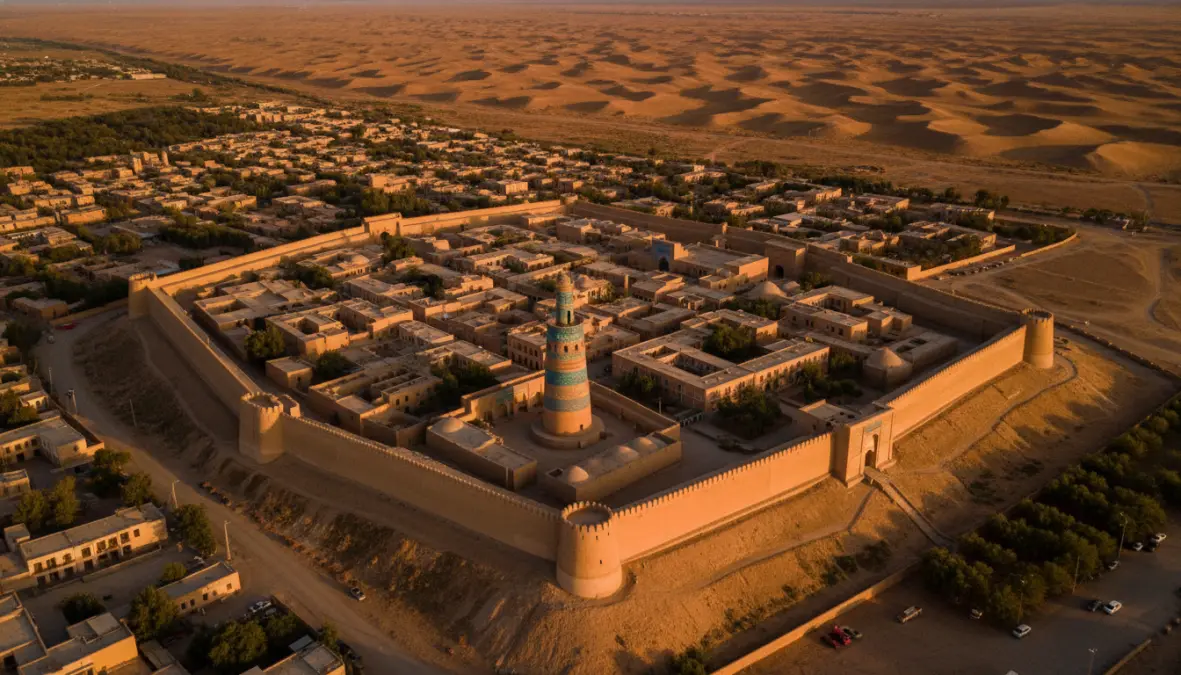
The journey from Bukhara to Khiva crosses the Kyzylkum Desert—roughly 450km that most travelers cover by shared taxi or private driver (6-7 hours). A Khiva old city tour reveals why this place is so different: the entire inner city, Itchan Kala, is surrounded by intact clay walls, creating a time-capsule effect that neither Samarkand nor Bukhara can match.
The Instagram-famous Kalta Minor Minaret, with its thick turquoise-tiled base, dominates the skyline despite never being completed. Tash Hauli Palace’s harem quarters and tilework rival anything you’ve seen so far. Climb the city walls at sunset for panoramic views across the desert fortress. Khiva is more compact than the other cities—you can cover the main sites in a solid day and a half, making it perfect for the end of your journey. The isolation that once made Khiva a crucial caravanserai stop now gives it an otherworldly atmosphere, especially when day-trippers depart and you have those narrow lanes nearly to yourself.
Essential Tips for Traveling the Uzbekistan Silk Road
Ready to turn this Uzbekistan travel guide into reality? Here’s what you need to know before booking those flights.
The best time to visit Uzbekistan Silk Road is April-May or September-October. Summer temperatures can hit 40°C (104°F), making sightseeing brutal, while winters are surprisingly cold. Spring brings blooming mulberry trees and perfect weather for exploring on foot.
Visas: Most Western passport holders can enter Uzbekistan visa-free for 30 days—a recent change that’s made travel here infinitely easier. Always check current requirements before departure.
Transportation: High-speed trains connect Tashkent-Samarkand-Bukhara brilliantly, but Khiva requires road transport. Many silk road tour packages Uzbekistan include private drivers, which adds comfort and flexibility. Book trains through Uzbekistan Railways website in advance.
Costs: Uzbekistan remains remarkably affordable. Budget $30-50 daily for mid-range accommodation and meals, less if you eat locally. Entrance fees to historical sites are nominal, usually $2-5.
Currency: The Uzbek som is the local currency. Cash (US dollars or euros) is still king in smaller towns, though Tashkent and major cities increasingly accept cards. ATMs are available in all three cities.
Cultural etiquette: Dress modestly when visiting mosques and madrasah—shoulders and knees covered. Remove shoes before entering sacred spaces. Photography is generally welcome, but ask permission before photographing locals, especially women.
Food: Embrace Central Asian cuisine—plov (rice pilaf with meat) is the national dish, often served communally at lunchtime. Don’t miss lagman (hand-pulled noodles), shashlik (kebabs), and fresh non bread from tandoor ovens.
Your Uzbekistan silk road itinerary 10 days will reward you with memories that rival any destination on earth. Similar to epic road trips like the Canadian Rockies journey or Jordan’s desert adventures, this Central Asian circuit combines stunning landscapes with profound historical significance. The turquoise domes of Samarkand, the living museums of Bukhara, and Khiva’s desert fortress will weave themselves into your travel stories for years to come. Pack your camera, bring your sense of wonder, and prepare to walk in the footsteps of merchants, conquerors, and dreamers who shaped the world.