Rila and Pirin Mountains: Complete Bulgaria Hiking and Monastery Guide
Tucked away in the dramatic folds of the Balkan mountain range, Bulgaria’s Rila and Pirin regions offer something truly special: a perfect blend of spiritual heritage and wild alpine adventure. Whether you’re standing in awe before the frescoed walls of Rila Monastery Bulgaria or catching your breath beside glacial lakes thousands of meters above sea level, this corner of southeastern Europe delivers experiences that rival far more famous European destinations—without the crowds or hefty price tags.
Rila Monastery: Bulgaria’s Spiritual and Architectural Treasure
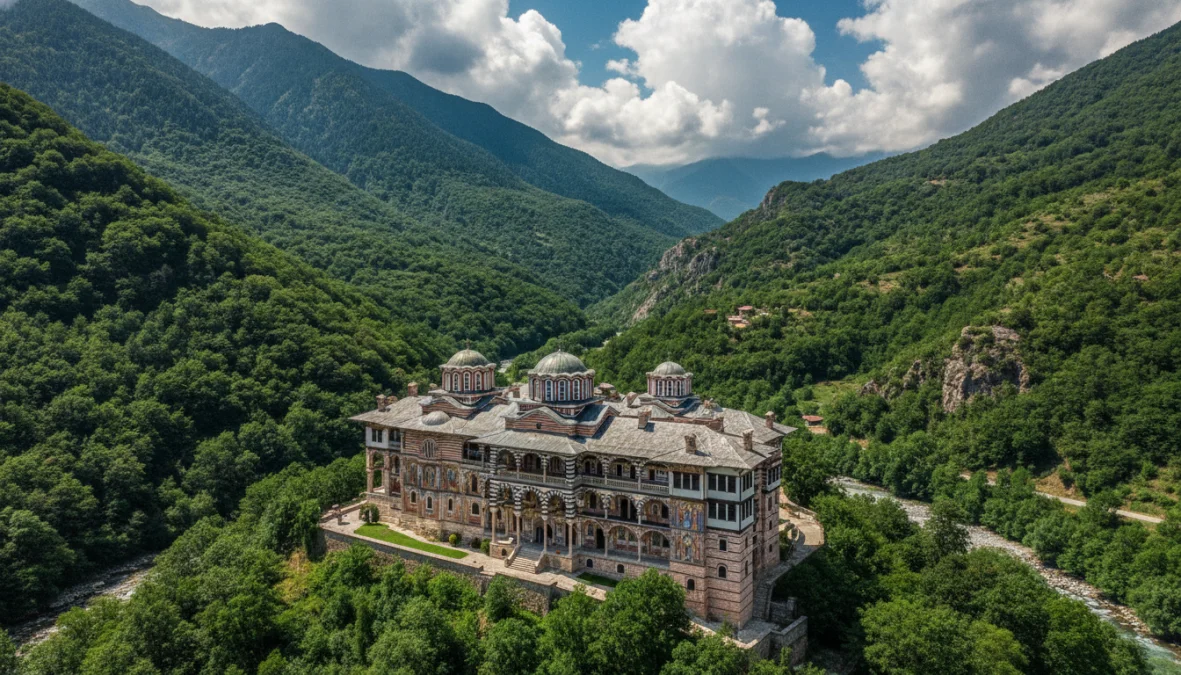
The crown jewel of Bulgaria monastery tours, Rila Monastery Bulgaria isn’t just a religious site—it’s a vivid storytelling canvas of Bulgarian identity. Founded in the 10th century by St. Ivan of Rila, this Orthodox monastery has survived fires, Ottoman rule, and centuries of turbulence to emerge as a UNESCO World Heritage Site that feels both ancient and vibrantly alive.
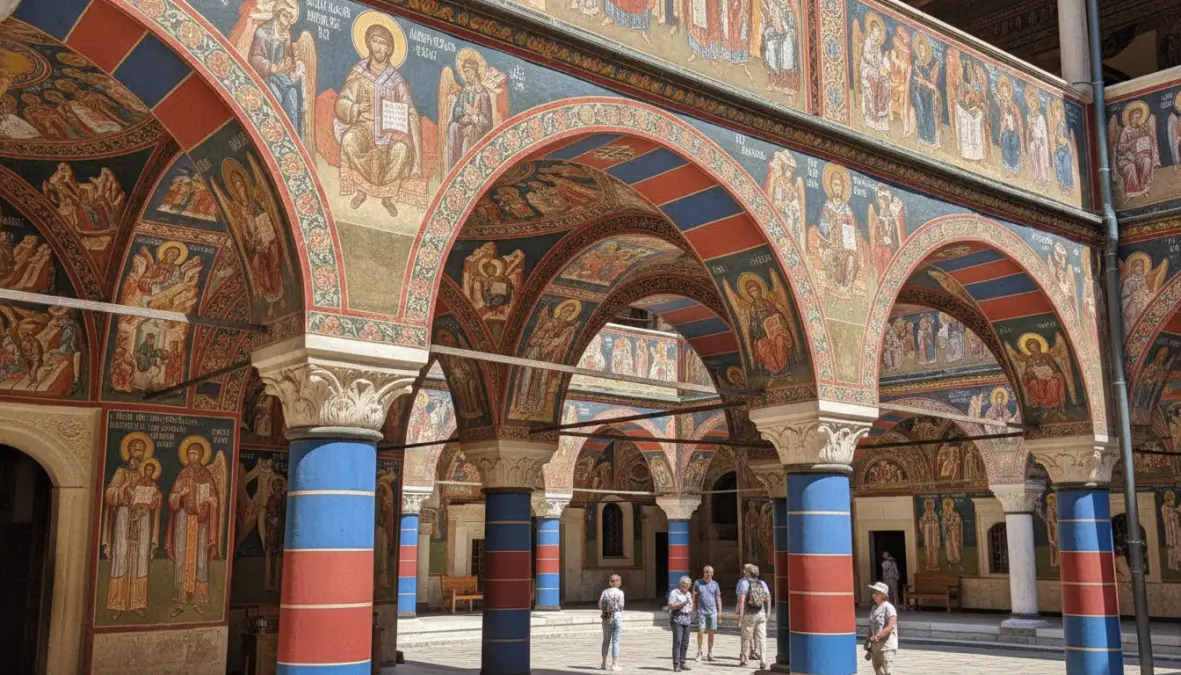
The monastery’s Byzantine architecture strikes you immediately: concentric arcades painted in bold stripes, over 1,200 frescoes depicting biblical scenes and Bulgarian history, and a church whose interior glows with gold leaf and intricate iconography. Unlike many historic sites that feel frozen in time, Rila remains a working monastery where monks continue their daily rituals.
For those wondering how to get to Rila Monastery from Sofia, you’ve got options. The 120-kilometer journey takes about two hours by car via the E79 highway. Public buses run from Sofia’s Ovcha Kupel station, though they’re infrequent and require a connection in Rila village. Many travelers opt for organized bulgaria monastery tours or hire a taxi for around €60-80 round trip. The rila monastery opening hours and entrance fee are visitor-friendly: the complex is open daily from 7am to 8pm, with free entrance to the courtyard and a small fee (around 8 BGN) for the museum.
Visitor etiquette matters here. Dress modestly—shoulders and knees covered—and maintain quiet in religious areas. Photography is allowed in courtyards but forbidden inside the church. If you want to extend your stay, the monastery offers basic overnight accommodation in its guesthouses (book ahead), or you can base yourself in nearby Samokov or Panichishte, which also serve as jumping-off points for rila monastery hiking adventures.
Hiking the Rila and Pirin Mountains: Essential Trail Information
Beyond the monastery walls, the Rila National Park and Pirin National Park hiking territories unfold across hundreds of kilometers of alpine hiking trails. These aren’t manicured paths—they’re proper mountain routes through pristine wilderness, where chamois outnumber hikers and mountain refuges huts offer the only shelter for kilometers.
Seven Rila Lakes Trail: Bulgaria’s Most Famous Hike
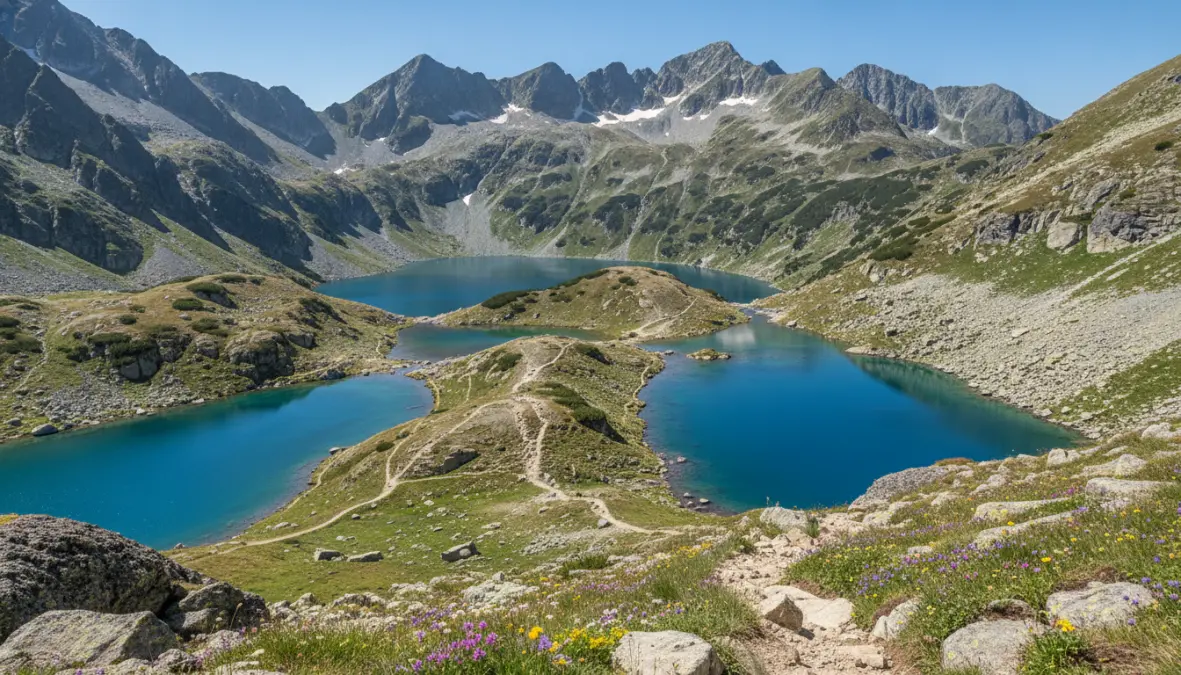
If you only have time for one hike, make it the Seven Rila Lakes. This iconic trail takes you past seven glacial lakes nestled in a natural amphitheater between 2,100 and 2,500 meters elevation. Each lake has its own character and poetic name—The Tear, The Eye, The Kidney, The Twin, The Trefoil, The Fish Lake, and The Lower Lake.
The seven rila lakes hiking guide consensus: plan for 4-6 hours for the full circuit, though you can extend this with ridge scrambles and peak attempts. A chairlift from Panichishte (operating June-September) cuts out the initial 500-meter climb, depositing you at the Rila Lakes Hut where the real hiking begins. The best time to visit Rila and Pirin mountains for this hike is June through September, when trails are snow-free and wildflowers carpet the slopes.
Difficulty-wise, it’s moderate—steady climbing but no technical sections. Pack layers (weather changes fast at altitude), plenty of water, snacks, and sun protection. The mountain refuges huts around the lakes offer overnight stays (Ivan Vazov Hut is the main one), letting you catch sunrise over the peaks—an experience that justifies the basic bunk beds and communal meals. Combining the monastery visit with the Seven Lakes is absolutely doable: visit the monastery in the morning, drive 40 minutes to Panichishte, and hike in the afternoon.
Best Trails in Rila National Park and Pirin Mountains
The rila mountain trails extend far beyond the Seven Lakes. Mount Musala (2,925m), the highest peak in the Balkan mountain range, is a bucket-list summit accessible via well-marked trails from Borovets. It’s a challenging day hike (7-8 hours round trip) but requires no technical climbing skills—just fitness and determination.
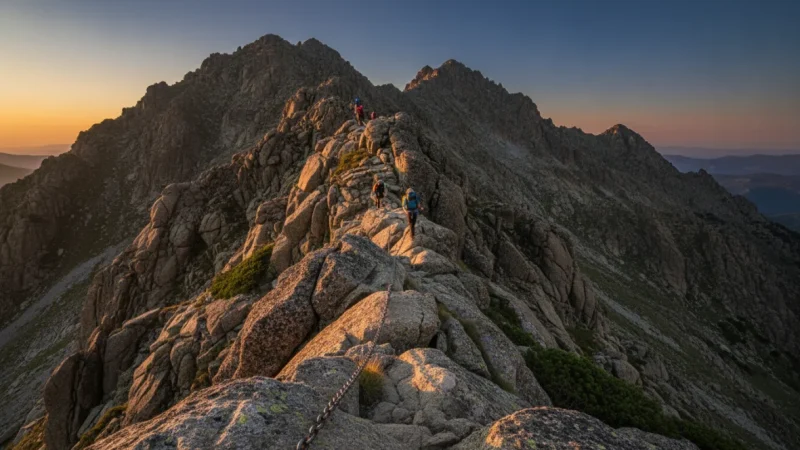
Malyovitsa, in northern Rila, offers some of Bulgaria’s best alpine scenery with dramatic granite walls and excellent multi-day trekking through the Rila National Park. Meanwhile, the Pirin Mountains Bulgaria present a wilder proposition. Vihren Peak (2,914m), Bulgaria’s second-highest, dominates Pirin National Park with routes that are more exposed and technically demanding than Rila’s. The pirin mountains trekking routes map shows extensive trail networks, but terrain here is rockier and remoter.
The key difference: Rila is more accessible with better infrastructure, making it ideal for casual hikers and families. Pirin rewards experienced trekkers with solitude and rugged beauty. No special permits are required for day hiking in either park, though overnight stays in certain zones need registration at park offices. Multi-day treks like the Pirin traverse (typically 5-7 days) connect mountain refuges huts across high passes—similar in spirit to routes you’d find in our Patagonia trekking guide, though on a more compact scale.
Practical Hiking Tips and What to Pack
Mountain weather in Bulgaria is notoriously fickle. Even in summer, temperatures can plunge and thunderstorms materialize within hours. Your pack should include waterproof jacket and pants, warm layers, hat, gloves (yes, even in July at altitude), sunscreen, first aid kit, and more water than you think you need—springs exist but aren’t always reliable.
Navigation requires attention. While main routes like the Seven Lakes are well-marked, secondary alpine hiking trails can be vague. Download offline maps via apps like Maps.me or Mapy.cz (which has excellent Bulgaria coverage). A physical map from tourist offices provides backup. For packing organization across multi-day treks, check our packing cubes guide for systems that work brilliantly in mountain huts.
Going solo versus hiring guides depends on experience. The best hiking trails rila pirin mountains are accessible to confident independent hikers with proper preparation. However, local guides add value through wildlife knowledge, shortcut routes, and safety nets. They’re particularly worthwhile for winter hiking or ambitious peak collections. Most mountain refuges huts are staffed June-September and offer meals, but always carry emergency food. In spring and fall, many close, requiring camping equipment or careful route planning between open facilities.
Planning Your Rila and Pirin Adventure: Itineraries and Logistics
Smart trip planning starts with choosing your base. Bansko ski resort works brilliantly as a Pirin hub—it’s got excellent infrastructure, restaurants, and accommodation at all price points. The gondola provides quick access to high-altitude trailheads, and in summer, the ski town transforms into a hiking base without the winter crowds. For Rila National Park access, Samokov or Panichishte put you close to both the monastery and the Seven Lakes trailhead.
A solid 2-3 day itinerary might look like this: Day 1—Drive from Sofia, visit Rila Monastery Bulgaria, overnight near Panichishte. Day 2—Hike the Seven Rila Lakes, stay in a mountain hut or return to Panichishte. Day 3—Drive to Bansko, afternoon hike to Vihren Hut. Extending to 4-5 days allows peak attempts, multi-day traverses, or simply more relaxed hiking with afternoons spent enjoying Bulgaria’s excellent mountain food and beer.
Transportation-wise, renting a car provides maximum flexibility and is surprisingly affordable (€20-30/day). Public transport exists but requires patience and schedule juggling. Organized bulgaria monastery tours often combine the monastery with brief Seven Lakes visits, convenient if you’re short on time, though independent travel rewards you with flexibility and deeper exploration. The best time to visit Rila and Pirin mountains is June-September for hiking, though late May and early October offer solitude with slightly higher weather risks.
Budget estimates: expect €40-60 daily for budget travelers using huts and self-catering, €80-120 for mid-range hotel stays with restaurant meals. That’s considerably cheaper than Alpine equivalents while delivering comparable scenery—similar value propositions to what you’d find in our Cape Town budget guide, where natural beauty far exceeds the price tag.
Whether you’re drawn by the spiritual gravity of an ancient Orthodox monastery, the challenge of summiting peaks across the Balkan mountain range, or simply the promise of pristine glacial lakes reflecting impossibly blue skies, Bulgaria’s Rila and Pirin mountains deliver with an authenticity that’s increasingly rare in Europe. Pack your boots, bring your sense of adventure, and discover why these mountains have been Bulgaria’s spiritual and physical refuge for over a millennium.